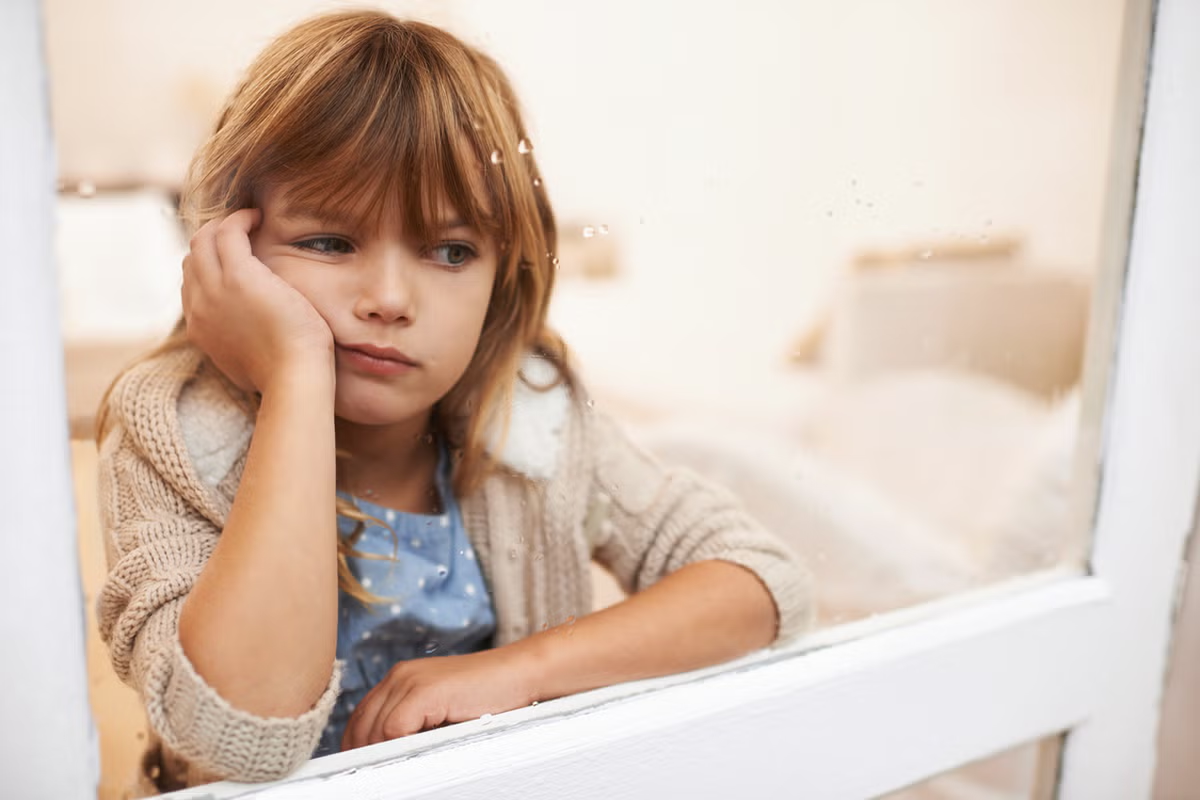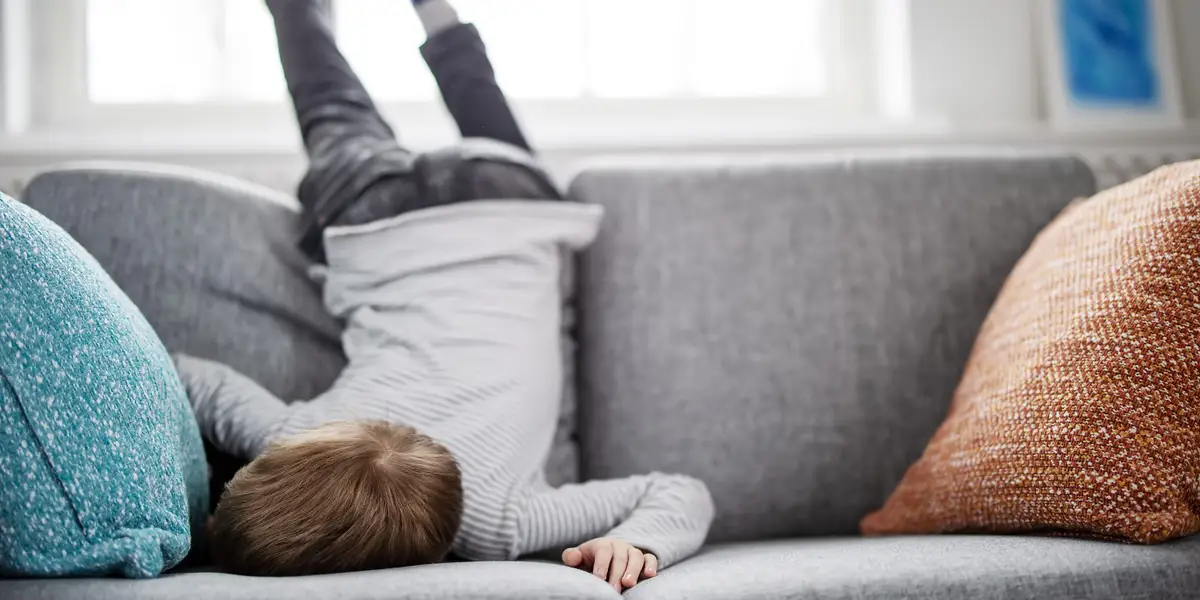
Nothing says “ambitious parent” more than banging on about the need for children to be bored.
Guilty as charged. “Boredom means you develop your own interior life,” the American theatre critic Hilton Als once said. I was so taken by the quote I printed it off, framed it and placed it in my home as an advertisement of my parenting creed.
Or at least, it was my parenting creed. Now I’m having second thoughts about the benefits of boredom. The trigger was reading a new book, The Disease of Boredom: From Ancient Philosophy to Modern Psychology by Josefa Ros Velasco, a Spanish academic who is president of – no joke – the International Society of Boredom Studies.
Having seen Spain play in the World Cup, Madrid seems like the right fit for this research institute. I do appreciate the precision of Spain’s short-passing game, but the world champions are dull to watch over 90-120 minutes.
Back, however, to Ros Velasco’s book, which is meticulously researched – and not boring at all. Tracing the history of boredom, or more precisely attitudes towards it, she says boredom was for centuries seen as “the cause of our misfortunes, the punishment of humanity. The ancients saw it as a shameful condition resulting from a lack of devotion to the community ... In the Middle Ages, it was included in the list of mortal sins as acedia”.