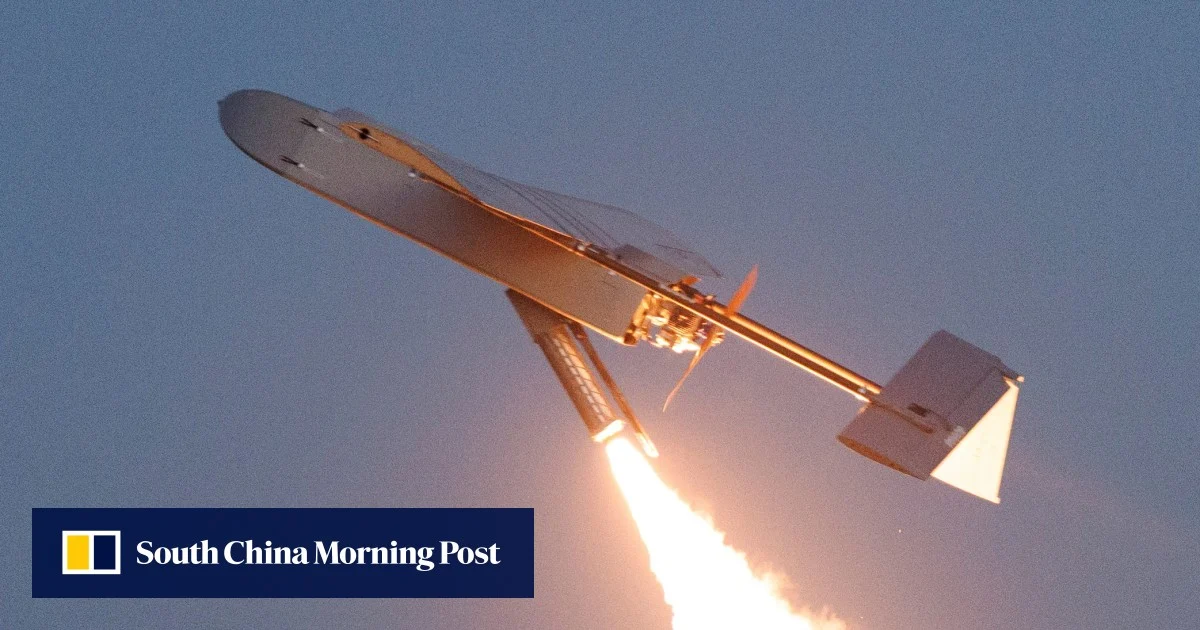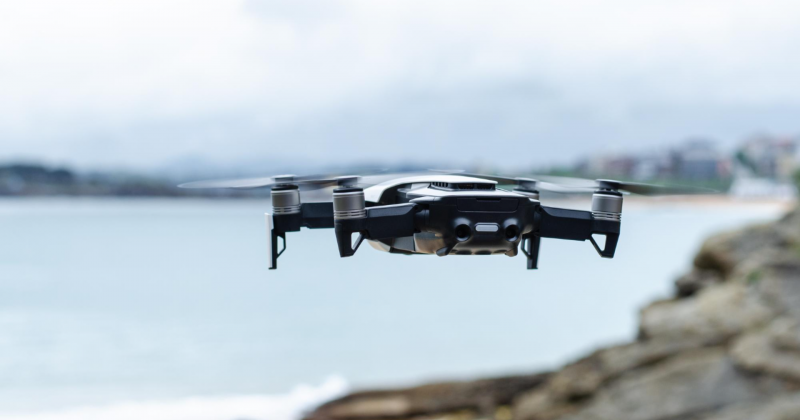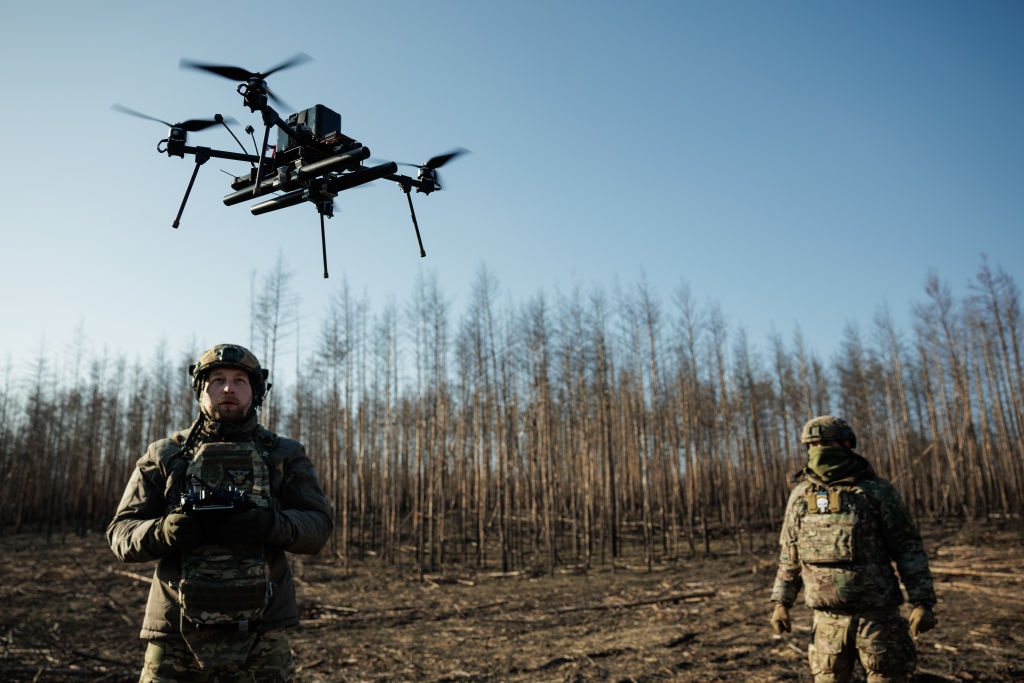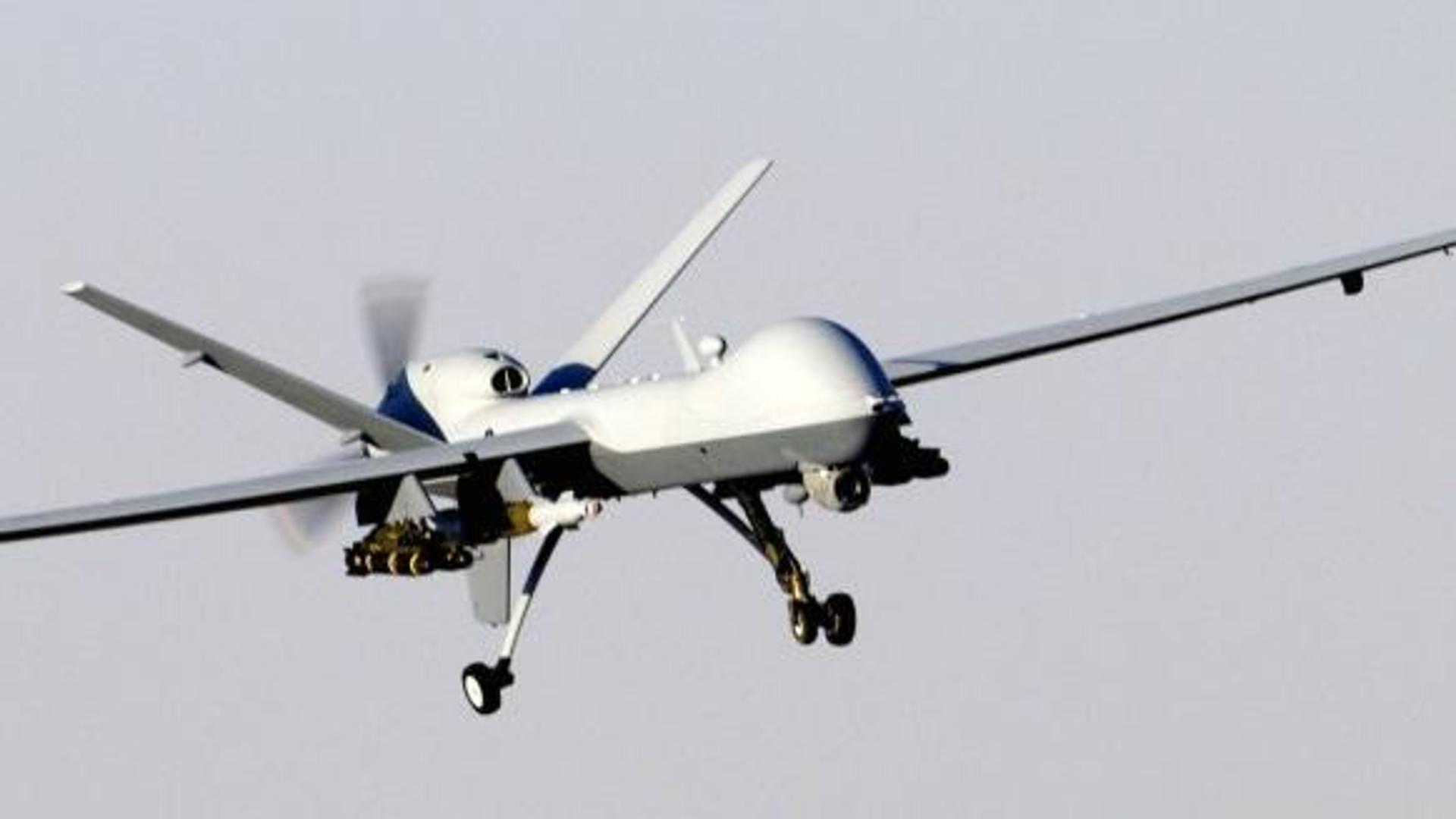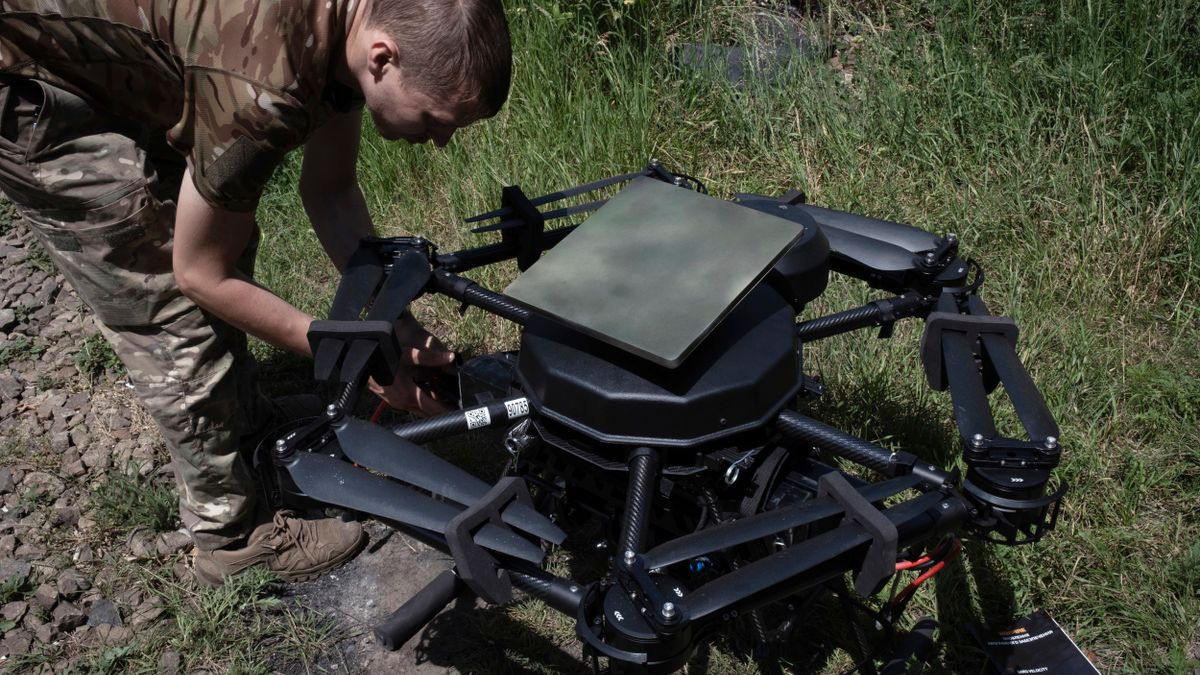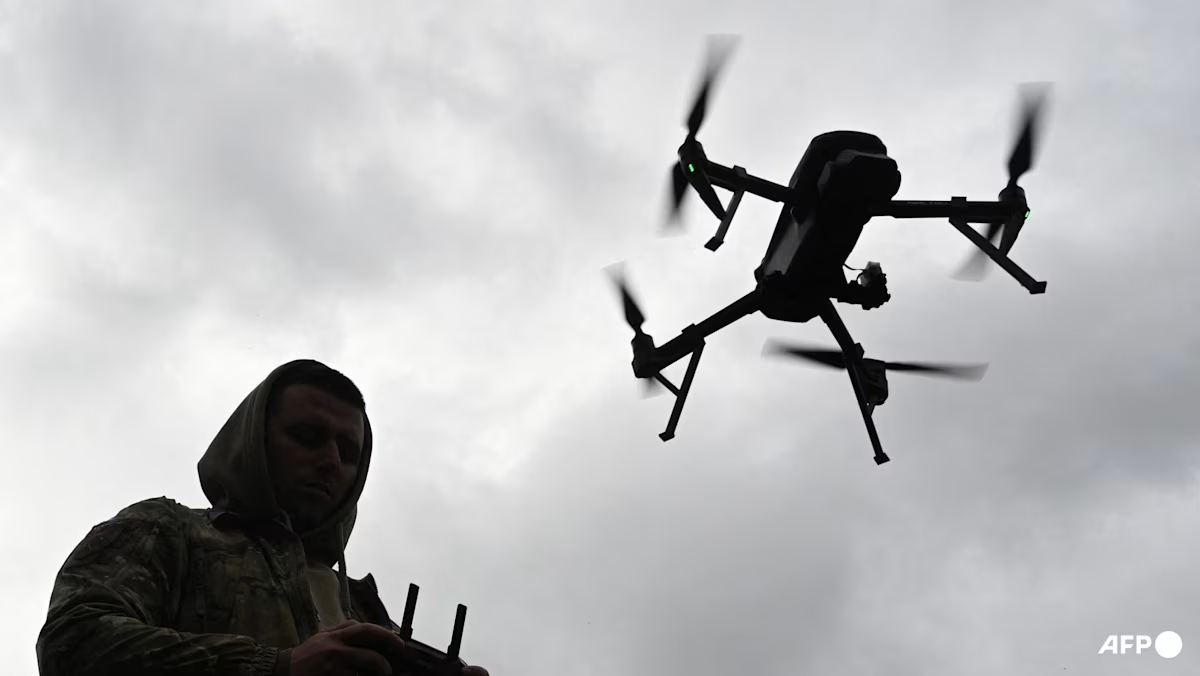
BEIJING: As Ukraine burns through drones in its war with Russia, Europe’s race to keep Kyiv supplied is exposing just how difficult it remains to build enough of them without Chinese-made parts.This reality has come into sharper focus after the European Commission in April approved an exception allowing Ukraine to use a portion of a multibillion European Union (EU) defence loan to procure drones with a higher share of components from outside the EU’s approved supplier countries.While European officials did not identify China, the Financial Times (FT) reported on Jul 15, citing people familiar with the decision, that Kyiv had obtained a carve-out to “purchase drone components from China”.Analysts told CNA the decision reflects a broader reality: Europe may have the technical expertise to manufacture drone parts, but it has yet to match China's ability to produce them quickly, cheaply and at scale.
China's advantage lies not in any one component but in its overall manufacturing ecosystem built over decades, said Hao Nan, a Nuclear Futures fellow with Ploughshares Fund and Horizon 2045, which support research on nuclear security and strategic risk."Those commercial foundations have since acquired strategic value by giving China greater capacity to scale production, accelerate iteration and influence supply chains that other economies cannot quickly replace, especially at wartime."While China's position does not amount to absolute leverage, it gives Beijing the potential to influence supply chains that Europe cannot quickly replace, even as governments accelerate efforts to reduce their dependence, said analysts.WHEN RULES MEET WARTIME REALITYMore than four years into Russia's full-scale invasion of Ukraine, drones have become a battlefield staple for both sides, used in huge numbers for reconnaissance and attacks.They are also being lost, replaced and modified at a pace that conventional defence procurement was never designed to support, a challenge the European Commission highlighted on Jun 30 when it said Ukraine's military edge depended on obtaining critical products "in the required quantities and within very short timeframes".