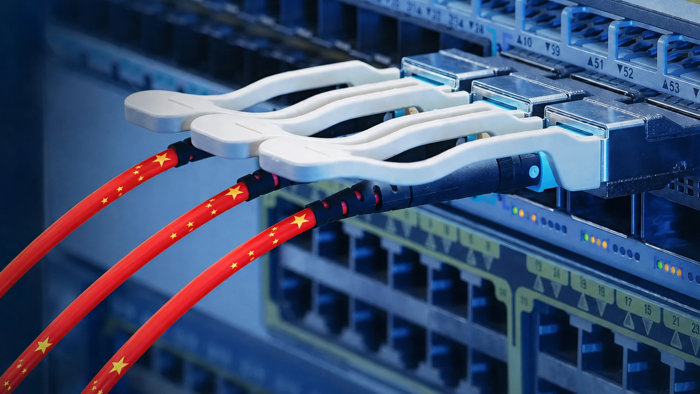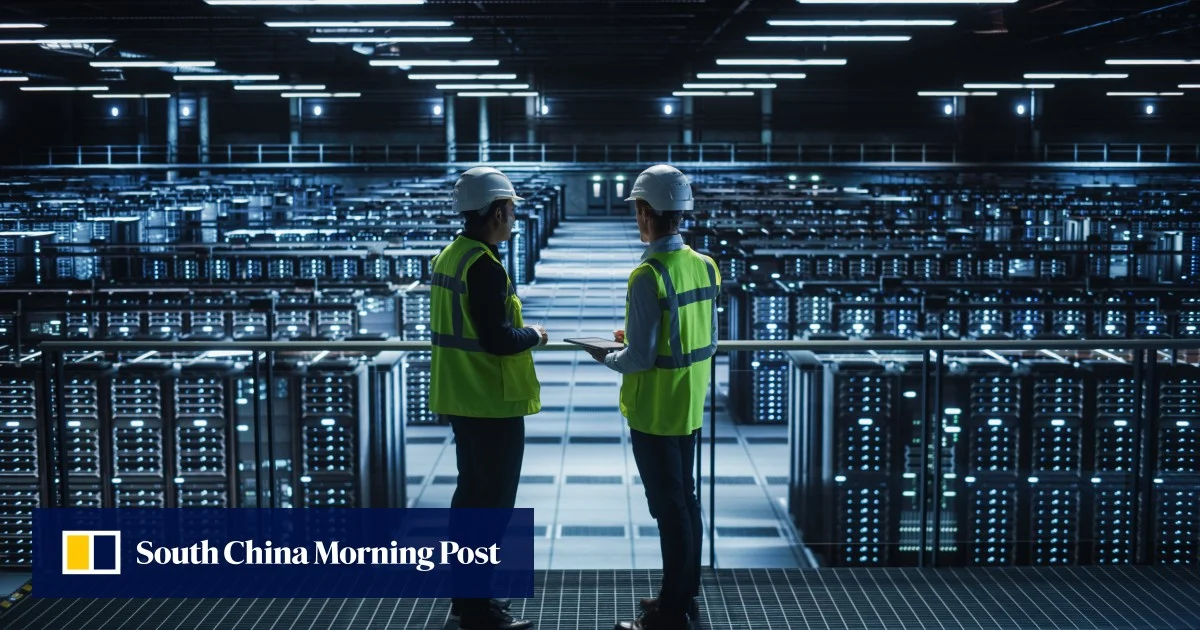
The Federal Communications Commission is quietly drafting rules that could block imports of new Chinese-made optical transceivers, the tiny but critical components that shuttle data at light speed through fiber-optic cables inside data centers. The rationale is national security. The collateral damage could land squarely on the biggest names in American tech.
According to a Counterpoint Research report, a ban on these components would create serious supply bottlenecks for US hyperscalers like Amazon Web Services, Microsoft, Meta, and Google. These companies have spent years building their AI infrastructure on a foundation that relies heavily on Chinese manufacturing, and pulling out that foundation mid-construction is, to put it gently, complicated.
The supply gap nobody can close quickly
The problem is concentration. Zhongji Innolight, a Chinese manufacturer, currently commands approximately 27% of the global market for data-center optical transceivers. And roughly 62% of Innolight’s revenue as of Q1 2026 comes from US clients.
Counterpoint Research warns that Western suppliers simply cannot replace the volume of Chinese-made optical transceivers fast enough. The firm estimates a supply gap of 12 to 24 months before domestic and allied manufacturers could ramp up production to meet demand. That’s one to two years of constrained supply for companies racing to deploy AI infrastructure valued in the hundreds of billions of dollars.