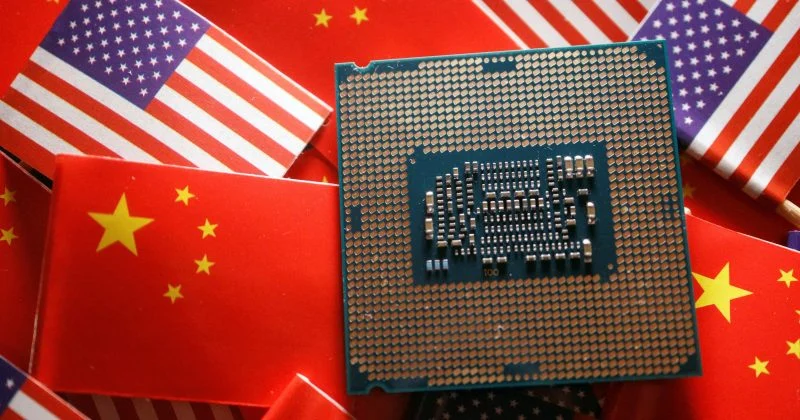
The Donald Trump administration’s push to ban China’s role in the U.S.-AI supply chain may have an unintended consequence: making it more difficult and expensive to build the very AI infrastructure U.S. companies are racing to deploy.
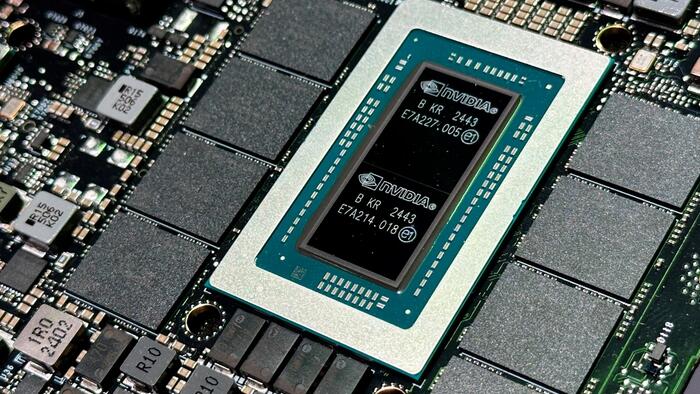
That’s the takeaway from a new BNP Paribas note, which argues that a proposed Federal Communications Commission ban on new imports of Chinese-made optical transceivers could ripple far beyond Chinese manufacturers, affecting companies including Broadcom Inc. (NASDAQ:AVGO), Marvell Technology Inc. (NASDAQ:MRVL), Credo Technology Group Holding Ltd. (NASDAQ:CRDO), Nvidia Corp. (NASDAQ:NVDA) and Advanced Micro Devices Inc. (NASDAQ:AMD).
Why Optical Transceivers Matter to AI
Optical transceivers rarely grab headlines, but they are a critical piece of modern AI infrastructure. These devices convert electrical signals into optical signals, allowing the enormous volumes of data generated by AI chips to move rapidly between servers inside data centers.
As AI clusters expand, those networking components become just as important as the GPUs performing the computations. Without enough optical transceivers, even the most advanced AI chips cannot communicate efficiently across thousands of interconnected servers.