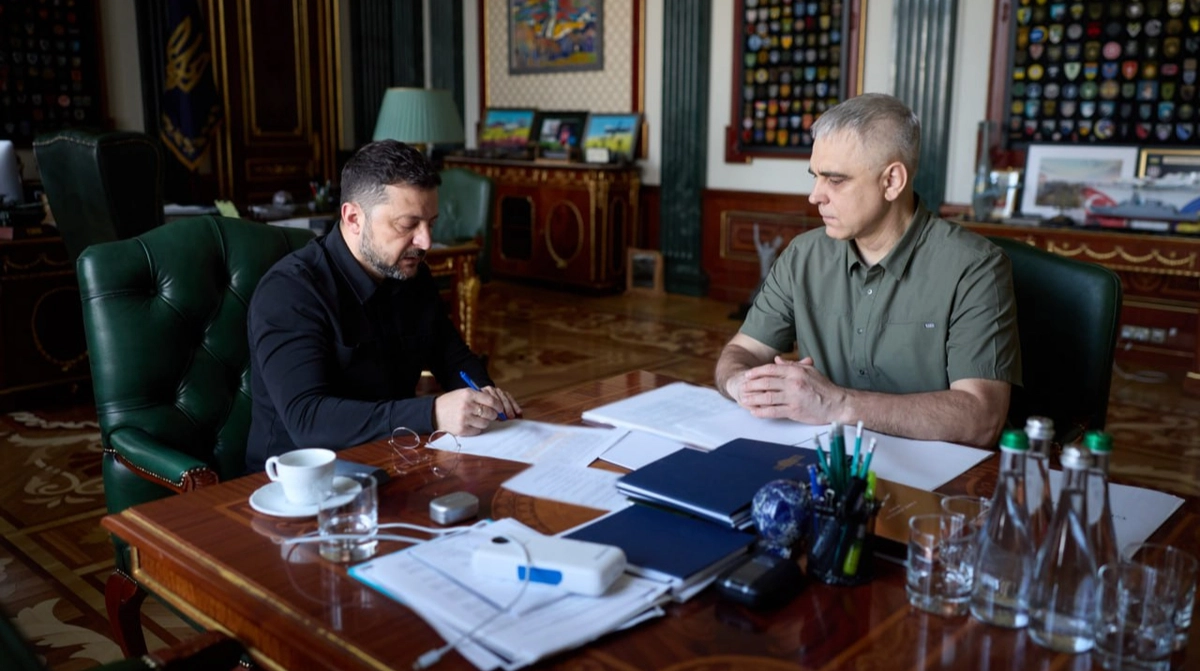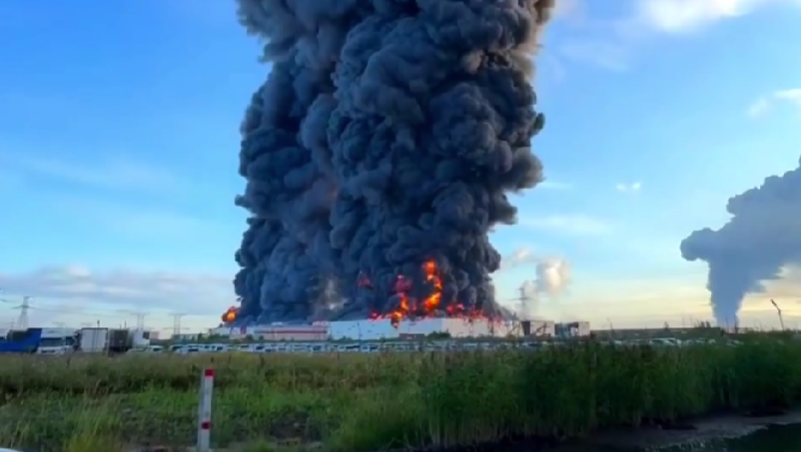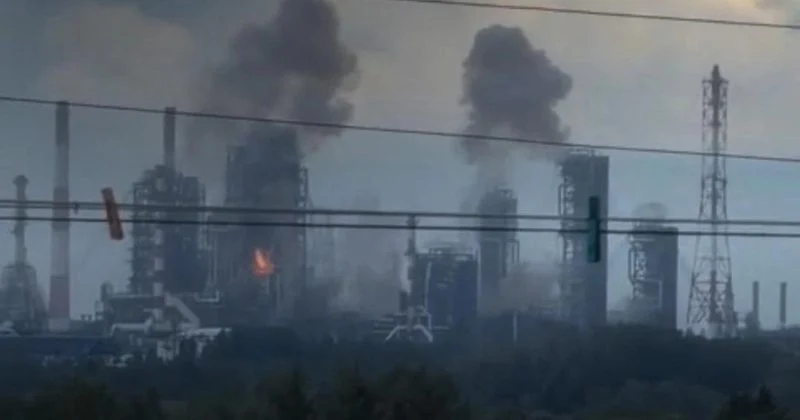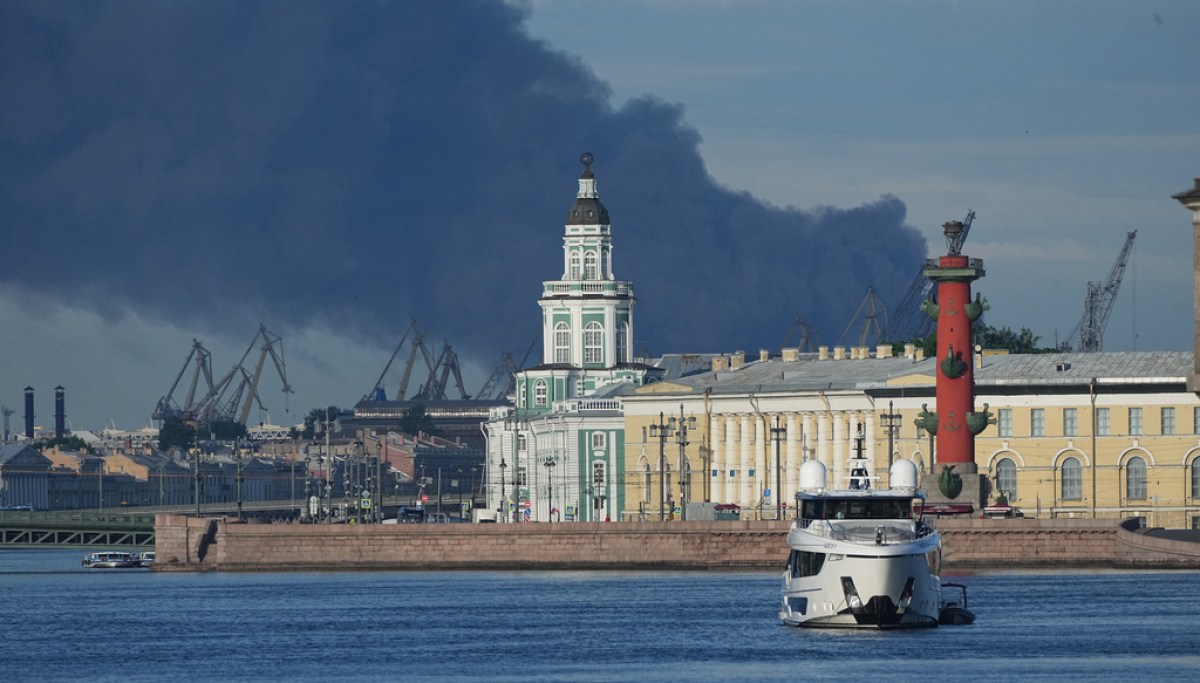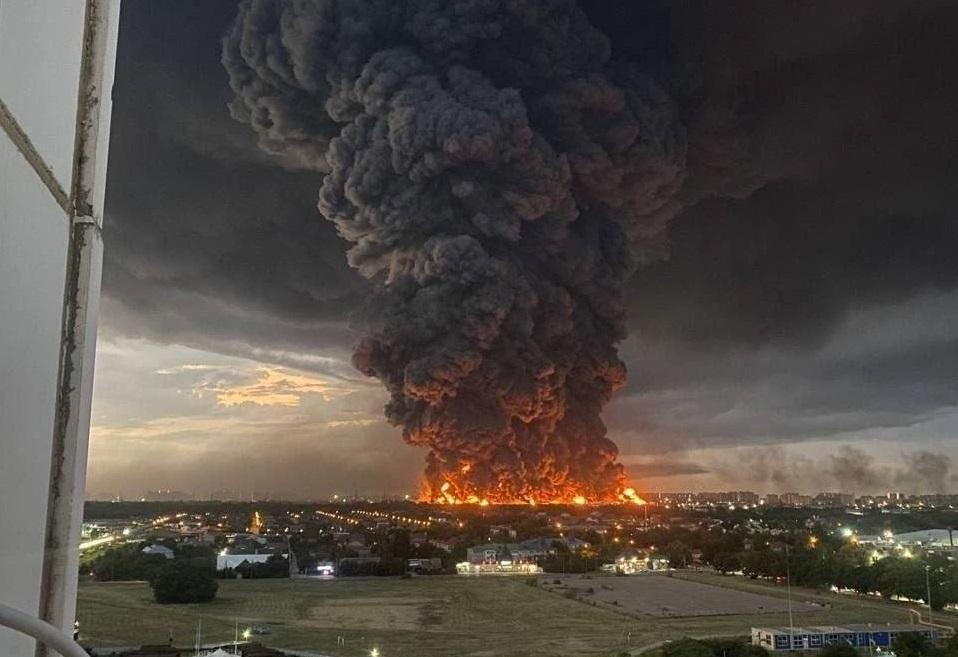
On June 25, President Volodymyr Zelensky announced a named, 40-day operation run by Ukraine’s security service to force Russia toward the table. That deadline arrived Aug. 4, and it produced no ceasefire – Vladimir Putin has shown no sign of negotiating. But judged by a narrower standard – whether Ukraine can make the war costly to sustain – the campaign delivered results worth taking seriously. They point to where real leverage in this war now sits: not on the front line, but inside Russia’s oil sector. For most of the war, the Kremlin could count on that sector holding – sanctions, price caps, an EU embargo, and the loss of Western oil-service firms, absorbed without disrupting exports. That changed last year, when Ukraine stopped treating Russian oil infrastructure as a symbolic target and started treating it as a system with weak points. By early July, Ukraine’s General Staff assessed it had disabled 43% of Russia’s total projected refining capacity, with cumulative industry losses since August 2025 estimated at $13.5 billion. In a single month, strikes destroyed or critically damaged more than 60 storage reservoirs – split roughly 58/42 between refined product and crude – and storage is precisely what lets Russia buffer a shock like this instead of passing it straight to consumers.JOIN US ON TELEGRAMFollow our coverage of the war on the @Kyivpost_official. This is not a handful of showcase targets. Strikes have reached Gazprom Neftekhim Salavat and plants as far east as Ufa, hit repeatedly since April, most recently on Aug. 1 – the same night Russian missiles and drones killed at least nine people in Kyiv, a pairing that captures the war in miniature: refineries and cities, two theaters running in parallel. Days earlier, Ukrainian forces struck a Lukoil refinery in Perm, roughly 1,500 kilometers (932 miles) away on the Asian side of the Ural Mountains – nearly the furthest extent of “strategic depth.” The Moscow Oil Refinery in Kapotnya, hit twice in June, reportedly won’t resume production before 2027; modern refining needs Western components that sanctions have cut off, so repairs that took weeks now take months.
What Zelensky’s 40-Day Oil Campaign Achieved – and What It Didn’t
Russia’s strategic depth – the assumption that its refineries, its budget, and its own annexed peninsula sat safely behind the front line – no longer holds.
965 words~4 min read