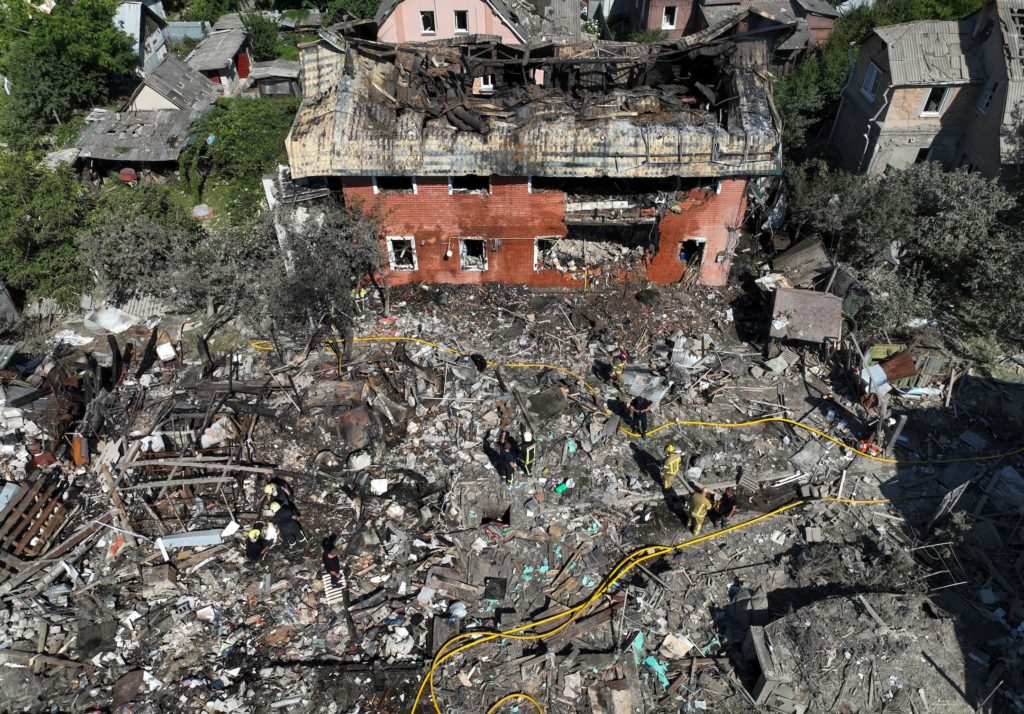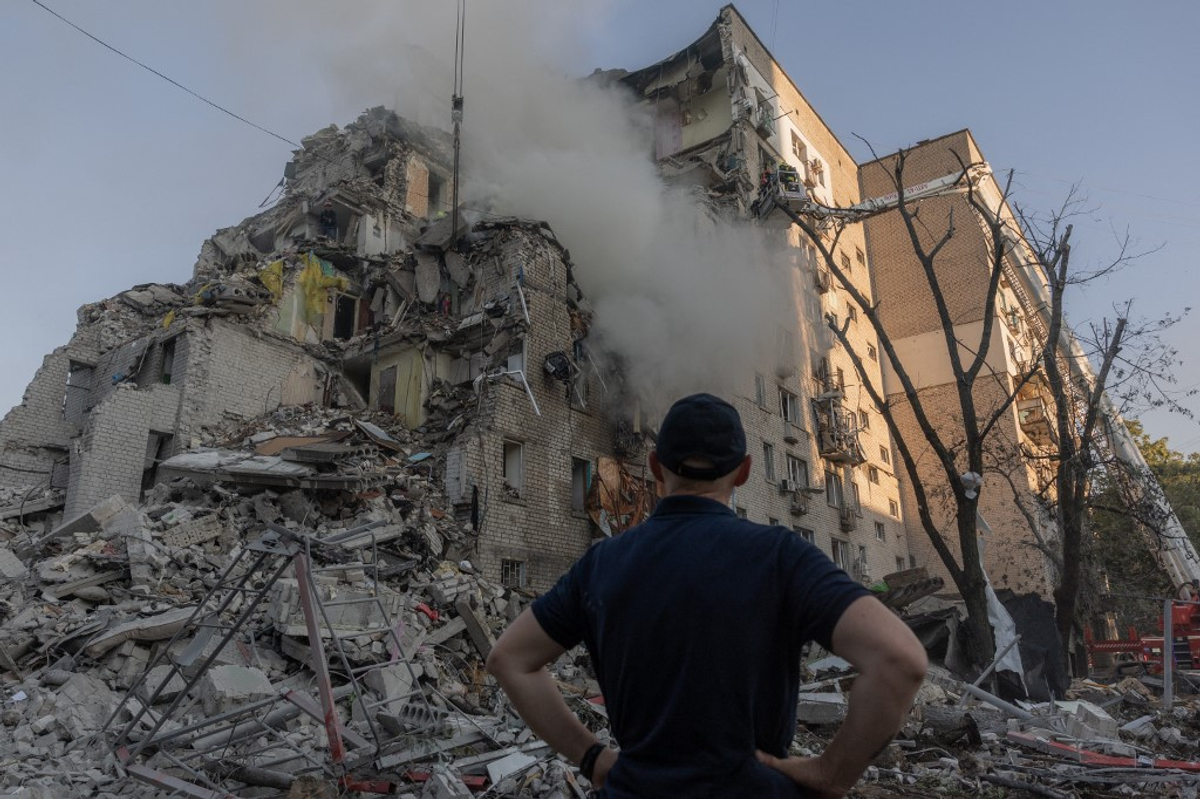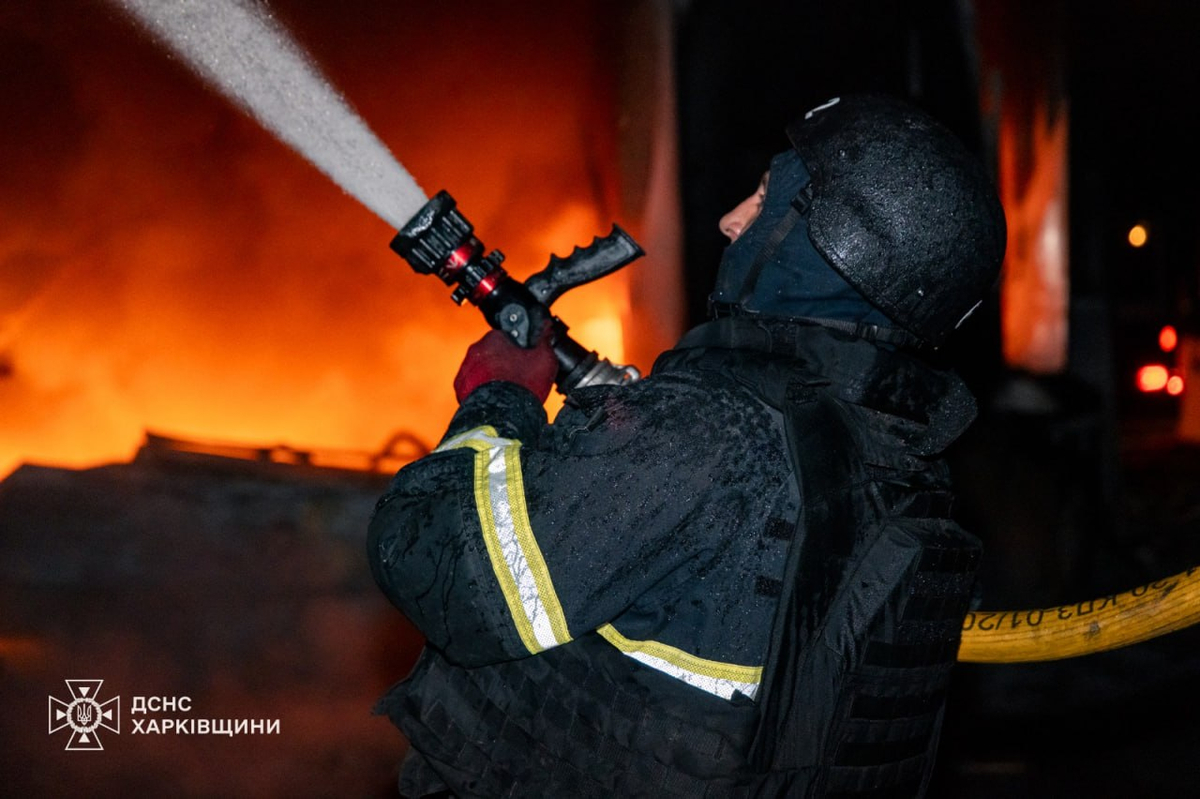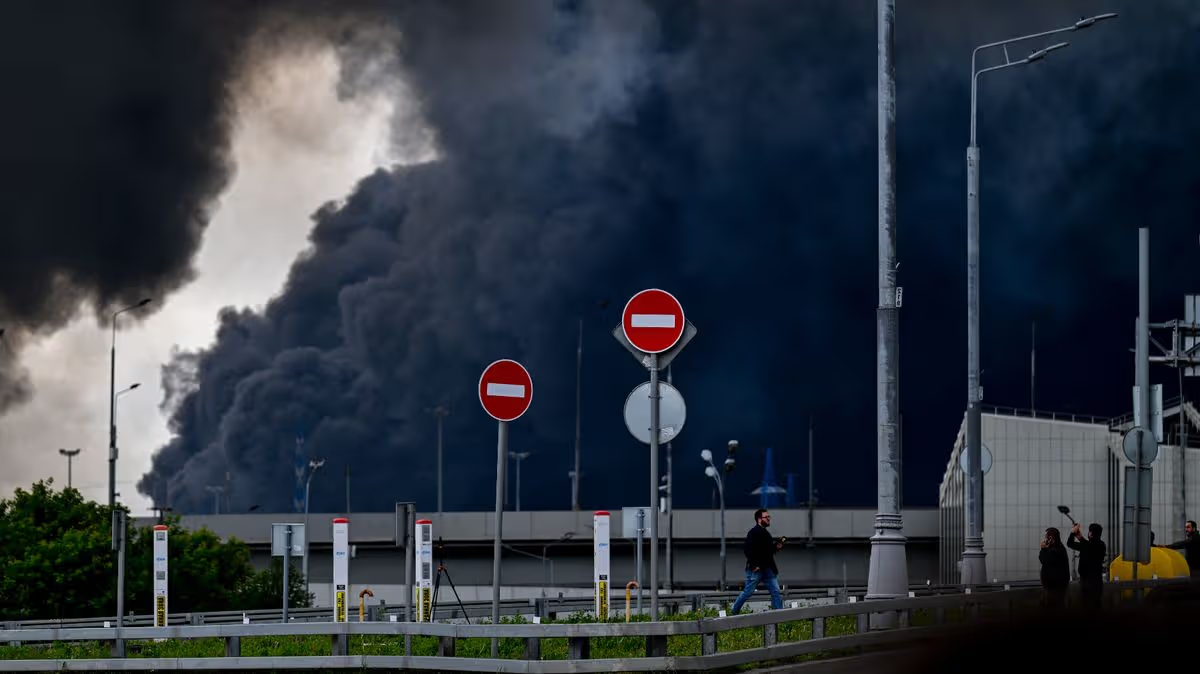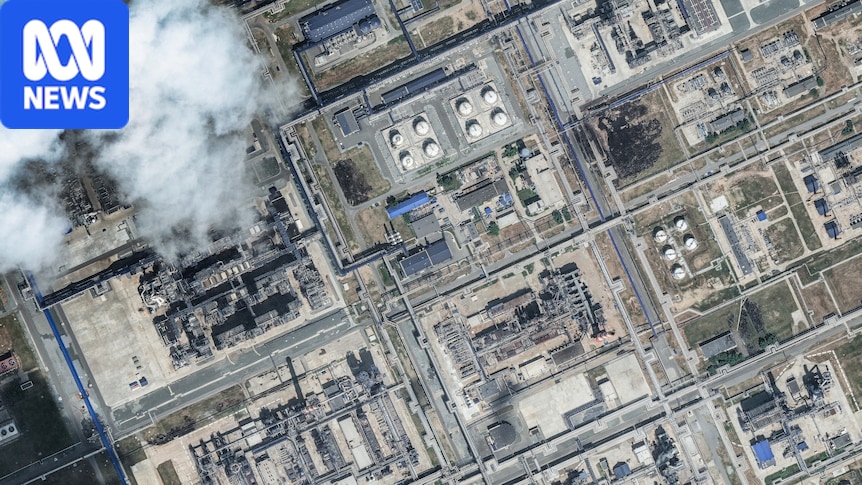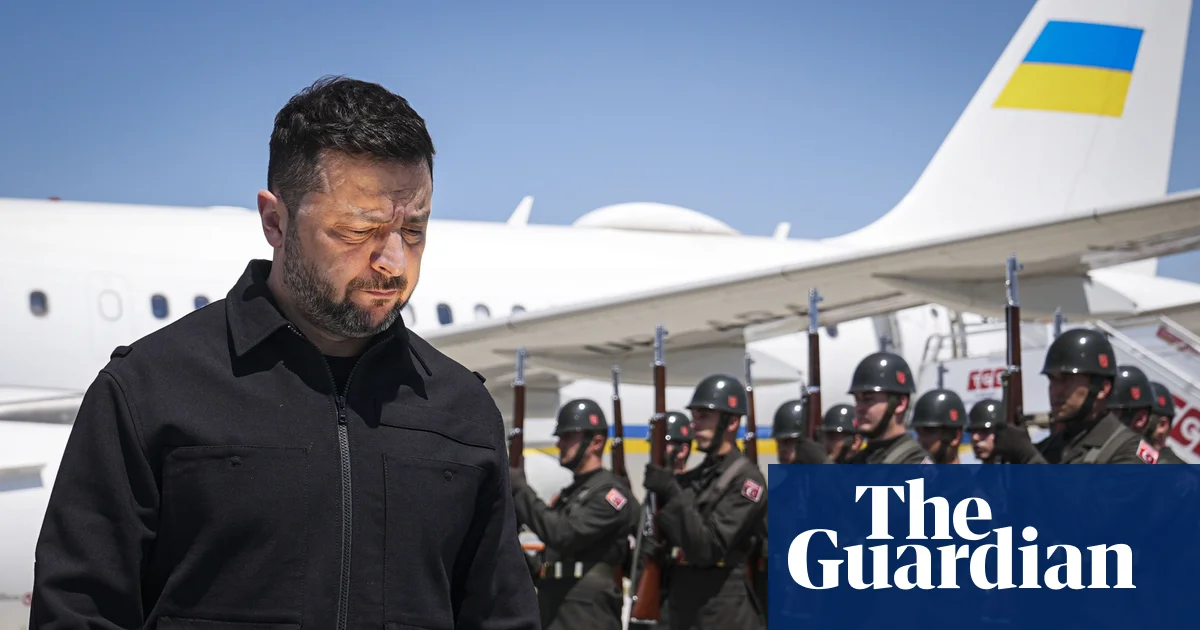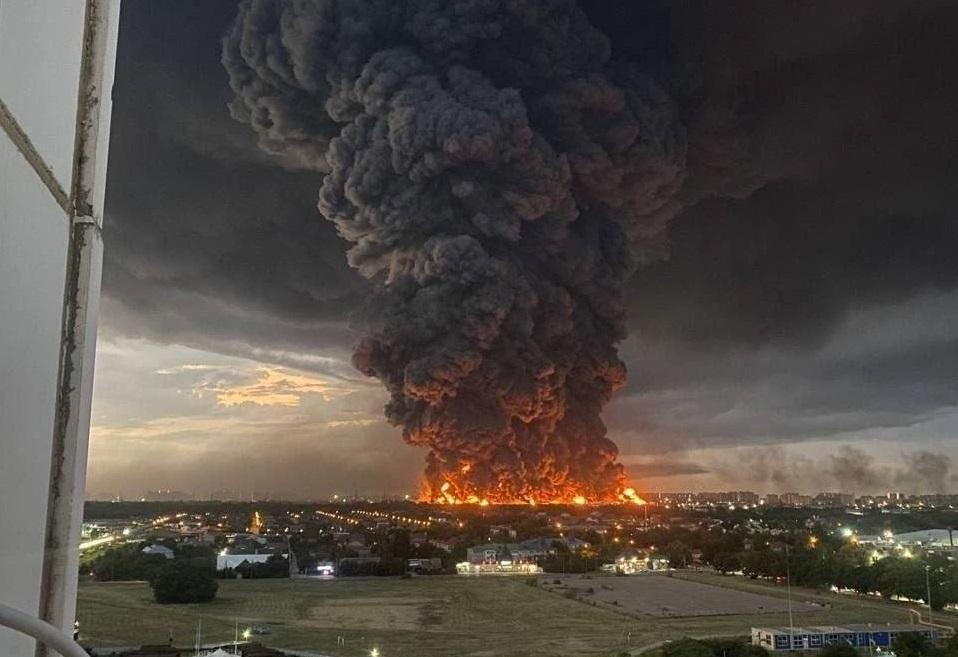
When Ukrainian President Volodymyr Zelensky announced last week that his military would be undertaking a 40-day campaign to hammer Russian military and energy infrastructure deeper inland from the border, the concept did not feel materially different from his usual stream of war updates. Now, a little over a week since the long-range missiles and drones began raining down, the successful disruption of enemy logistics is becoming difficult to ignore.Zelensky announced on Wednesday a second successful strike on the Ufa oil facility, one of Russia’s largest producers of lubricants. Similar attacks have been carried out against the Slavyansk and the Yaroslavl refineries, among others. Crimea, the region of Ukraine occupied by Russia, has entered a state of emergency due to the attacks.
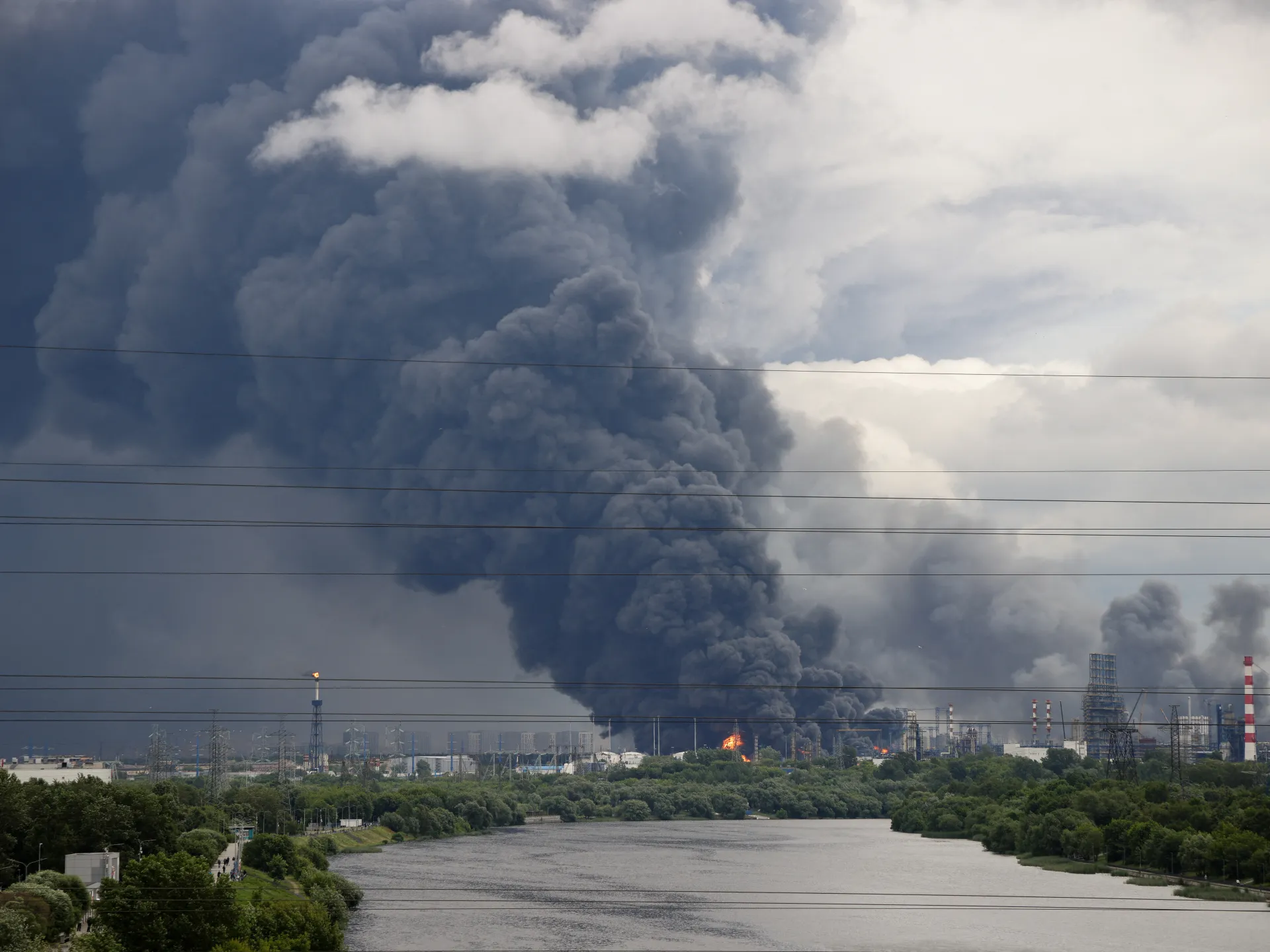
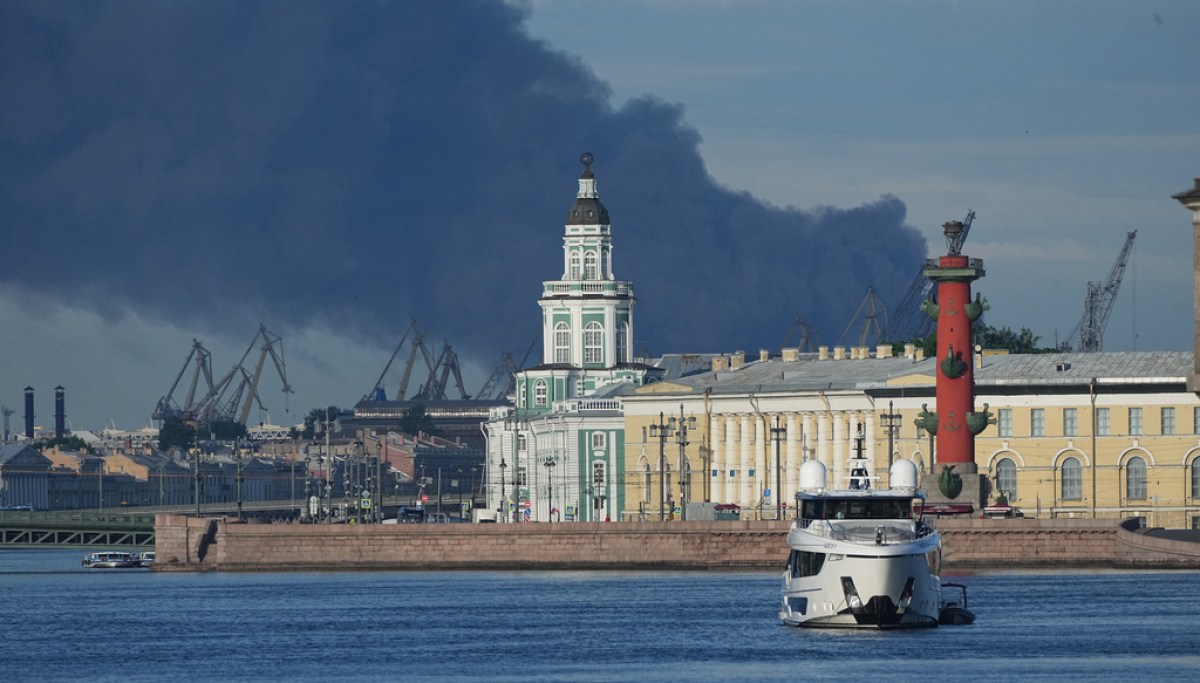
It has become clear that the operation is causing unprecedented pain for the Russian military and national economy. The only question is whether it will finally be enough to make President Vladimir Putin bend.“They have a theory that if they can conduct a very sharp, concentrated effort against Russian energy that seeks to destroy Russia’s ability to process and transport and use energy, then that can change the Kremlin’s incentives and help bring Putin to come to the table to actually negotiate ending the war,” George Barros, an expert with the Institute for the Study of War, told the Washington Examiner.A plume of black smoke is seen over the port of St. Petersburg, Russia, on Wednesday, June 3, 2026, after a Ukrainian drone attack. (AP Photo)