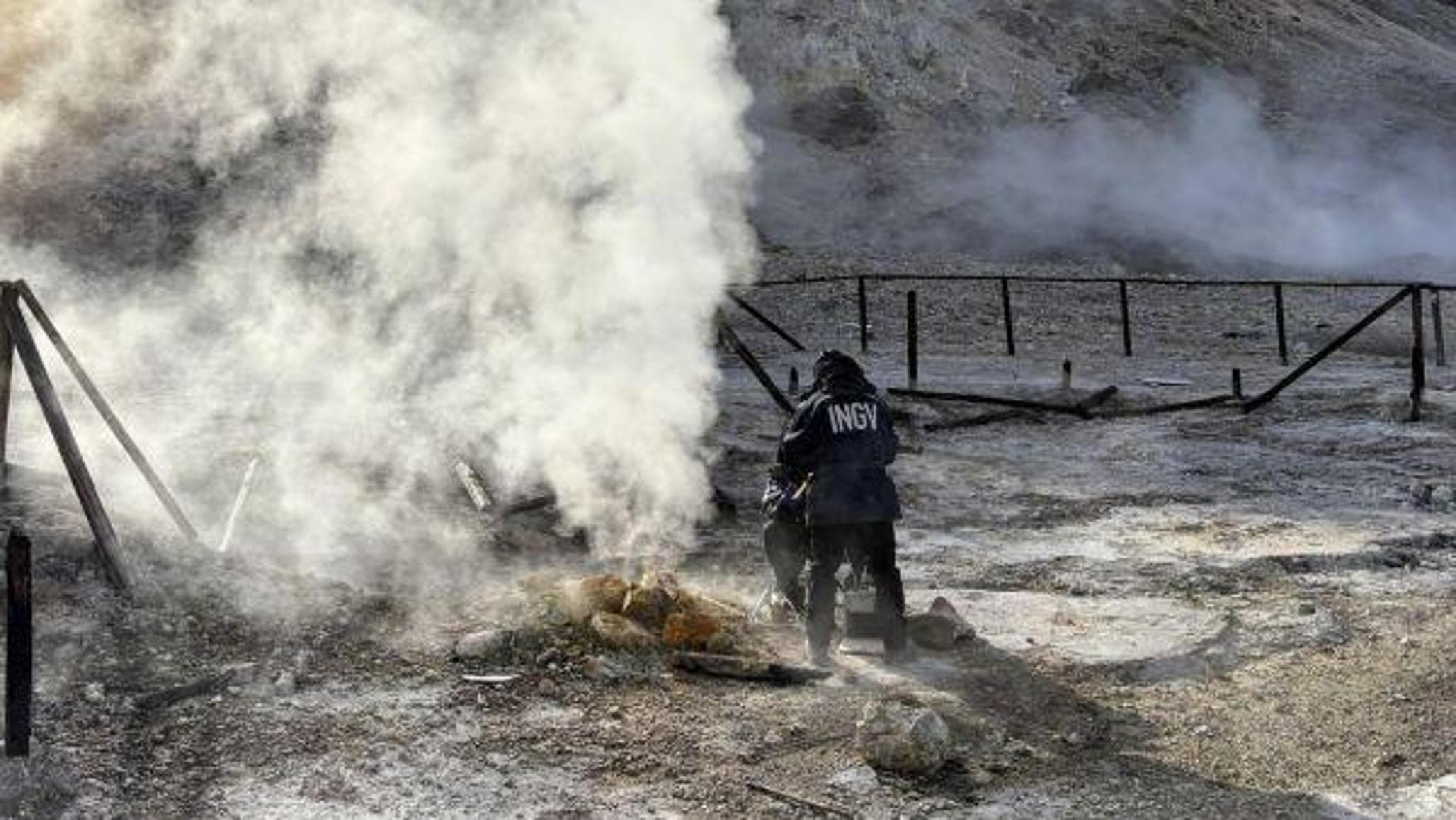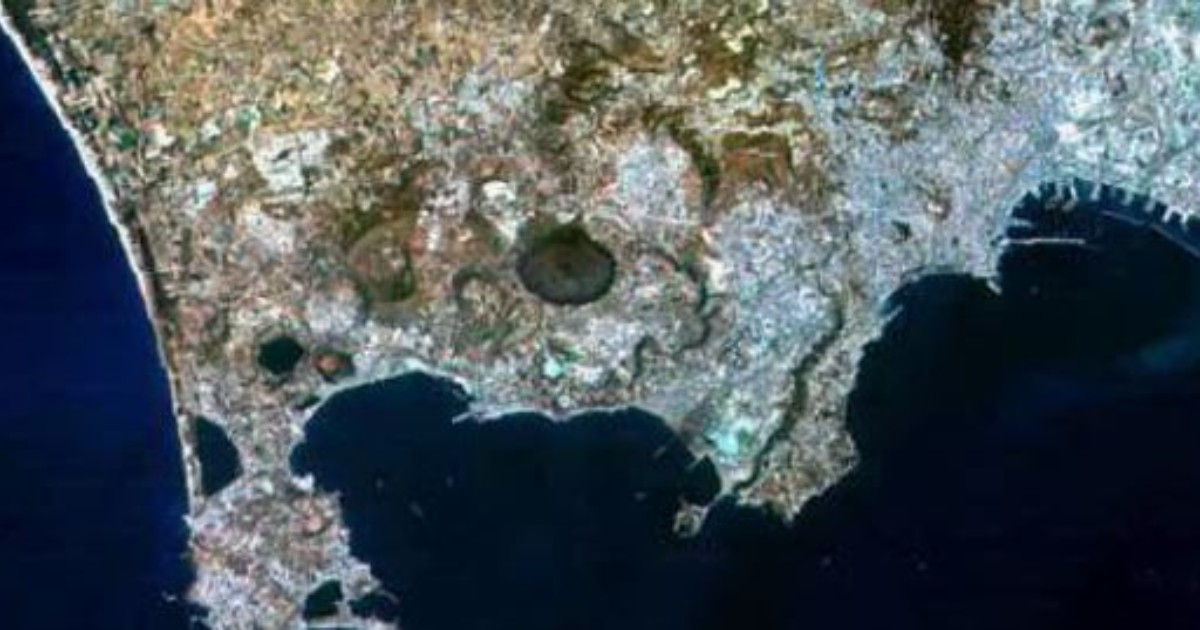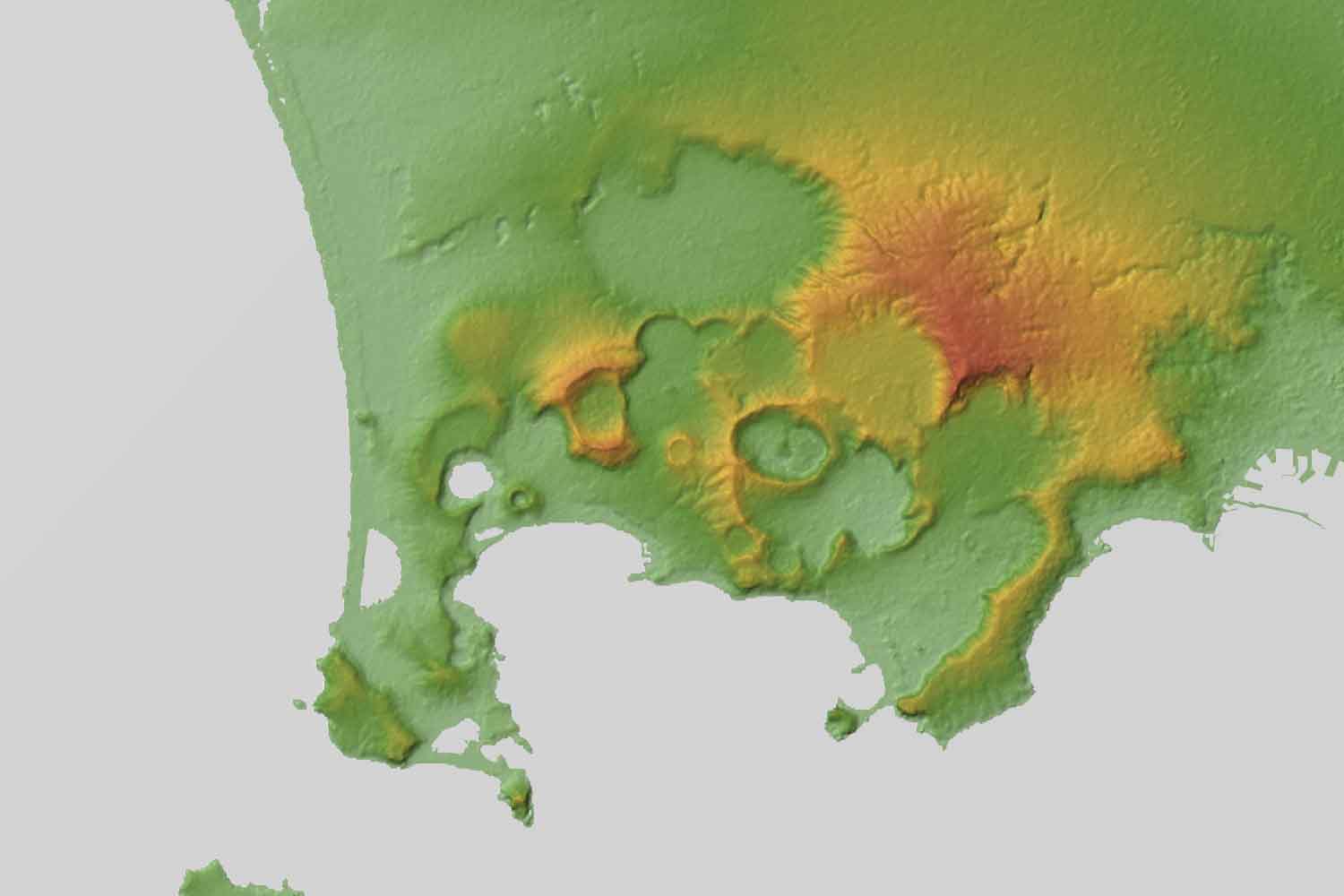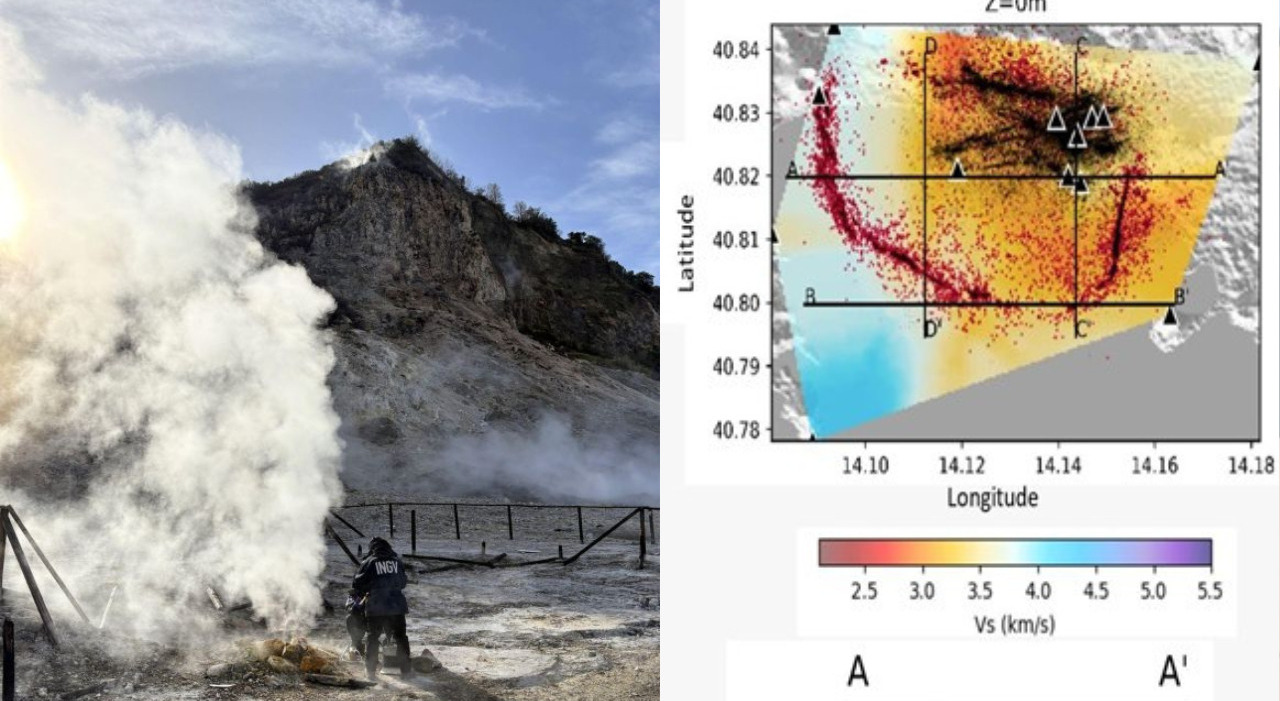
Scientists have discovered an enormous body of magma deep beneath Tuscany, even though the region shows few of the surface clues typically associated with such systems. Using a seismic imaging method called ambient noise tomography, researchers detected approximately 6,000 km3 of volcanic fluids buried 8 to 15 km below the surface. (6,000 km3 equals the volume of 2.4 billion standard Olympic swimming pools.)
The international team included scientists from the University of Geneva (UNIGE), the Institute of Geosciences and Earth Resources (CNR-IGG), and the National Institute of Geophysics and Volcanology (INGV). Their findings, published in Communications Earth & Environment, could also help researchers locate geothermal reservoirs, lithium deposits, and rare earth elements connected to deep magmatic activity.
A Vast Magma System With No Obvious Warning Signs
Some of the world's best-known volcanic regions, including Yellowstone National Park in the United States, Lake Toba in Indonesia, and Lake Taupo in New Zealand, sit above magma reservoirs containing thousands of cubic kilometers of molten material.
Scientists usually identify these systems through visible or measurable evidence at the surface. Such clues can include ancient eruption deposits, volcanic craters, rising or sinking ground, and escaping gases. When those signs are absent, however, even enormous quantities of magma can remain undetected within Earth's crust.