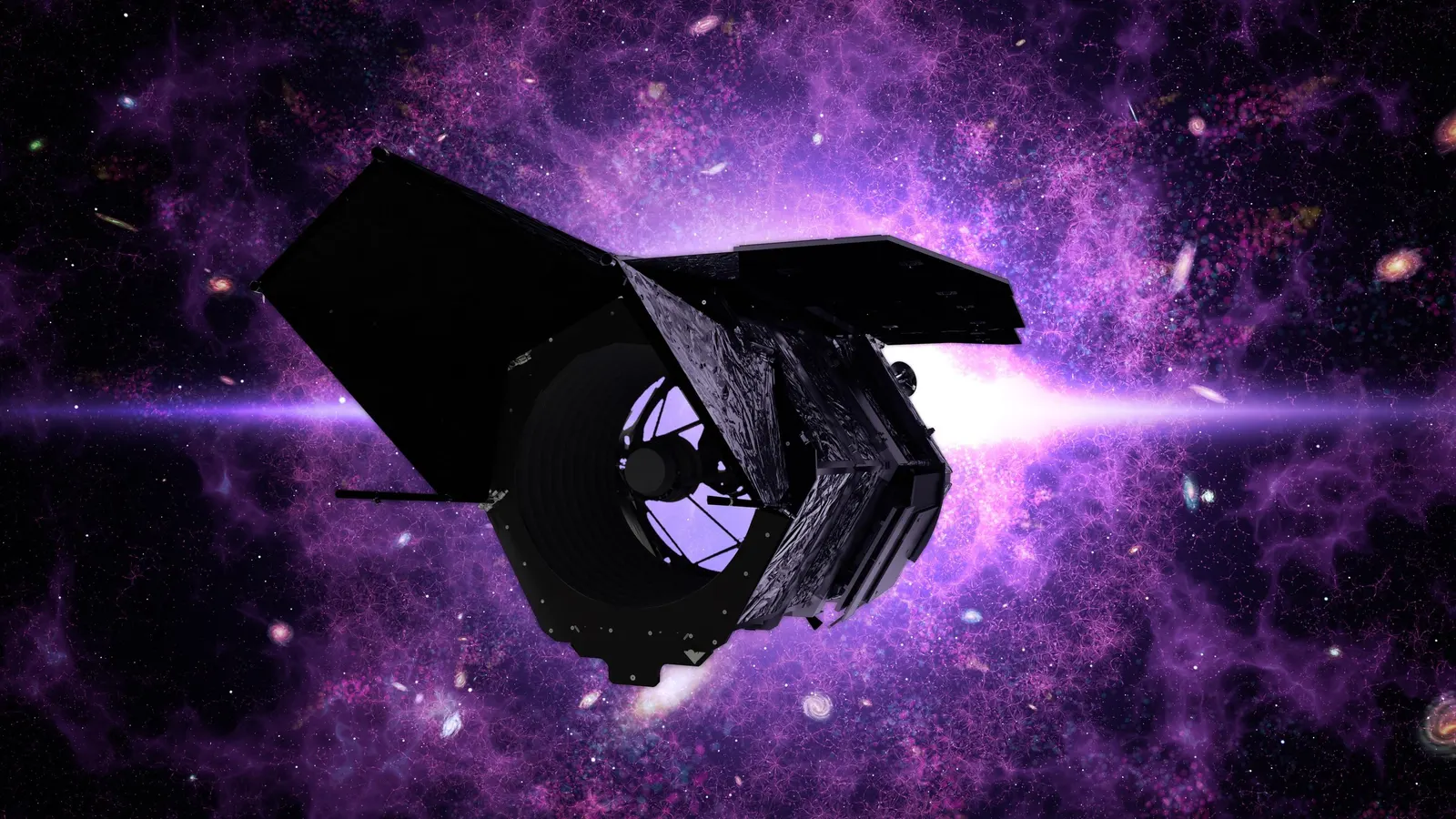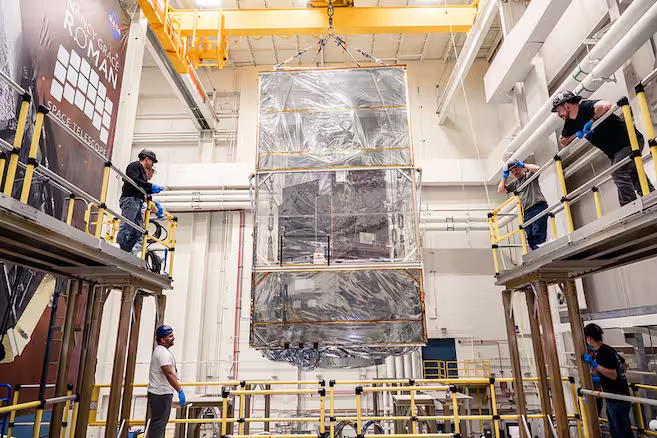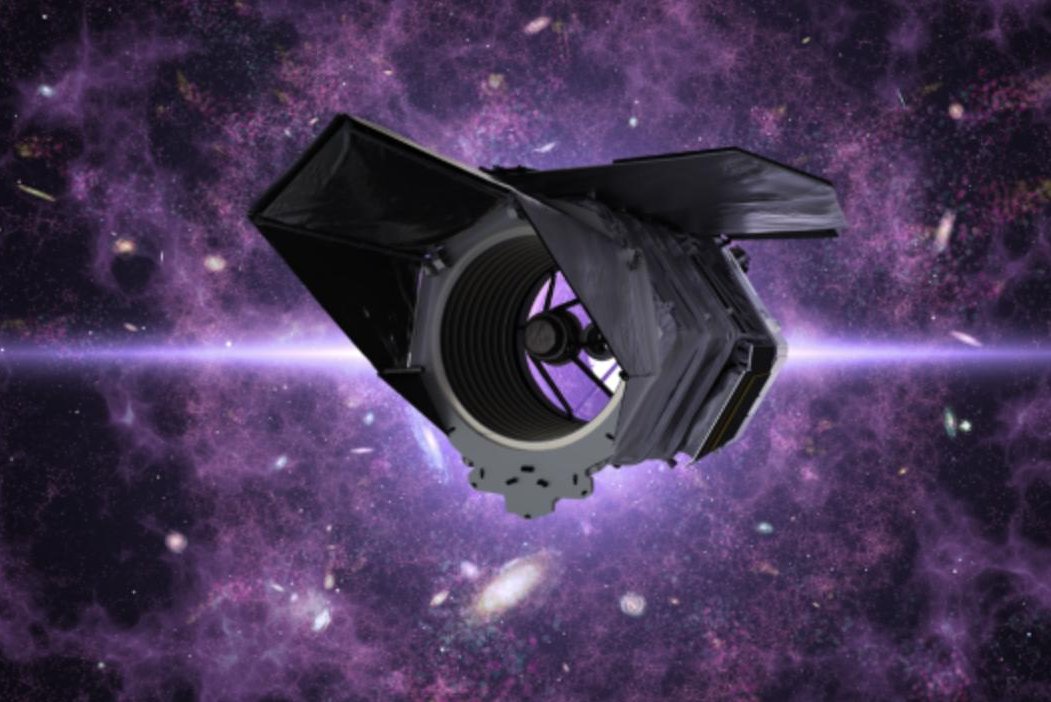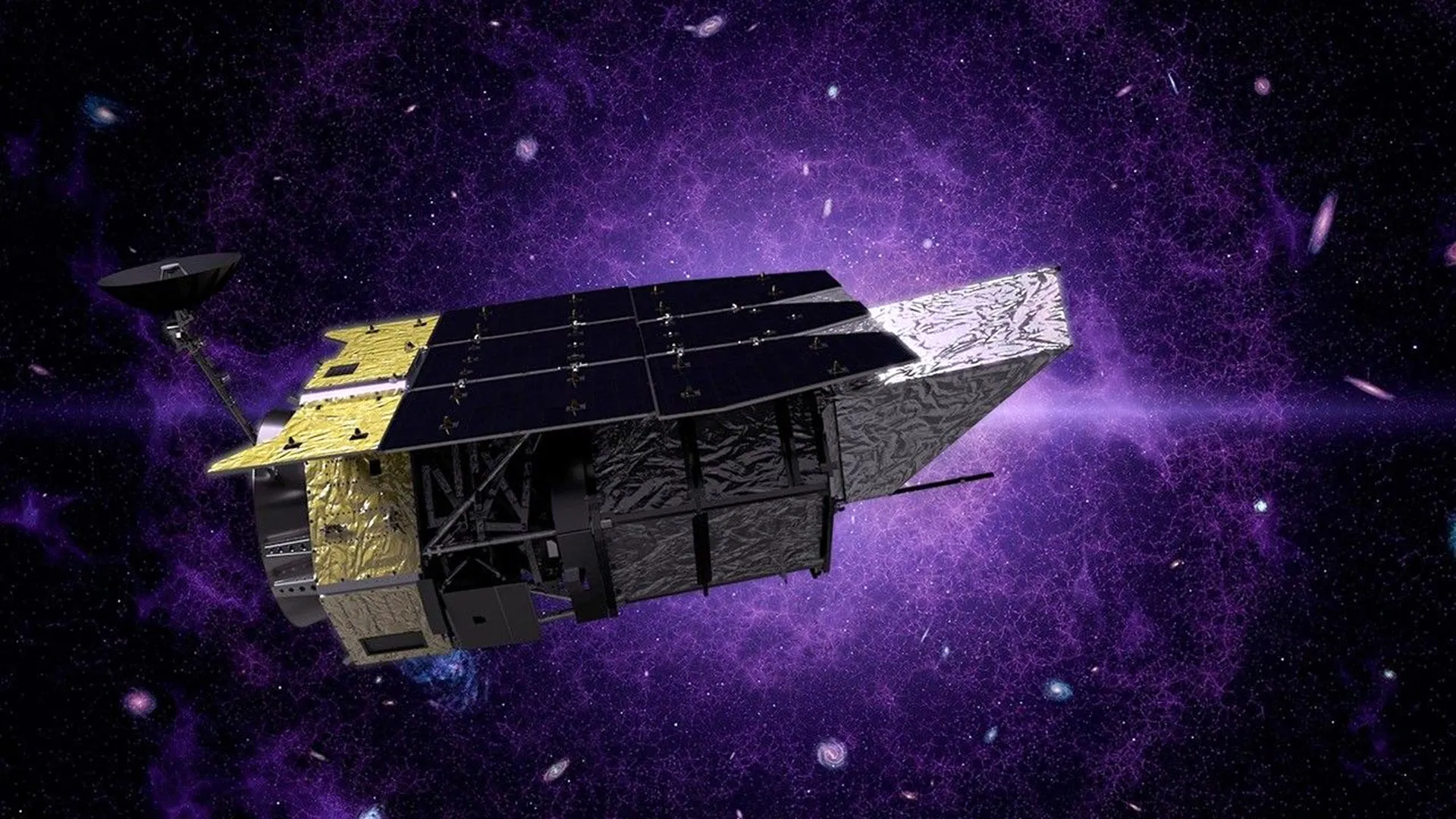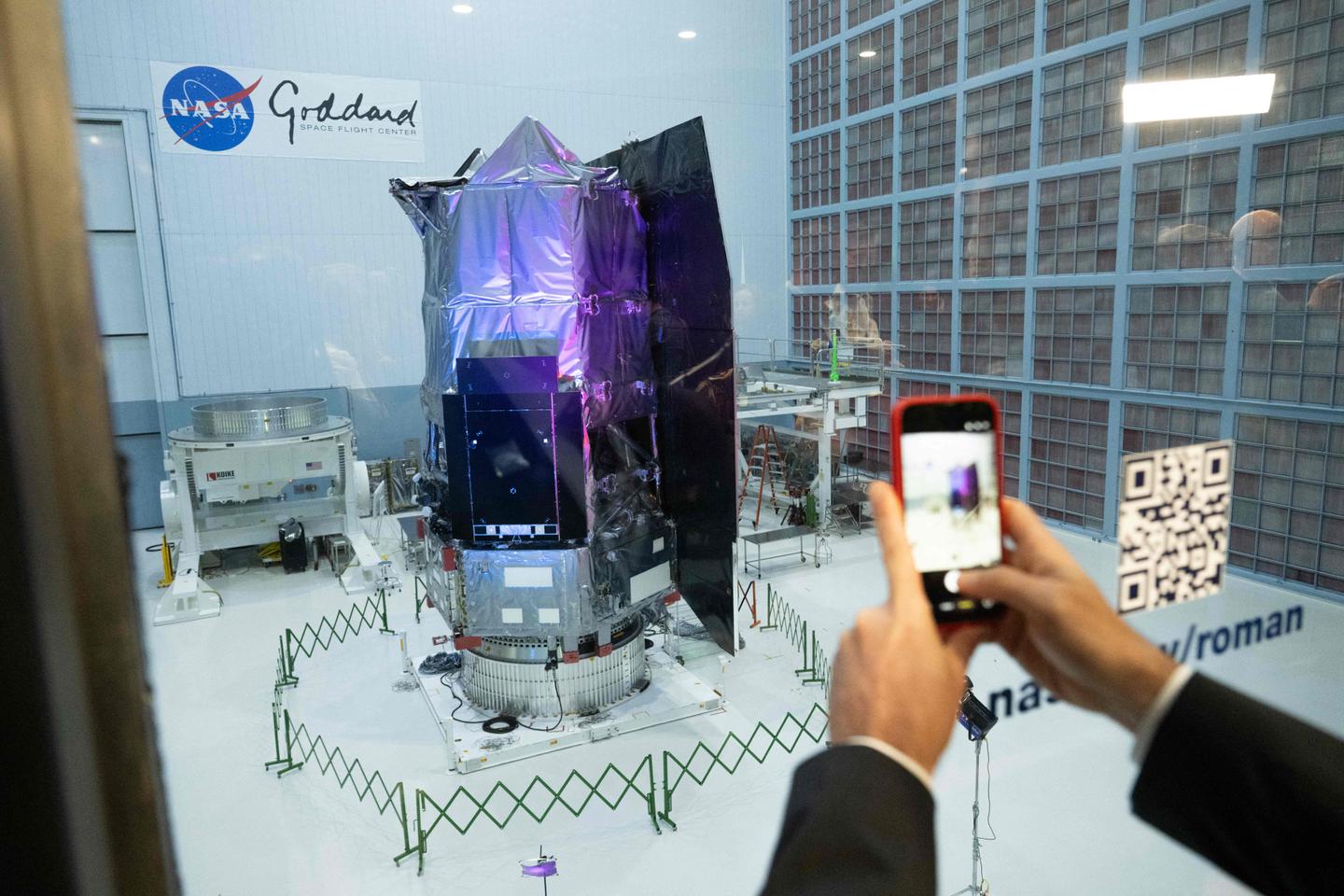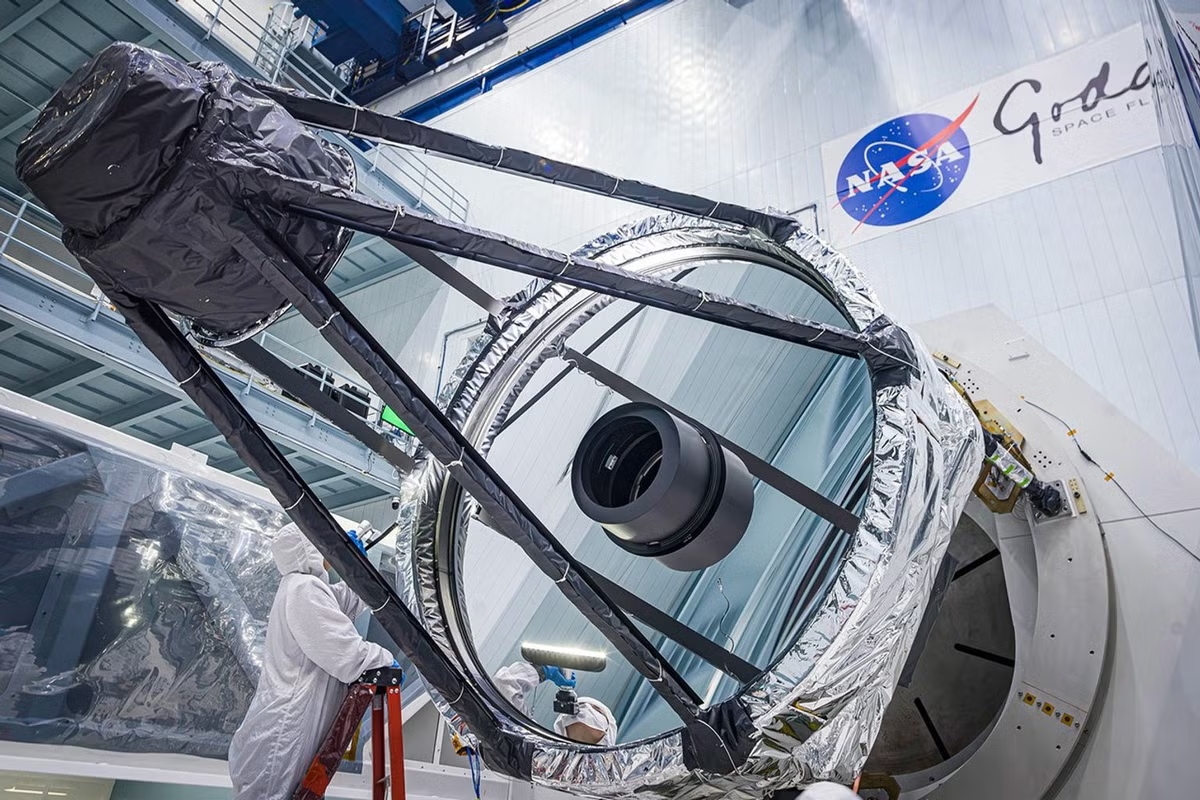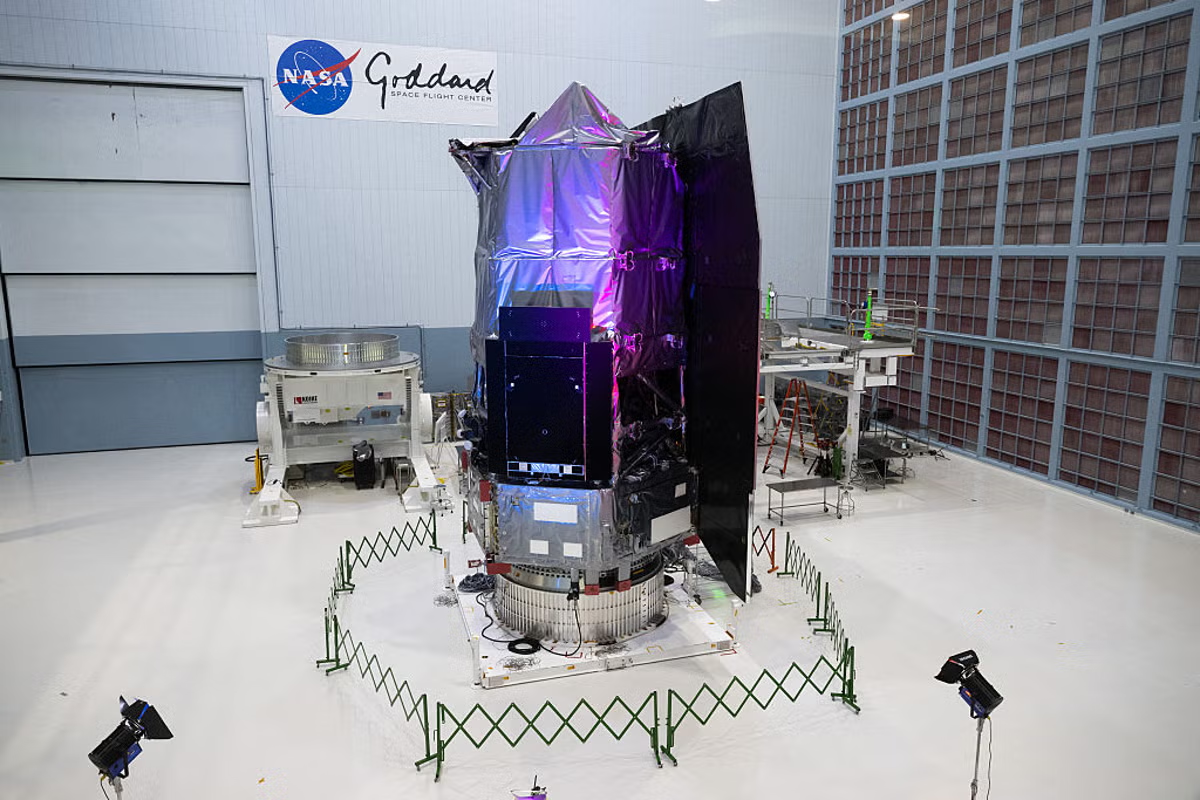
At the end of August, NASA is set to launch the Nancy Grace Roman Space Telescope from Kennedy Space Center in Florida. Its quest is to help us better understand how the universe works, from the glue-like dark matter that keeps galaxies together to the elusive dark energy that drives the expansion of the cosmos. But Roman could also serve another purpose: defending Earth from killer asteroids. In September, a multi-institutional team of planetary scientists and astronomers will outline how the space telescope is uniquely placed to scan asteroids, and provide information about their trajectories, sizes and compositions. Roman, named after NASA’s first chief astronomer, is equipped with a super-wide-angle, 300-megapixel infrared camera, allowing it to see a large patch of space at any one time—roughly 100 times larger than the Hubble Space Telescope. That will allow it to discover thousands of new planets, tens of thousands of exploding stars, and survey over one billion galaxies in remarkable detail. Roman was not built for this purpose, but last summer, it was (once again) threatened with significant funding cuts by the Trump administration. “My colleague Rick Cosentino [a planetary scientist at NASA] said to me in July 2025 that we need to show what Roman can do for planetary defense as a way to further increase the visibility of the mission with lawmakers and taxpayers,” says Bryan Holler, a researcher at the Space Telescope Science Institute in Baltimore, Maryland.
NASA’s new dark energy space telescope can also detect killer asteroids
The Nancy Grace Roman Space Telescope, set to launch at the end of August, is uniquely well-placed to help us spot any dangerous rocks heading our way.
1,287 words~6 min read