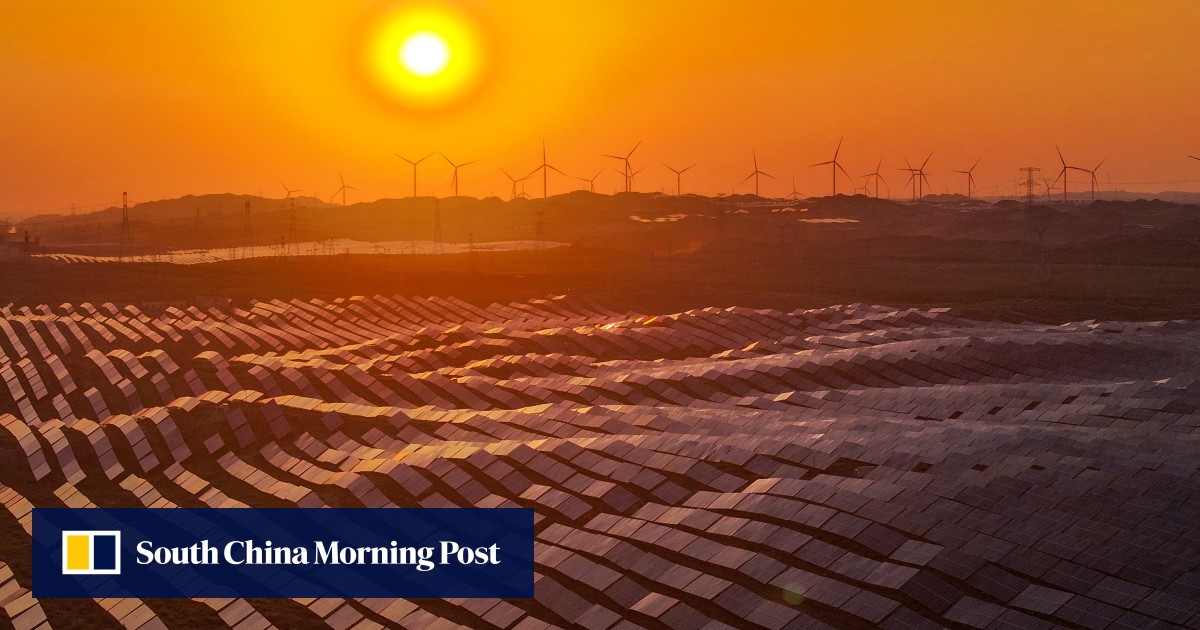
China’s latest five-year renewable energy plan, which targets more than 2.8 TW of solar and wind capacity by 2030, links energy storage with grid reliability, firm power capacity, grid-forming technology and new market-based revenue mechanisms.
China has placed energy storage at the center of its strategy to make wind and solar power more reliable during the next five-year planning period, with the National Development and Reform Commission (NDRC) and National Energy Administration (NEA) jointly releasing the 15th Five-Year Plan (2026-30) for Renewable Energy Development.
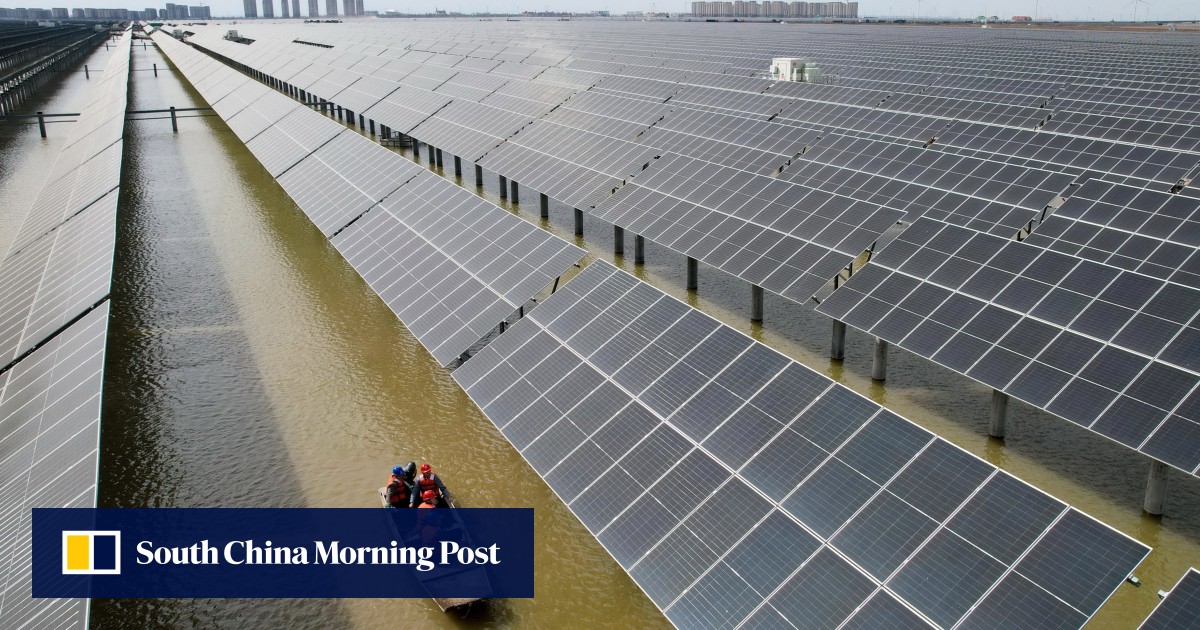
The document targets around 3.5 TW of total renewable generation capacity by 2030, including more than 2.8 TW of wind and solar.
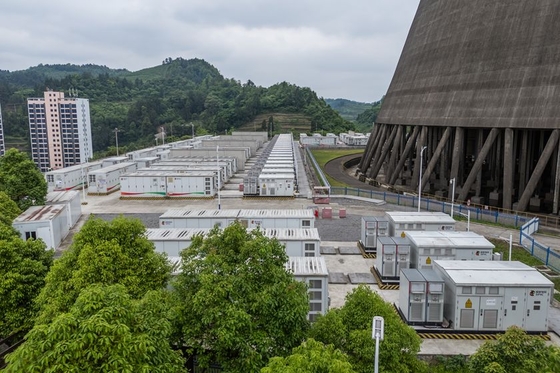
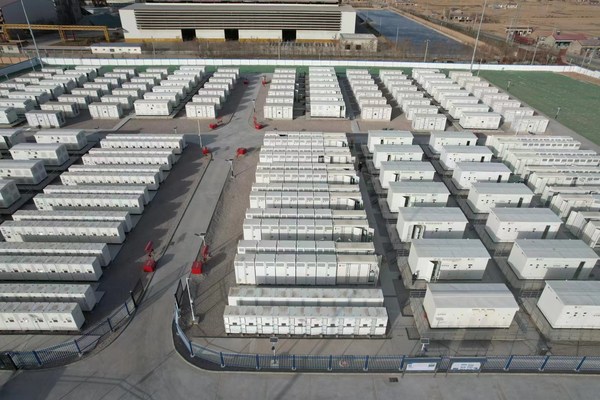
China entered the new planning period with 136 GW/351 GWh of operational new energy storage at the end of 2025, up 84% in one year and more than 40-fold from the end of 2020. Average storage duration reached 2.58 hours. New energy storage capacity was also more than twice the country’s 66 GW of pumped hydro capacity.
The expansion has been accompanied by structural changes. Independent storage accounted for 51.2% of cumulative capacity at the end of 2025, while projects lasting four hours or longer represented 27.6%. Lithium-ion systems still dominated, with a 96.1% share. National average equivalent utilization increased to 1,195 hours, nearly 300 hours more than in 2024.