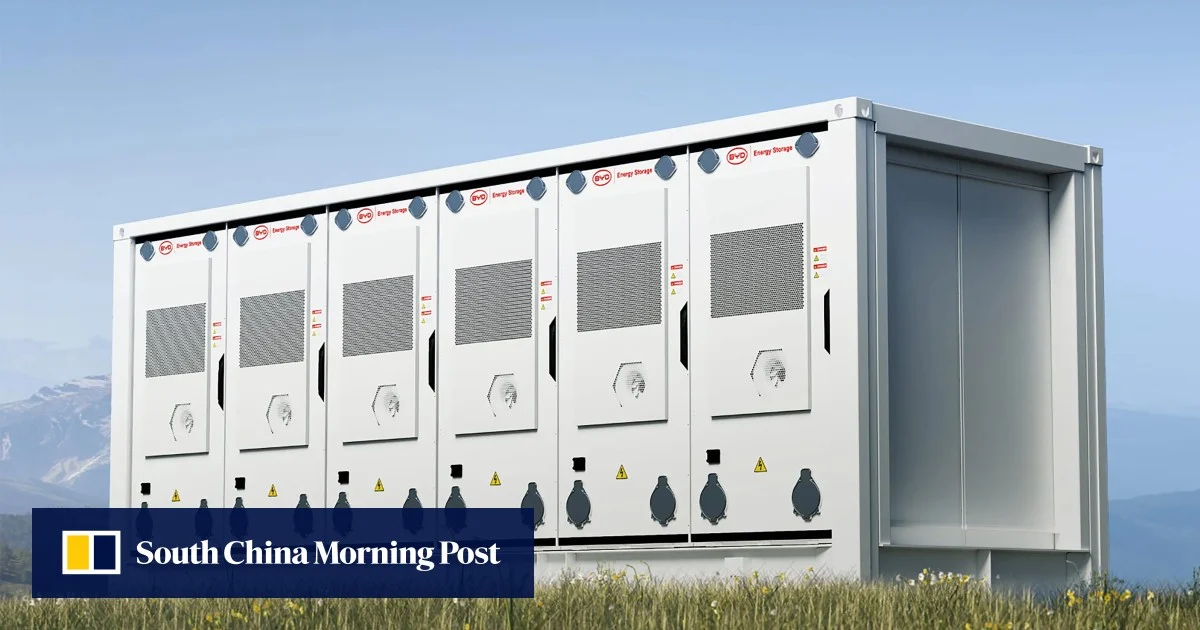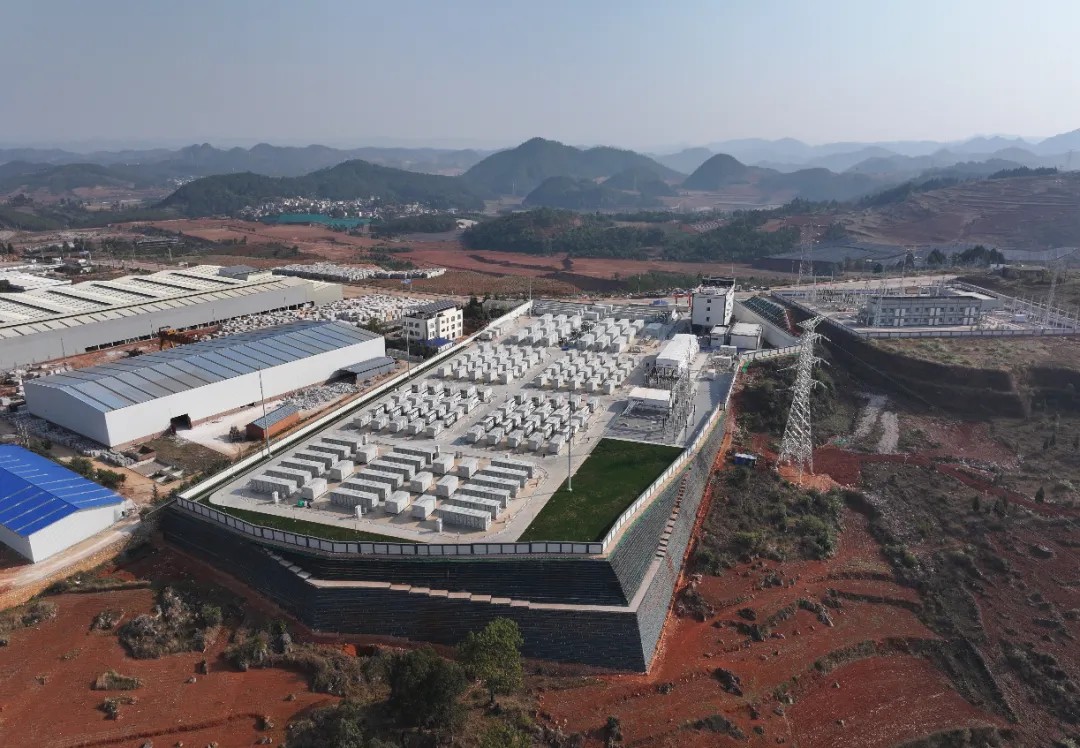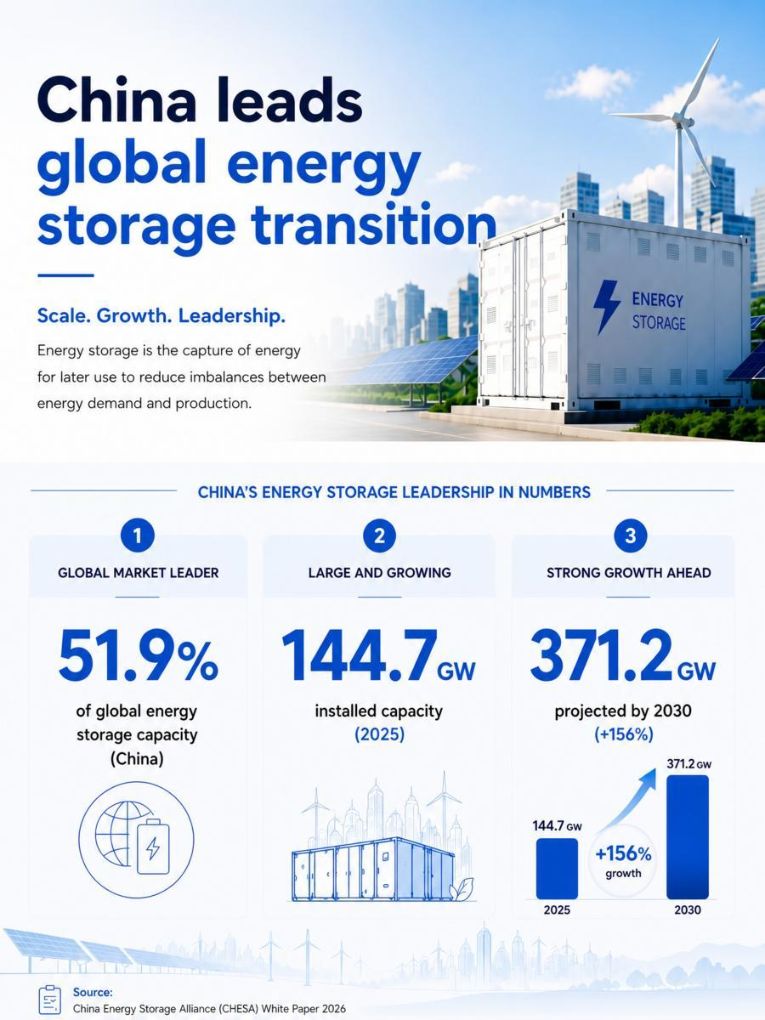
On a sunny morning in late May, a massive laboratory designed to create extreme conditions – from melting heat to bone-cracking cold, howling sandstorms, corrosive ocean spray and even fire – officially opened in the coastal city of Xiamen, in eastern China’s Fujian province.Equivalent in size to 14 football pitches, the 3 billion yuan (US$444 million) facility will throw everything it has at battery-based energy-storage systems built by Chinese manufacturers, testing the equipment’s mettle before installation into the country’s electrical grid, where it will play a crucial role.“Amid a profound transition into greener energy, energy storage is set to become the balancer and stabiliser upon which the new power system relies,” said Lu Jiazheng, director of the disaster prevention and reduction centre at a subsidiary of state-owned utility State Grid, at the inauguration ceremony for the Xiamen Energy Storage Validation Research Institute, known as the ESVL. “China’s experience will ultimately provide the world with a model that serves as a valuable benchmark.”Lu’s comments reflect Beijing’s ambition to accelerate commercialisation of battery-based grid-storage technology, known in the industry as battery energy-storage systems (BESS). Although built and operated by global electric vehicle (EV) battery leader Contemporary Amperex Technology Ltd (CATL), the ESVL will test equipment from all comers. Its opening is thus seen as a milestone in line with China’s vow – in its five-year strategic plan for 2026–2030 – to improve energy security.The Xiamen Energy Storage Validation Research Institute has facilities to test battery systems under a wide range of extreme conditions. Photo: HandoutThe plan lists “new energy storage” as a key pillar of the goal; a grid increasingly reliant on intermittent energy sources such as solar and wind farms must be able to cache massive amounts of electricity and smoothly feed it back into the distribution system on demand.The ESVL was designed to help energy-storage developers shorten grid-connection cycles and fine-tune their technologies to ward off risks to grid stability, according to CATL officials. The company, which commands nearly 40 per cent of the EV battery market, said the facility was the world’s largest and most comprehensive one-stop testing and validation platform for energy-storage systems.
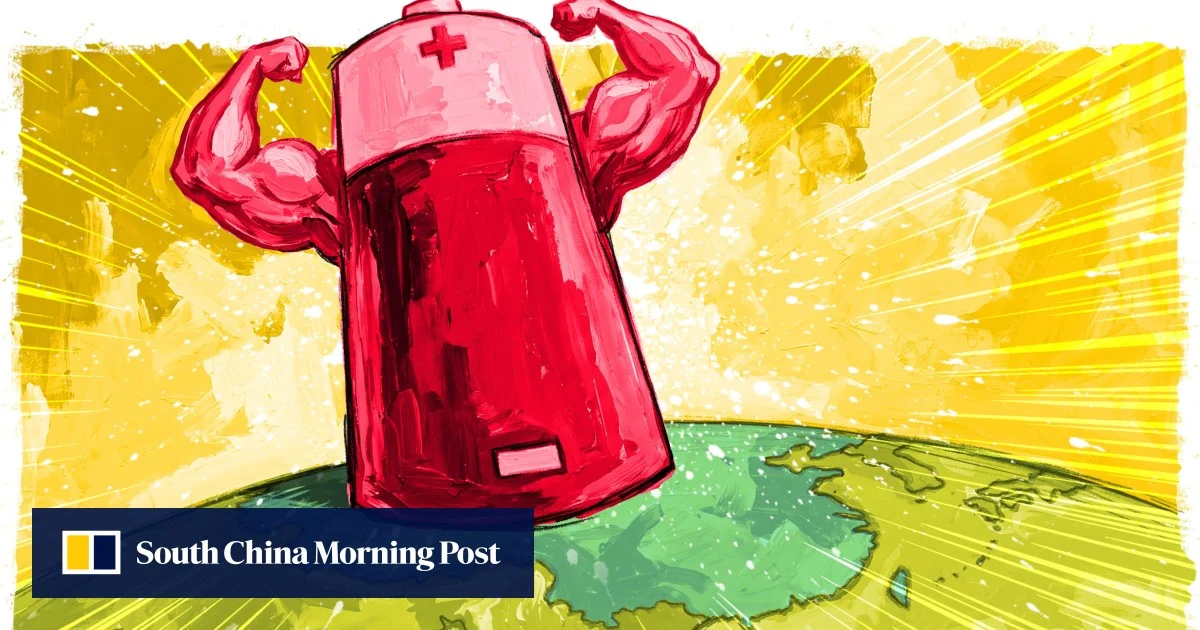
China leads charge in energy storage, powered by battery progress
Battery-based grid storage is set for 150 per cent growth in China, as Beijing prioritises energy security and firms eye global markets.
TL;DRAI
China launches world's largest battery storage lab (444M$) to set grid-scale standards, consolidating CATL's infrastructure dominance. CTO risk: renewable energy grids now concentrate dependency on Chinese manufacturers, raising critical supply-chain geopolitical exposure.
355 words~2 min read