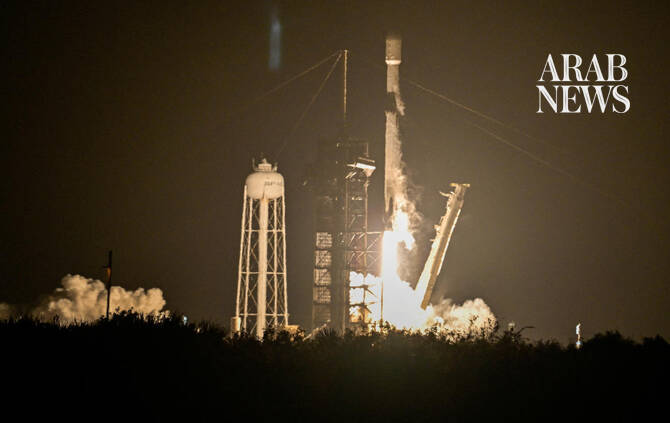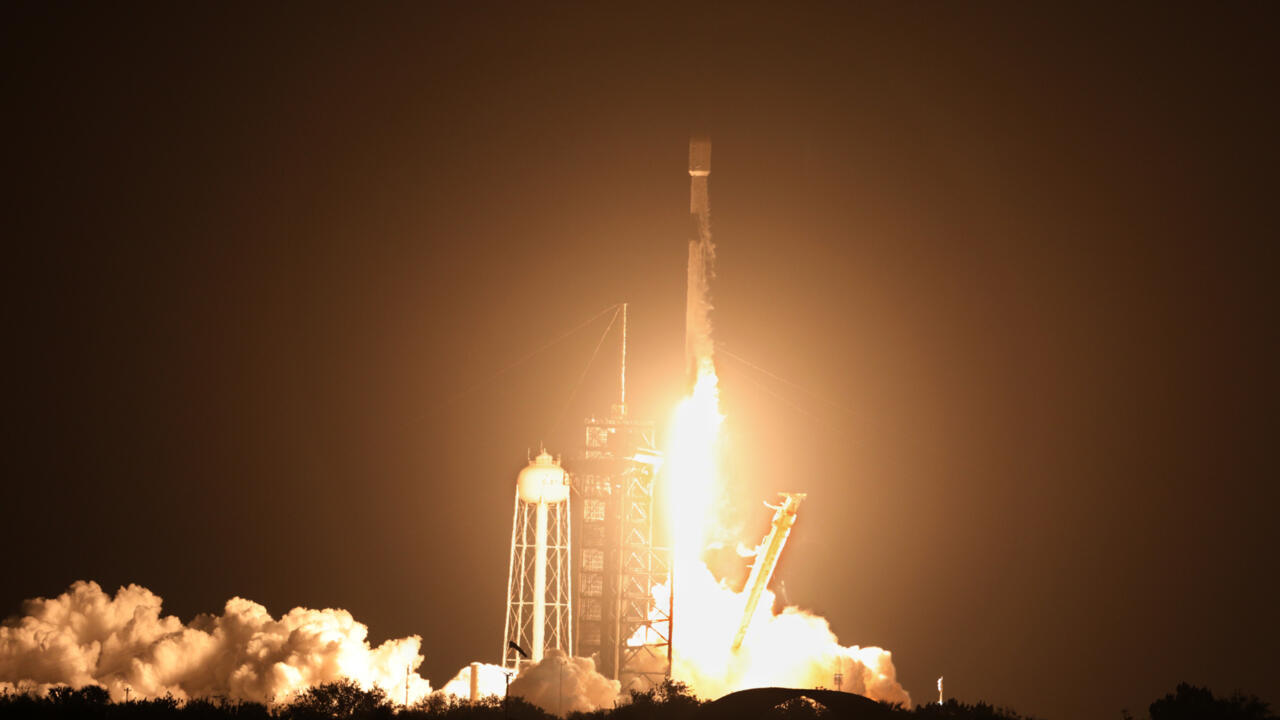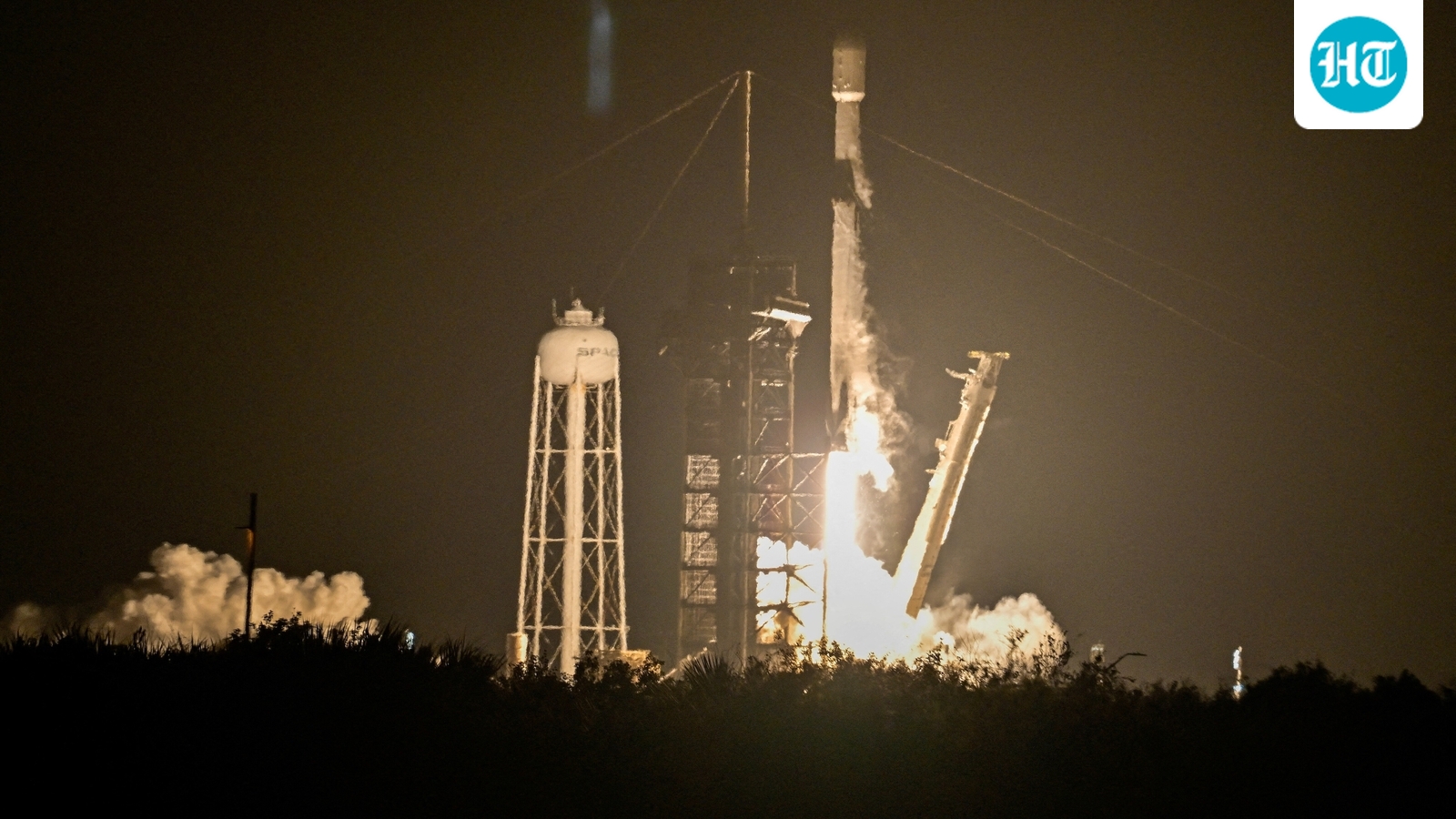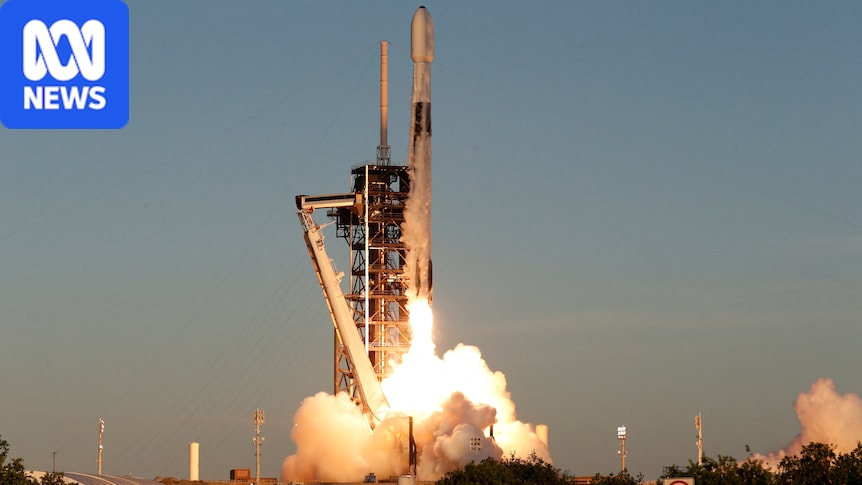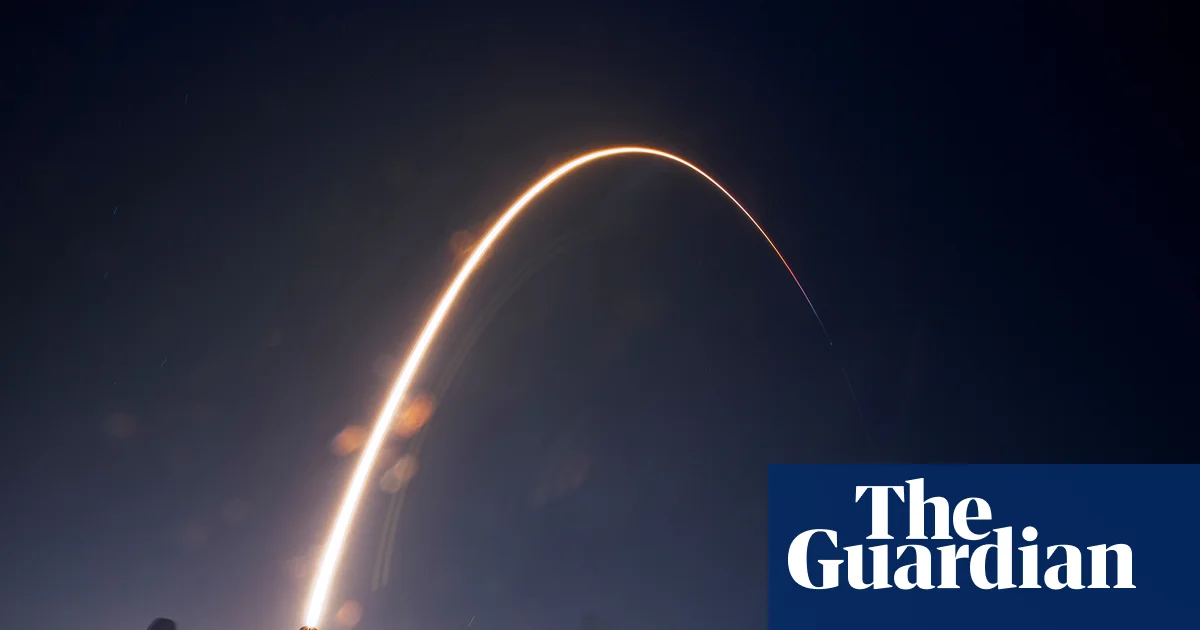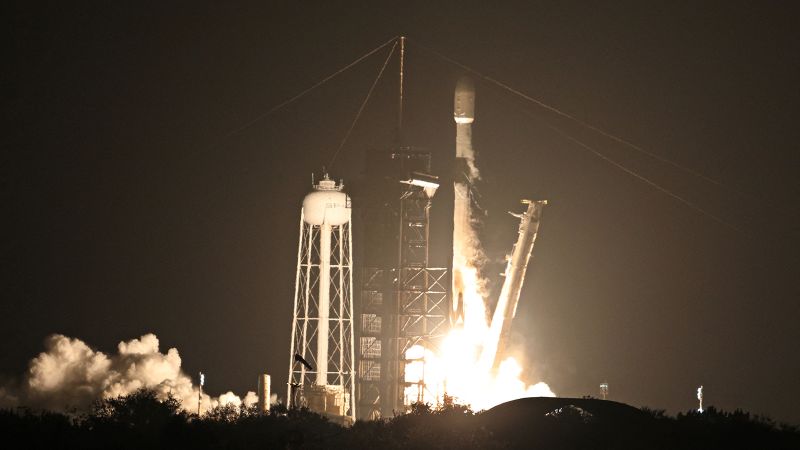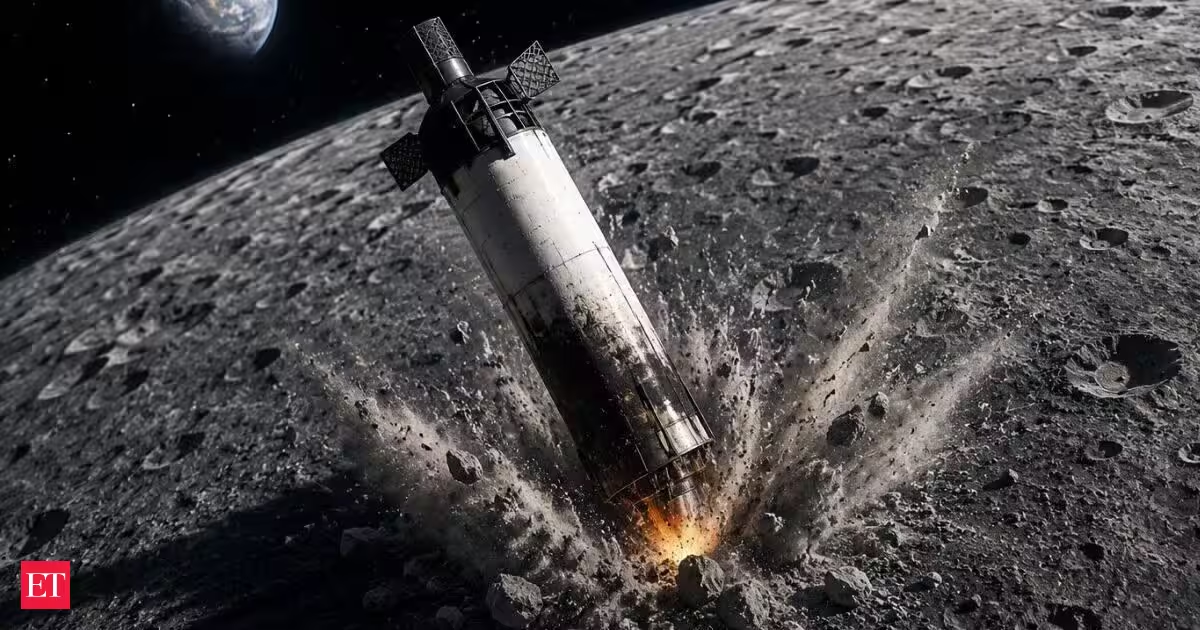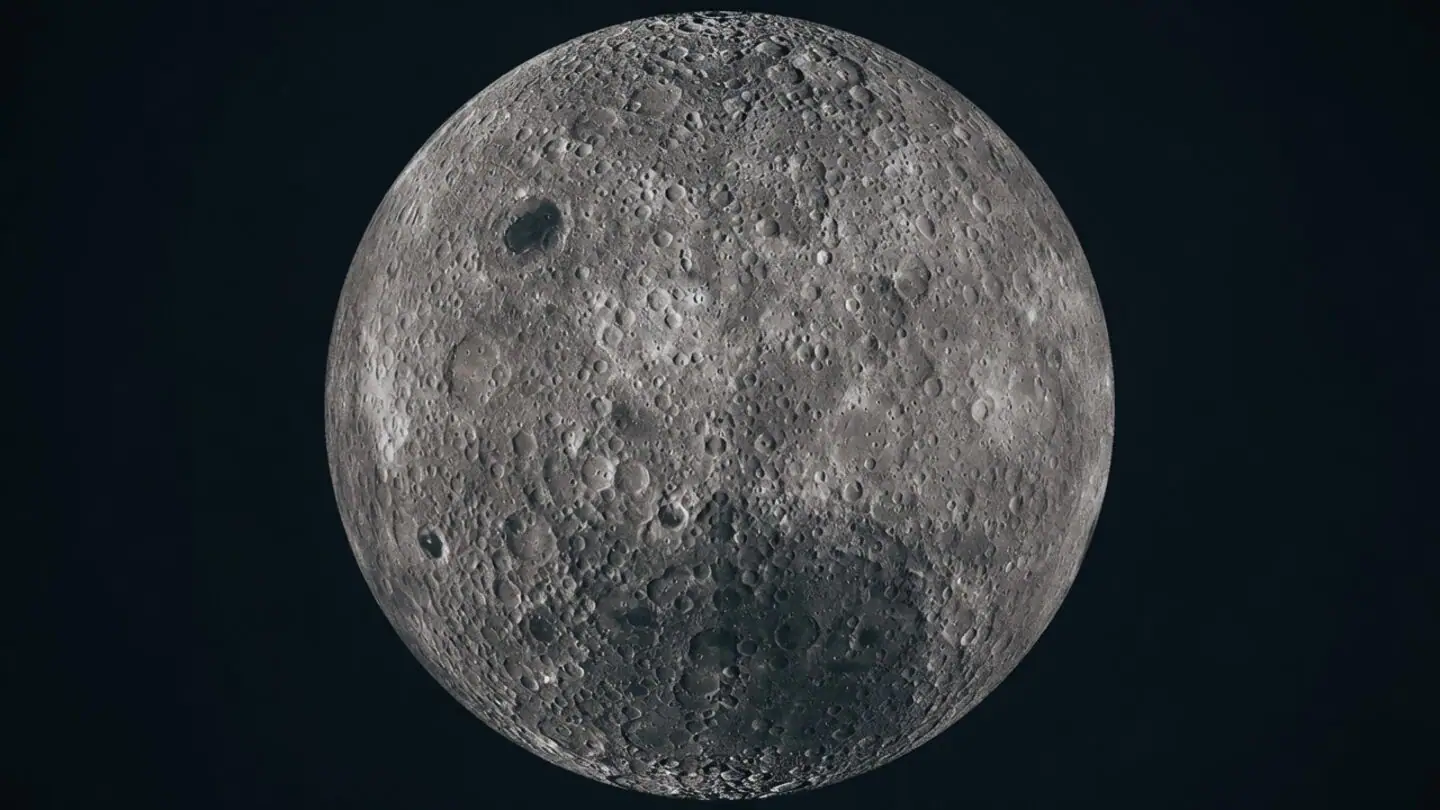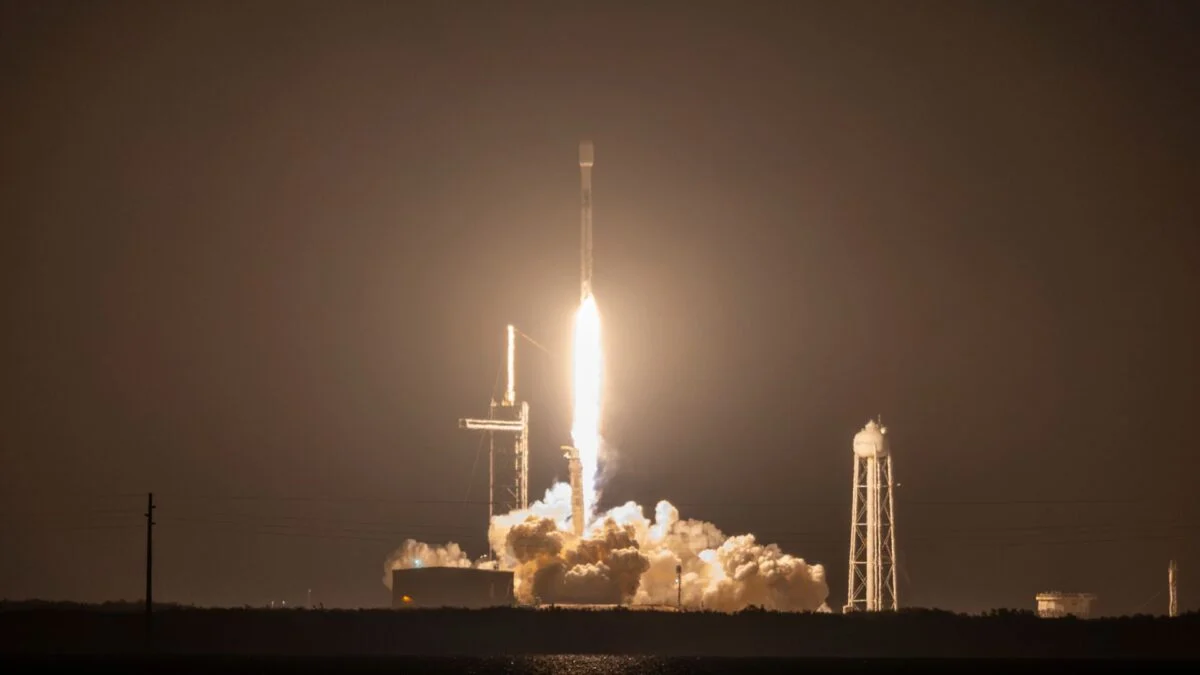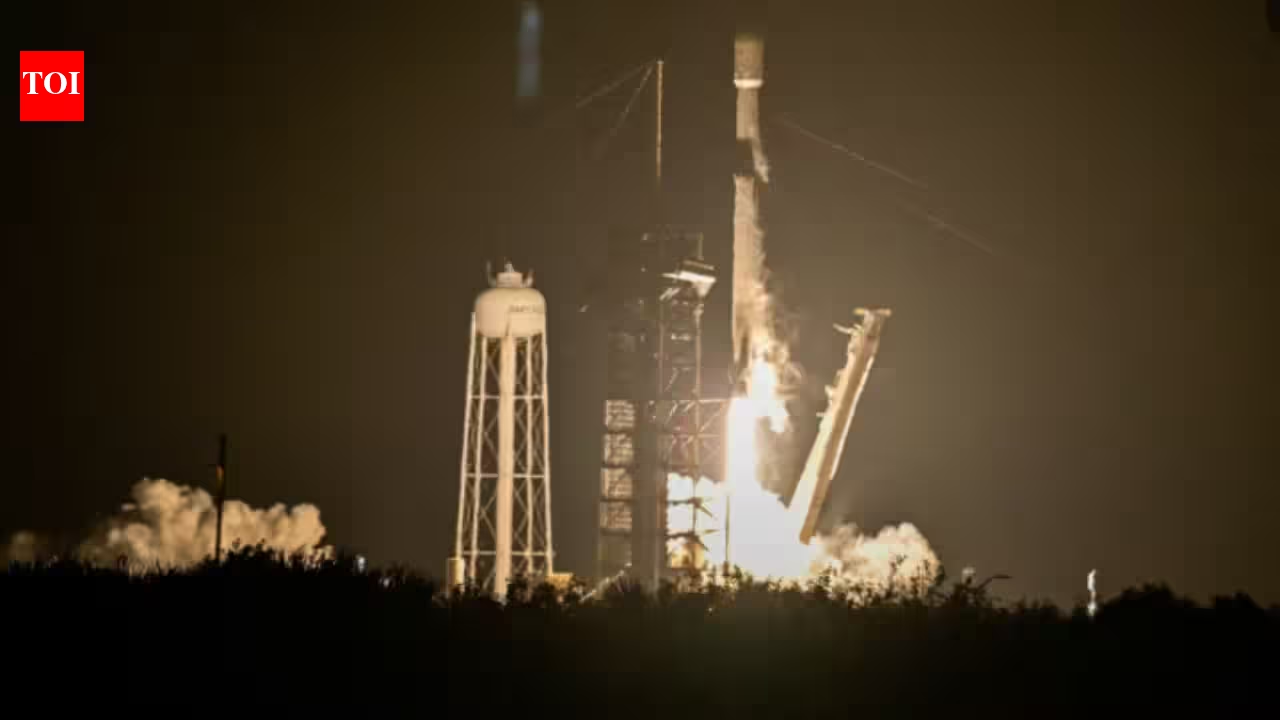
A SpaceX Falcon 9 rocket lifts off from Launch Complex 39A at NASA's Kennedy Space Center. (Source: Reuters)A SpaceX Falcon 9 rocket's upper stage is expected to unintentionally crash into the Moon on Wednesday, creating a new lunar crater in an impact that scientists say poses no risk to Earth but could provide valuable scientific data.The upper stage is expected to strike the Moon's northern hemisphere near the Einstein Crater at around 2:35 am Eastern (0635 GMT), travelling at nearly 5,400 mph (8,690 kmph). Scientists hope to observe a plume of dust and debris generated by the impact, which could be visible through telescopes."It might be possible for folks with a telescope to observe the plume of ejecta created by the impact," said Benjamin Fernando of Los Alamos National Laboratory in New Mexico, the lead author of a recent paper on the event."It is unclear how bright it will be, which is one of the reasons why we are looking to study this event," the researcher told AFP.Nasa said the impact poses no threat to Earth."There is no danger to Earth," Nasa spokesperson Jimi Russell said in a statement."Nasa will continue to track the booster for training purposes, as well as later observe the impact site for scientific purposes."The Falcon 9 rocket was launched in January carrying two lunar landers. While the first-stage booster returned to Earth as planned, the upper stage remained in space to propel the landers toward the Moon.SpaceX said the upper stage had originally been manoeuvred into a safe trajectory after completing its mission, but changing space conditions altered its course."Generally, for such 'high-energy missions,' SpaceX performs a maneuver to make sure the second stage 'is safe per the appropriate rules and regulations,'" said Julianna Scheiman, director of Nasa Science and Dragon Programs at SpaceX, during a news conference on Monday."We did that," she continued, but "what has happened is essentially a mixture of solar activity and gravity forces have put it on a path towards the Moon."Scheiman added, "I also am very excited to see the observation."Researchers estimate the upper stage weighs about 8,800 pounds (4,000 kilograms), assuming all of its propellant has been exhausted.Scientists say the collision offers a rare chance to study the effects of impacts on the lunar surface. The research team encouraged both professional and amateur astronomers to observe or record the event."This event provides an opportunity to test a pipeline for localizing impacts on the lunar surface for future seismic experiments, investigating the dust and plume dynamics from impact events on the Moon, and considering hazards from artificial space debris impacts," the researchers wrote.The Moon is routinely struck by meteoroids, but impacts involving human-made space debris are relatively uncommon. During the Apollo programme in the 1970s, Nasa intentionally crashed spacecraft components into the Moon to gather seismic data.
SpaceX Falcon 9 upper stage set to crash into Moon, create new lunar crater
A SpaceX Falcon 9 rocket's upper stage is expected to unintentionally crash into the Moon on Wednesday, creating a new lunar crater in an impact that scientists say poses no risk to Earth but could provide valuable scientific data.
468 words~2 min read