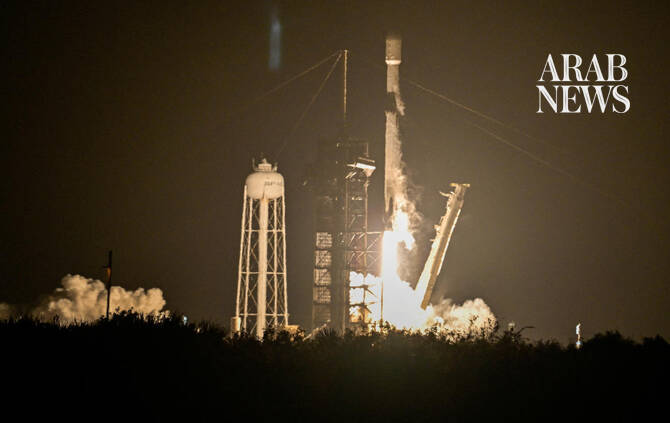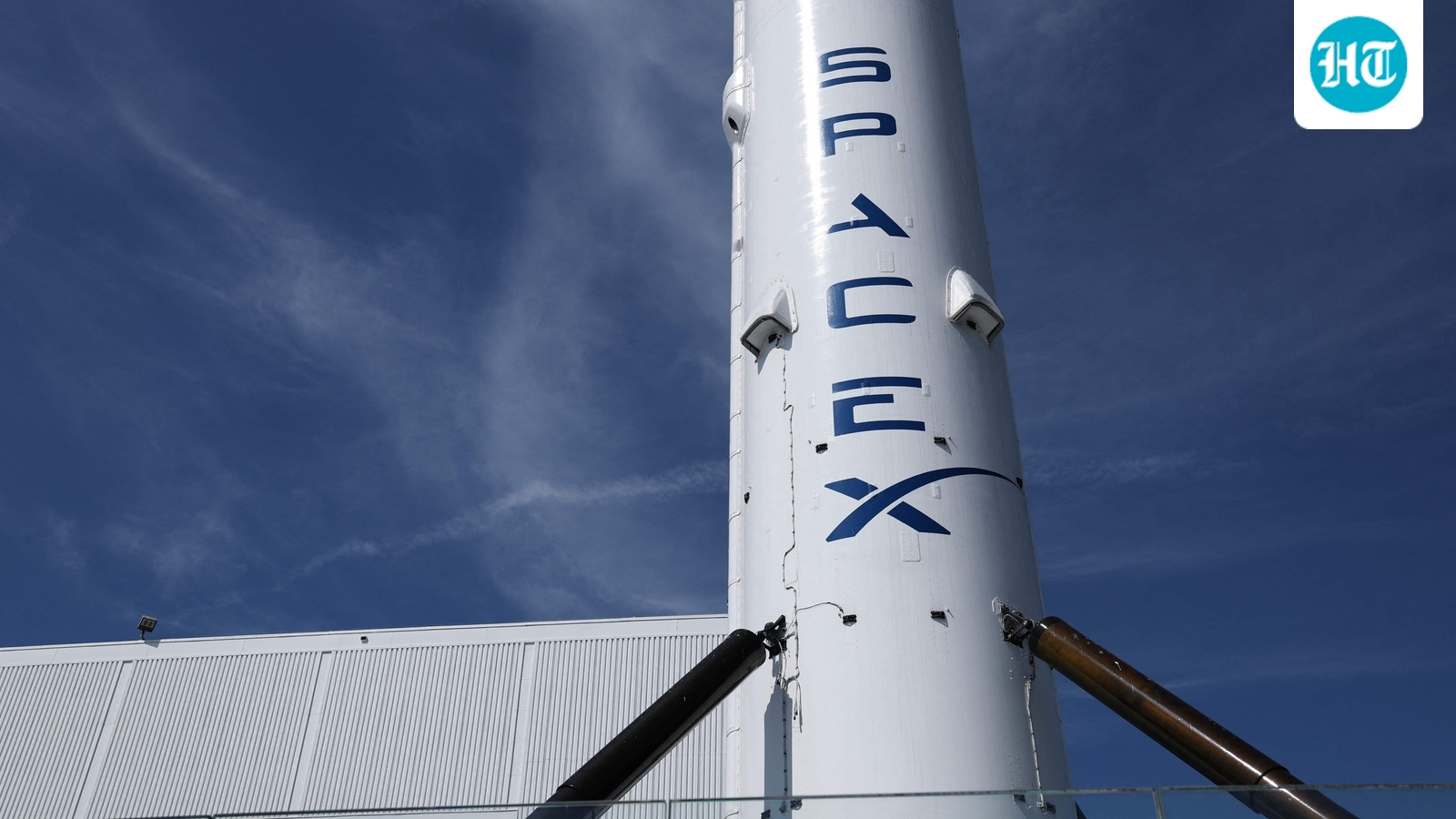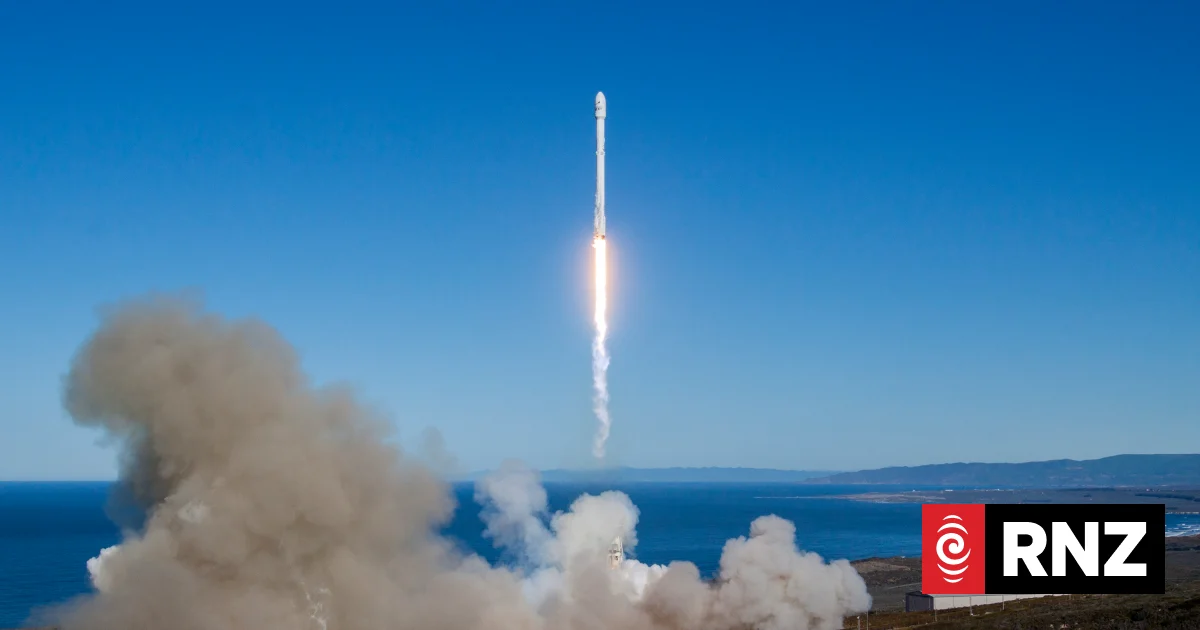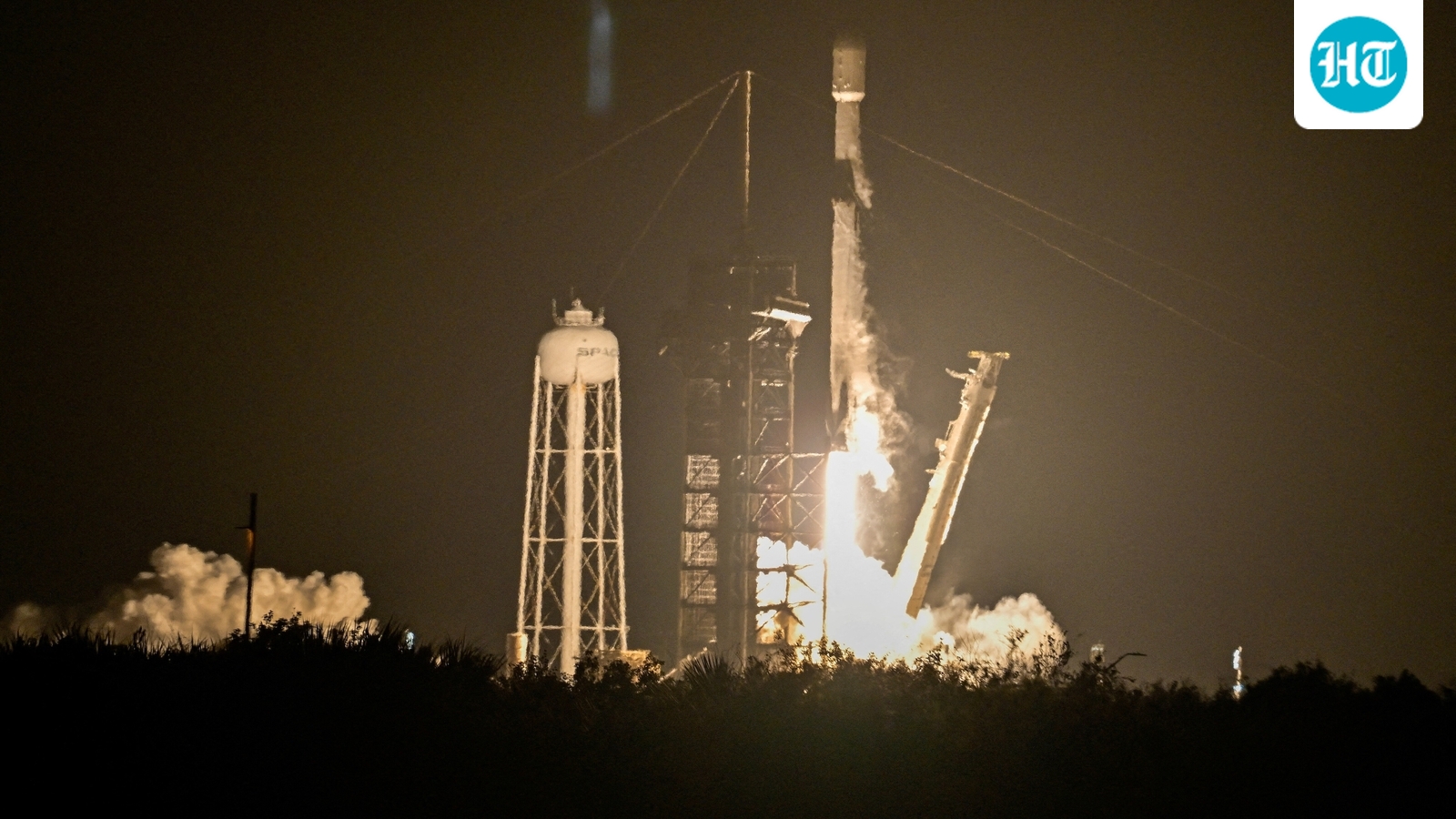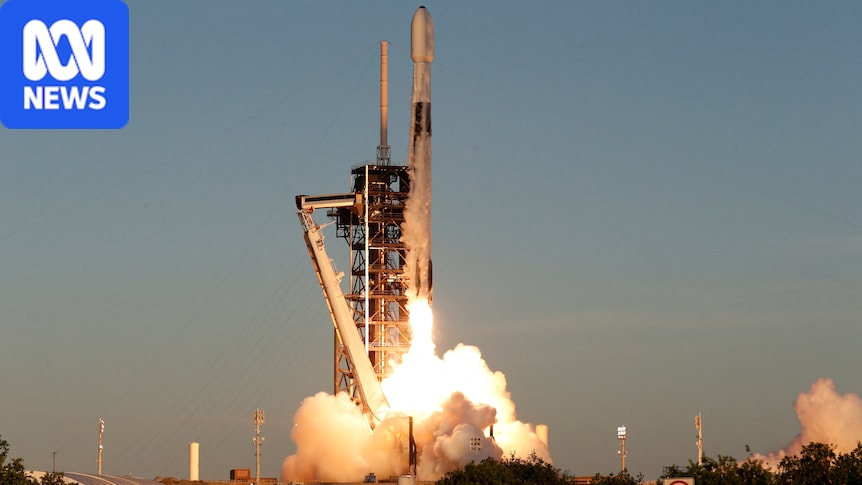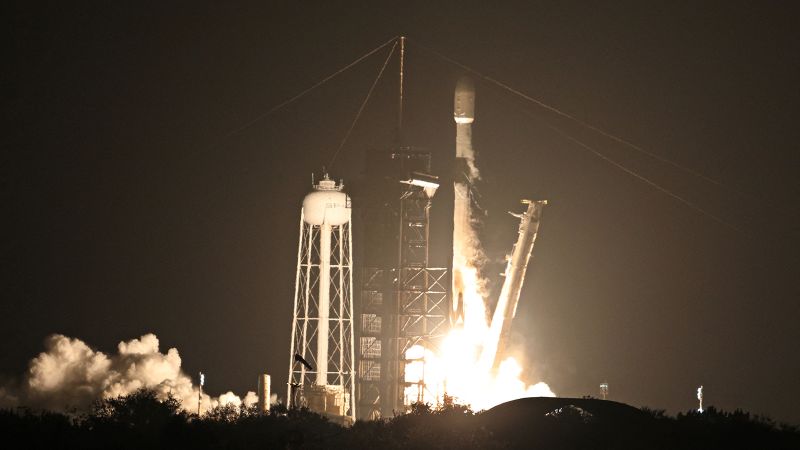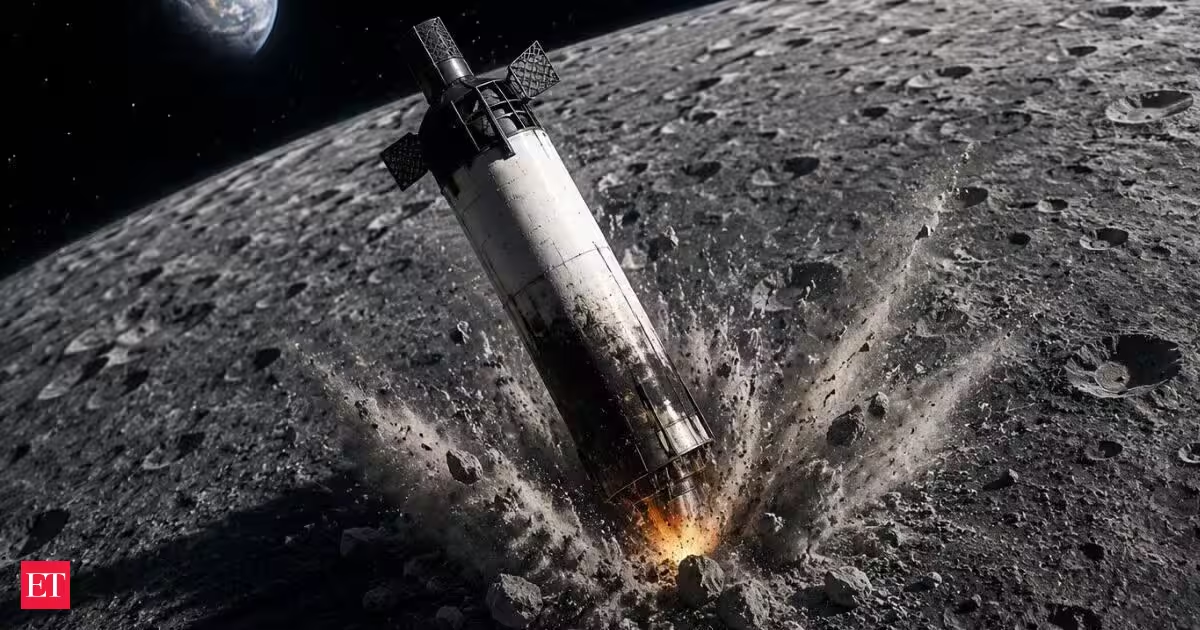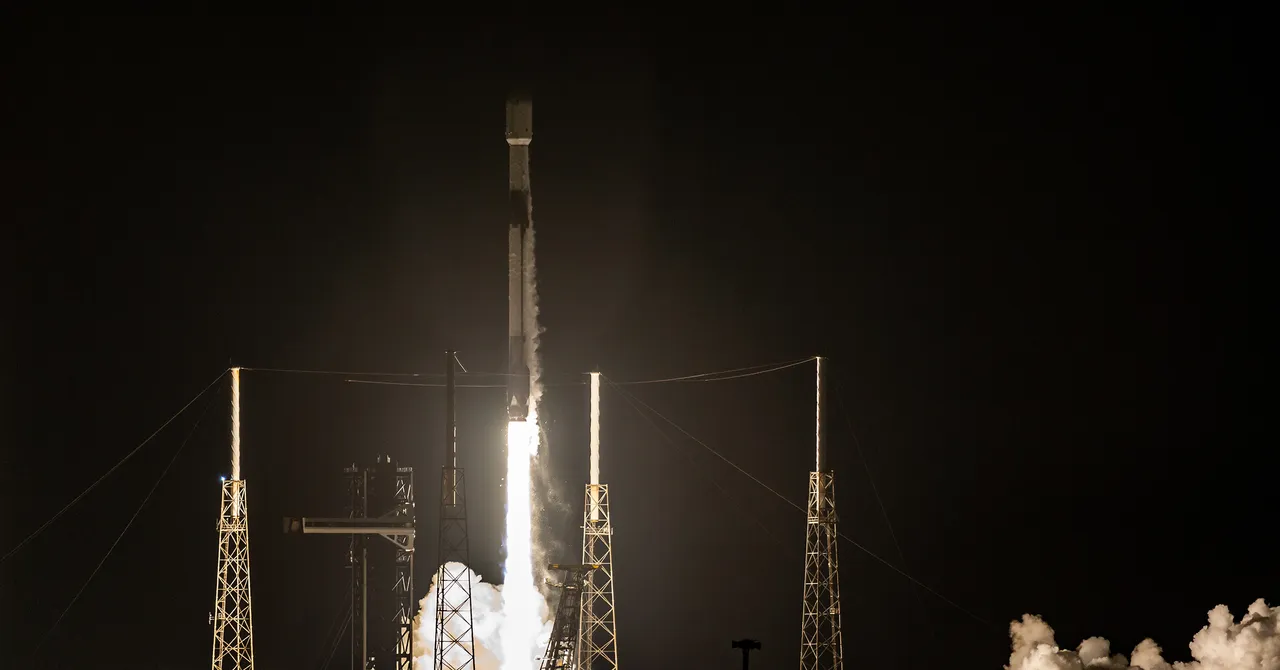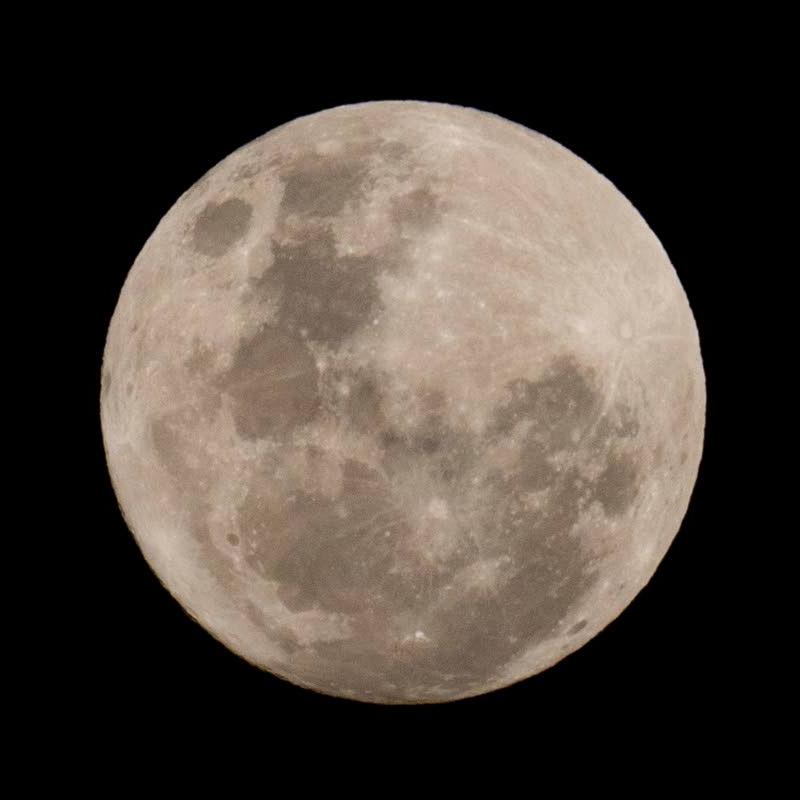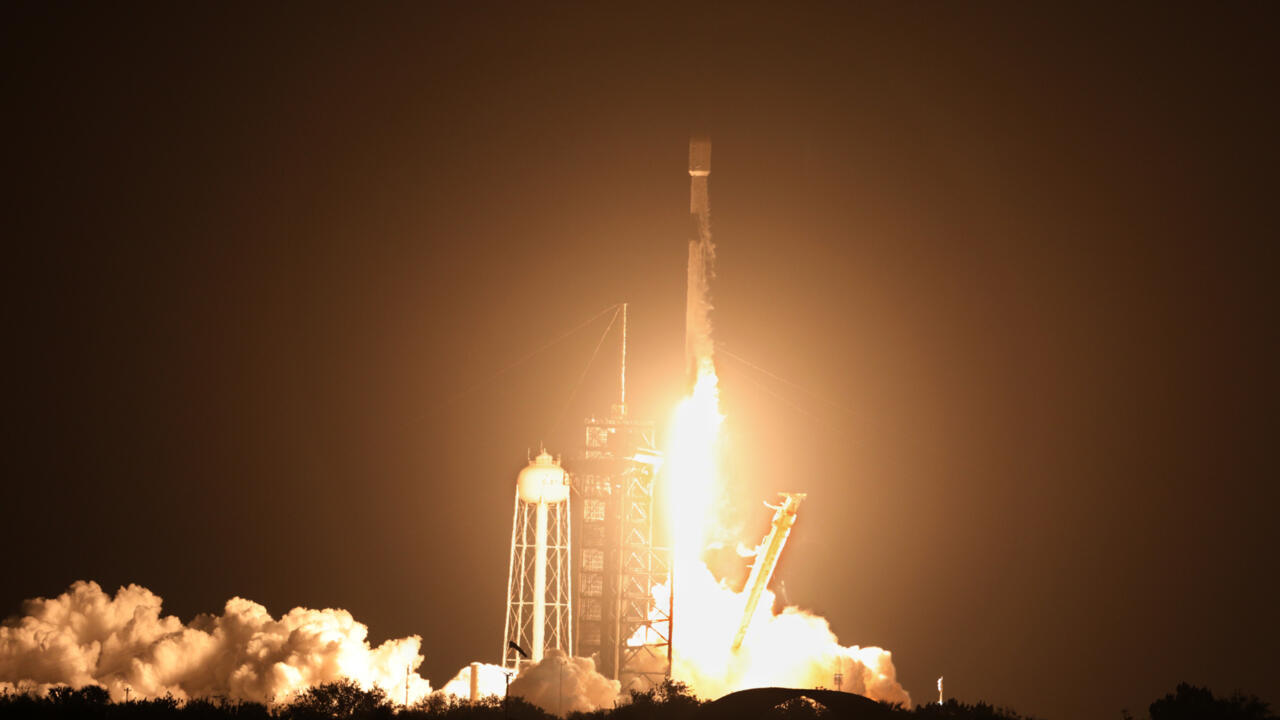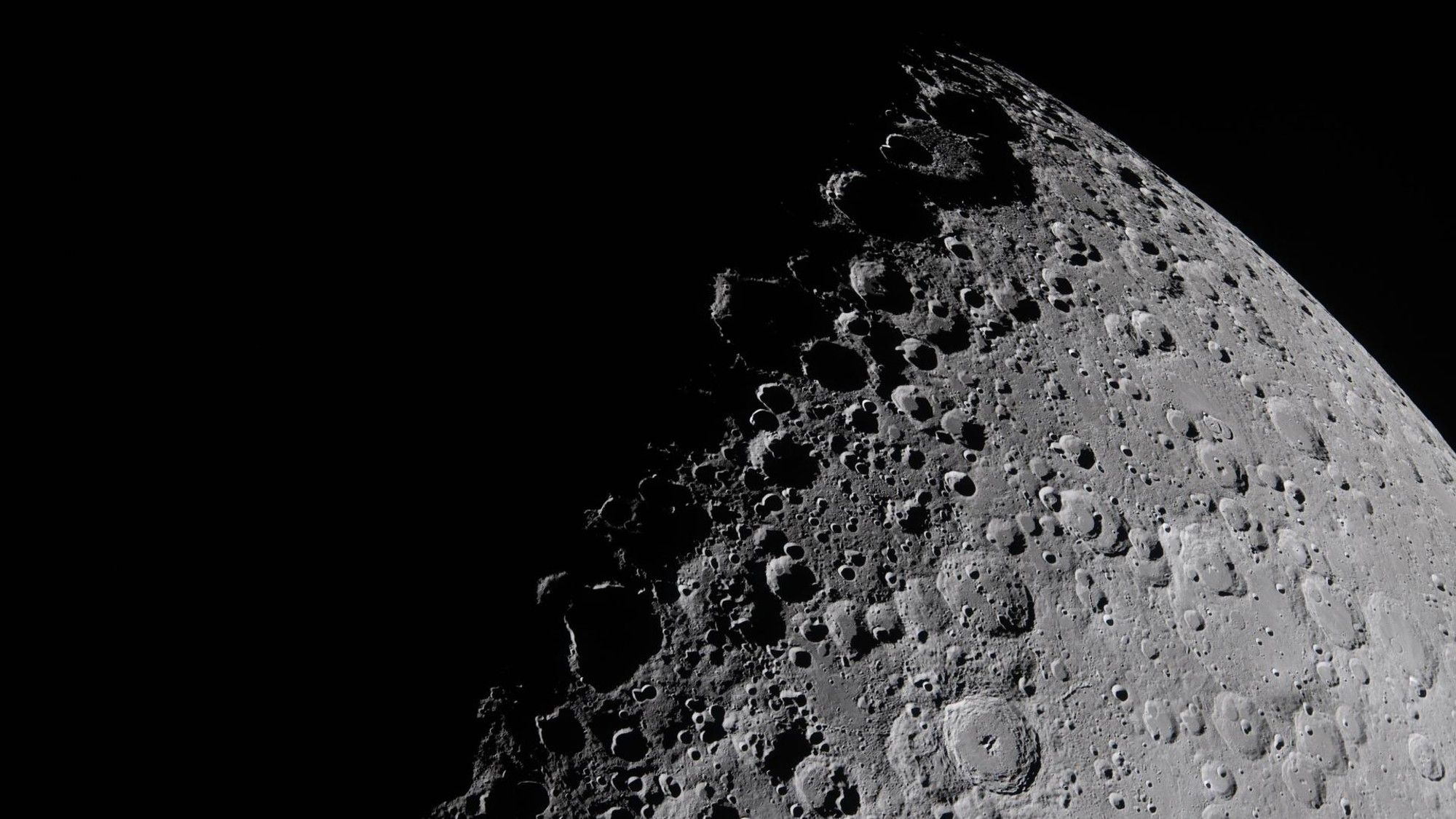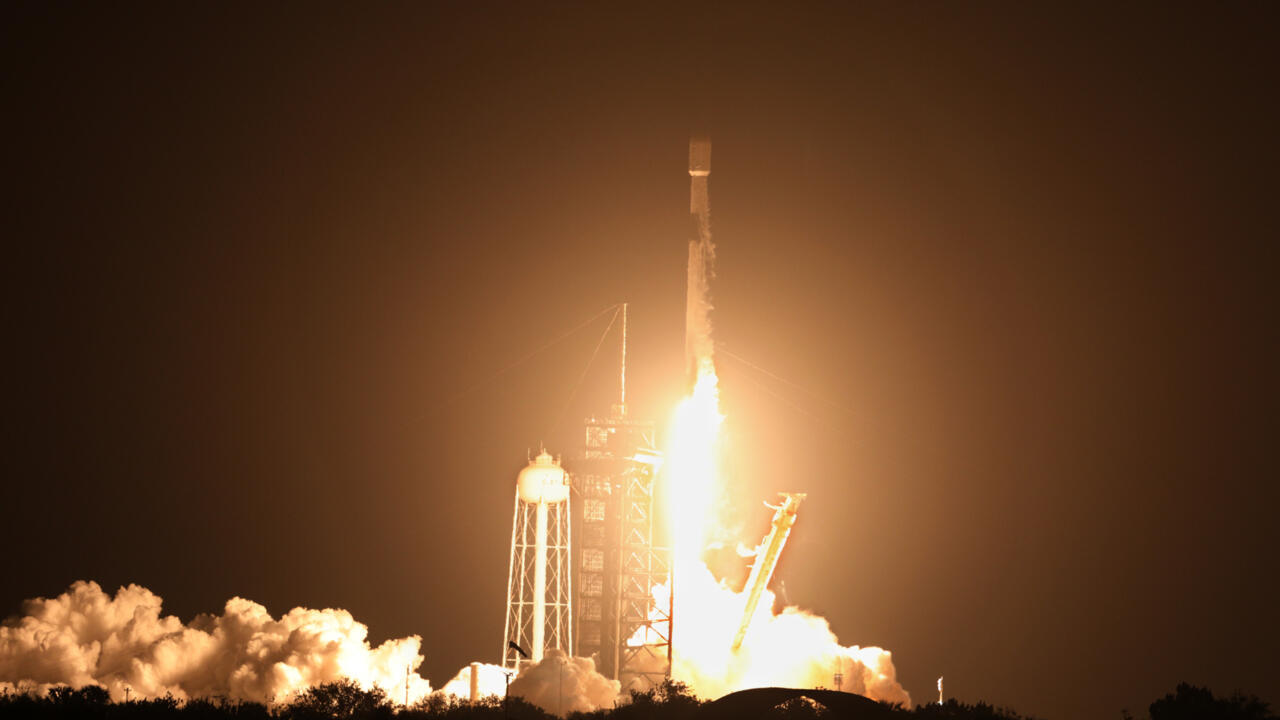
Scientists and amateur stargazers alike are looking forward to observing the sunlit plume of rubble and debris that is expected after the Falcon 9 upper stage strikes the lunar surface at approximately 2:35am Eastern (0635 GMT.) "It might be possible for folks with a telescope to observe the plume of ejecta created by the impact," said Benjamin Fernando of Los Alamos National Laboratory in New Mexico, the lead author on a recent paper on the anticipated impact. "It is unclear how bright it will be, which is one of the reasons why we are looking to study this event," the researcher told AFP. Assuming all of the propellant is spent, authors of the paper estimate the spacecraft weighs approximately 8,800 pounds (4,000 kilograms). Read moreFrozen SpaceX rocket fuel makes stunning swirl in European sky It is expected to slam into the Moon's northern hemisphere near the Einstein Crater, at some 5,400 miles per hour (8,690 kilometres per hour). "There is no danger to Earth," said NASA spokesperson Jimi Russell in a statement. "NASA will continue to track the booster for training purposes, as well as later observe the impact site for scientific purposes." The Falcon 9 rocket took off last January, carrying two lunar landers. The booster returned to Earth, but the upper stage stayed in space to push the landers onward. Generally, for such "high-energy missions", SpaceX performs a maneuver to make sure the second stage "is safe per the appropriate rules and regulations", said Julianna Scheiman, director of NASA Science and Dragon Programs at SpaceX, at a Monday news conference. Read moreSpaceX: Why Chinese investors are banned from the biggest IPO in history
SpaceX rocket segment to leave crater when it slams into the Moon
The upper stage of a SpaceX rocket will crash into the Moon on Wednesday, an unintentional collision that poses no danger to Earth but will leave behind a lunar crater. A mixture of solar activity and…
485 words~2 min read