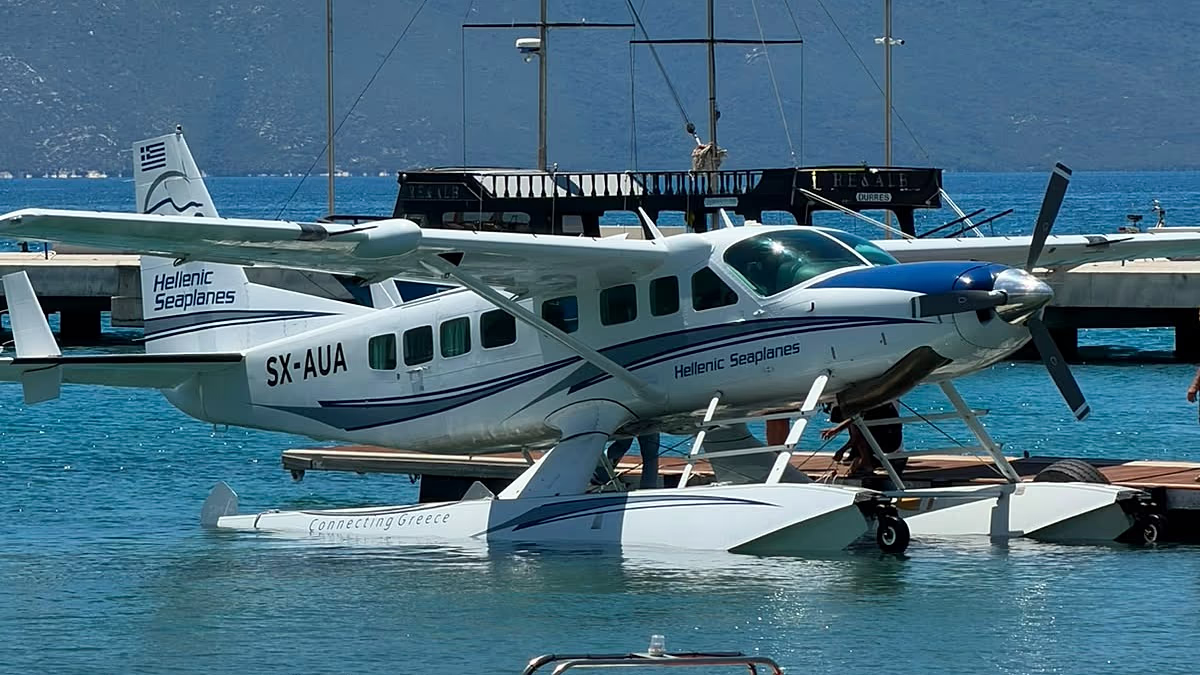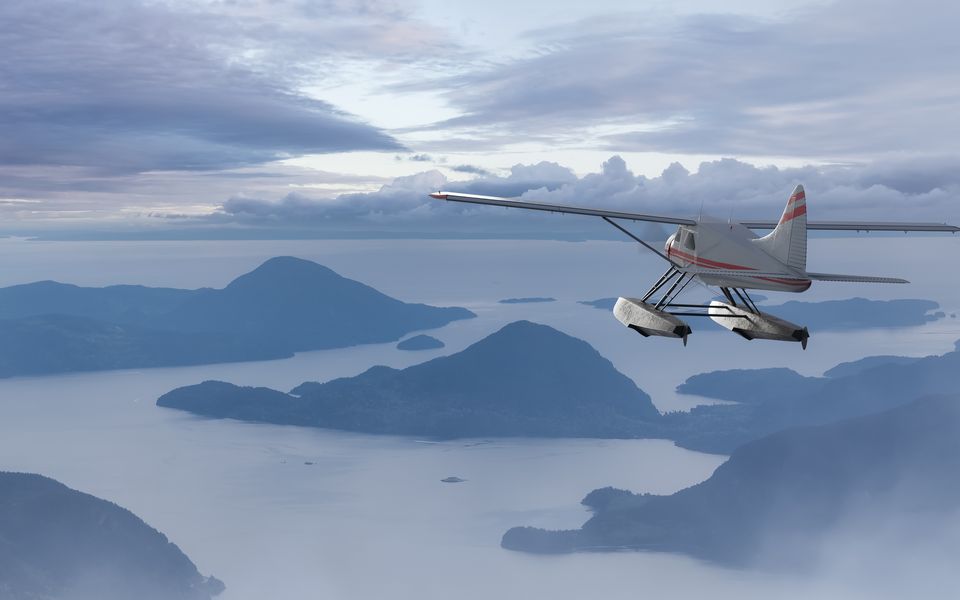
The recent completion of light amphibious aircraft test flights in the Alimos sea area, near Athens, brought back to the fore the debate on the development of an organized seaplane network in Greece.
The image of the aircraft carrying out successive sea landings next to the urban front of the capital is projected by the investment bodies as a symbol of modernization and tourism upgrading of the Athenian Riviera.
However, aviation analysts, transportation experts, shipping representatives and local government officials point out that establishing such transportation infrastructure remains a highly complex equation. International experience, strict technical data and economic parameters pose serious considerations regarding the operational priority, long-term viability and safety of flights in stressed maritime environments.
As aviation experts emphasize, the main point of confusion in the public debate concerns the real nature of the service provided. Specifications from aircraft manufacturers, such as Cessna’s for the Grand Caravan EX model used in the tests, show that carrying capacity is limited to just nine to 12 passengers, with maximum Pratt & Whitney PT6A-140 turboprop engine power.