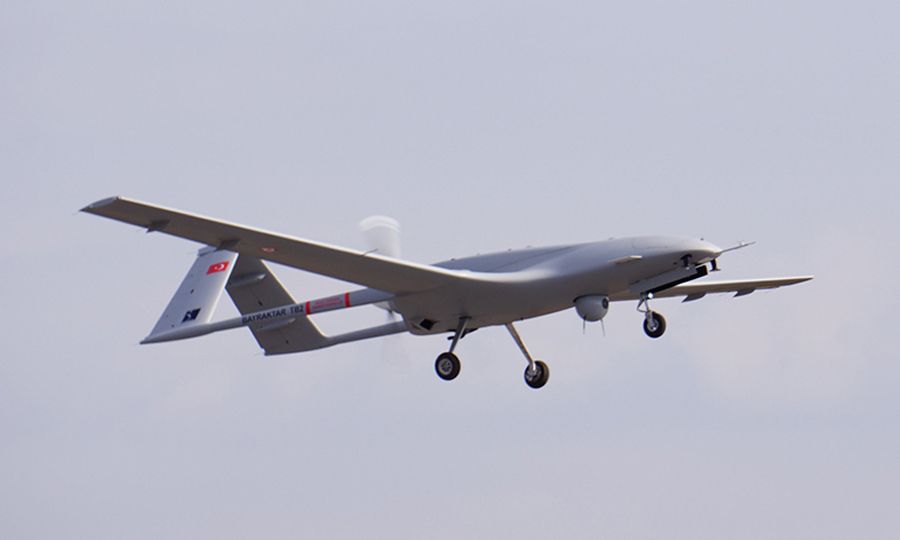
Turkey’s increasing use of unmanned aerial vehicles (UAV) to enter Greece’s National Airspace is creating a new operational and economic challenge for Athens, according to Greek officials and available flight-cost estimates.
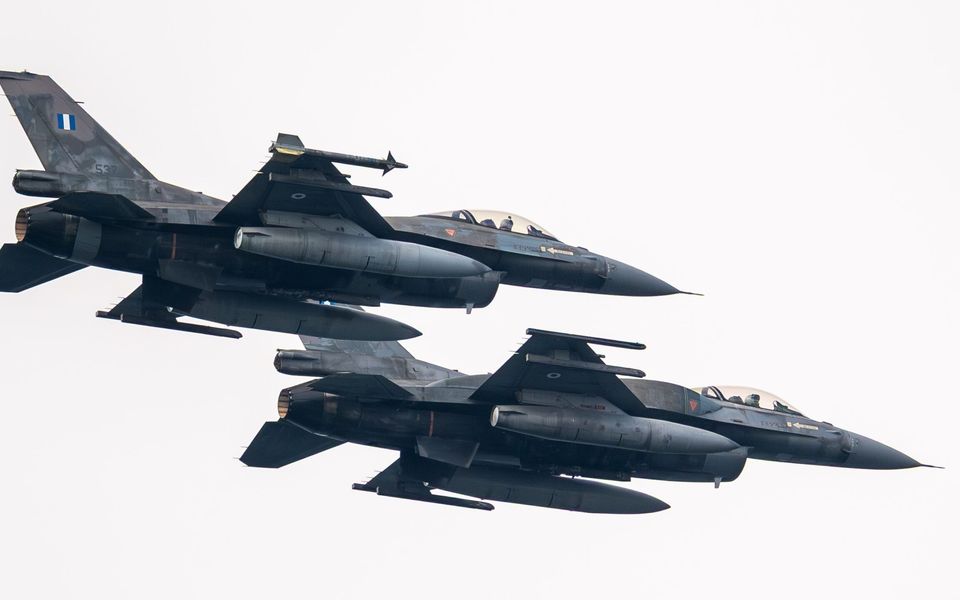
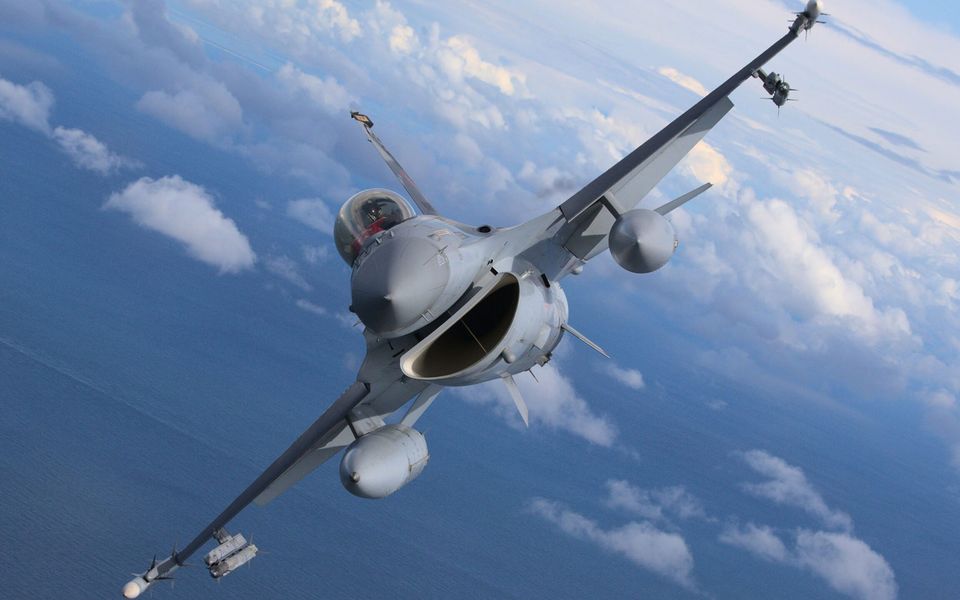
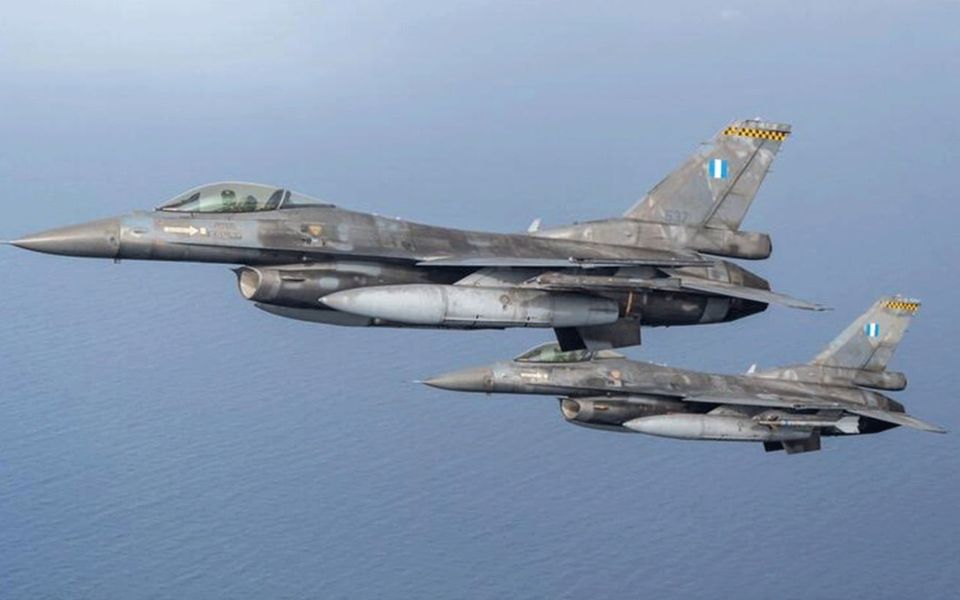
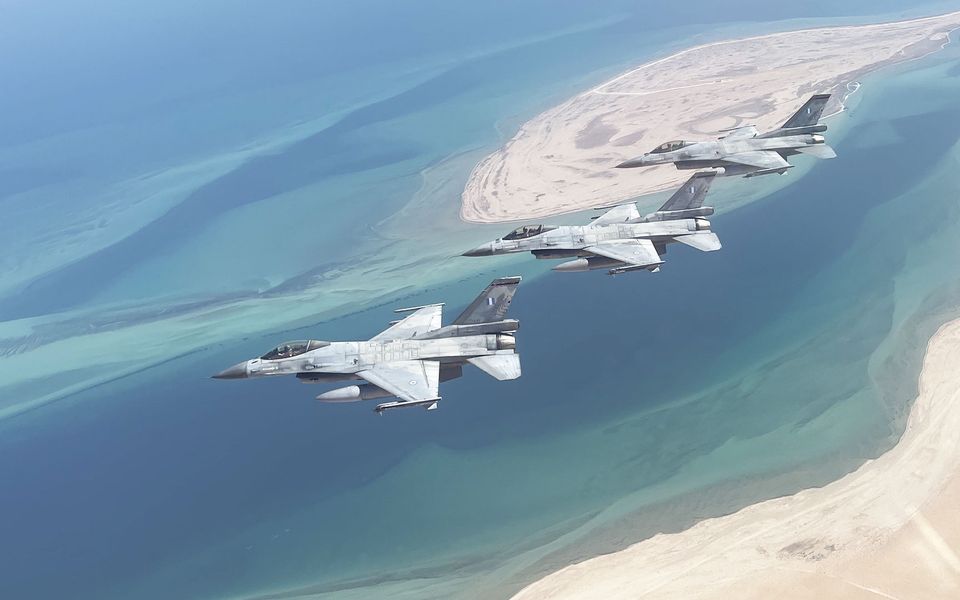
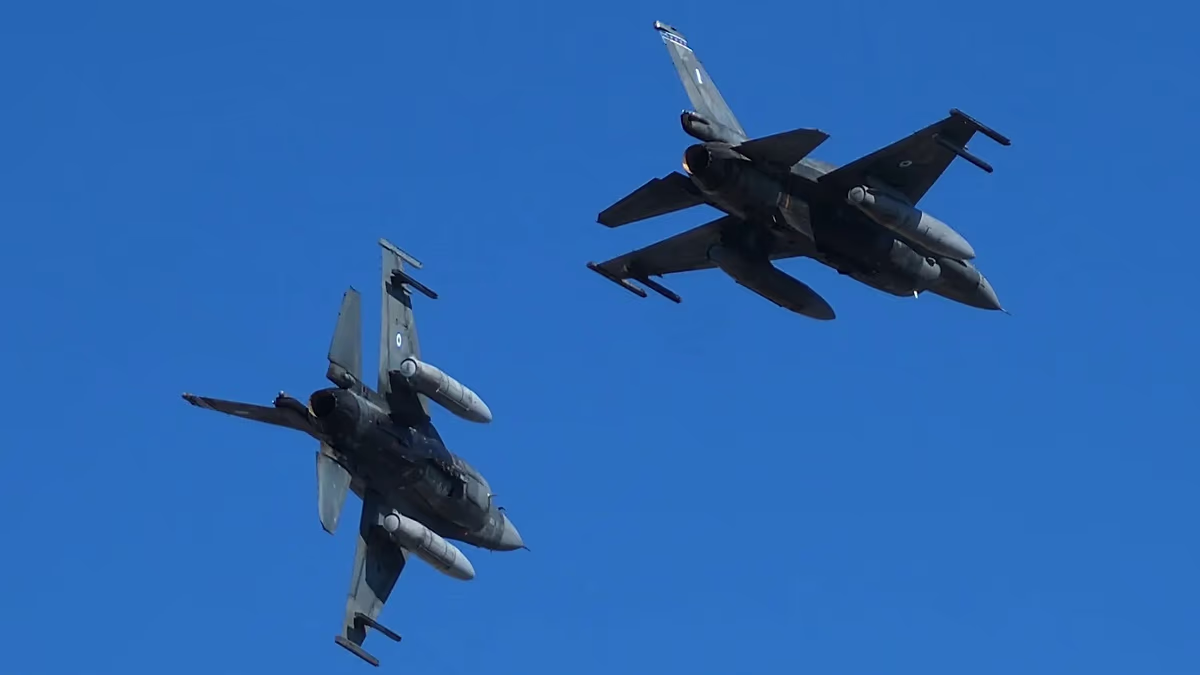
The practice reflects what Greek authorities describe as a strategy of “cheap violations with zero risk” to human life. While a Greek F-16 fighter jet scrambled for identification and interception missions is estimated to cost about €20,000 per flight hour, the operating cost of a Turkish Bayraktar UAV can be up to ten times lower.
Airspace violations by Turkish aircraft have reemerged over the Aegean Sea after a period of relative calm. Since the beginning of the year, and particularly during the past two months, Greek authorities have recorded an increase in such incidents. A notable shift is that most violations are now being carried out not by fighter aircraft but by UAVs of various types.
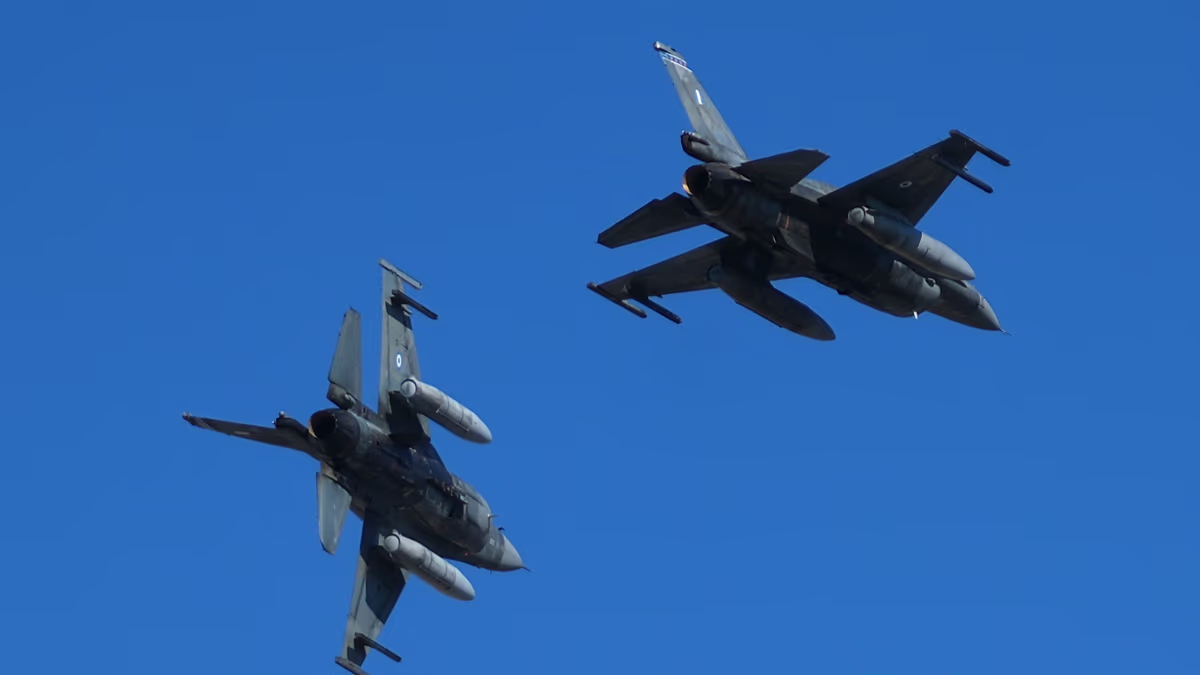
The figures illustrate the trend. After recording no Turkish airspace violations in 2024, a year marked by a complete halt in aerial activity, Greece registered 225 violations in 2025. This year, before the end of summer, authorities have already recorded 433 violations, nearly double the previous year’s total, with the trend continuing upward. Greece has also seen the return of incidents leading to mock dogfights, a phenomenon absent over the Aegean during the previous three years.