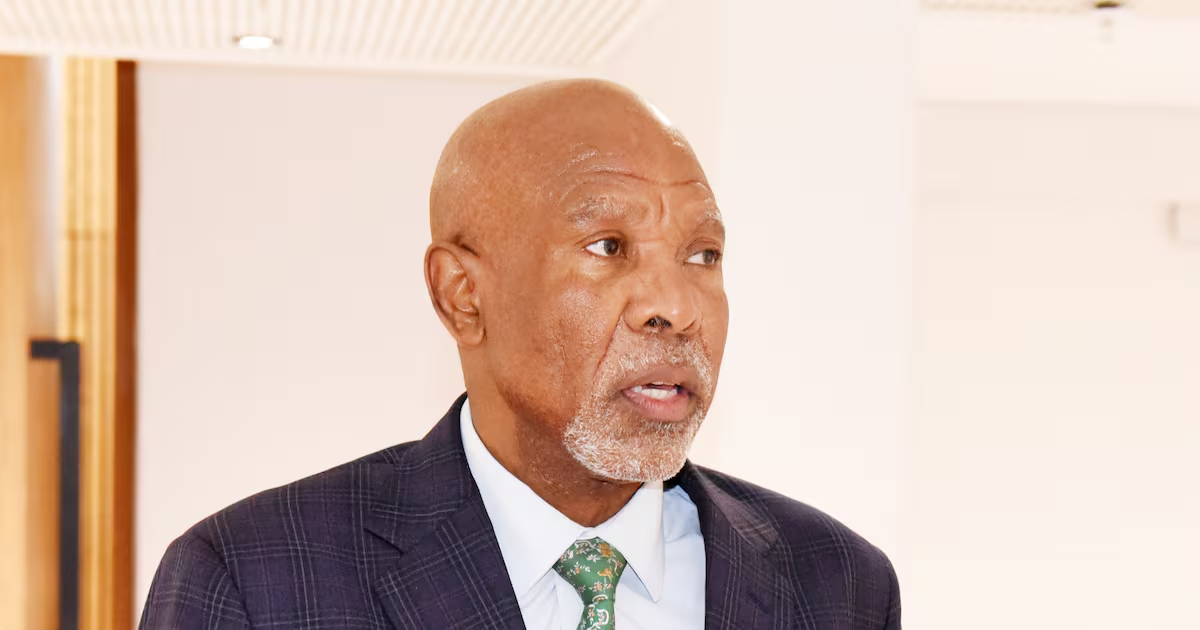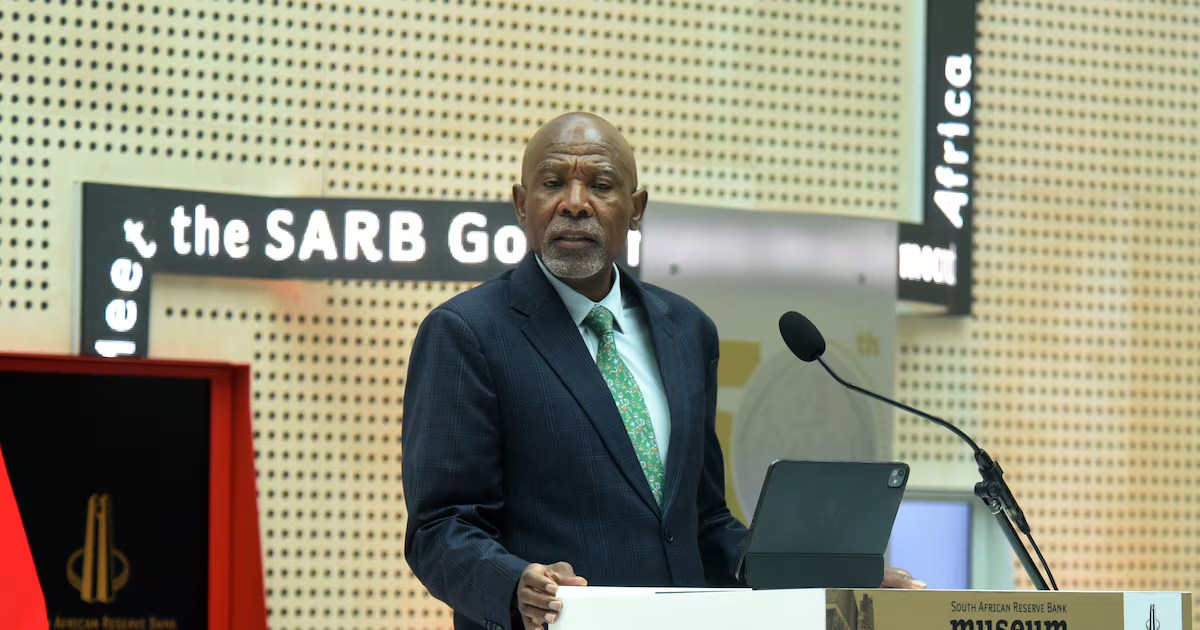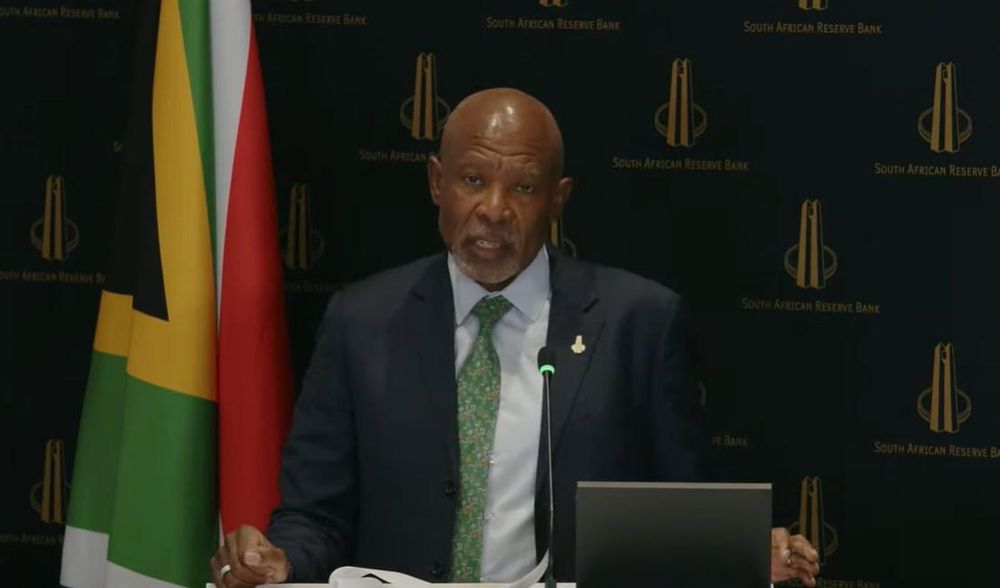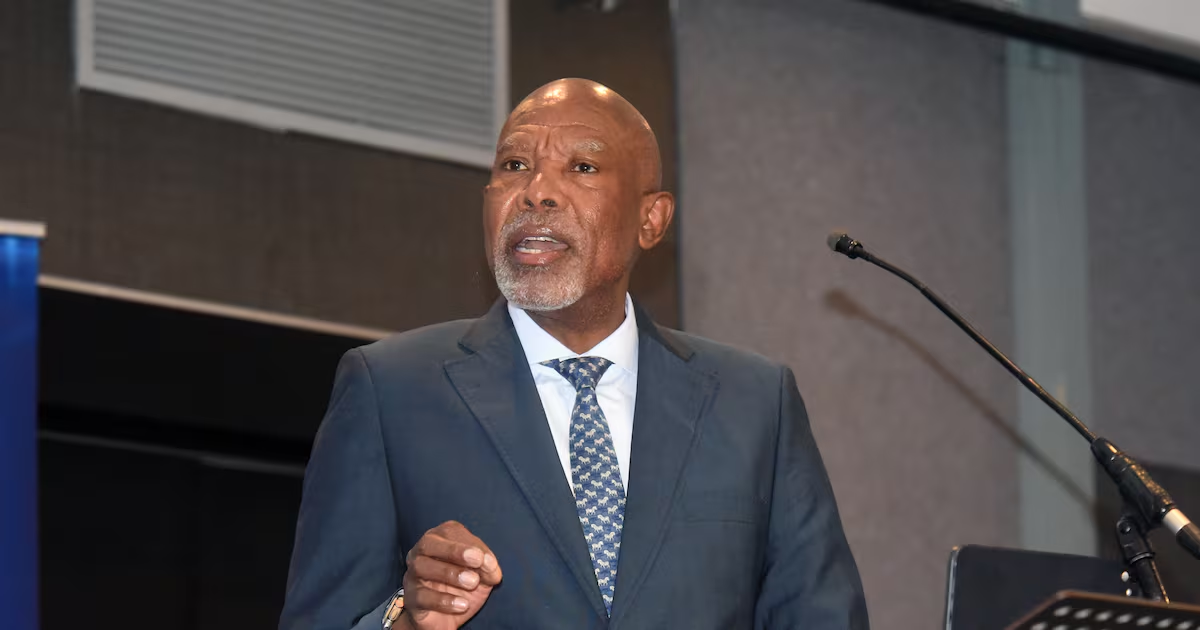
South Africa is not growing as fast as other emerging markets despite adopting the right macro-economic policies because years of state capture that devastated capacity in the national government and state enterprises are now evident in municipal failures, says South African Reserve Bank governor Lesetja Kganyago.In a public lecture on the resilience of emerging markets at the University of South Africa late on Tuesday, Kganyago said despite adopting prudent policies that were stabilising debt, the country has a low-growth crisis, which has left living standards lower than they were in the early 2010s.The economy expanded by only 1.1% last year, undershooting the National Treasury’s target of 1.4%, and by only 0.5% in the first quarter of 2026, suggesting growth will again fall below expectation this year.“It is wrong and dangerous to argue that our growth stagnation is due to macro-economic policy because, as we’ve seen, many emerging markets adopted similar macro-frameworks, and almost everyone has grown faster than us,” Kganyago said.“It is dangerous because it takes one of the few areas where we got things right and makes that the scapegoat for failures elsewhere. Our real problem was institutional destruction, a process often called state capture.”The commission chaired by former chief justice Raymond Zondo between 2018 and 2022 found that private interests, most prominently the Gupta family, were able to influence appointments, procurement decisions and government policy under former president Jacob Zuma, causing billions in losses and long-term operational damage at state companies such as Eskom and Transnet.Kganyago said a similar rot was currently playing out in municipalities.“The essence of state capture is that institutions are no longer run for public benefit. Instead, they are taken over and used to extract resources for private gain. For example, the maintenance budget pays for a big tender which ends up buying someone three Ferraris, but there are still potholes in roads,” he said.“In this context, the private sector cannot flourish. We have a large and sophisticated private sector in South Africa, and that’s the reason we are still much richer than our neighbours, even if we don’t grow. But that private sector has been in survival mode. Investment has stalled.”Kganyago spoke hours after National Treasury director-general Duncan Pieterse said South Africa is on track with its fiscal strategy of stabilising public debt and running primary surpluses, but local government mismanagement presents a significant risk to faster economic growth.The governor said the reform effort spearheaded by the government’s Operation Vulindlela “tackles all the right areas”, such as energy and ports and municipal governance, but progress is slow, with the country below 2019 levels of output.Kganyago applauded policies he said had left South Africa, like other emerging market economies, more resilient to global shocks. These included growing its foreign exchange reserves, which had been nearly depleted about 25 years ago, to about $74bn currently.“Furthermore, our prudential policies have helped maintain financial stability, with no systemic financial event in South Africa despite several global crises. Government debt is finally stabilising,” he said.He noted how the country has run a primary budget surplus for a number of years, earning positive reviews in recent months from ratings agencies Moody’s, S&P Global and Fitch.Business Day
Lesetja Kganyago blames low growth on ‘state capture’ fallout
Reserve Bank governor Lesetja Kganyago says institutional decay, not policy, is reason for economic stagnation
527 words~2 min read