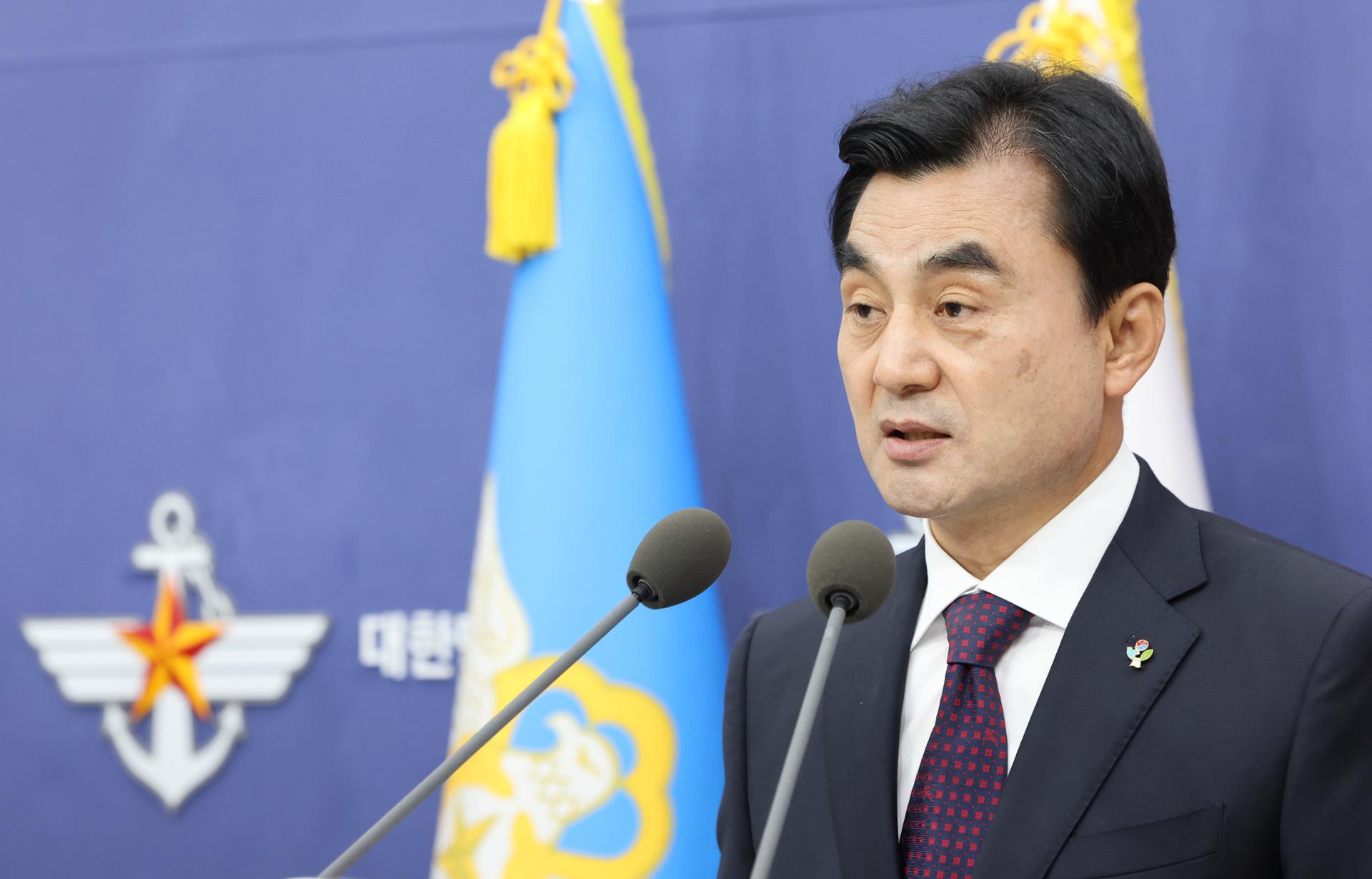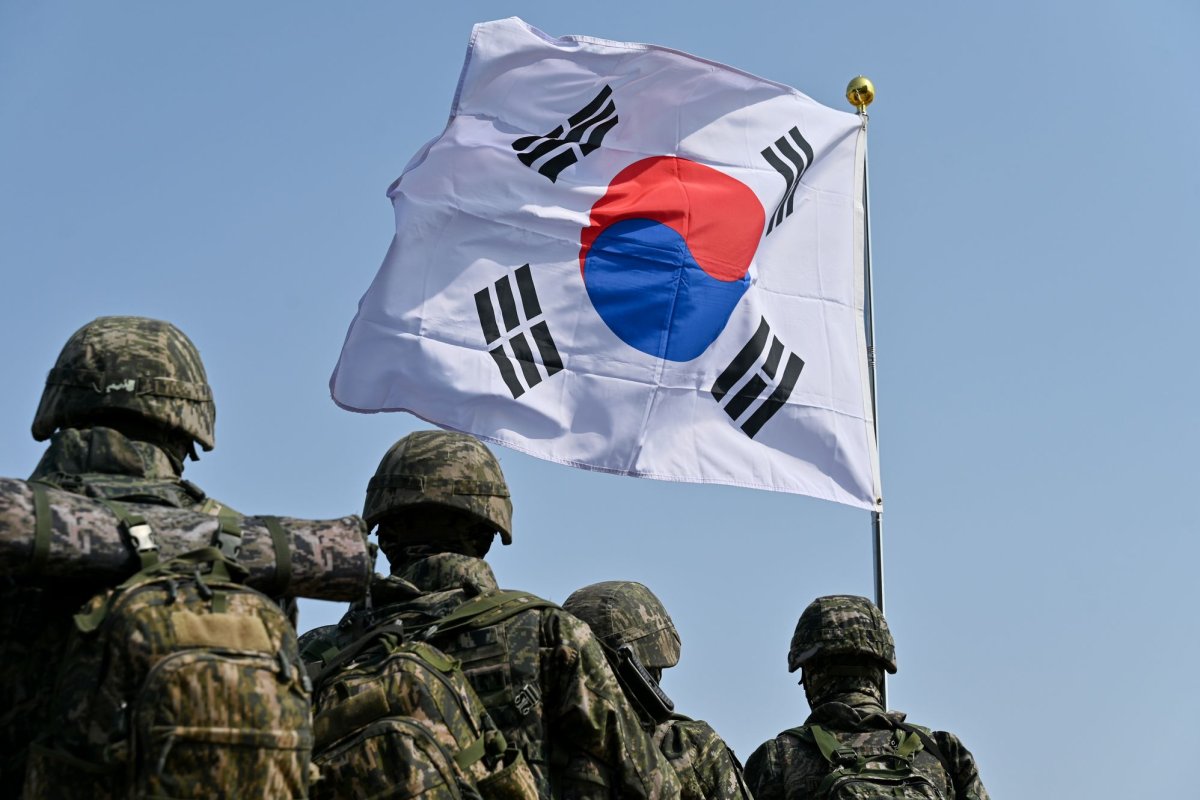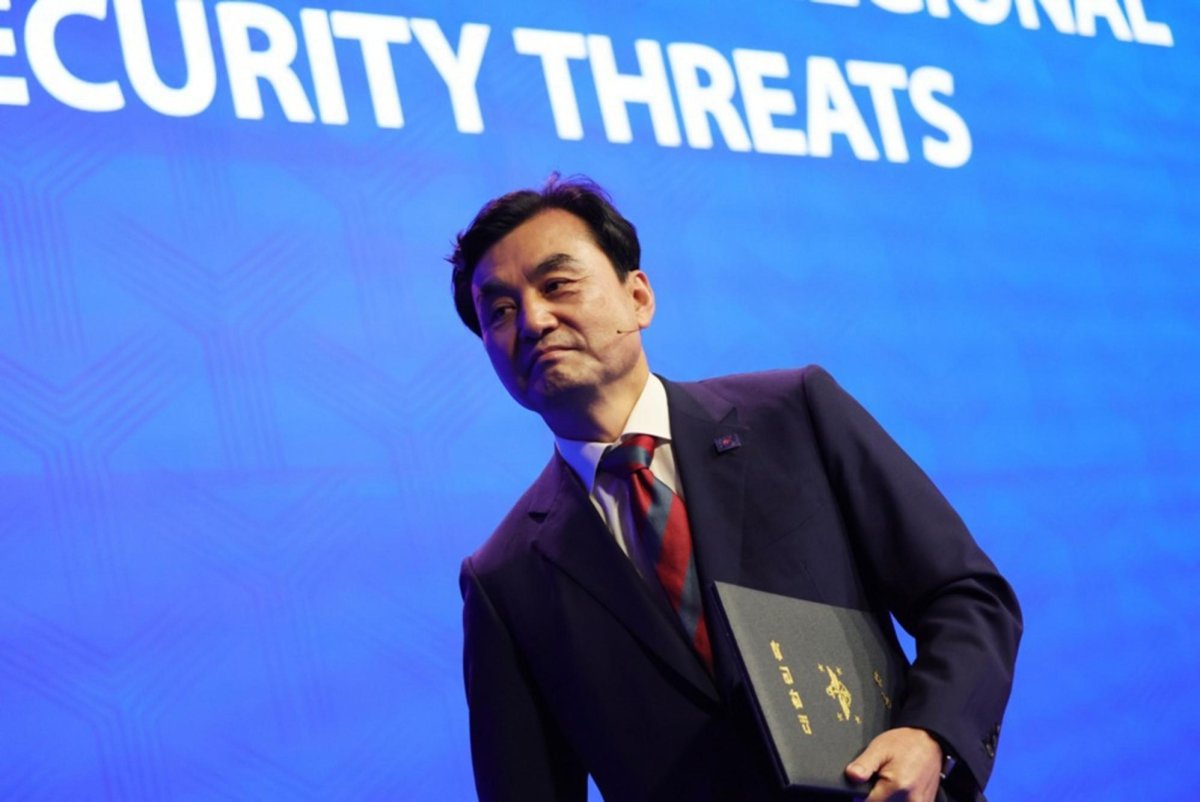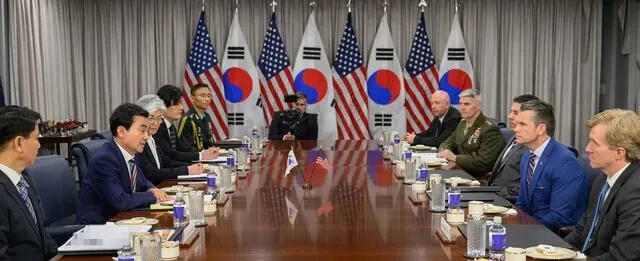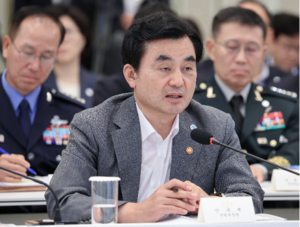
Defense Minister Ahn Gyu-back speaks during a policy briefing at Cheong Wa Dae in Seoul on Wednesday. (Joint Press Corps via Yonhap) South Korea will seek to decide on a target year for regaining wartime operational control from the United States at annual defense ministerial talks this fall, Defense Minister Ahn Gyu-back said Wednesday.During a policy briefing to President Lee Jae Myung at Cheong Wa Dae in Seoul, Ahn said Seoul and Washington would discuss the final timing of the transfer at the Security Consultative Meeting to be held in November.“We will discuss the full operational capability assessment with the US defense secretary at the SCM in November and then recommend a target year to the presidents of the two countries by the end of the year,” Ahn said.The allies have so far pursued a conditions-based transfer without setting a deadline, requiring South Korea to meet agreed military capabilities and complete a three-stage verification process.Ahn’s remarks indicate that the two sides will seek to attach a specific target year to the process while maintaining the conditions-based principle.Seoul and Washington have differed over how quickly the transfer should proceed.The Lee administration has sought to complete the transfer during the president’s term, which ends in 2030, with 2028 discussed as a possible target.The US side, however, has taken a more cautious position. Gen. Xavier Brunson, commander of the South Korea-US Combined Forces Command, previously suggested that the necessary conditions could be met in the first quarter of 2029.The allies are conducting the second stage of the three-stage verification process, known as the full operational capability assessment. Its results are expected to form the basis of the discussions at the SCM.Ahn also said the military would make combined component commands permanent as part of preparations for a South Korean-led combined defense structure.The component commands are subordinate warfighting headquarters that direct South Korean and US forces assigned to them in ground, naval, air and special operations under plans and directives issued by the Combined Forces Command.Making them permanent would allow South Korean and US personnel to jointly plan and train during peacetime, rather than fully activating the headquarters only during exercises or contingencies.The government also plans to establish a Marine Operations Command in 2028 to strengthen the Marine Corps’ ability to independently plan and conduct operations.The command is expected to oversee Marine Corps operations and expand its role in amphibious and multidomain missions, while the service remains administratively under the Navy.Nuclear submarine law, higher military payAhn said the government would also pursue a special law supporting South Korea’s nuclear-powered submarine program.The legislation would establish a legal framework covering the development and operation of the submarines, nuclear fuel management, safety regulations and interagency coordination.Seoul still needs to reach an agreement with Washington on the supply and management of nuclear fuel.To attract and retain qualified personnel amid a shrinking military-age population, Ahn said the government would raise compensation for officers and noncommissioned officers and expand housing and duty allowances.
Seoul aims to set target year for wartime command transfer in fall: ministry
South Korea will seek to decide on a target year for regaining wartime operational control from the United States at annual defense ministerial talks this fall,
494 words~2 min read