MANILA, Philippines – While policymakers are focused on reducing system losses, the World Bank says lowering electricity bills over the long term will require tackling the much larger generation cost through more competitive power contracts, faster renewable deployment, and stronger grids.
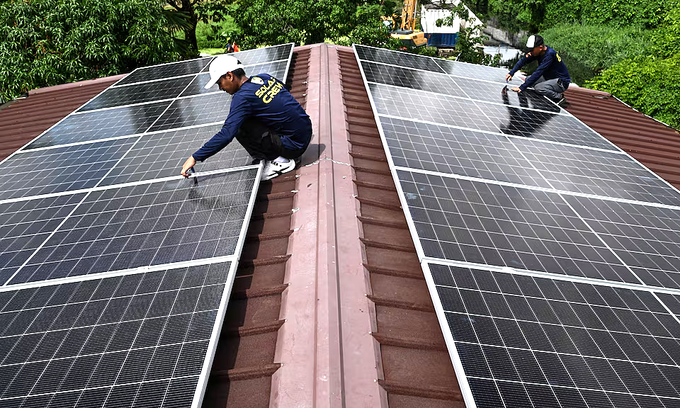
Generation accounts for about two-thirds of a typical electricity bill, making it the largest component by far. Yet many distribution utilities remain tied to older contracts that were negotiated when fuel prices and electricity demand looked very different, limiting how quickly cheaper renewable energy can lower rates.
Filipino households pay around $0.21 per kilowatt-hour, compared with $0.13 in Thailand, $0.09 in Indonesia, and $0.05 in Malaysia. Only Singapore, at about $0.23 per kWh, had a higher residential rate among the countries compared in the World Bank’s latest Philippines Economic Update.
Part of the difference is that some neighboring governments heavily subsidize electricity. But even after the World Bank added those subsidies back into regional prices, Philippine residential rates were still around 57% higher than Malaysia’s and 17% higher than Indonesia’s.
“It’s not a subsidy story,” World Bank senior country economist Jaffar Al-Rikabi said during the report’s launch on Monday, August 3. “It’s how do we lower electricity prices and boost growth story.”