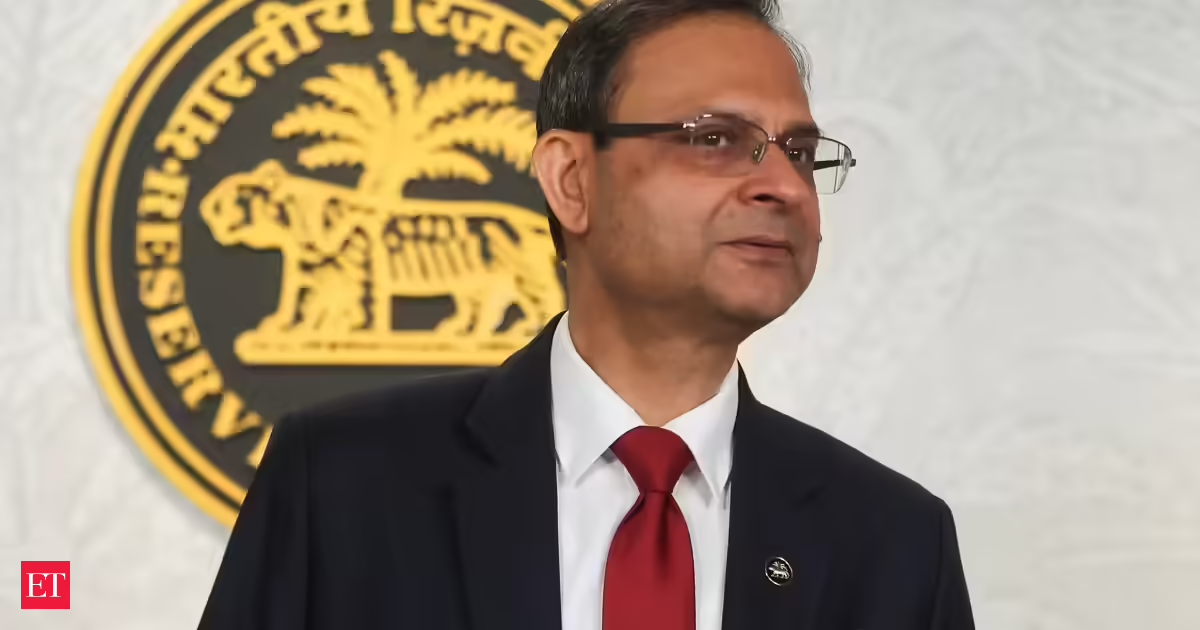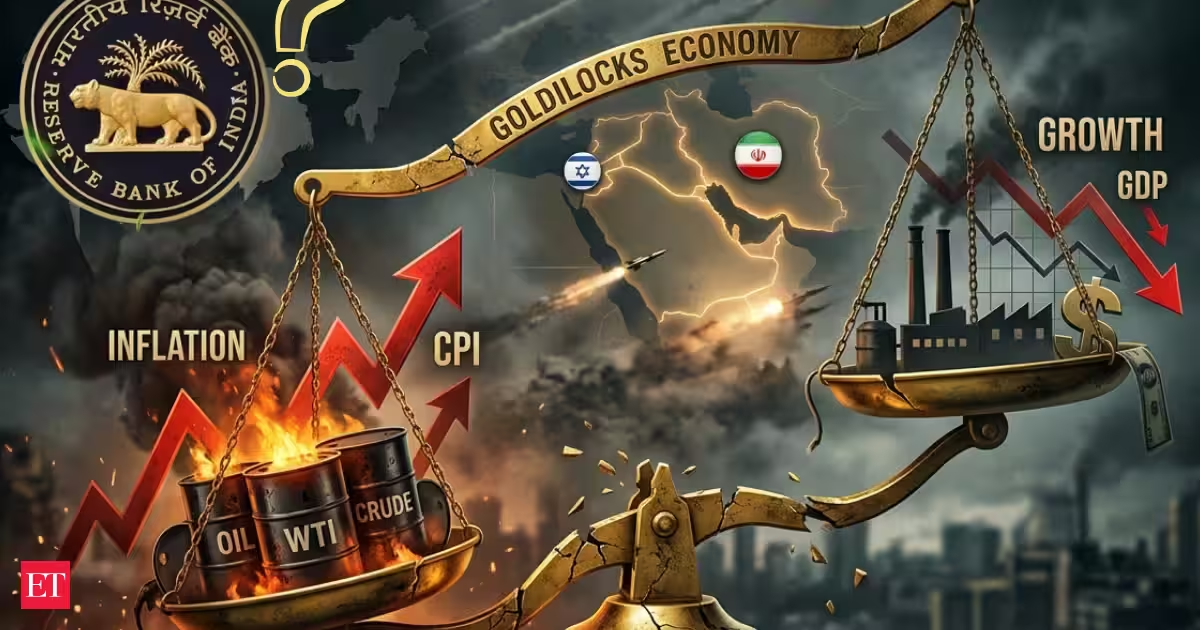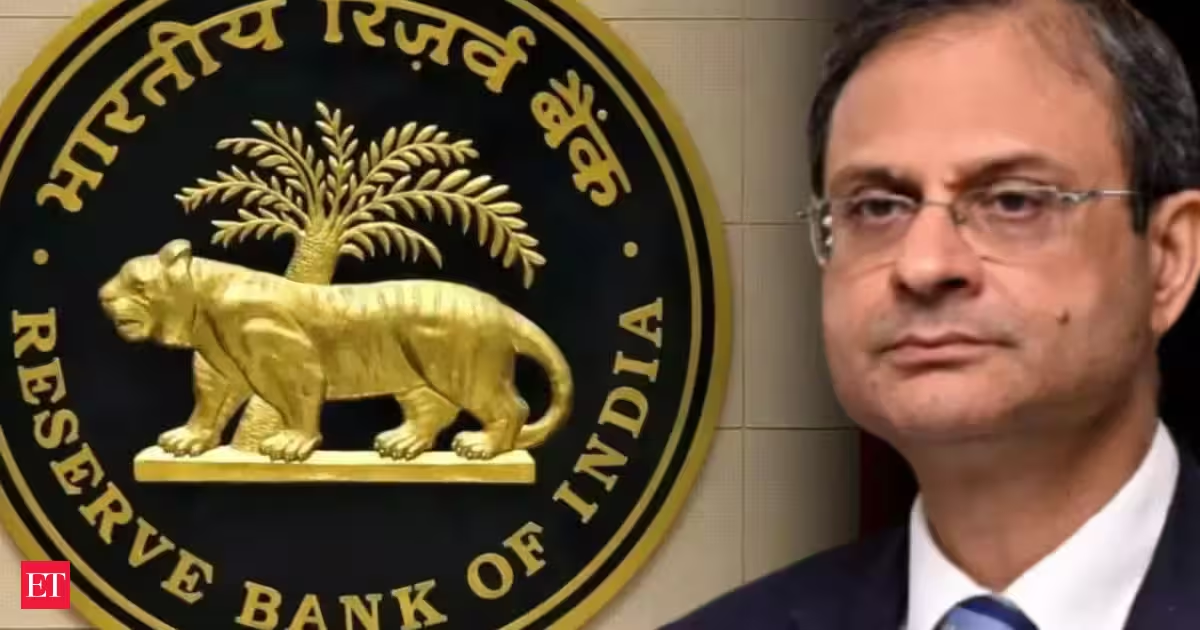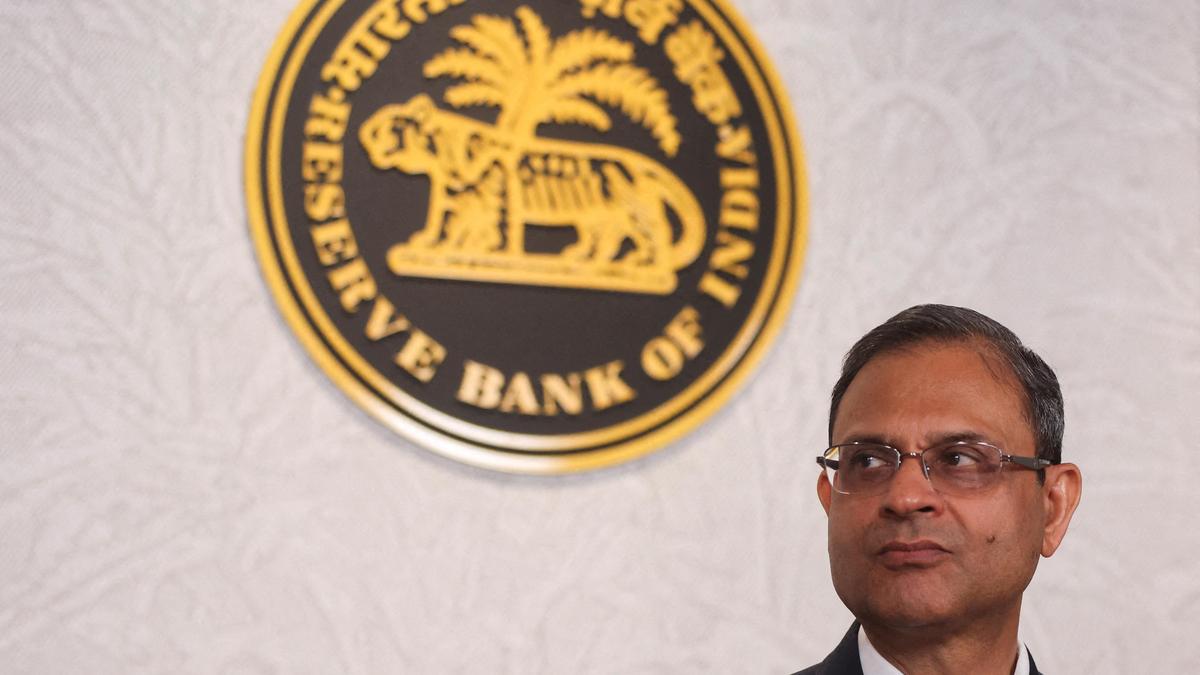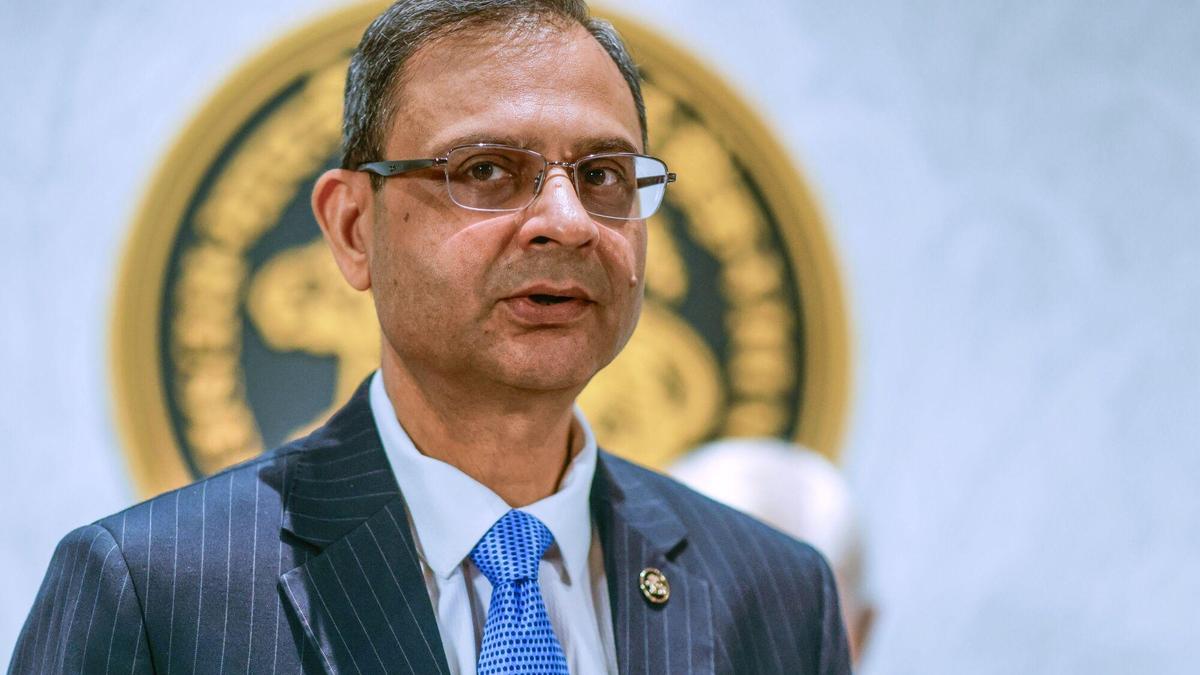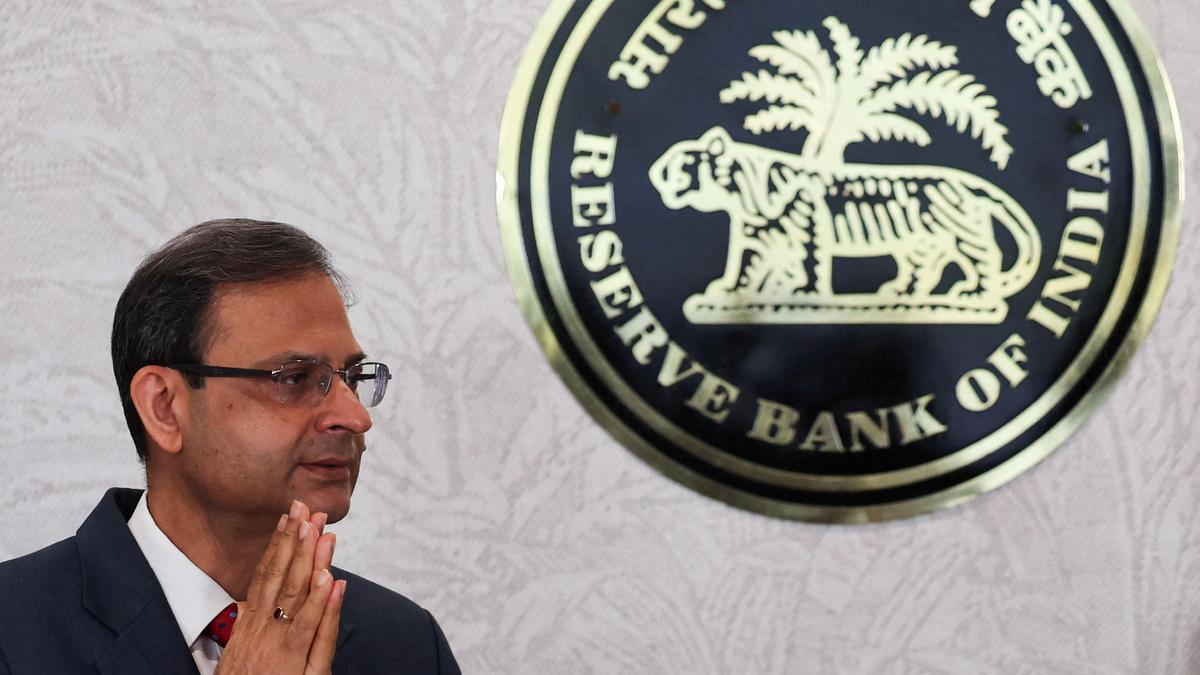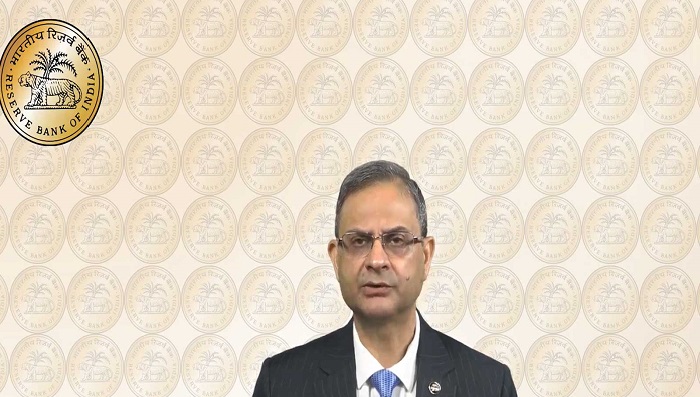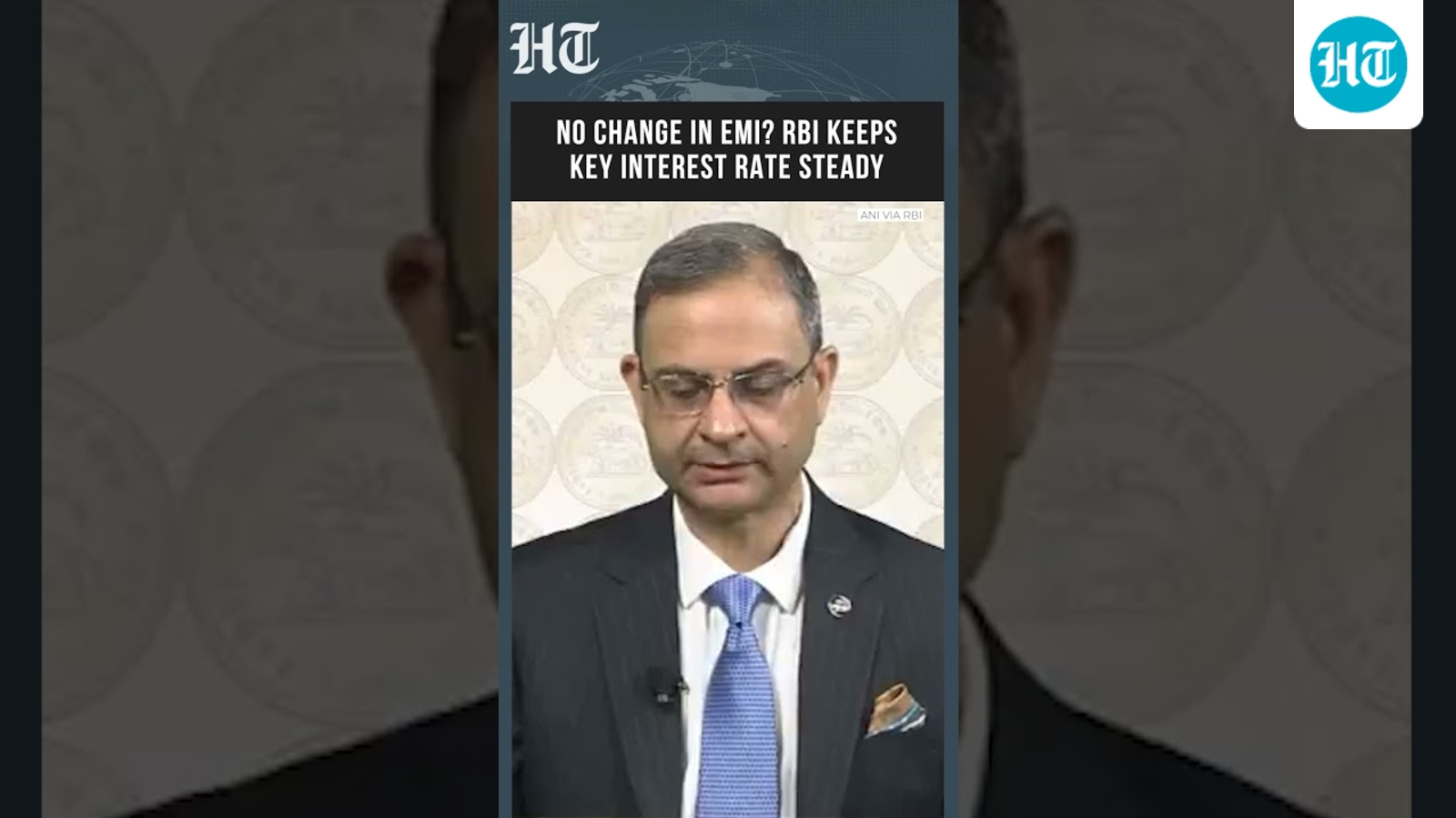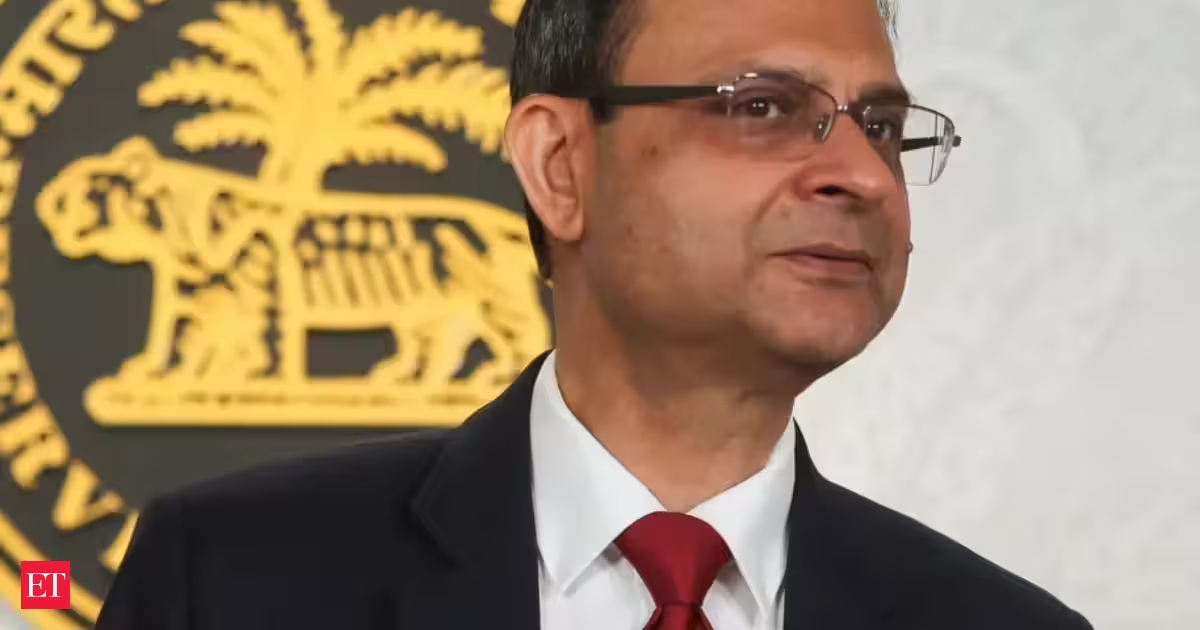
The Reserve Bank of India (RBI) on Wednesday kept the repo rate unchanged at 5.25 per cent, with the Monetary Policy Committee (MPC) retaining its neutral stance amid rising global uncertainty and persistent inflationary pressures.Announcing the decision, RBI Governor Sanjay Malhotra said the committee would remain focused on bringing inflation in line with its target while closely monitoring domestic and global developments before taking any further policy action.Read more - RBI MPC Meeting at a Glance: Your one-stop guide for all key decisionsGovernor cites Middle East conflict and global trade uncertaintyOpening his monetary policy statement, Malhotra warned that the global economic environment had become increasingly unstable.He said the conflict in West Asia continued to disrupt key trade routes, while renewed escalation since early July had heightened volatility in global energy prices.The governor also pointed to lingering uncertainty over international trade following fresh tariffs imposed by the United States, adding that central banks across the world had adopted different approaches, with some tightening monetary policy and others remaining cautious."There is a need for greater clarity to emerge, especially regarding inflation, its path and composition before taking any policy action," he said.RBI says inflation expected to peak in Q3The RBI acknowledged that headline inflation is likely to rise in the near term, mainly because of higher food and fuel prices.According to Malhotra, the increase in inflation is not broad-based, as core inflation, excluding precious metals, continues to remain moderate.He said headline inflation is expected to peak during the third quarter (Q3) before beginning to ease thereafter.The MPC noted that while supply-side pressures linked to the West Asia conflict had eased slightly, inflation risks remained under close watch.Domestic economy remains resilient despite global challengesDespite global headwinds, the RBI said India's economic activity continues to remain resilient.Malhotra said private consumption remained strong, supported by healthy discretionary spending, while steady employment conditions and robust growth in the services sector are expected to support urban demand.He also noted that early corporate earnings for the first quarter indicate healthy momentum in the manufacturing sector, with investment activity continuing at a steady pace."Overall, the Indian economy performed better than expected in the first quarter," the governor said.RBI projects India's GDP growth at 6.7%The central bank projected real GDP growth at 6.7 per cent for the current financial year, raising its previous estimate by 10 basis points.Malhotra reiterated that India remains the world's fastest-growing major economy, although he cautioned that manufacturers could face cost pressures due to global developments.He added that the growing diversification of supply chains should help mitigate some of these challenges.Agriculture outlook clouded by El Niño concernsThe RBI also flagged weather-related risks to the economy.According to the governor, prospects for the agriculture sector remain uncertain because of deficient and uneven monsoon conditions associated with El Niño, which could affect crop output and food inflation in the coming months.Markets remain positive after RBI policy decisionIndian equity markets reacted positively to the policy announcement.The Sensex held gains of around 300 points, while the Nifty crossed the 24,600 mark, as investors welcomed the decision to keep interest rates unchanged and looked for further guidance from the RBI on inflation and growth.RBI lowers inflation forecast for FY27The RBI also revised its consumer price index (CPI) inflation projection for the current financial year.Governor Sanjay Malhotra said that, after assessing all available factors, the central bank now expects CPI inflation to average 5 per cent for the year, lower than its earlier projection.The RBI has projected inflation at 4.7 per cent in the second quarter (Q2), 5.9 per cent in the third quarter (Q3) and 5.5 per cent in the fourth quarter (Q4).For the first quarter (Q1) of the next financial year, inflation is projected at 5.3 per cent, with risks considered to be evenly balanced.The governor reiterated that headline inflation is expected to rise in the near term due to higher food and fuel prices before peaking in the third quarter and moderating thereafter, while core inflation is expected to remain relatively benign.
RBI MPC meeting August 2026 highlights: Repo rate decision, inflation outlook & GDP forecast; key takeaways from Governor Sanjay Malhotra's speech
RBI MPC meeting August 2026 highlights: The Reserve Bank of India has decided to keep the repo rate steady at 5.25 percent, reflecting a cautious approach amid global instability and persistent inflation pressures. Despite these challenges, the domestic economy demonstrates resilience, with a projected GDP growth of 6.7 percent for the current fiscal year. Additionally, the central bank has adjusted its inflation forecast for FY27 downward.
662 words~3 min read