Africans bear the brunt of biodiversity loss
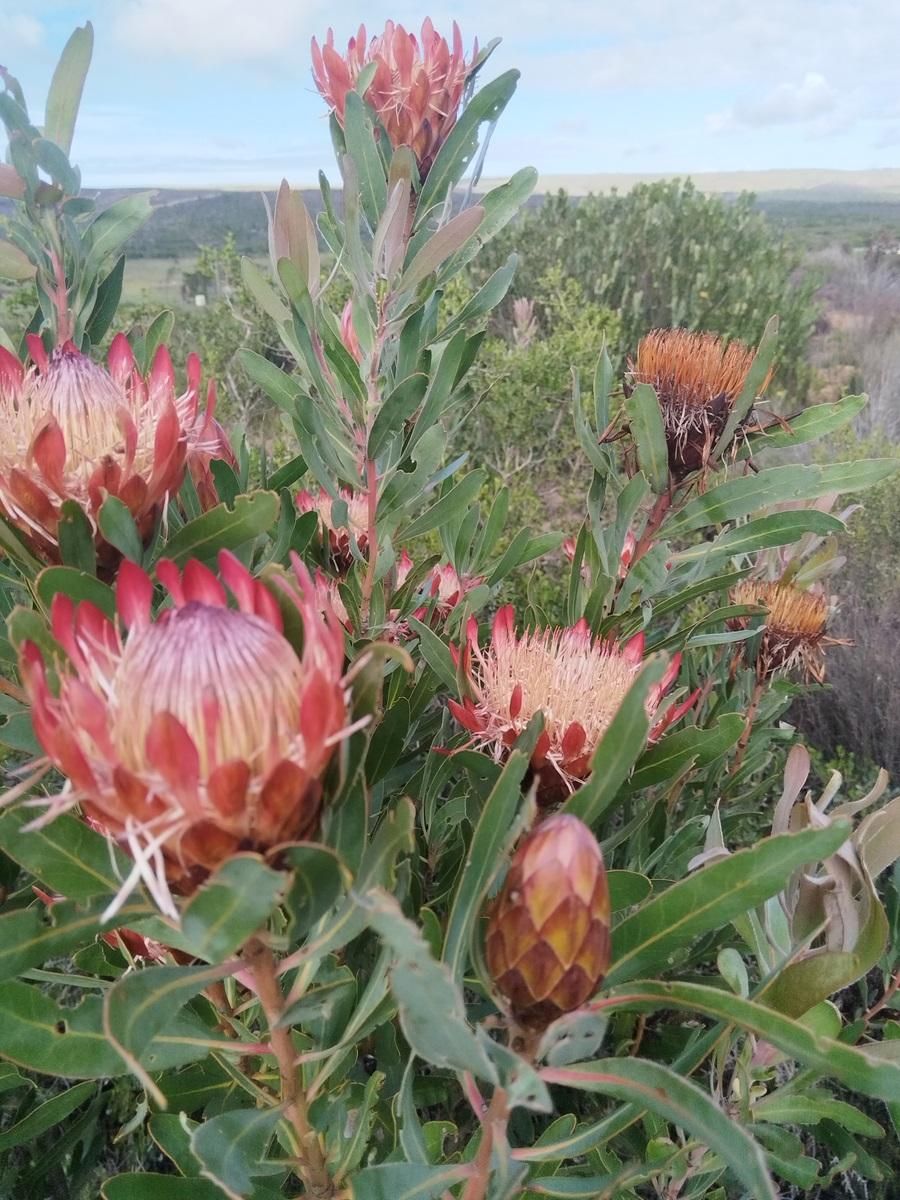
But the world spends 30 times more money destroying nature than protecting it, and Africa often lacks the necessary resources to address the crisis, the head of the UN’s Biodiversity Convention warned this week at a major scientific forum in Nairobi.Biodiversity refers to the variety of life on Earth. In addition to maintaining natural ecosystems, having a variety of species – both flora and fauna – also supports human survival through food and medicine.“Thanks to biodiversity, we have food. Biodiversity gives us clean water. It helps us fight climate change. It makes us more resilient,” Executive Secretary of the Convention on Biological Diversity Astrid Schomaker told UN News. “All these issues matter to all of us.”
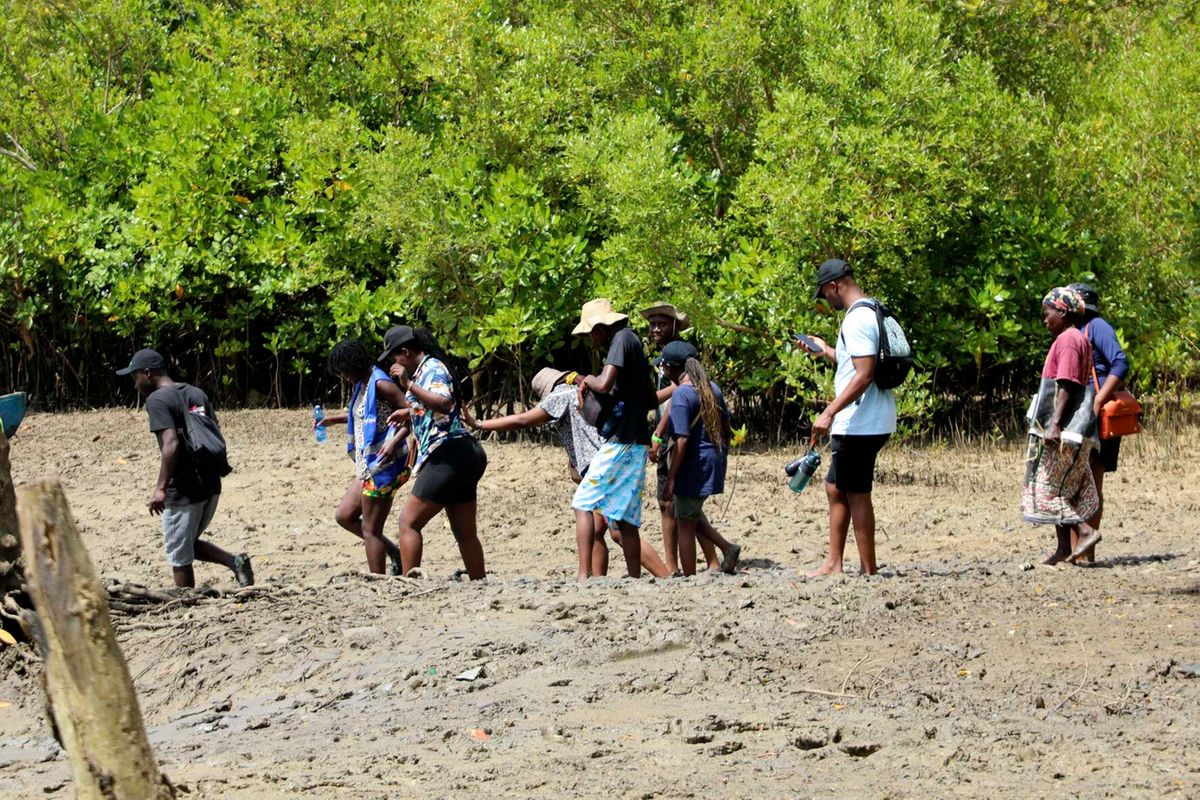
Africa is home to 25 per cent of the world’s biodiversity but has also lost about 24 per cent of its species since the pre-industrial period, according to a recent study. The continent is uniquely impacted by biodiversity loss because many people rely on its bountiful natural resources to earn a living.Ms. Schomaker said climate change is the single biggest driver, and Africa is especially vulnerable to climate shocks.But because of massive government subsidies for fossil fuels and private industrial spending around the world, biodiversity loss outpaces efforts to protect it, UN Environment Programme, UNEP, warned earlier this year.Ms. Schomaker said rising temperatures, invasive species, pollution and overexploitation of land and water all deplete the resources rural and coastal communities rely on for food, income and clean water.From science to fundingIf the recent meeting of the UN’s Subsidiary Body on Scientific, Technical and Technological Advice identified biodiversity loss as a problem, the Subsidiary Body on Implementation – meeting until 12 August in Nairobi – will focus on how to solve it.Negotiators are now working through how to embed biodiversity into national decision-making, draw financial institutions into the conversation and raise the money needed to close the gap.“We have a very solid understanding of where we are,” Ms. Schomaker said. “And now it is taking this understanding of where we are and translating it into recommendations on how we can move forward faster.”