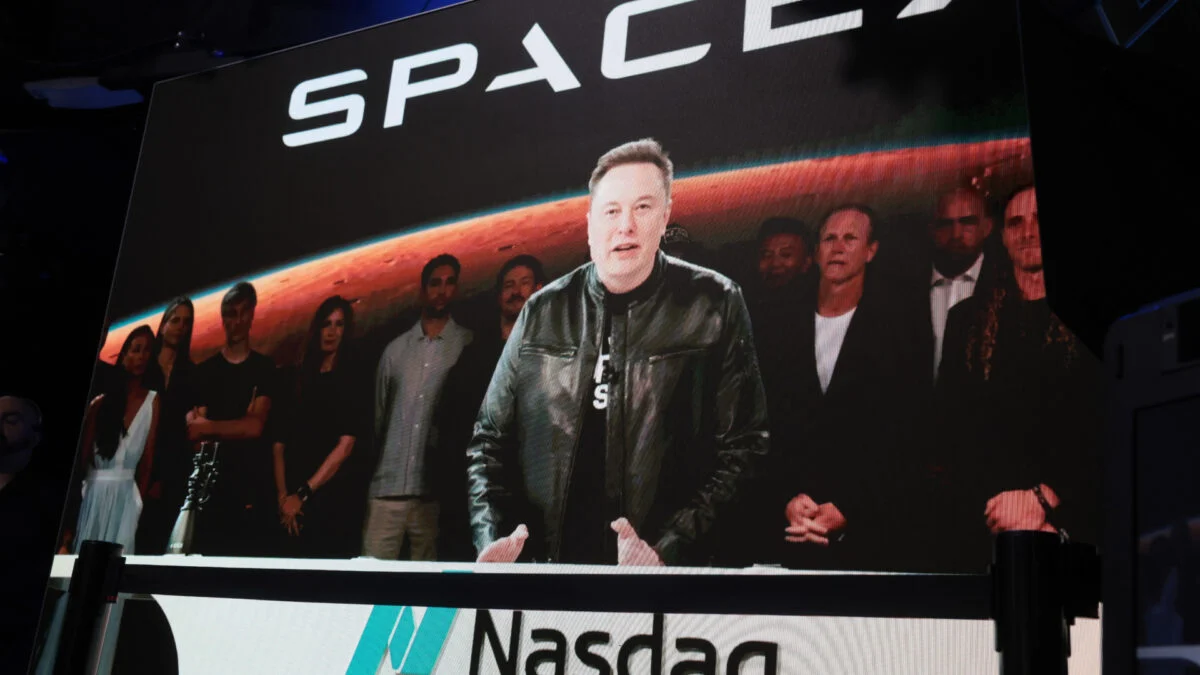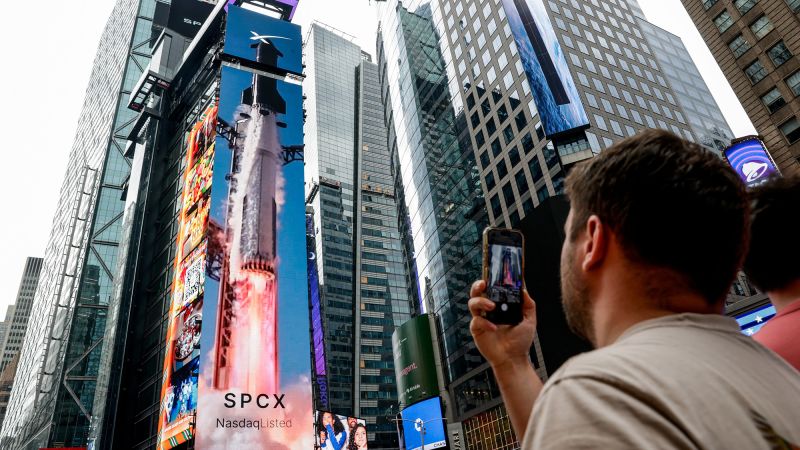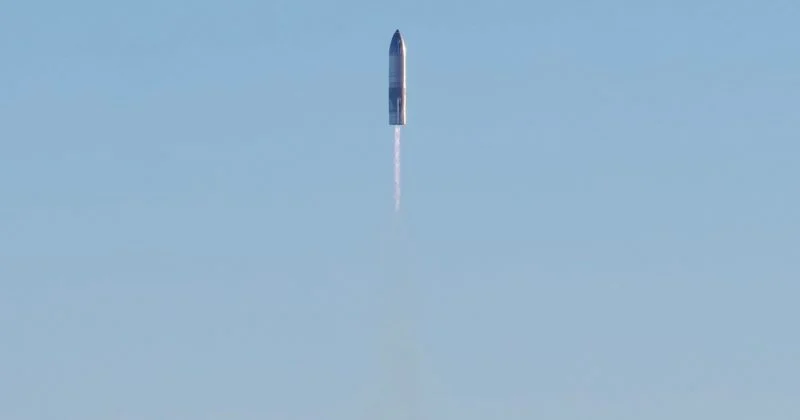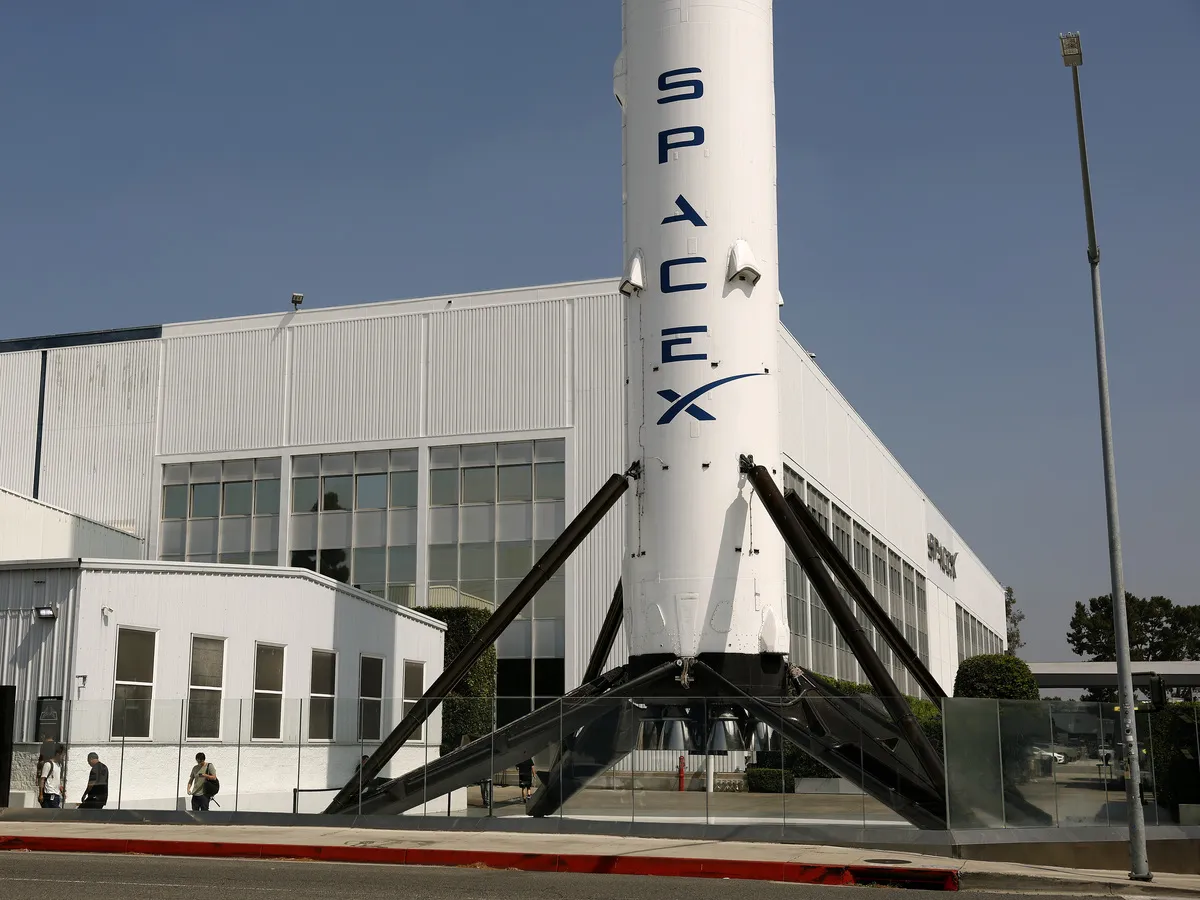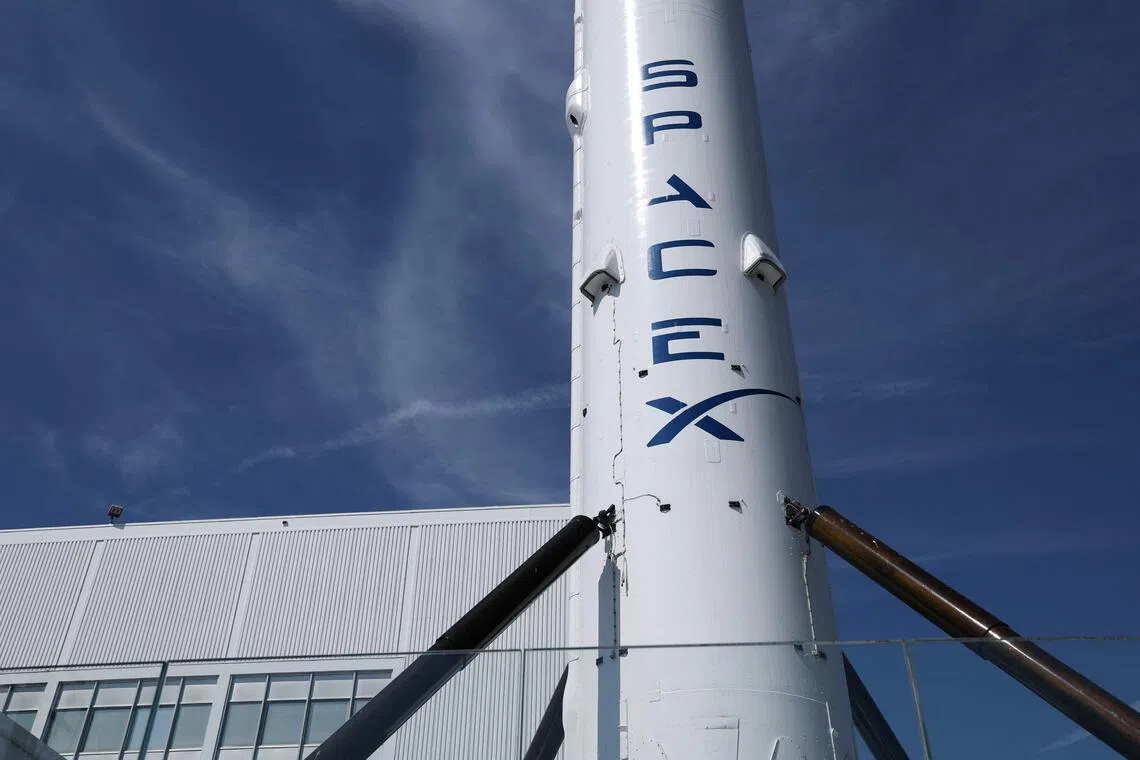
New York - SpaceX stock fell after the company disclosed higher-than-expected spending on its artificial intelligence business, dampening an inaugural quarterly report that broadly surpassed Wall Street forecasts. Shares of Elon Musk’s rocket, satellite and AI conglomerate tumbled 7.5 per cent in US postmarket trading on Aug 4 after it said capital spending jumped to about US$18.4 billion (S$23.6 billion) in the second quarter. “We expect the cadence of AI development to improve dramatically,” Musk told analysts on a conference call after the company reported results that beat forecasts for revenue, AI losses and Starlink subscriber growth. SpaceX’s earnings capped a roller coaster ride since the company raised US$86 billion in the largest stock-market debut of all time. Shares have since plunged in a bout of post-IPO volatility and a broader AI sell-off, erasing more than US$1 trillion in market value from their peak along with Musk’s status as the world’s first trillionaire. Adding to the sense of uncertainty, more than US$100 billion worth of stock becomes eligible for sale for the first time later this week, potentially putting more downward pressure on the price. SpaceX reported revenue of US$7.8 billion, greater than than the US$6.81 billion analysts polled by Bloomberg estimated on average. The company said it lost 9 US cents a share for the quarter, less than the 24-cent loss analysts forecast. SpaceX’s roughly US$1.6 trillion valuation, which rivals a number of megacap firms and is bigger than Musk’s Tesla, has been fuelled by the billionaire entrepreneur’s ambitions to deliver scale and futuristic technology leaps across its business units. His long list of growth plans – including putting data centres in space – come with high costs, significant risks and could take many years to come to fruition. Yet Wall Street analysts remain overwhelmingly bullish given Musk’s track record of upending mature industries. Underscoring the sweep of Musk’s ambitions, analysts on a conference call asked executives about its AI and Starlink plans, robotics strategy and Starship rocket heat shield.The Starship vehicle underpins all of Musk’s goals in space but it has faced a rocky development path marred by explosive setbacks, malfunctions and delays – at a cost of US$15 billion and running. But the rocket staged a mostly successful test flight on July 24, deploying satellites and returning to Earth largely unscathed.“We expect the cadence of flights to be increasing rapidly,” Musk told analysts, adding that about a year from now he expects to be launching at least one flight a day. “The heat shield appears to be very robust.”Advertised as the most powerful rocket ever built, Starship is central to expanding Starlink and send humans to the moon and Mars. “Starship remains the flywheel that powers SpaceX’s ambitions. We expect the cost savings from Starship to be a catalyst for unlocking the connectivity and orbital compute markets,” Royal Bank of Canada analyst Ken Herbert said in a July note. SpaceX said subscribers in its Starlink satellite-internet service – its only profitable business – reached 12 million by the second quarter, lower than the 12.19 million expected by analysts. Starlink beams down broadband to consumers, governments and businesses using more than 10,000 satellites orbiting close above the Earth. SpaceX intends to build out terrestrial mobile infrastructure, chief operating oOfficer Gwynne Shotwell told analysts, underscoring broader plans to use Starlink to develop a direct-to-mobile service.Musk’s decision to take SpaceX public was closely tied to the company’s efforts to pioneer space-based data centers, as terrestrial centers face increasing resource and energy constraints. The expensive and largely unproven strategy would entail launching a network of satellites that rely on constant energy from the sun to compute data in orbit and beam it down to Earth. For its AI business, SpaceX disclosed an operating loss of US$1.26 billion, better than US$2.39 billion loss seen by analysts. The company said capital spending in the third and fourth quarters would remain similar to the second quarter. SpaceX is contracted for US$6.7 billion in cloud-services revenue so far in the third quarter, executives told analysts.SpaceX has inked a series of deals to sell its existing computing power. Alphabet’s Google in June agreed to pay US$920 million a month as part of a cloud services arrangement that runs through mid-2029. SpaceX signed a similar agreement with Anthropic. In February, SpaceX merged with Musk’s xAI in a move that integrated Musk’s AI and space ambitions. After the AI start-up, which burned through US$6 billion in 2025, fell behind rivals on coding and product adoption, Musk pushed through a rebuilding plan in March that included both major layoffs and massive hiring. In June, SpaceX said it would acquire AI start-up Cursor for US$60 billion to shore up its coding efforts.In July, the company released a model called Grok 4.5, which focuses on coding as well as finance and legal tasks. In posts on X, Musk said the model was roughly comparable to Opus 4.7, which Anthropic made generally available in April. BLOOMBERG
SpaceX shares tumble as AI costs soar in first earnings report after IPO
SpaceX reported results that beat forecasts for revenue, AI losses and Starlink subscriber growth. Read more at straitstimes.com. Read more at straitstimes.com.
TL;DRAI
SpaceX's $86B IPO stock fell 7.5% as Q2 revealed $18.4B capex and $1.26B AI loss. Frontier AI and space-compute demands massive burn; even mega-cap founders face market pressure on ROI, signaling limits on moonshot capex when profitability diverges from growth bets.
824 words~4 min read