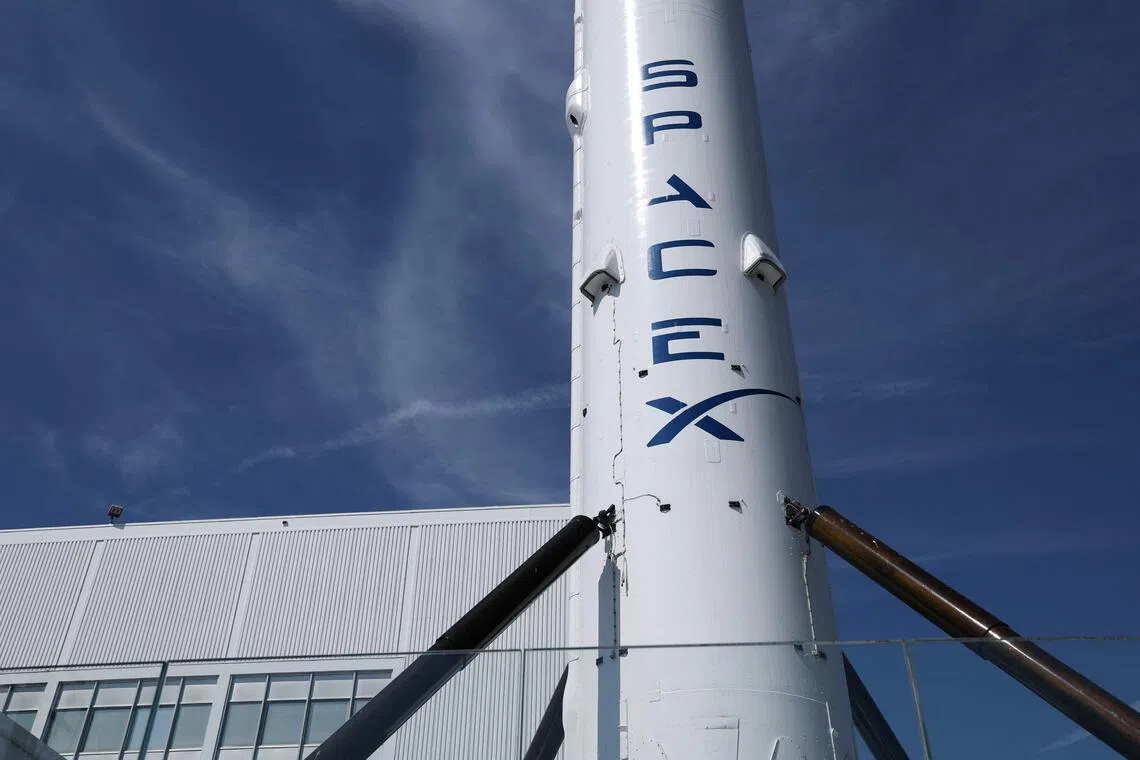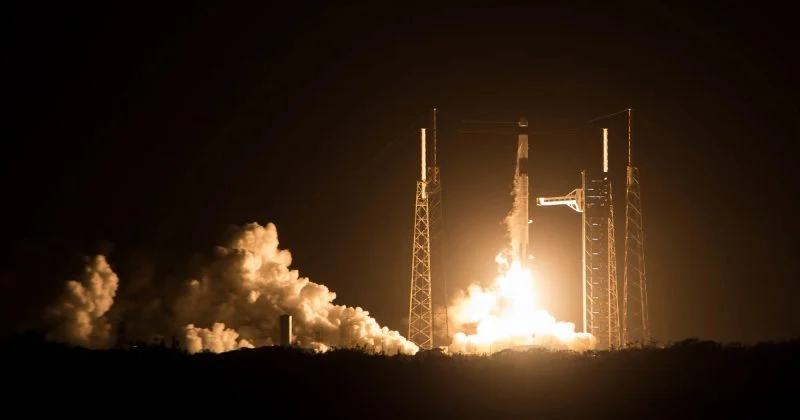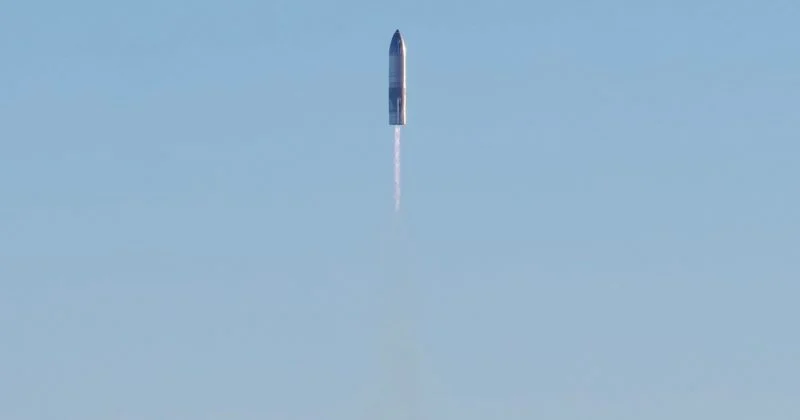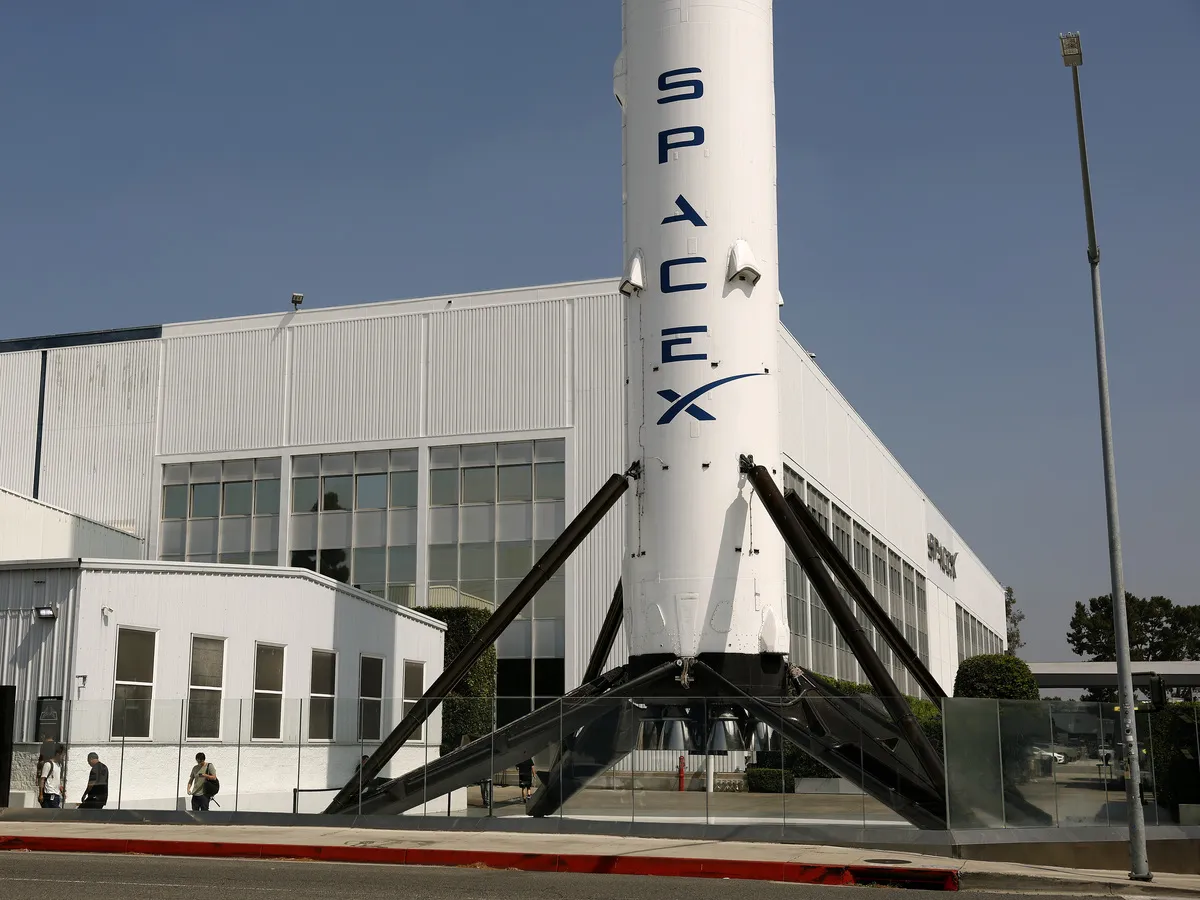
Skip to Content News Archives Economy Energy Oil & Gas Renewables Electric Vehicles Mining Commodities Agriculture Real Estate Mortgages Mortgage Rates Finance Banking Insurance Fintech Cryptocurrency Work Wealth Smart Money Wealth Management Investor Personal Finance Family Finance Retirement Taxes High Net Worth FP Comment Executive Women Puzzmo Newsletters Financial Times Business Essentials More Innovation Information Technology FP500 Podcasts Small Business Lives Told Tails Told Shopping Financial Post Store Obituaries Place a Notice Advertising Advertising With Us Advertising Solutions Postmedia Ad Manager Sponsorship Requests Classifieds Place a Classifieds ad Working Profile Settings My Subscriptions Saved Articles My Offers Newsletters Customer Service FAQ News Economy Energy Mining Real Estate Finance Work Wealth Investor FP Comment Executive Women Puzzmo Newsletters Financial Times Business Essentials HomeInvestorNewsSpaceX falls after higher AI spending in post-IPO earningsElon Musk’s satellite, space and AI conglomerate reported revenue of US$7.8 billionAuthor of the article:Last updated 45 minutes ago You can save this article by registering for free here. Or sign-in if you have an account.A Space Exploration Technologies Corp. Falcon 9 rocket is displayed at a SpaceX facility in Hawthorne, California. Photo by Justin Sullivan/Getty ImagesSpace Exploration Technologies Corp.’s revenue exceeded Wall Street’s estimates in the company’s first quarterly financial report following its blockbuster initial public offering in June.Subscribe now to read the latest news in your city and across Canada.Exclusive articles from Barbara Shecter, Joe O'Connor, Gabriel Friedman, and others.Daily content from Financial Times, the world's leading global business publication.Unlimited online access to read articles from Financial Post, National Post and 15 news sites across Canada with one account.National Post ePaper, an electronic replica of the print edition to view on any device, share and comment on.Daily puzzles, including the New York Times Crossword.Subscribe now to read the latest news in your city and across Canada.Exclusive articles from Barbara Shecter, Joe O'Connor, Gabriel Friedman and others.Daily content from Financial Times, the world's leading global business publication.Unlimited online access to read articles from Financial Post, National Post and 15 news sites across Canada with one account.National Post ePaper, an electronic replica of the print edition to view on any device, share and comment on.Daily puzzles, including the New York Times Crossword.Create an account or sign in to continue with your reading experience.Access articles from across Canada with one account.Share your thoughts and join the conversation in the comments.Enjoy additional articles per month.Get email updates from your favourite authors.Create an account or sign in to continue with your reading experience.Access articles from across Canada with one accountShare your thoughts and join the conversation in the commentsEnjoy additional articles per monthGet email updates from your favourite authorsSign In or Create an AccountorElon Musk’s satellite, space and artificial intelligence conglomerate reported revenue of US$7.8 billion on Tuesday, greater than than the US$6.81 billion analysts polled by Bloomberg estimated on average.Still, capital expenditure jumped to about US$18.4 billion in the second quarter, from US$10.1 billion in the first three months of the year, driven by higher-than-expected spending in its artificial intelligence unit.Canada's best source for investing news, analysis and insight.By signing up you consent to receive the above newsletter from Postmedia Network Inc.A welcome email is on its way. If you don't see it, please check your junk folder.The next issue of Investor will soon be in your inbox.We encountered an issue signing you up. Please try againSpaceX shares fell about five per cent in U.S. postmarket trading. It gained nearly 10 per cent in Tuesday’s regular session, its best performance since June. 1bb{kc5te{q6j}vyhzo)udms_media_dl_1.png BloombergSpaceX’s eagerly awaited quarterly results cap a roller coaster ride since the company raised US$86 billion in the largest stock-market debut of all time. Its shares have since plunged in a bout of post-IPO volatility and a broader AI selloff, erasing more than US$1 trillion in market value from their peak along with Musk’s status as the world’s first trillionaire.Adding to the sense of uncertainty, more than US$100 billion worth of stock becomes eligible for sale for the first time later this week, potentially putting more downward pressure on the price.Analysts on a conference call Tuesday are likely to press Musk for details on the company’s massive AI spending, its plans to scale its Starlink internet business and how quickly Starship will be able to launch satellites and people given its rocky and explosive development path.SpaceX’s roughly US$1.6 trillion valuation — which rivals a number of megacap firms and is bigger than Musk’s Tesla Inc. — has been fueled by the billionaire entrepreneur’s ambitions to deliver scale and futuristic technology leaps across its business units.His long list of growth plans — including putting data centers in space — come with high costs, significant risks and could take many years to come to fruition. Yet Wall Street analysts remain overwhelmingly bullish given Musk’s track record of upending mature industries.The company unveiled a loss per share of nine cents US for the quarter. That was less than the 24-cent loss Wall Street forecast.SpaceX said subscribers in its Starlink satellite-internet service — its only profitable business — reached 12 million by the second quarter, lower than the 12.19 million expected by analysts. Starlink beams down broadband to consumers, governments and businesses using more than 10,000 satellites orbiting close above the Earth.Musk’s decision to take SpaceX public was closely tied to the company’s efforts to pioneer space-based data centers, as terrestrial centers face increasing resource and energy constraints. The expensive and largely unproven strategy would entail launching a network of satellites that rely on constant energy from the sun to compute data in orbit and beam it down to Earth.SpaceX unveiled an operating loss of US$1.26 billion from its AI business, better than the consensus for a loss of US$2.39 billion.SpaceX has inked a series of deals to sell its existing computing power. Alphabet Inc.’s Google in June agreed to pay US$920 million a month as part of a cloud services arrangement that runs through mid-2029. SpaceX signed a similar agreement with Anthropic PBC.SpaceX is driving to bring the company’s massive Starship rocket online and has sunk nearly US$15 billion into its development. Advertised as the most powerful rocket ever built, Starship is central to Musk’s ambitions to put data centers in space, expand the Starlink communications network and send humans to the moon and Mars.It has faced a rocky development path marred by explosive setbacks, malfunctions and delays but the new rocket on July 24 successfully launched for its first test flight since the IPO, deploying satellites and returning to Earth largely unscathed.“Starship remains the flywheel that powers SpaceX’s ambitions. We expect the cost savings from Starship to be a catalyst for unlocking the connectivity and orbital compute markets,” Royal Bank of Canada analyst Ken Herbert said in a July note. Join the Conversation This website uses cookies to personalize your content (including ads), and allows us to analyze our traffic. Read more about cookies here. By continuing to use our site, you agree to our Terms of Use and Privacy Policy.
SpaceX falls after higher AI spending in post-IPO earnings
SpaceX’s revenue exceeded Wall Street’s estimates in its first quarterly financial report following its blockbuster IPO in June. Read more.
TL;DRAI
SpaceX beat Q2 revenue at US$7.8B but capex surged to US$18.4B (vs US$10.1B Q1) on AI; stock fell 5% post-market. For tech leaders, this marks Musk's pivot to space-based AI infrastructure, but profitability runway and ROI timeline remain unproven.
1,159 words~5 min read