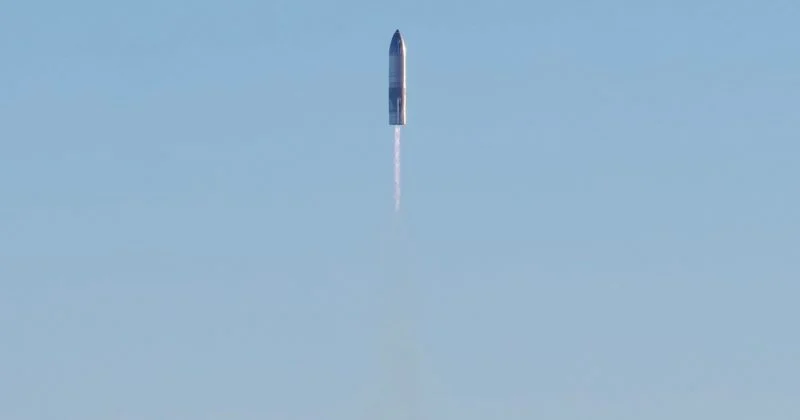
AI computing deals and Starlink satellite growth fueled the results, the company said in a statement. But it also continued to spend heavily, with capital expenditures exceeding $18 billion in the three months ending in June. More than 86 percent of that spending went to its artificial intelligence division. Starlink's satellite connectivity service grew to 12 million subscribers, doubling from a year earlier. Rocket launches, historically the core of SpaceX's business, brought in $962 million in revenue but also posted an operating loss of $542 million. Starlink, its satellite internet business, accounted for just over half of the company's revenue and was the only segment not losing money. SpaceX touted its connectivity partnerships with major airlines. United Airlines first added Starlink service in 2024; SpaceX now has agreements with American Airlines, Southwest, Virgin Atlantic, Iberia Airlines and Aer Lingus. Its AI segment tripled to $2.6 billion in revenue but posted a $1.3 billion operating loss.The company reduced its net loss to $541 million.During a call with analysts Tuesday afternoon, CEO Elon Musk and COO Gwynne Shotwell both sought to reassure investors that SpaceX is successfully evolving from being primarily a rocket company into a conglomerate with AI at its core.
SpaceX revenue jumps 92% in first earnings report, but shares slide
SpaceX's revenue jumped 92 percent in the second quarter, beating analyst expectations by around $1 billion in its first post-IPO earnings report, but shares tumbled as investors remained skeptical about…
TL;DRAI
SpaceX Q2 +92% revenue via AI compute deals ($1.25B Anthropic, $920M Google) and Starlink 12M subscribers; AI division lost $1.3B on $2.6B revenue. Stock fell 8%—investors doubt profitability of the pivot from rockets to computing infrastructure amid cloud giant competition.
525 words~2 min read