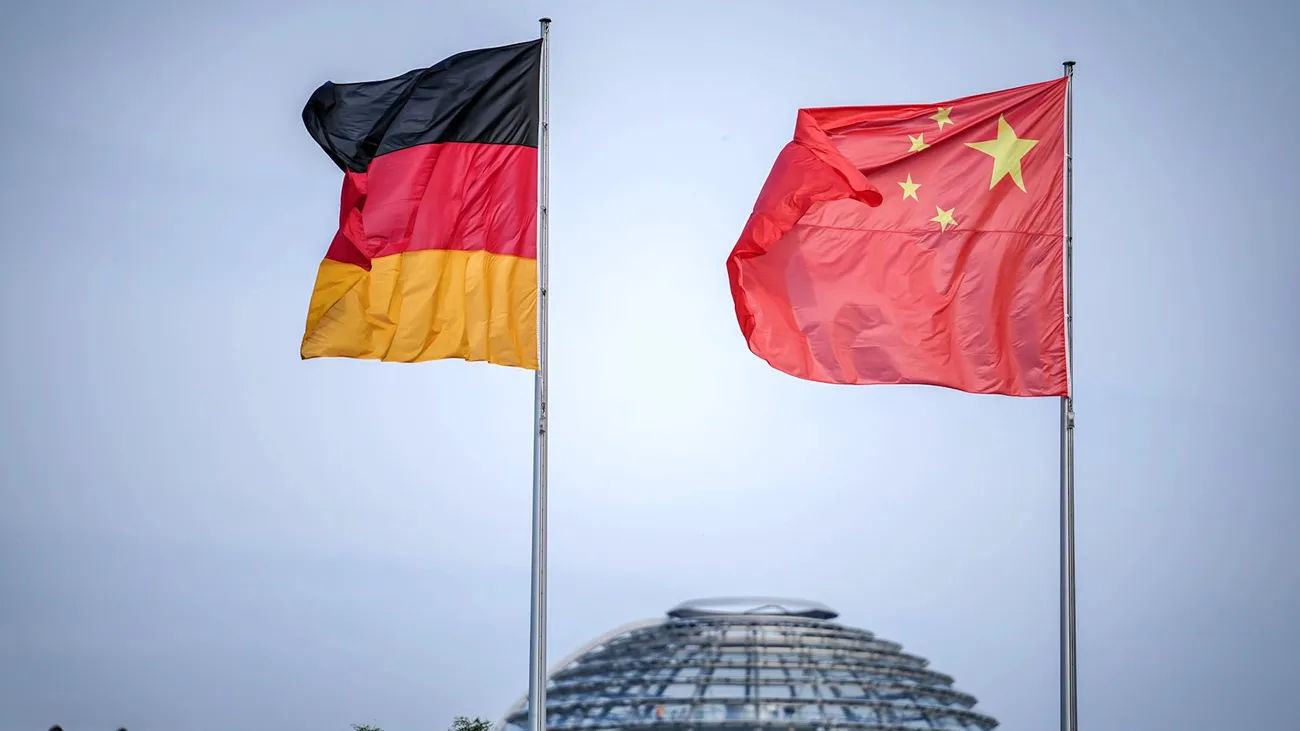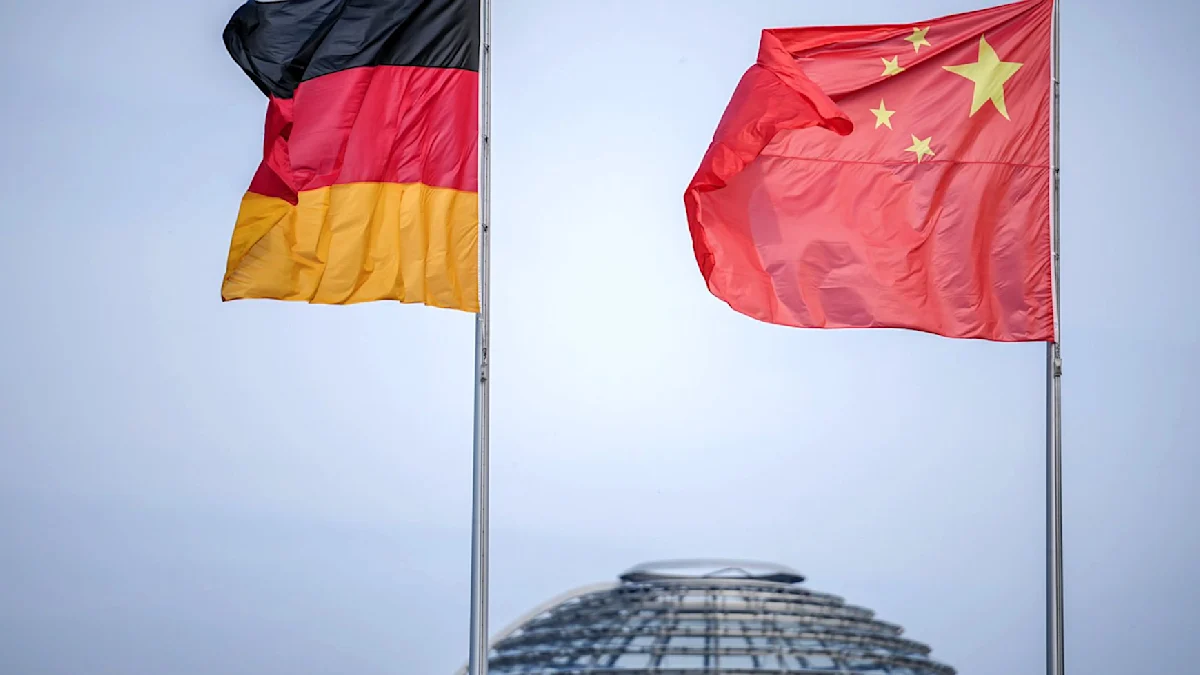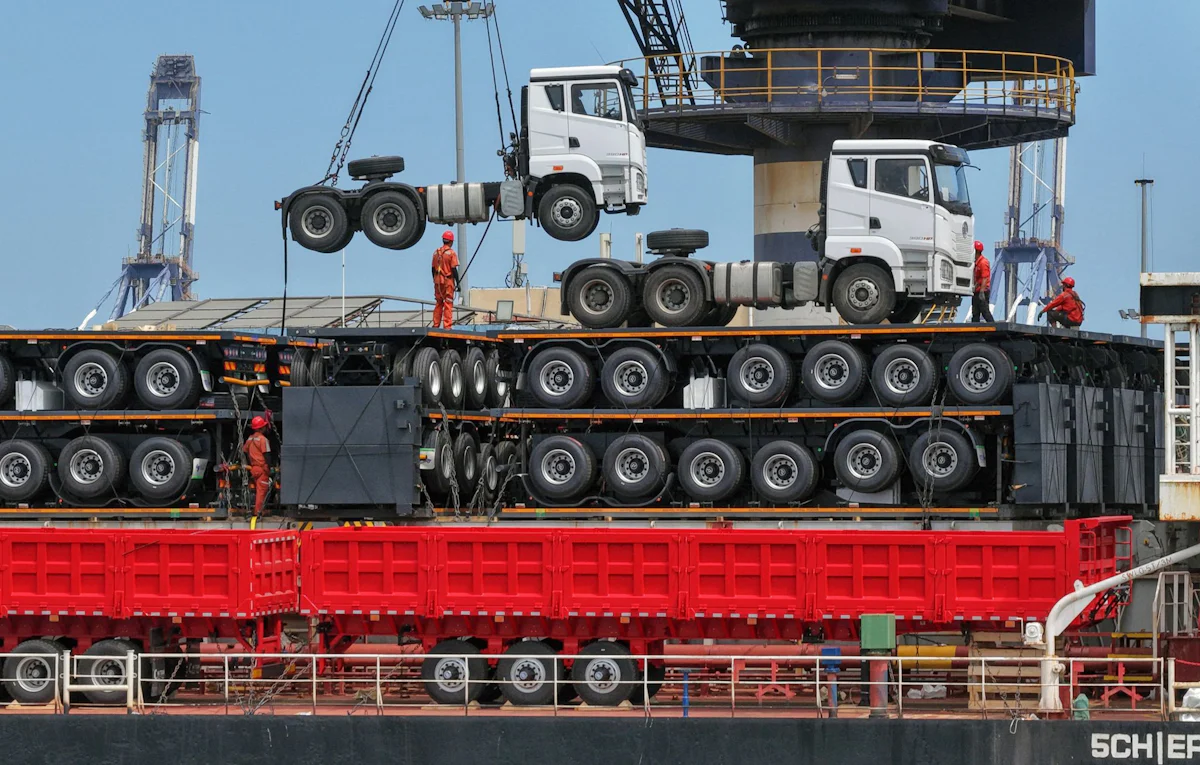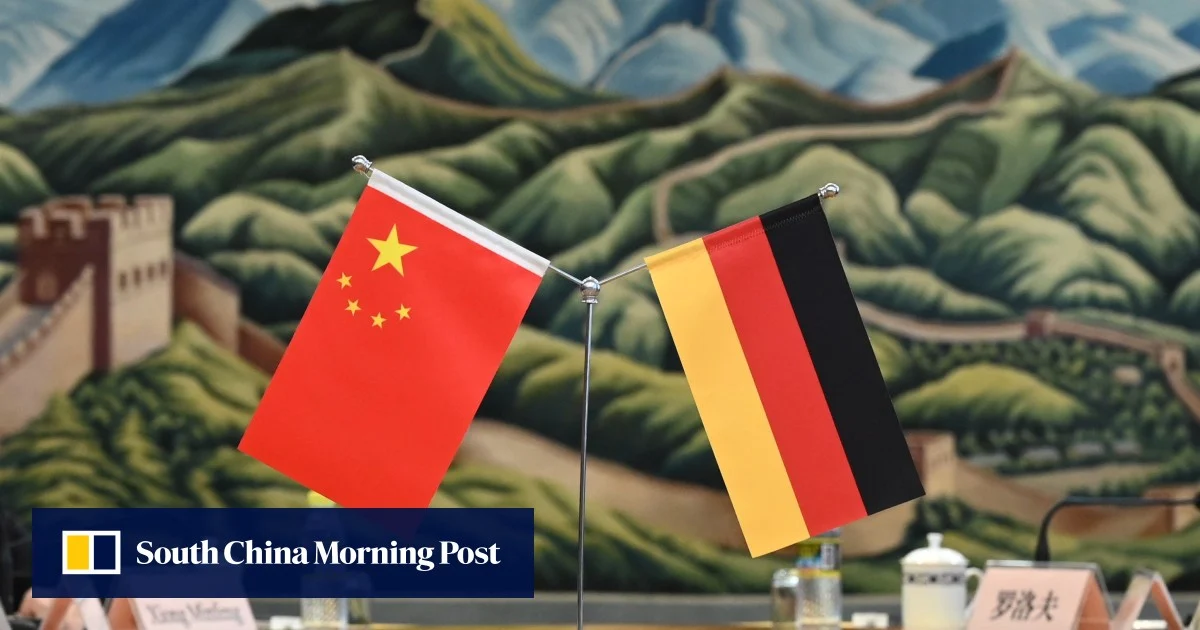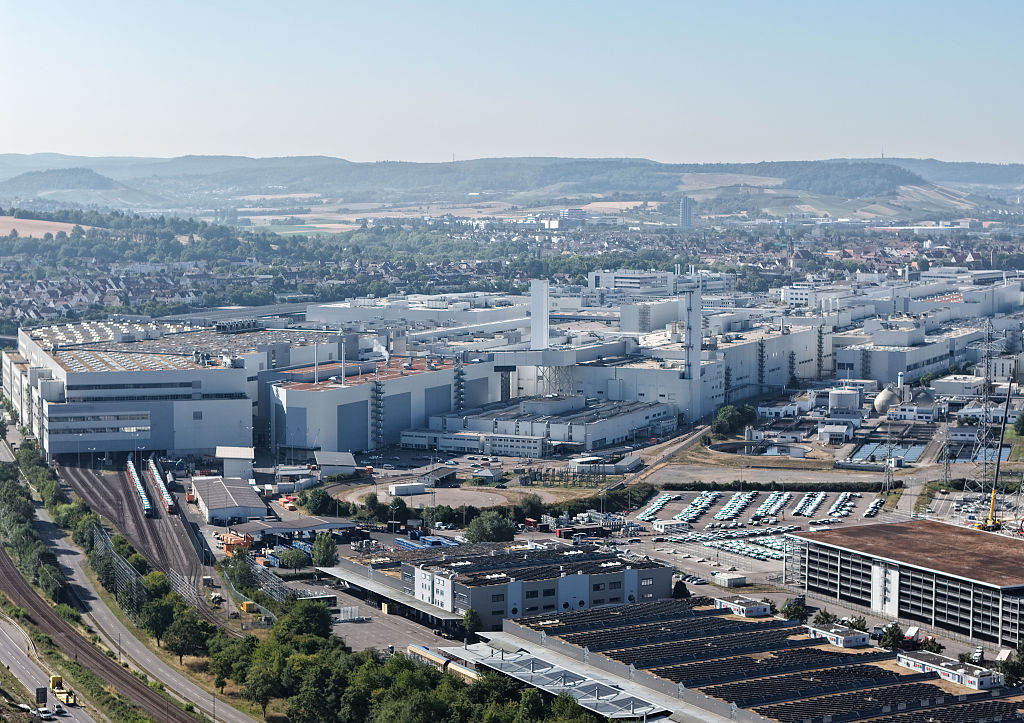
The claim by Tanja Gonner, chief executive of the Federation of German Industries, or BDI, in a Monday report of Frankfurter Allgemeine Zeitung, that a "China Shock 2.0" "threatens" the entire German industrial system is a lamentable and deeply flawed example of scaremongering.
Reportedly, Germany is mapping out vulnerabilities in China's supply chain in order to use this information as leverage in a possible trade war with China.
Some Western politicians and analysts find it far easier to make China a scapegoat than to confront the real challenges festering at home — whether soaring energy costs, suffocating bureaucratic red tape, or the painfully slow pipeline from lab to market. If their real objective were industrial renewal rather than political point-scoring, they would not have overlooked the "China Opportunity 2.0" that proponents of the "China Shock 2.0" narrative have intentionally erased from the debate.
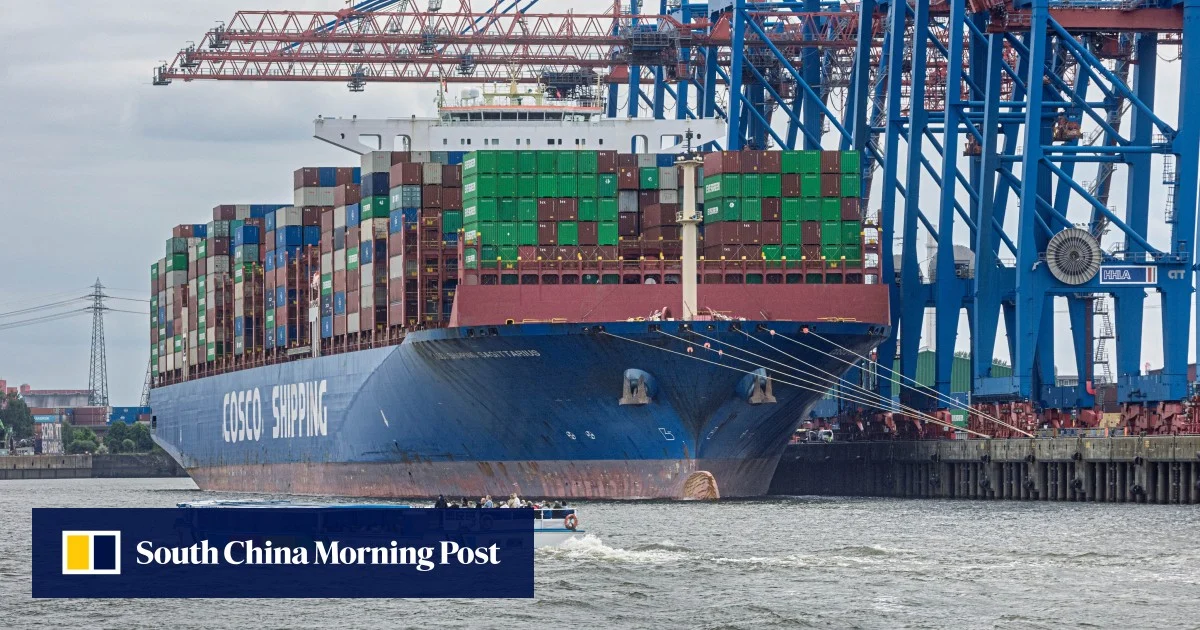
The experience of German businesses in China tells a very different story from Gonner's alarmist warnings. China reclaimed its position as Germany's largest trading partner in 2025, with a bilateral trade of 253 billion euros ($299 billion), up 2.7 percent from 2024, underscoring the depth of their economic complementarity.