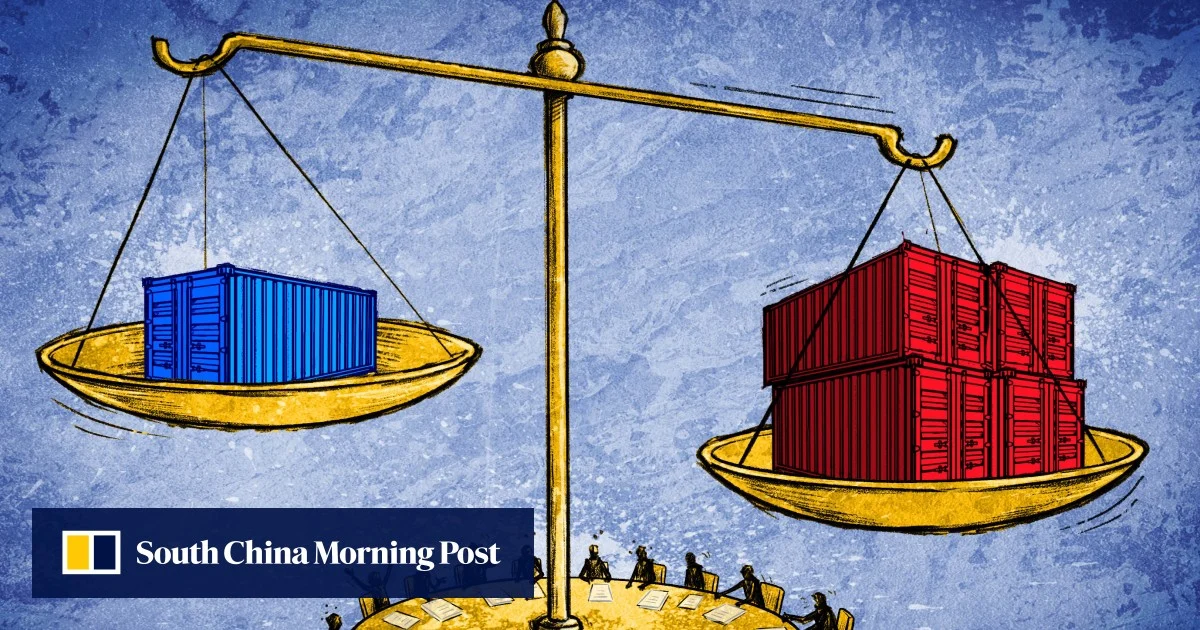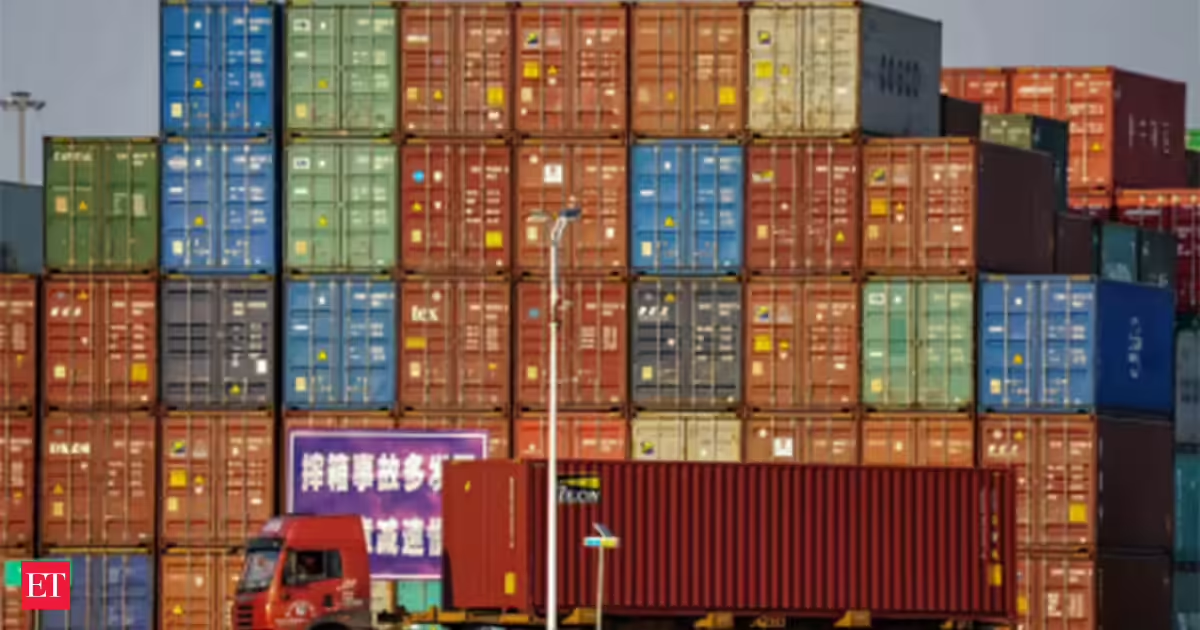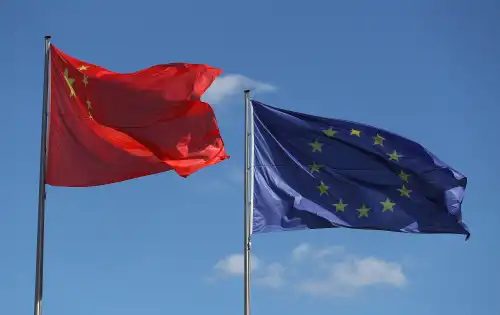
As China searches for markets to absorb its excess exports, it has increasingly directed much of that manufacturing overcapacity toward Europe, hollowing out the continent’s industrial capacity. On this episode of The Beijing Brief, Ryan Hass and Jon Czin are joined by Constanze Stelzenmüller and Kari Heerman to examine how Europe reached this point, what it can do to safeguard itself and advance its economic growth, and whether it can unify behind a solution.
[music]
HASS: Hello, you’re listening to The Beijing Brief from the John L. Thornton China Center at Brookings, part of the Brookings Podcast Network. My name is Ryan Hass, director of the China Center.
CZIN: And I’m Jon Czin, the Michael H. Armacost Chair in the China Center. The Beijing Brief is a biweekly podcast focused on unpacking the forces shaping US-China relations and China’s political, economic, and technological ambitions.
HASS: So while the United States was putting up protectionist walls and waging a trade war with China, China has redirected much of its exports towards open markets, including in Europe. Chinese exports to the EU have increased 89% since 2015, quadrupling the trade deficit. Because of this China shock 2.0, Europe risks losing hundreds of thousands of jobs from deindustrialization.