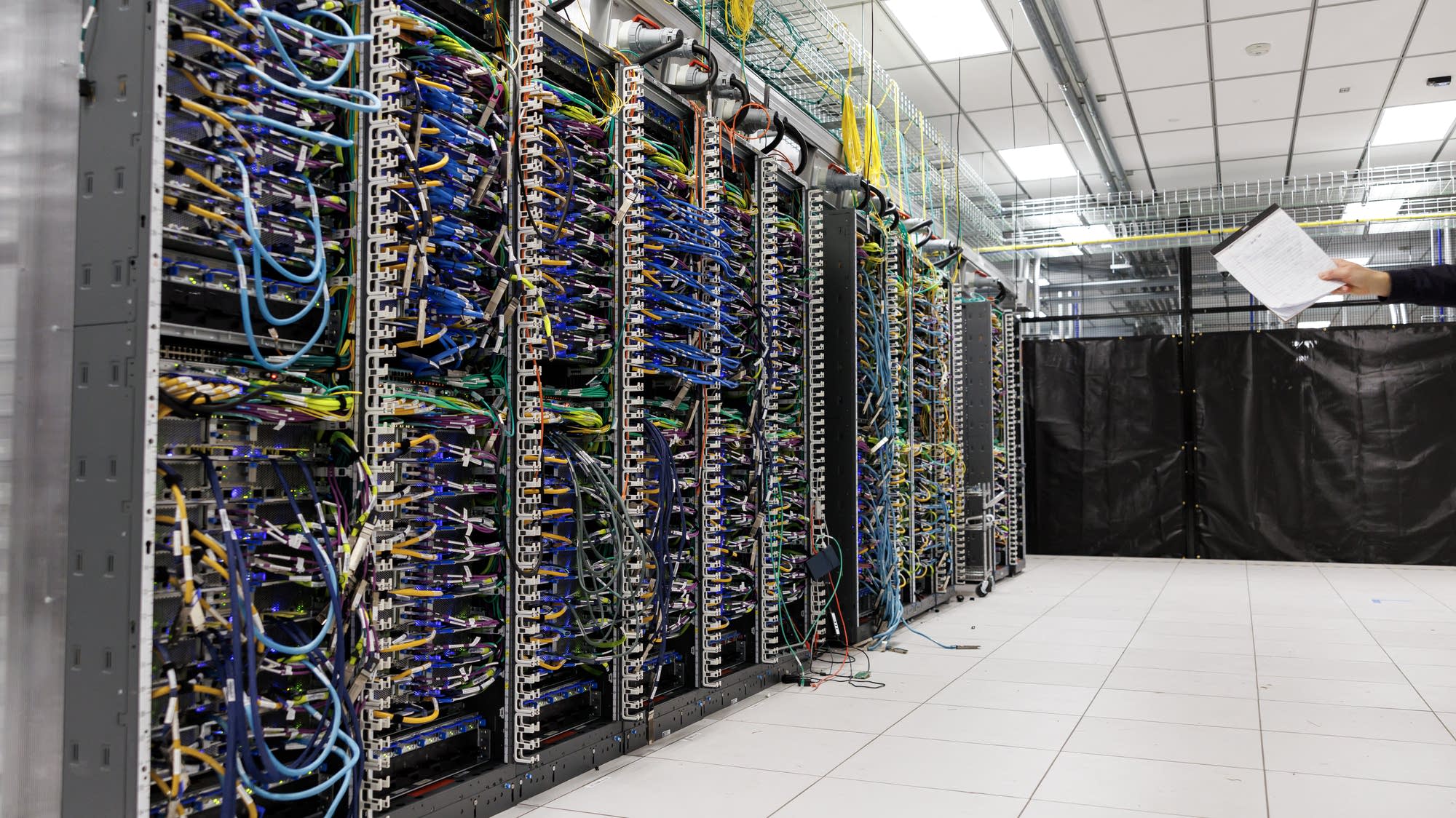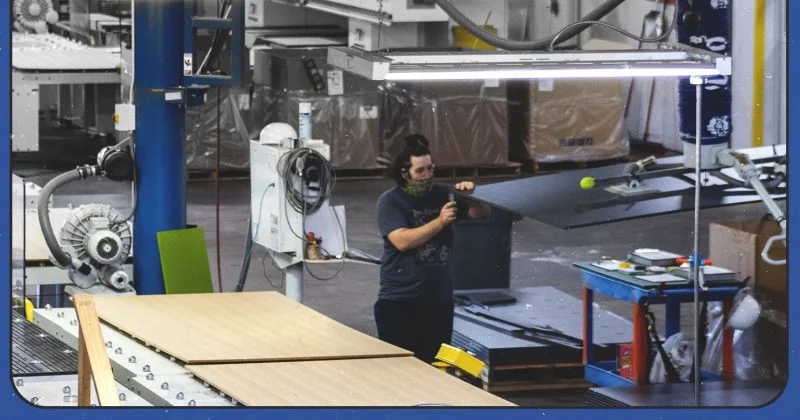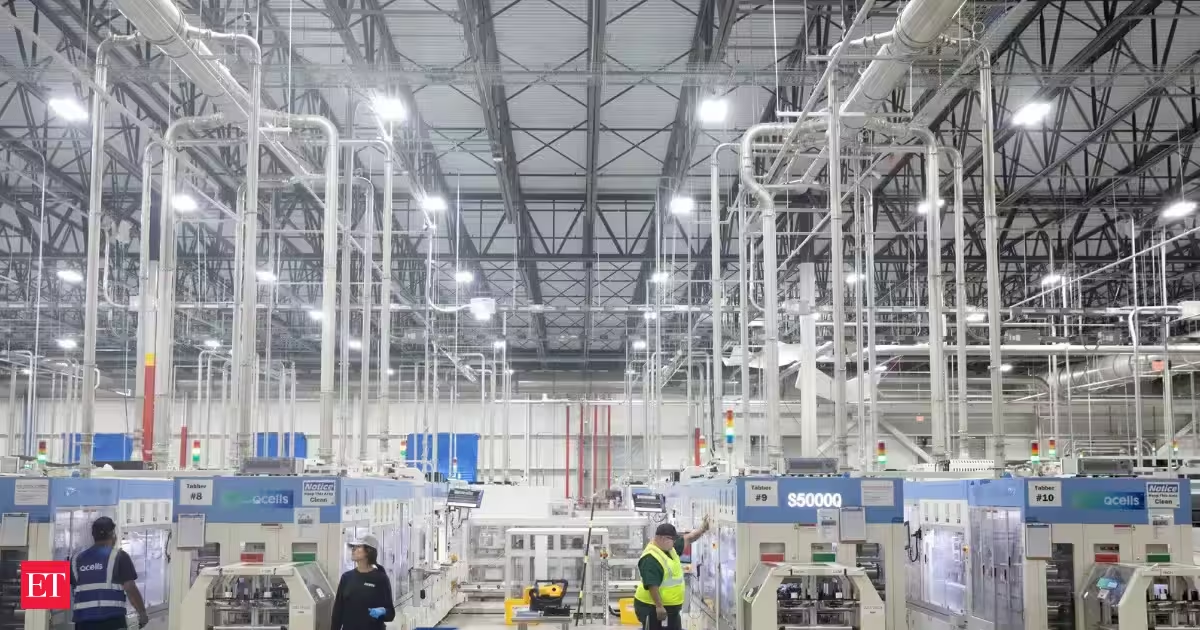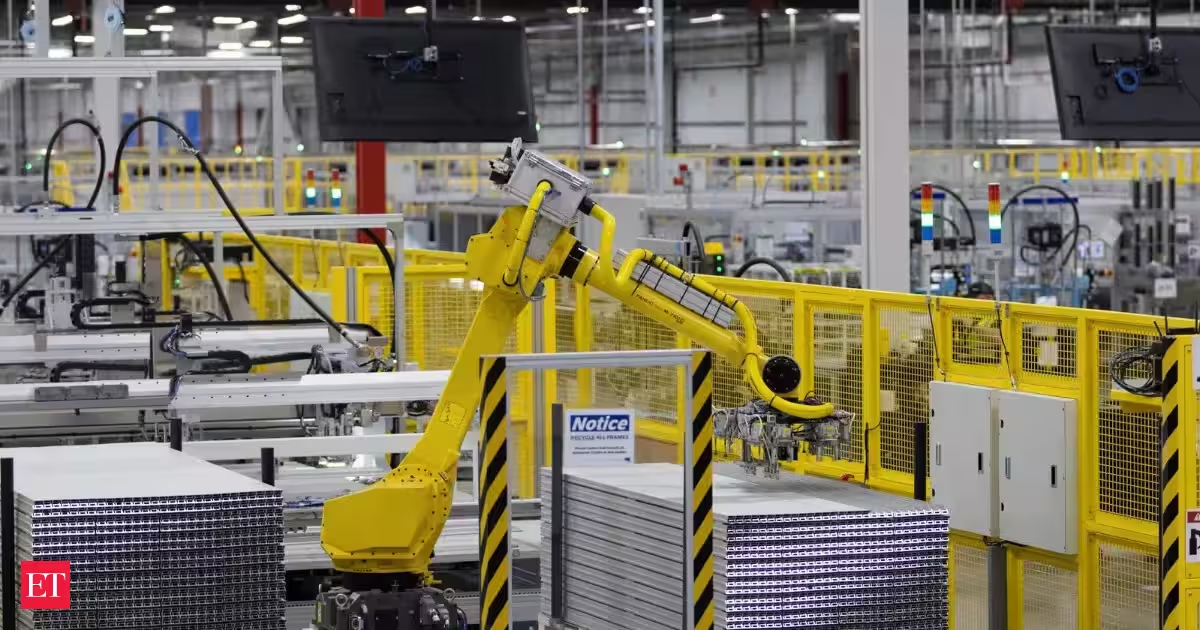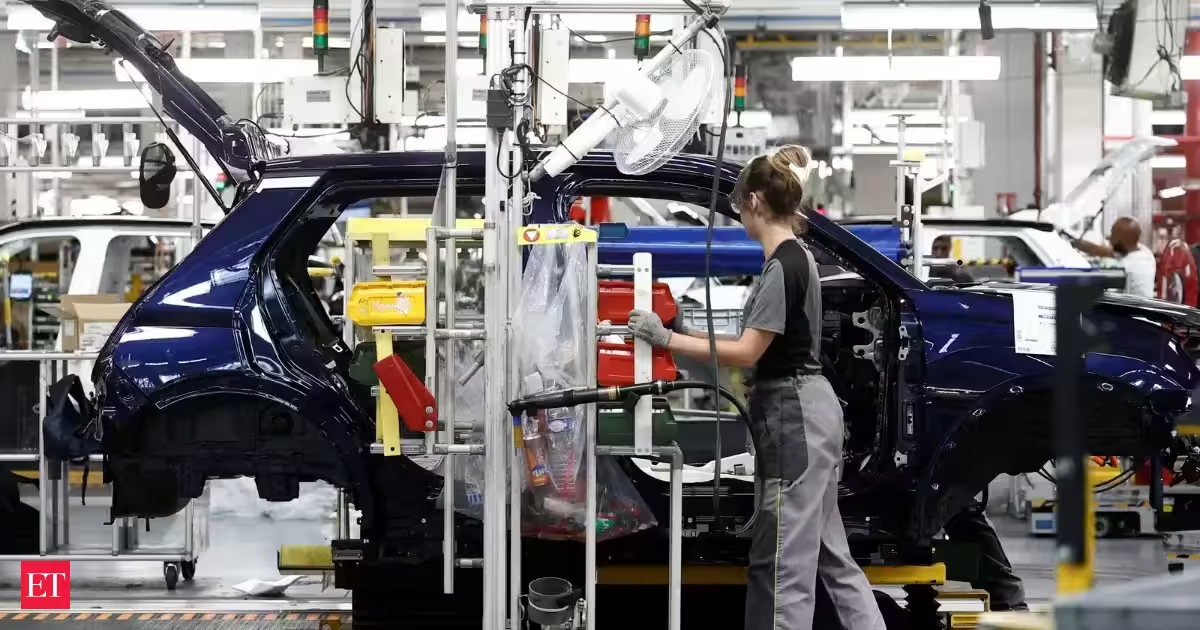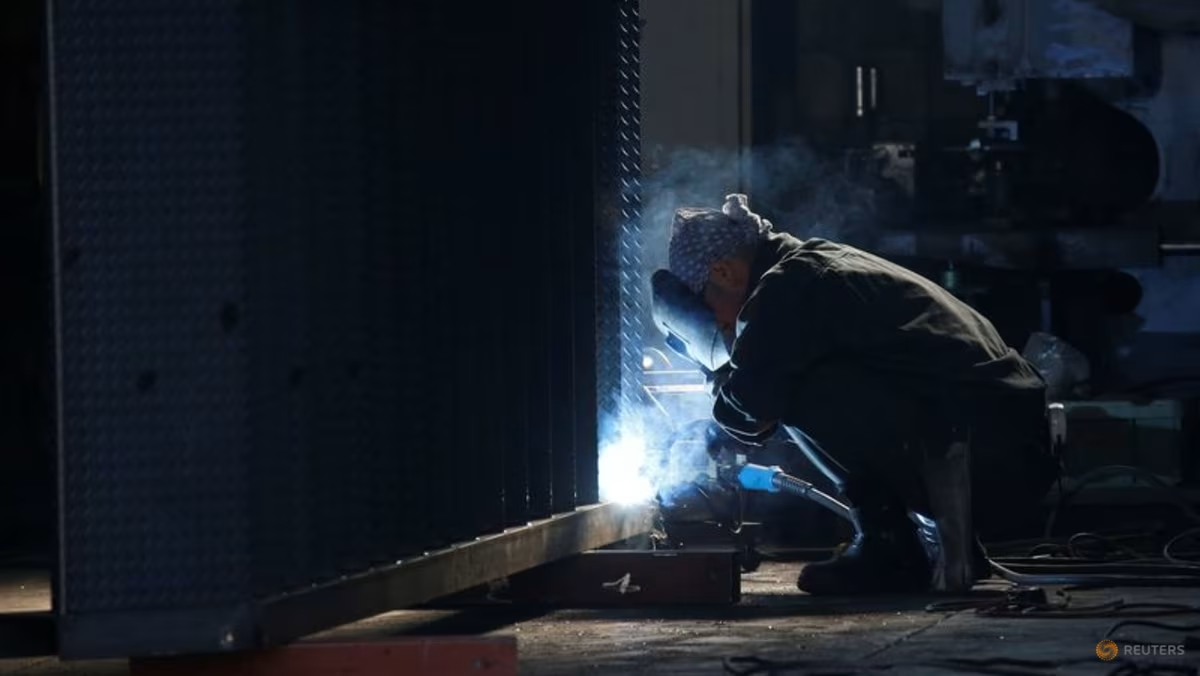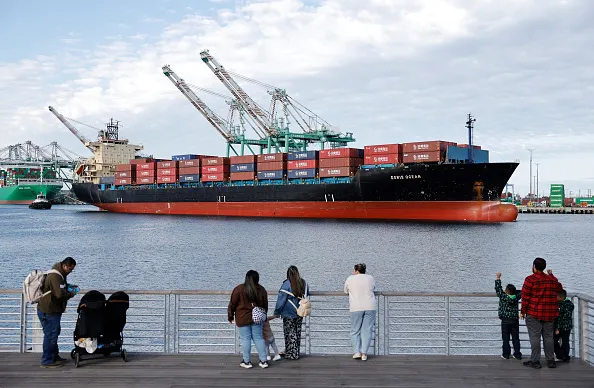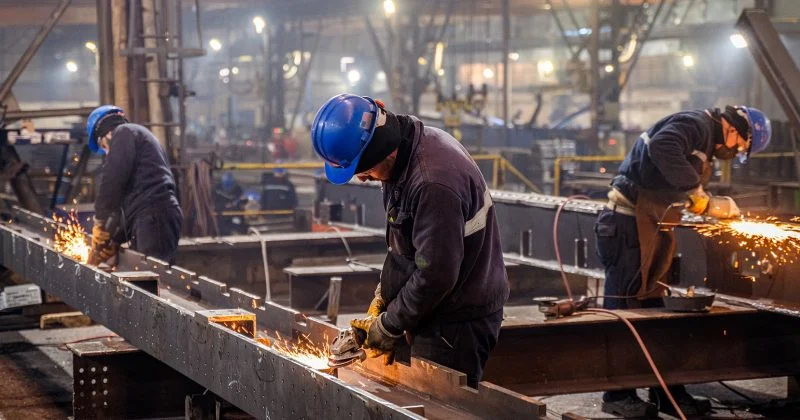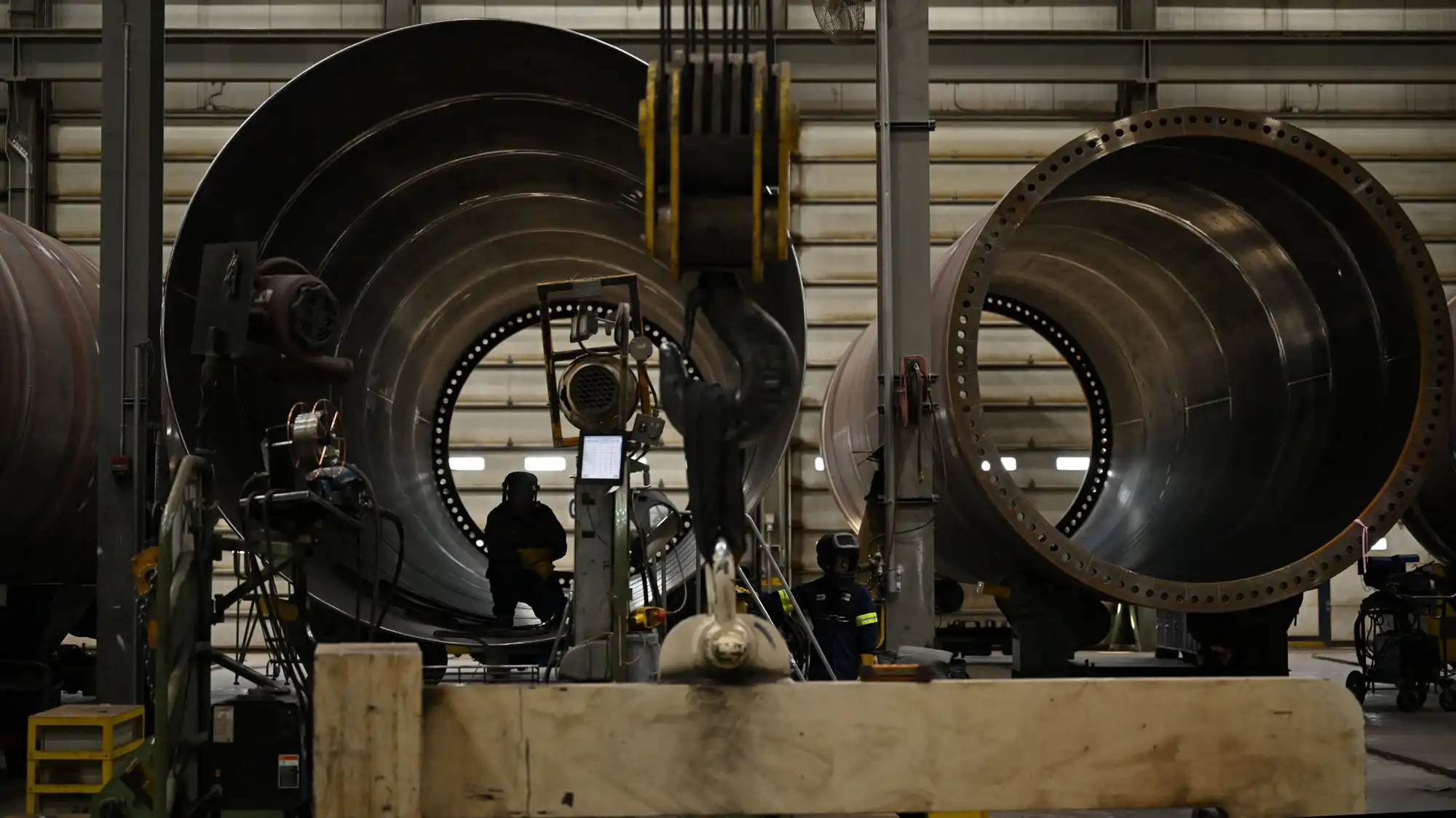
Orders of durable goods picked up in June, according to new data from the Census Bureau. That comes on top of a separate report from the Institute for Supply Management, which found that in July, the entire manufacturing sector expanded at its fastest rate in four years, thanks to a pickup in demand and production activity, backlogs, and even employment.All of this is noteworthy, given that manufacturers are still facing a number of headwinds — including higher energy costs, elevated interest rates, tariffs, and an uncertain economy. The manufacturing sector’s been picking up, in part, because manufacturers are building out their capacity.Last year’s tax law helped many businesses upgrade, “whether it’s property, plant, and equipment, whether it’s investing in a new segment of the business,” said Matthew Miskin, co-chief investment strategist at Manulife John Hancock Investments.The manufacturing sector’s also seeing plenty of demand, Miskin said — especially from other businesses. “And what is the big business expense of 2026? It’s this little-heard-of-thing called AI.”Miskin said data center development is creating demand for computers and other electronics. It’s also creating demand for industrial equipment, per Bernard Yaros, lead U.S. economist with Oxford Economics.“You’re seeing a lot of demand for engines, turbines, and power transmission equipment, because the AI buildout — a key component of that is ultimately the necessary upgrades to the power grid,” he said.But it’s not just AI, Yaros added. The Institute for Supply Management found that inventory levels right now are low for transportation equipment, food and beverages, chemicals, plastic and rubber products. That means all kinds of businesses are gonna have to restock.“And that’s also going to be a broad tailwind to manufacturing, as businesses need to replenish their inventories of goods,” Yaros said.Businesses also might want to restock because they’re worried about the president’s new round of import taxes. But many manufacturers have gotten used to tariffs by now, noted Scott Paul, president of the Alliance for American Manufacturing.“Instead of either delaying some of these capital expenses or purchases, or hoping that there would be a different outcome, there’s this realization that this is the new normal, but we can operate successfully with this,” Paul said.Higher tariffs could cause the manufacturing sector to slow down, he added. The same is true with an escalation in the Middle East or higher interest rates. But for now, Paul said the sector’s proving to be resilient.
Manufacturing sector benefits from continued AI demand
Many manufacturers are also finding themselves with the need to restock, which also floats demand.
TL;DRAI
U.S. manufacturing expanded at 4-year high in July, driven by AI data center buildout and power infrastructure upgrade demand. Signals sustained IT infrastructure capex—servers, power systems, equipment—as organizations scale AI deployments and replenish inventory.
397 words~2 min read