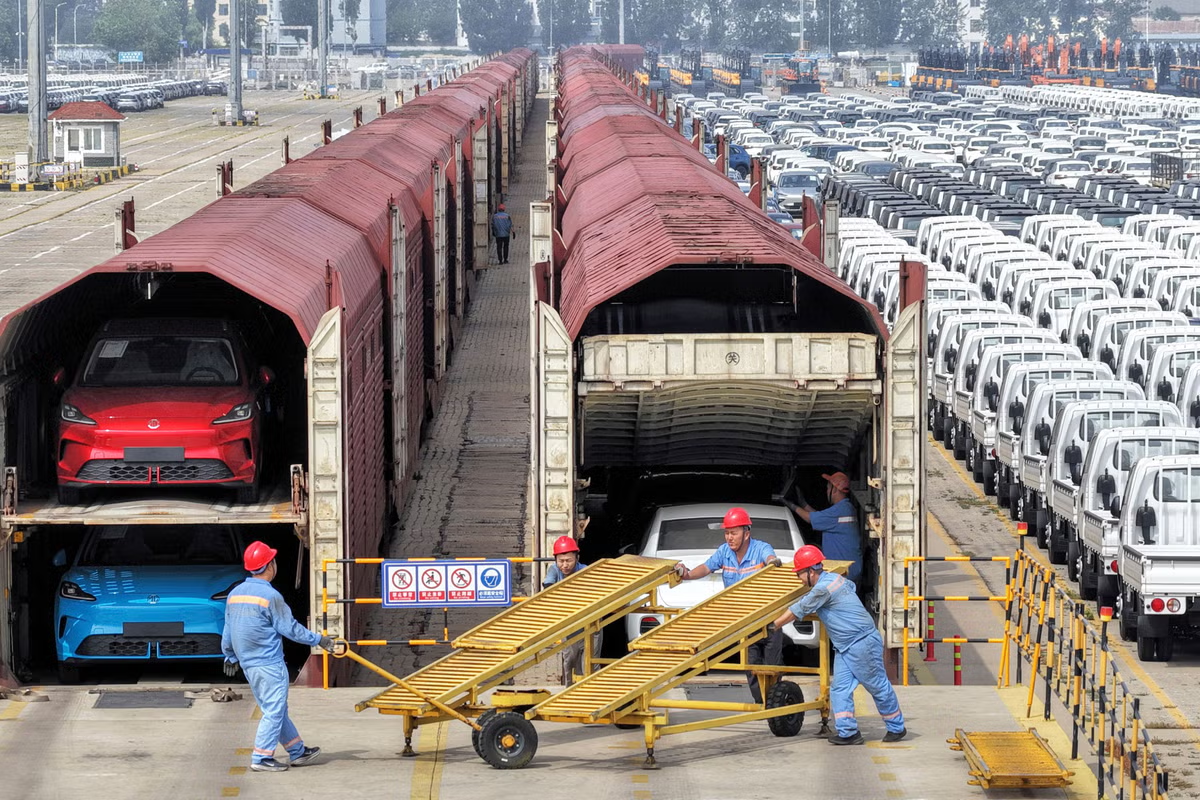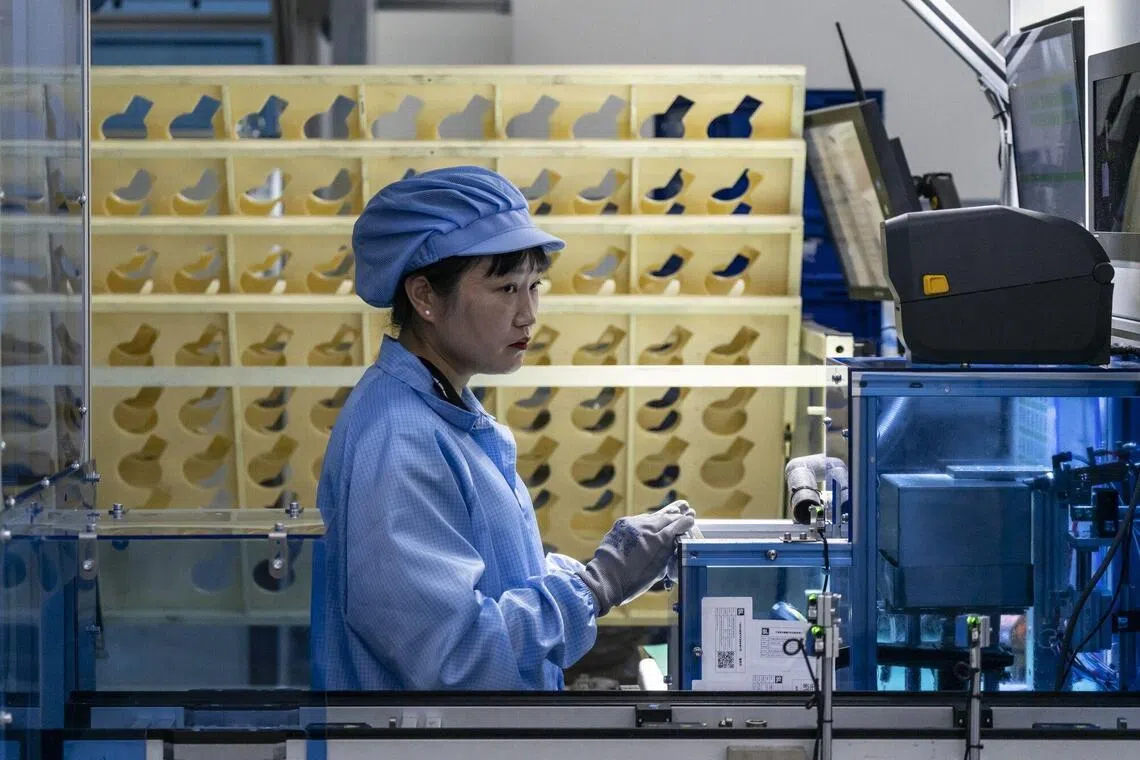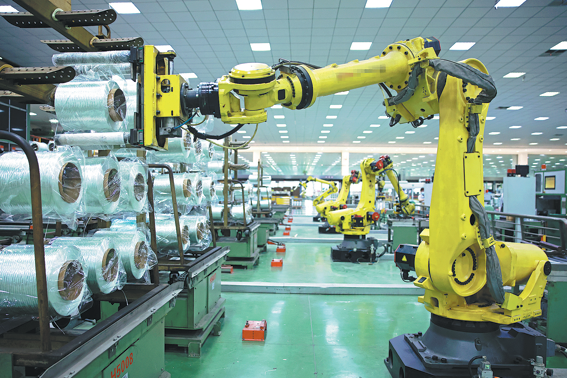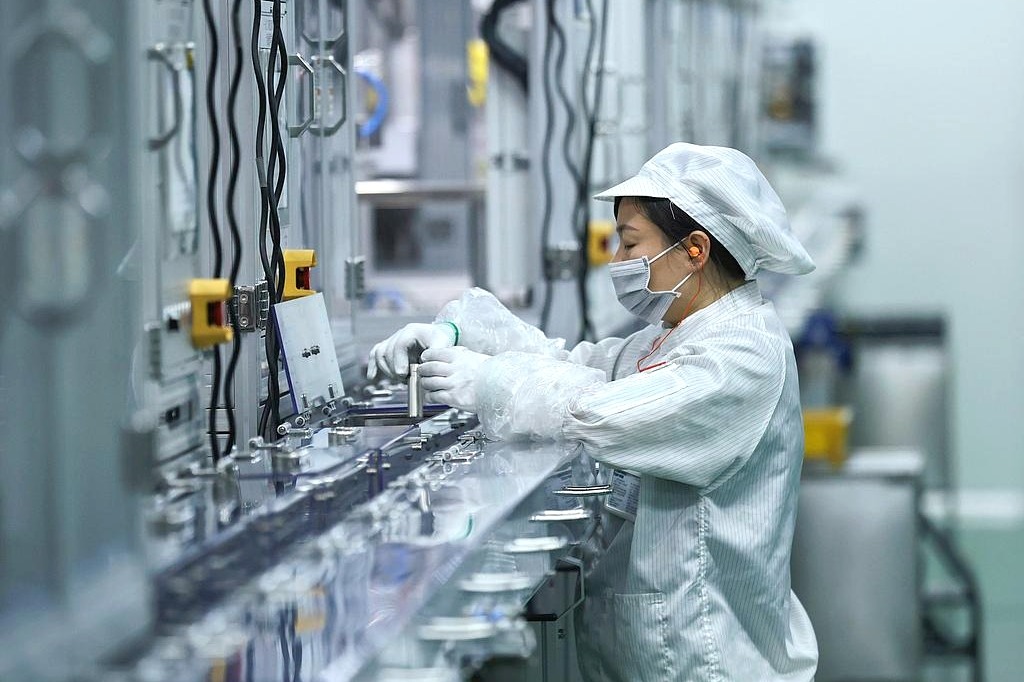
China’s manufacturing sector notched its strongest reading in months, powered by a familiar engine: the world’s insatiable appetite for artificial intelligence hardware. The official Purchasing Managers’ Index climbed to 50.3 in June 2026, up from a flat 50.0 in May, according to data published by the National Bureau of Statistics on June 30.
That beat the 50.1 consensus from a Reuters poll of economists. In PMI language, anything above 50 signals expansion, so 50.3 is not exactly fireworks. But in an economy wrestling with a sluggish property market and weak consumer spending, even modest growth in factory output counts as a win.
AI is doing the heavy lifting
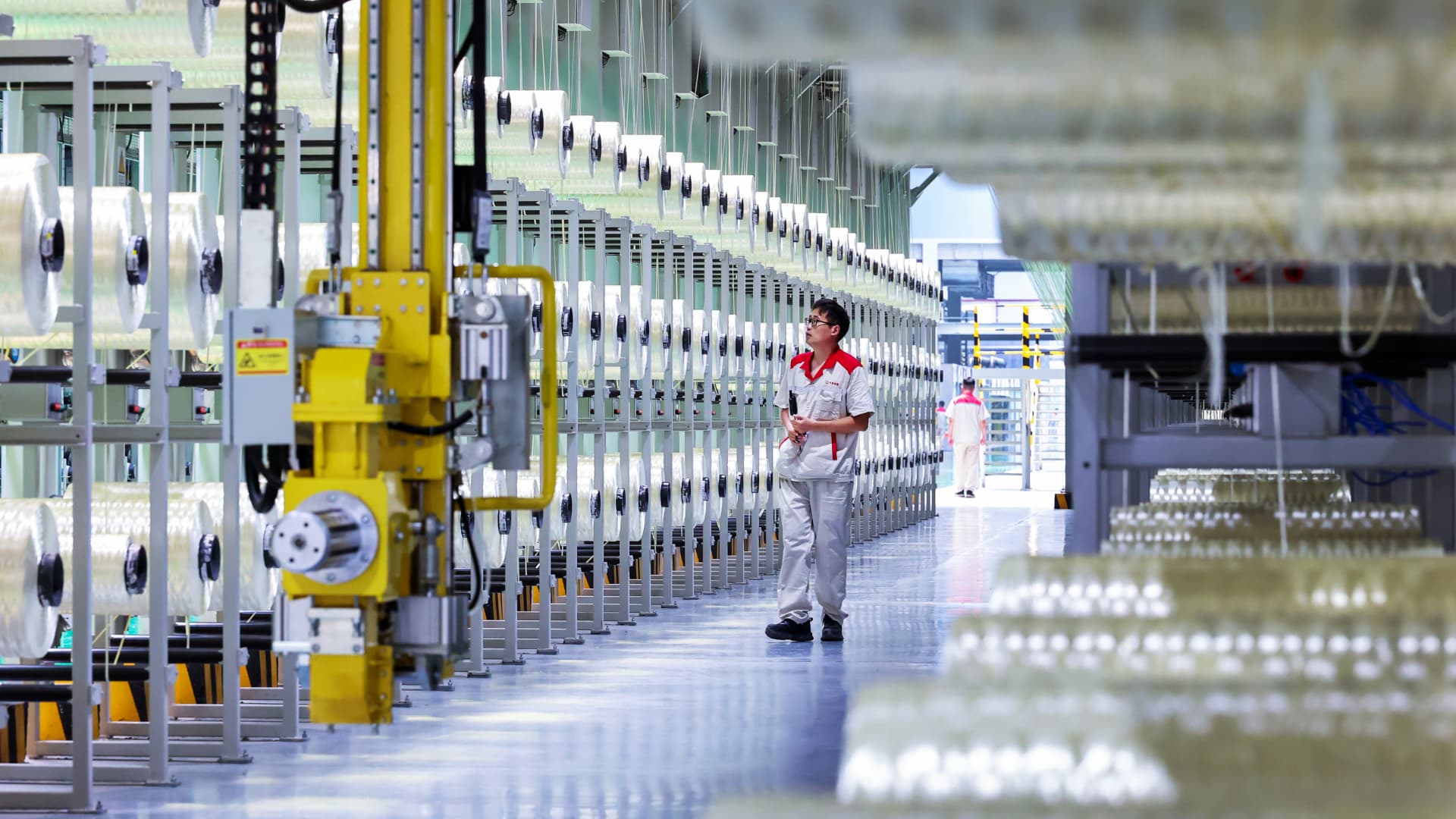
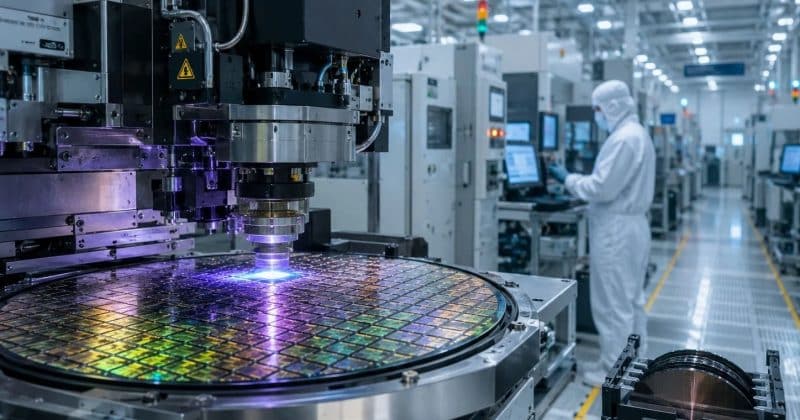
High-tech manufacturing posted a PMI of 53.5, well above the overall reading and firmly in expansion territory. That gap matters. It means the factories making chips, servers, robotics components, and other AI-adjacent gear are operating in a fundamentally different economy than the ones making, say, steel rebar for apartment buildings nobody is buying.
Output across the broader manufacturing sector hit 51.4, while new orders came in at 51.2. Both figures indicate genuine activity growth, not just sentiment improvement. Foreign orders ticked up to 50.1. That is barely above the expansion line, but it marks a return to growth in overseas demand after months of wobbling.