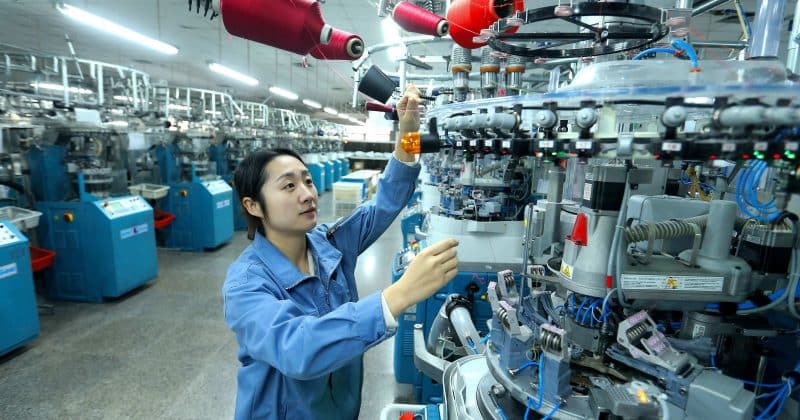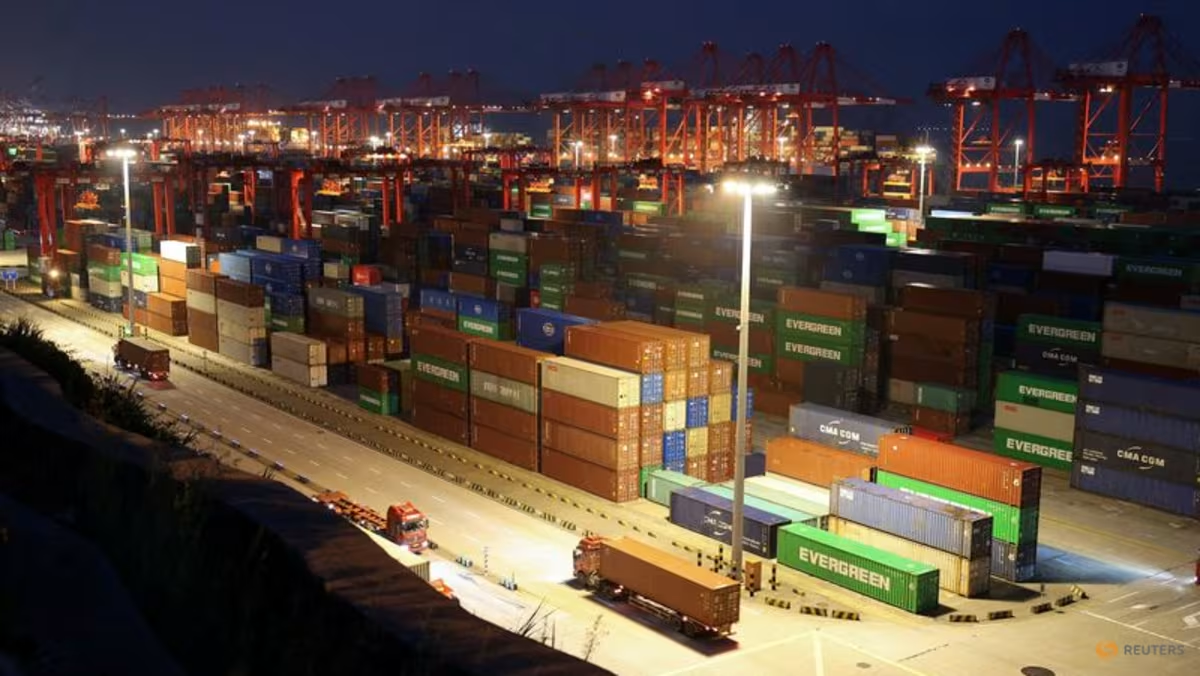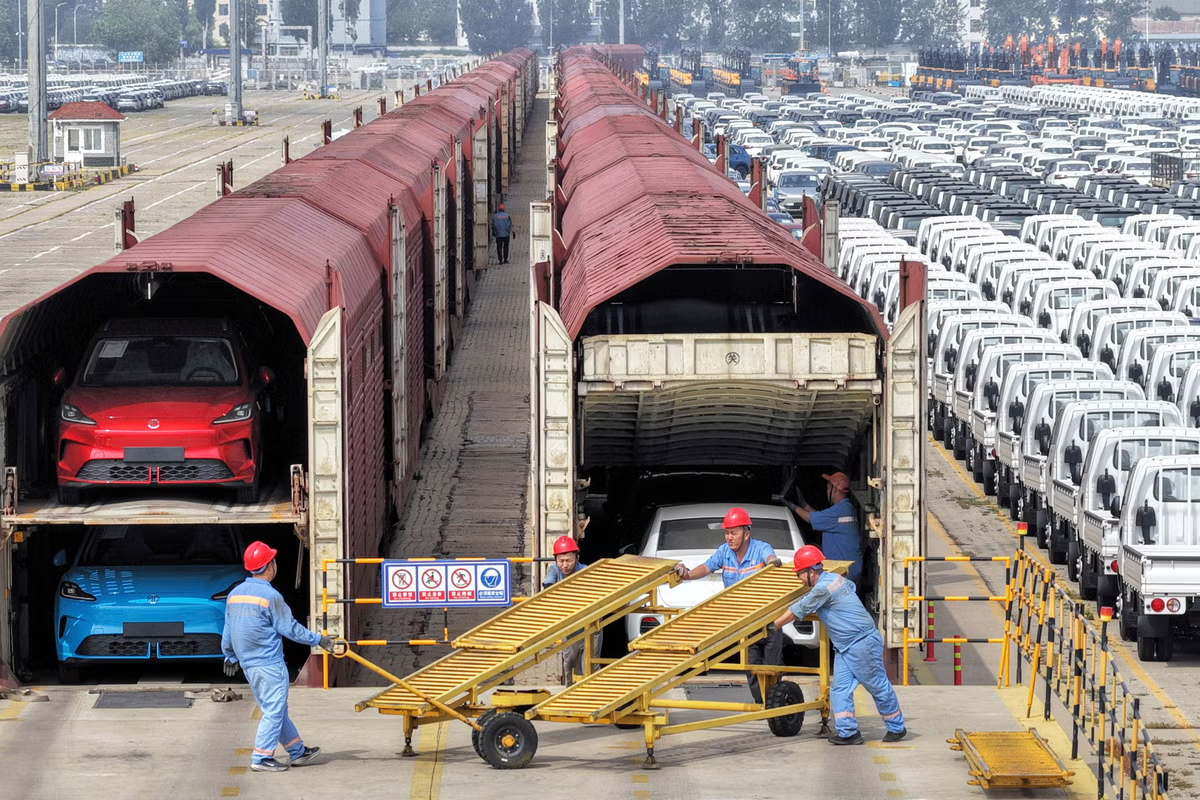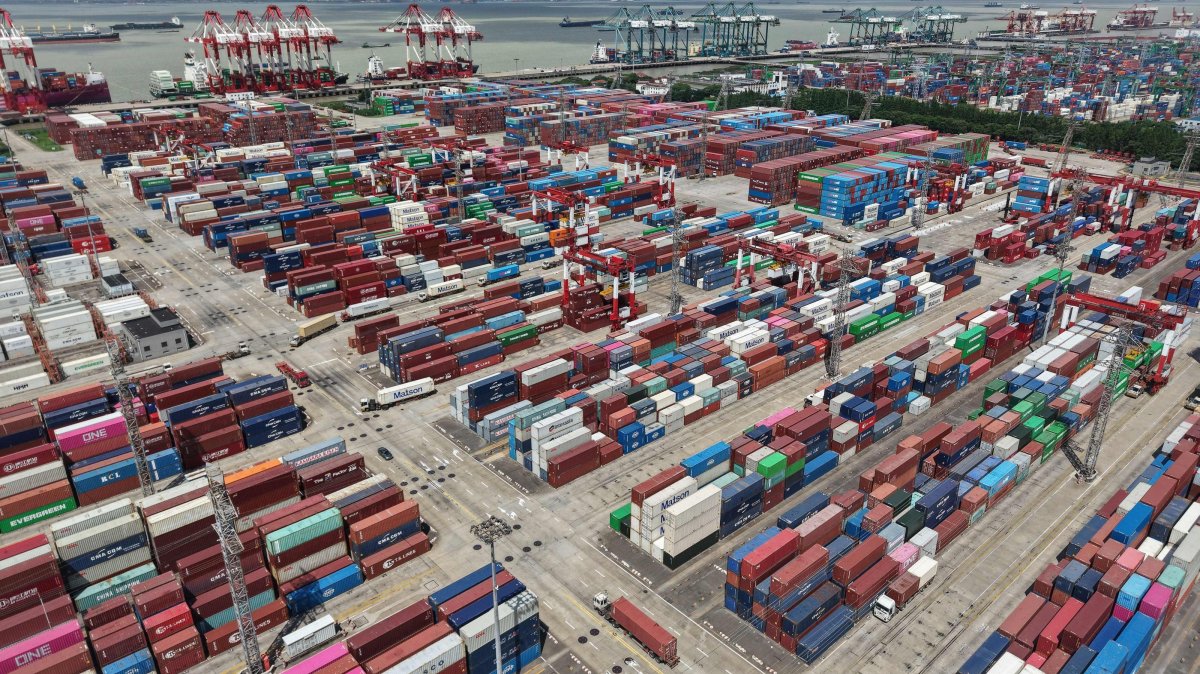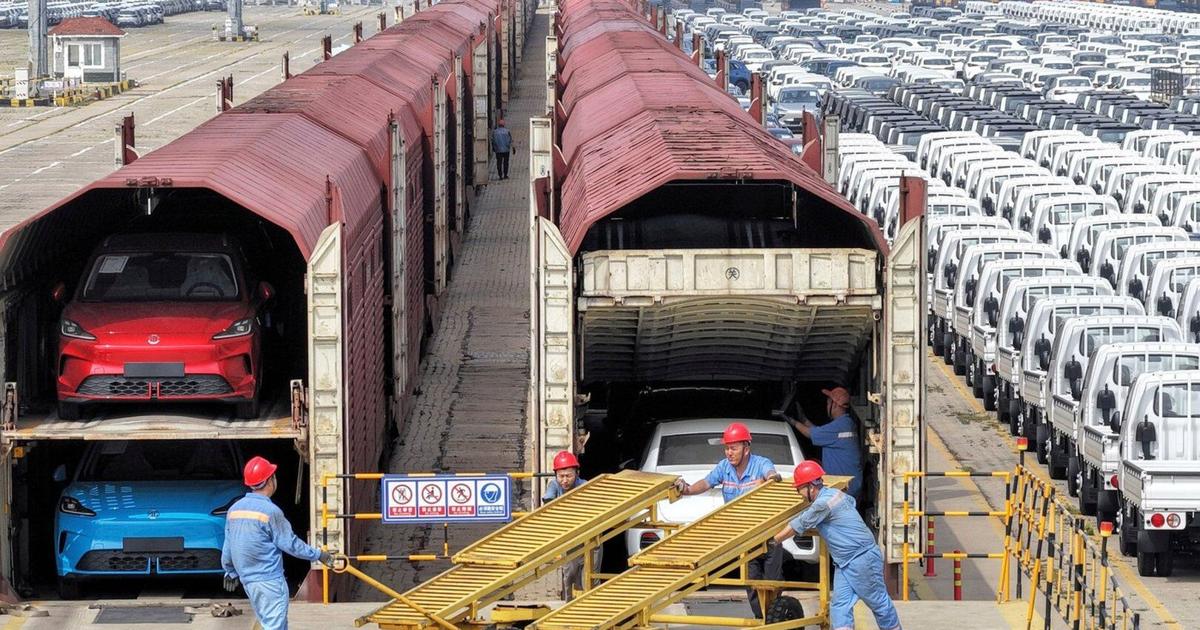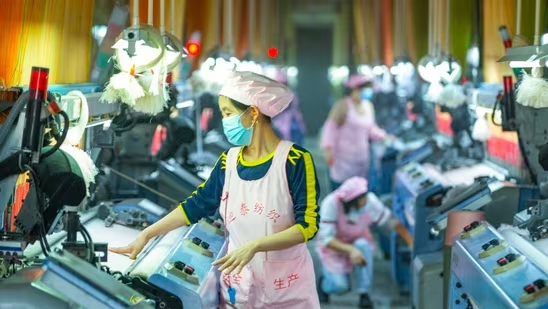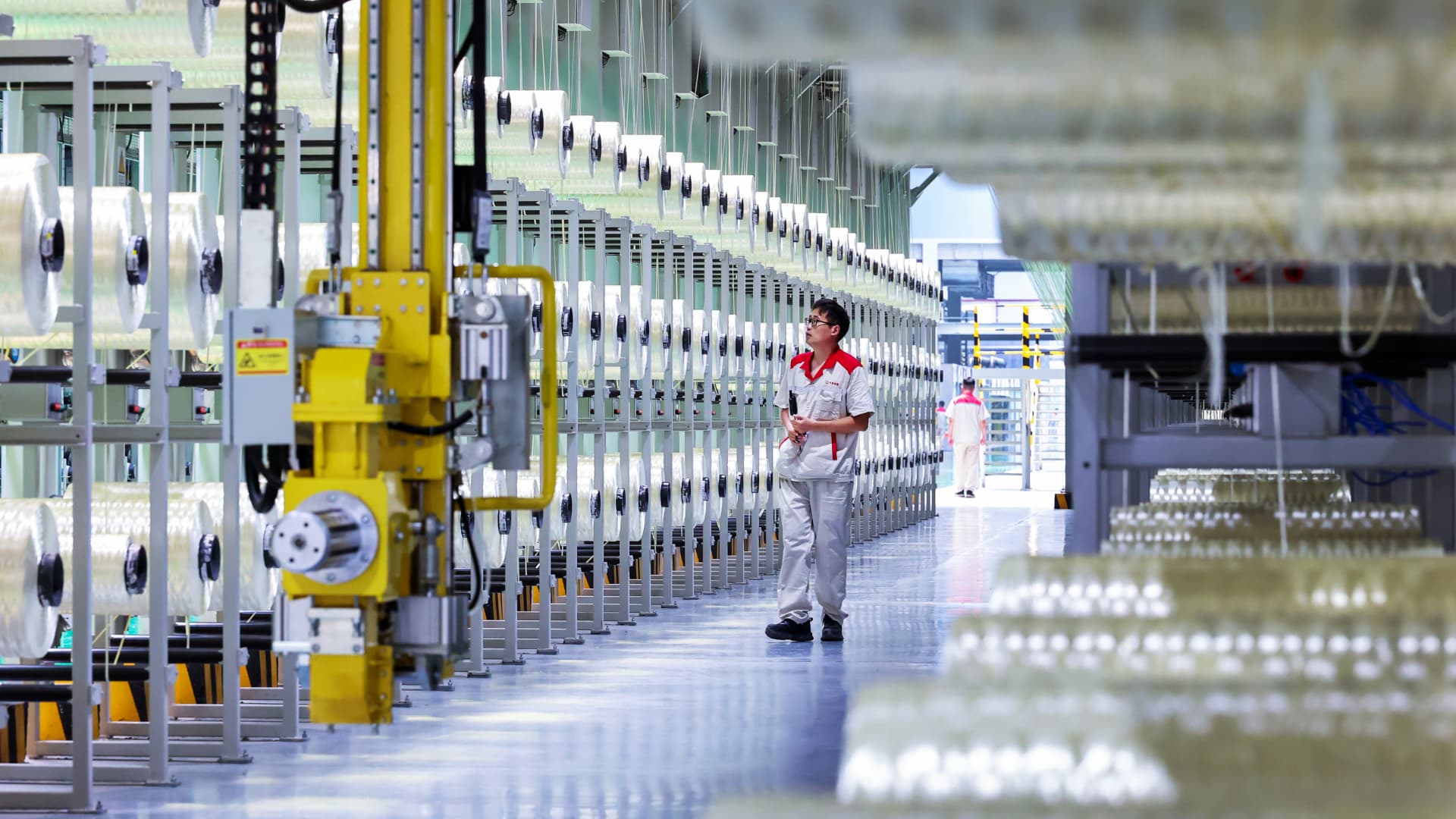
BEIJING - China’s factory activity returned to expansion in June, driven by demand for chips, computers and other AI-related products, as robust export orders and front-loading to the United States to get ahead of tariffs offset weakness elsewhere in the economy.The data suggest global AI investment is providing an important cushion for manufacturers in China’s economy, even as disruption from the Middle East conflict and a prolonged property slump continue to weigh on broader growth.The official manufacturing purchasing managers’ index (PMI) rose to 50.3 in June from 50.0 in May, according to a survey by the National Bureau of Statistics (NBS). It beat a median forecast of 50.0 in a Reuters poll.“Exports to meet international demand for chips and other AI-related products, as well as front-loading to get ahead of new US Section 301 tariffs due late July and improved domestic demand due to lower upstream costs underpinned the improvement,” said Dan Wang, China director of consultancy Eurasia Group.The number of domestic infrastructure projects ticked up over the last month too, she added.Factory gate prices slipped to 48.2 from 51.9 in May, however, following five months of expansion, with employment also continuing to trend downward.“The export strength is set to continue, driven by global AI investment demand,” said Xu Tianchen, senior economist at the Economist Intelligence Unit. “Second, more policy easing will come.”“For example, fiscal spending has lagged behind budget arrangements, and it should accelerate in the coming months. There is also room for monetary easing,” he added.The non-manufacturing PMI, which includes services and construction, improved to 50.2 versus 50.1 in May, while the composite PMI came in at 50.6 compared with 50.5 a month earlier.AI boom or bustWeakness in the property market, employment and consumer spending continues to dampen growth, leaving China reliant on global demand to absorb goods produced by its industrial sector.There is enormous international demand for semiconductors powering data centres and advanced electronics, playing to China’s manufacturing strengths.But there does not seem to be much demand for anything else. Exports of furniture, for example, grew just 1.9 per cent in value terms year-on-year, according to the latest trade data for May, while shipments of automated data processing equipment jumped 60 per cent over the same period.Julian Evans-Pritchard, head of China Economics at Capital Economics, concurred that the improvement “remains heavily dependent on exports and AI-related tech,” and warned that “despite the improvement in activity, the manufacturing sector appears to be slipping back into deflation.”In the latest sign that China’s economy is not firing on all cylinders, its central bank instructed some commercial banks to increase their lending in June, people familiar with the matter said on June 26.With signs that front-loading triggered by Middle East-driven price increases is fading, input costs rising and overseas buyers running down inventories as they wait for a ceasefire, Chinese manufacturers need the world’s top consumer market to re-open for business.A closely watched meeting in May between US President Donald Trump and Chinese leader Xi Jinping, however, produced no meaningful breakthroughs, whether on tariffs or Beijing using its influence over Tehran to end the Iran war. REUTERS
China factory activity returns to expansion riding AI global boom
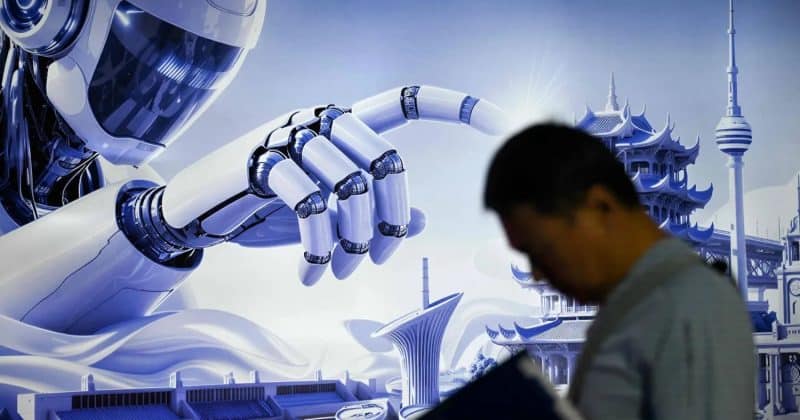
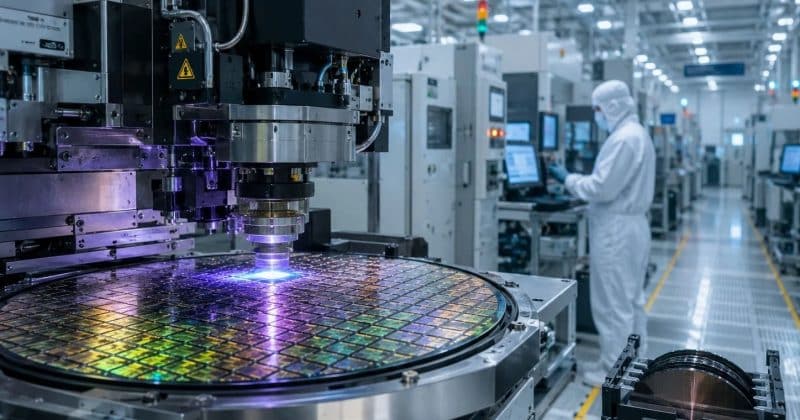
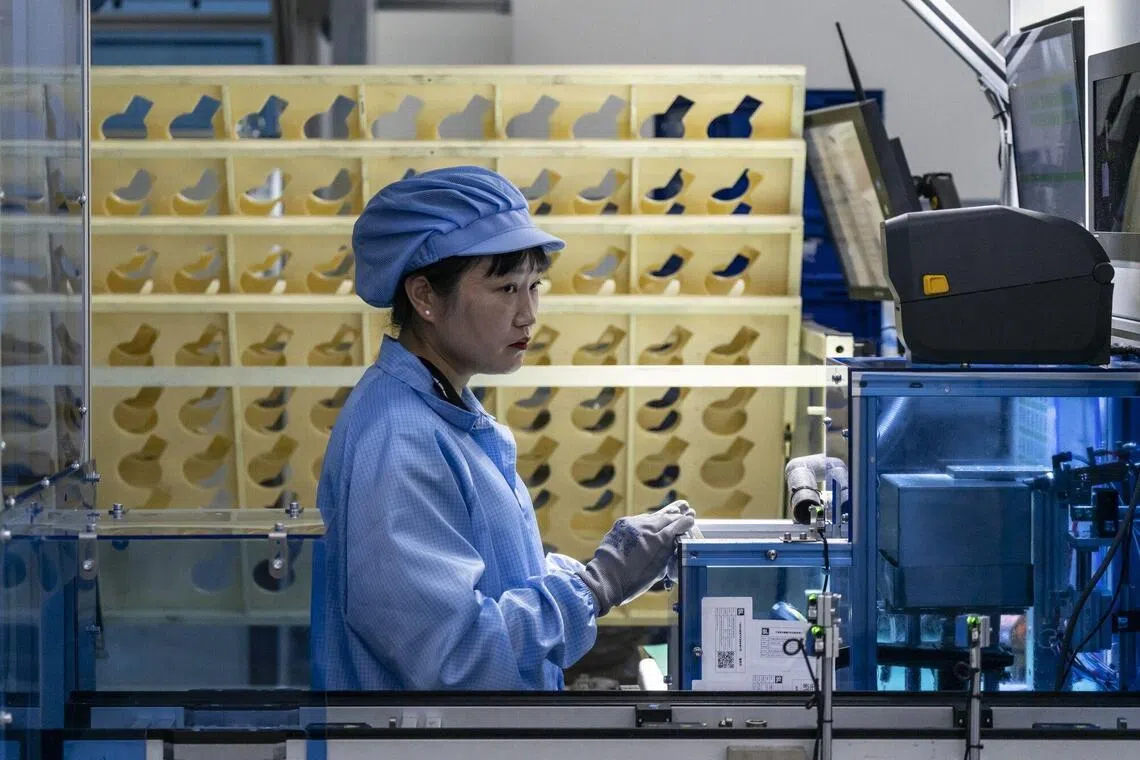
China is benefitting from strong global demand for semiconductors powering data centres and advanced electronics. Read more at straitstimes.com. Read more at straitstimes.com.
516 words~2 min read