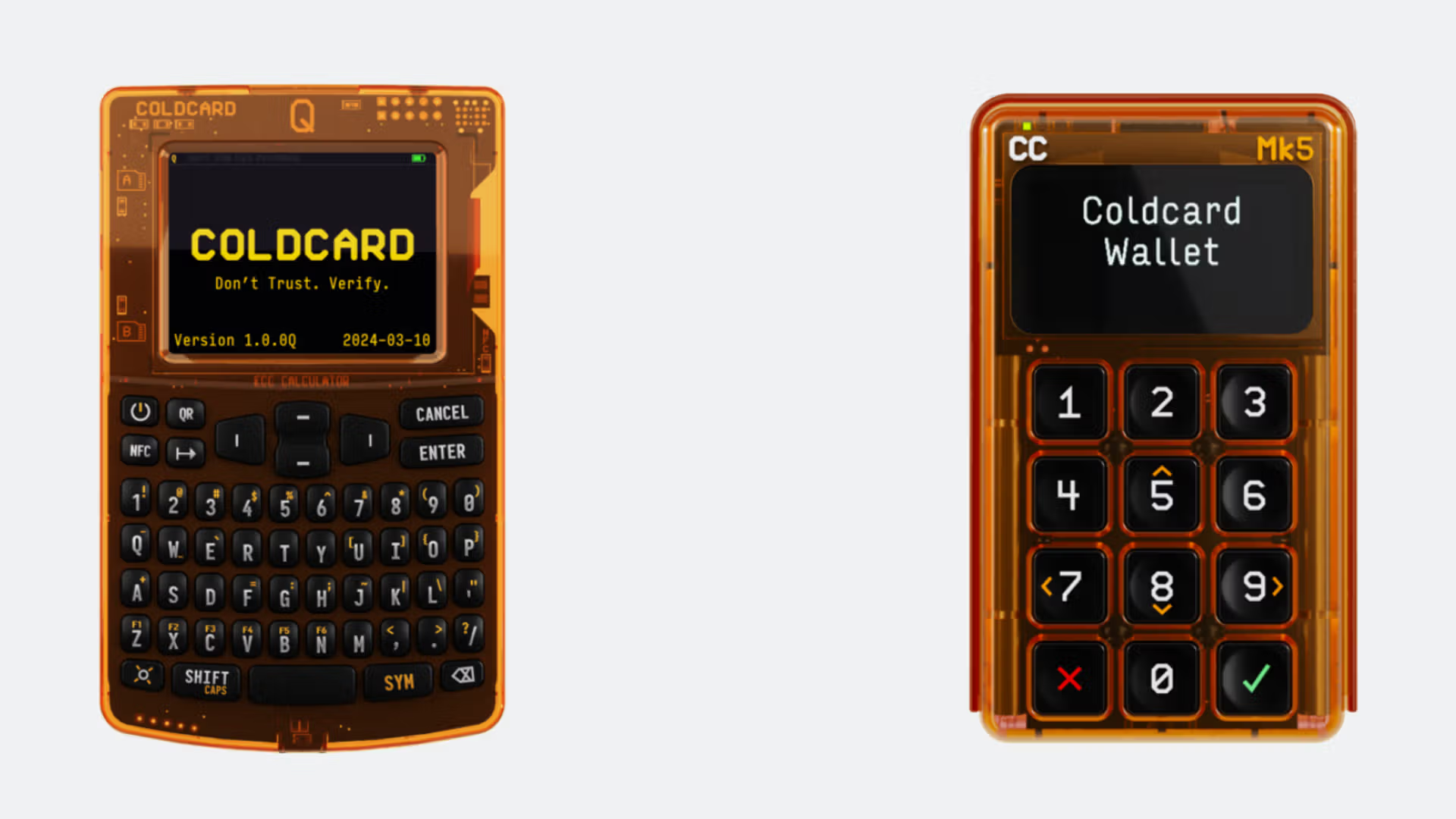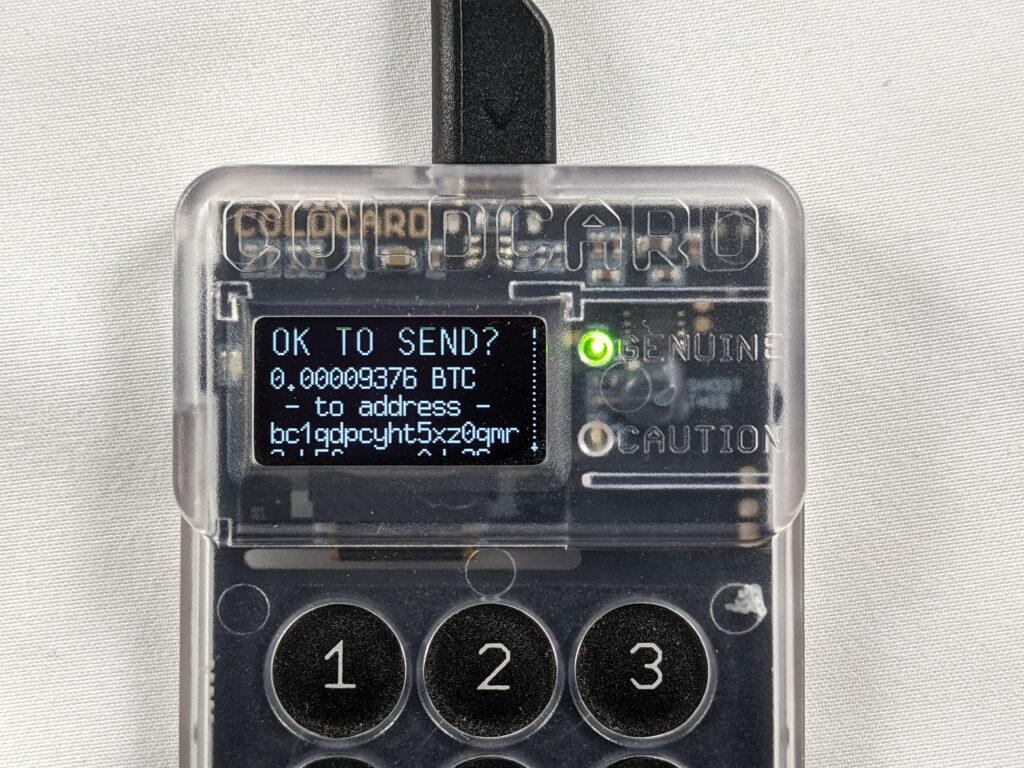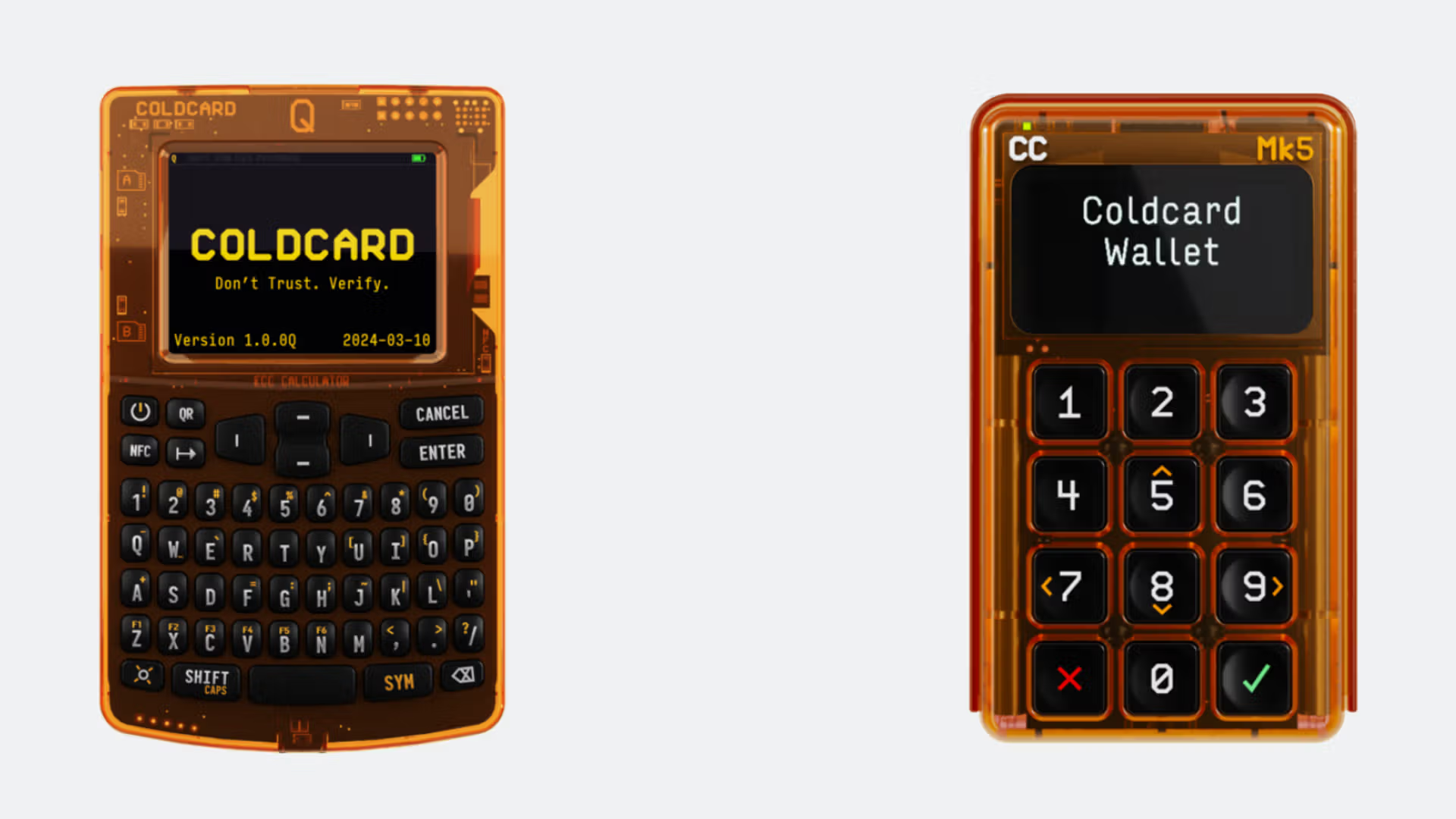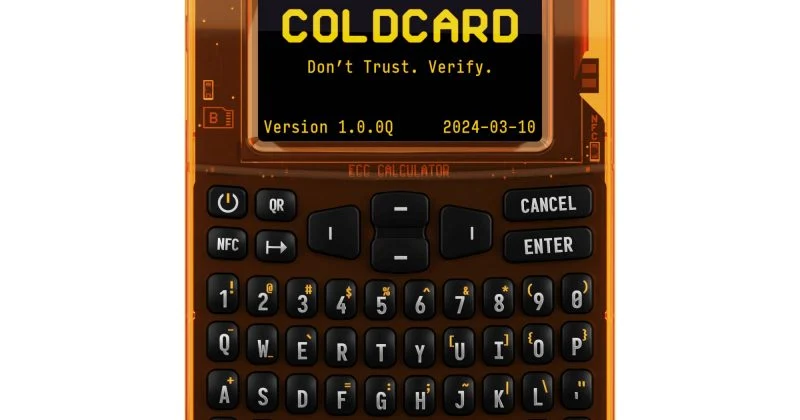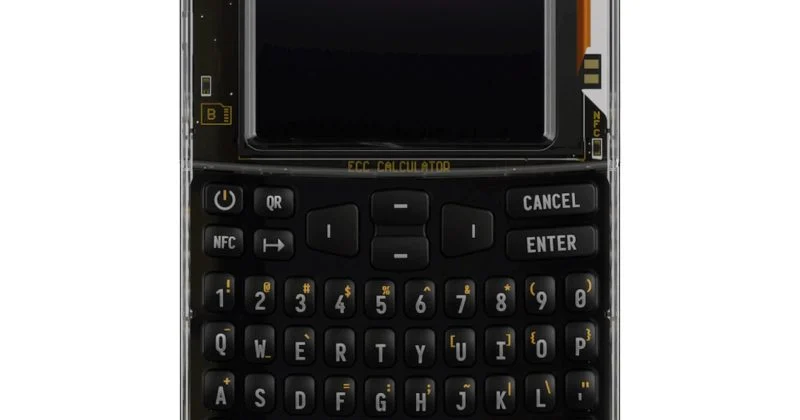
Hardware wallets are supposed to be the gold standard of Bitcoin security. The whole pitch is simple: keep your keys offline, away from hackers, away from exchanges, away from anything that could go wrong. So when a firmware flaw undermines that promise, the community tends to notice. When someone responds by literally shooting the device, everyone notices.
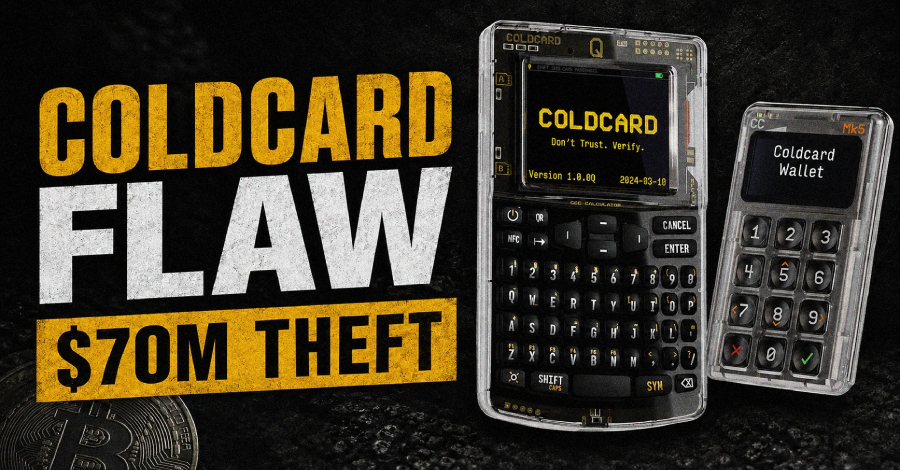
That is exactly what happened when Adam, known on X as @denverbitcoin, announced plans to destroy his ColdCard Q on August 2, 2026, framing the act as a symbolic gesture on behalf of users hurt by the vulnerability.
What the flaw actually did
When a ColdCard Q automatically generated a seed phrase, it drew on a pool of randomness that was limited to 32 bytes of entropy, making the seed theoretically easier to brute-force than users were led to believe.
The practical impact depended heavily on whether a user had added a passphrase, sometimes called the 25th word. A passphrase is an extra layer on top of the standard 24-word seed phrase. Users who had one were largely insulated from the problem. Users who had not were the ones left exposed.