Serving tech enthusiasts for over 25 years.
TechSpot means tech analysis and advice you can trust.
Why it matters: A hardware wallet is supposed to solve one problem: keep your Bitcoin keys somewhere no attacker can reach them. This week showed what happens when the flaw sits inside the wallet itself. A firmware bug that's been shipping in Coldcard devices since 2021 let an attacker guess supposedly random seed phrases from the outside, no physical access, no phishing, no malware required, and drain funds from thousands of addresses. The running total is already past $88 million, and it's still climbing.
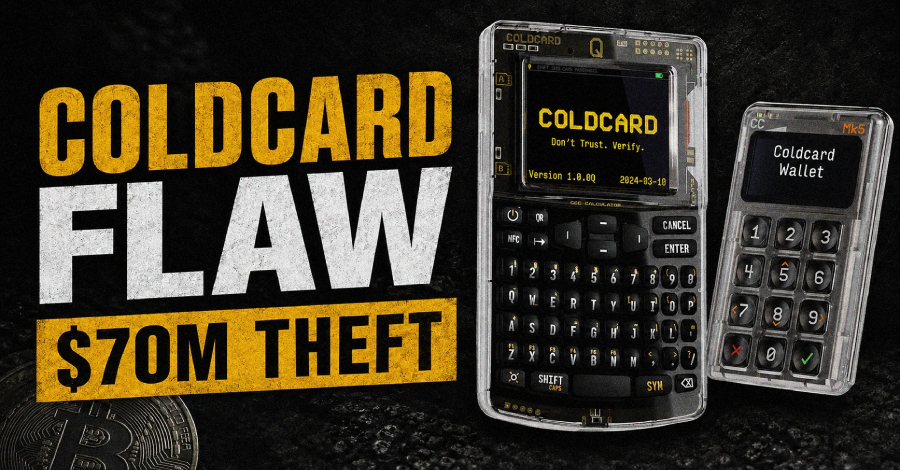
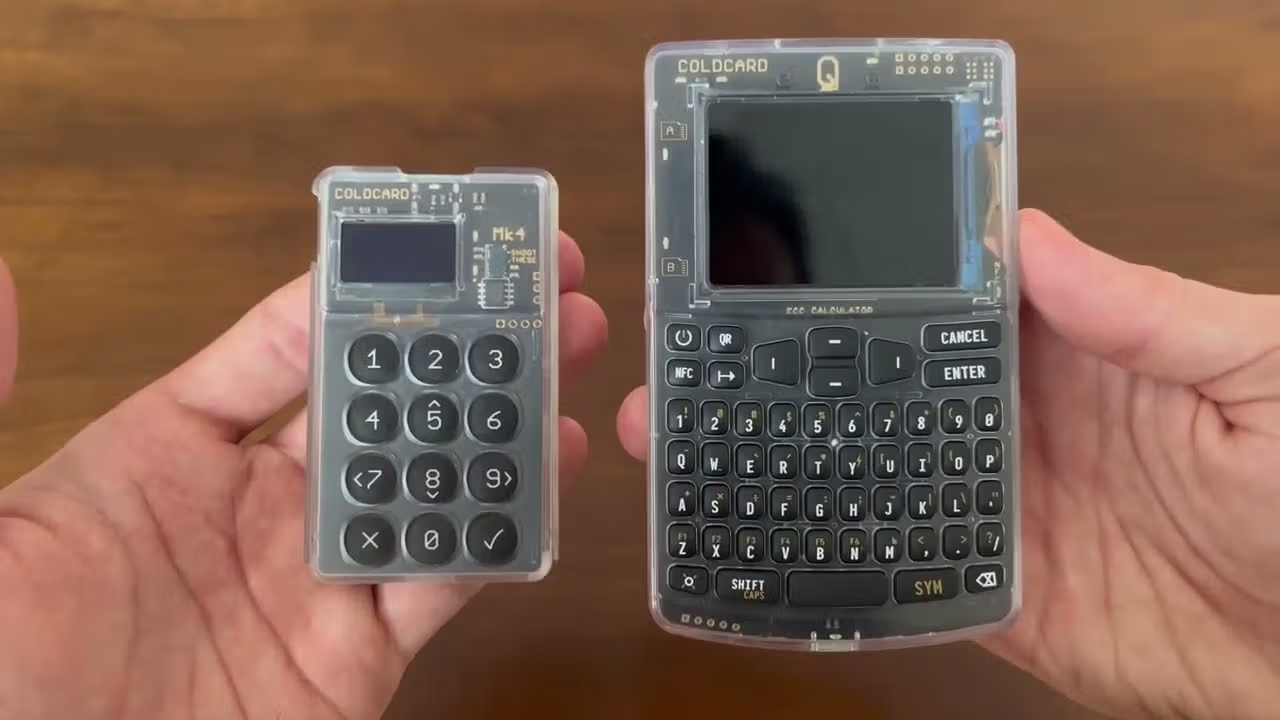
A flaw in Coldcard's firmware has put the spotlight on a basic part of wallet security: how the device generates its seed in the first place. The issue came into focus after an attacker drained 1,196 Bitcoin addresses on July 30 in a 41-minute stretch, taking 1,082.65 BTC worth about $70.2 million at the time.
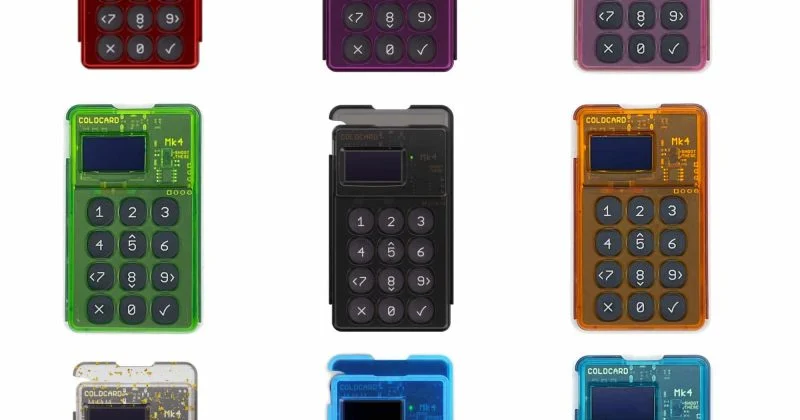
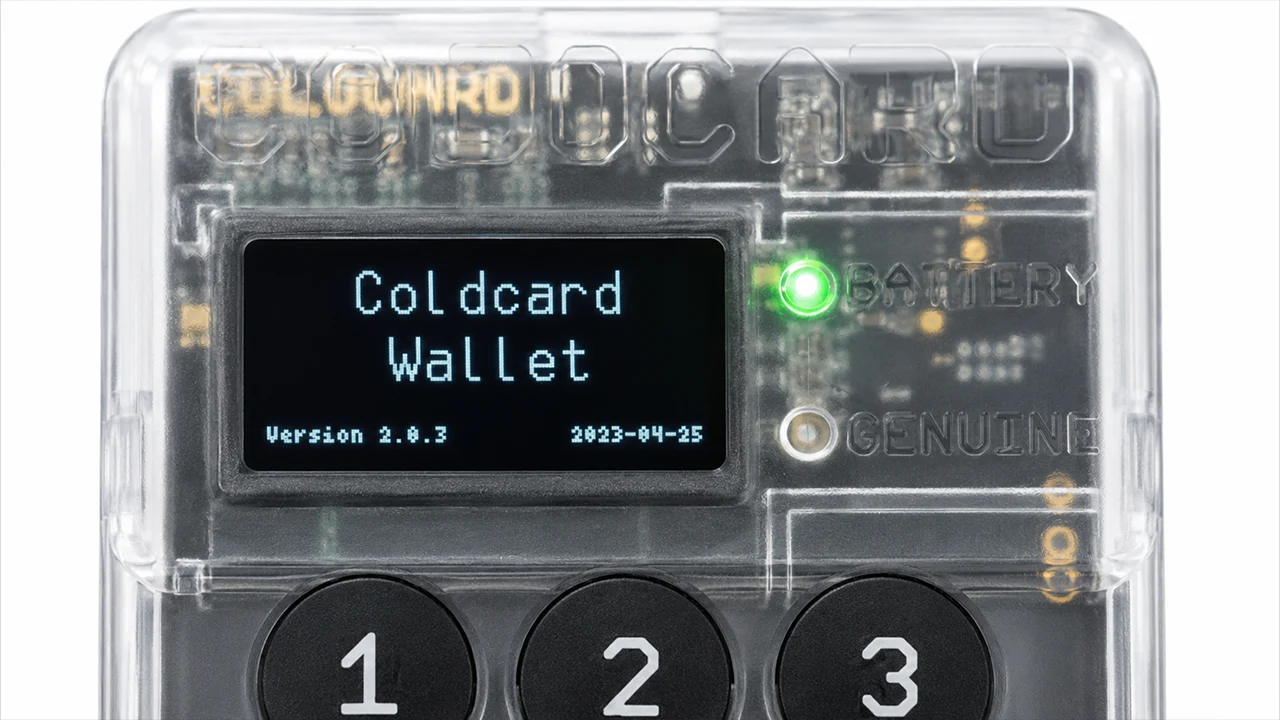
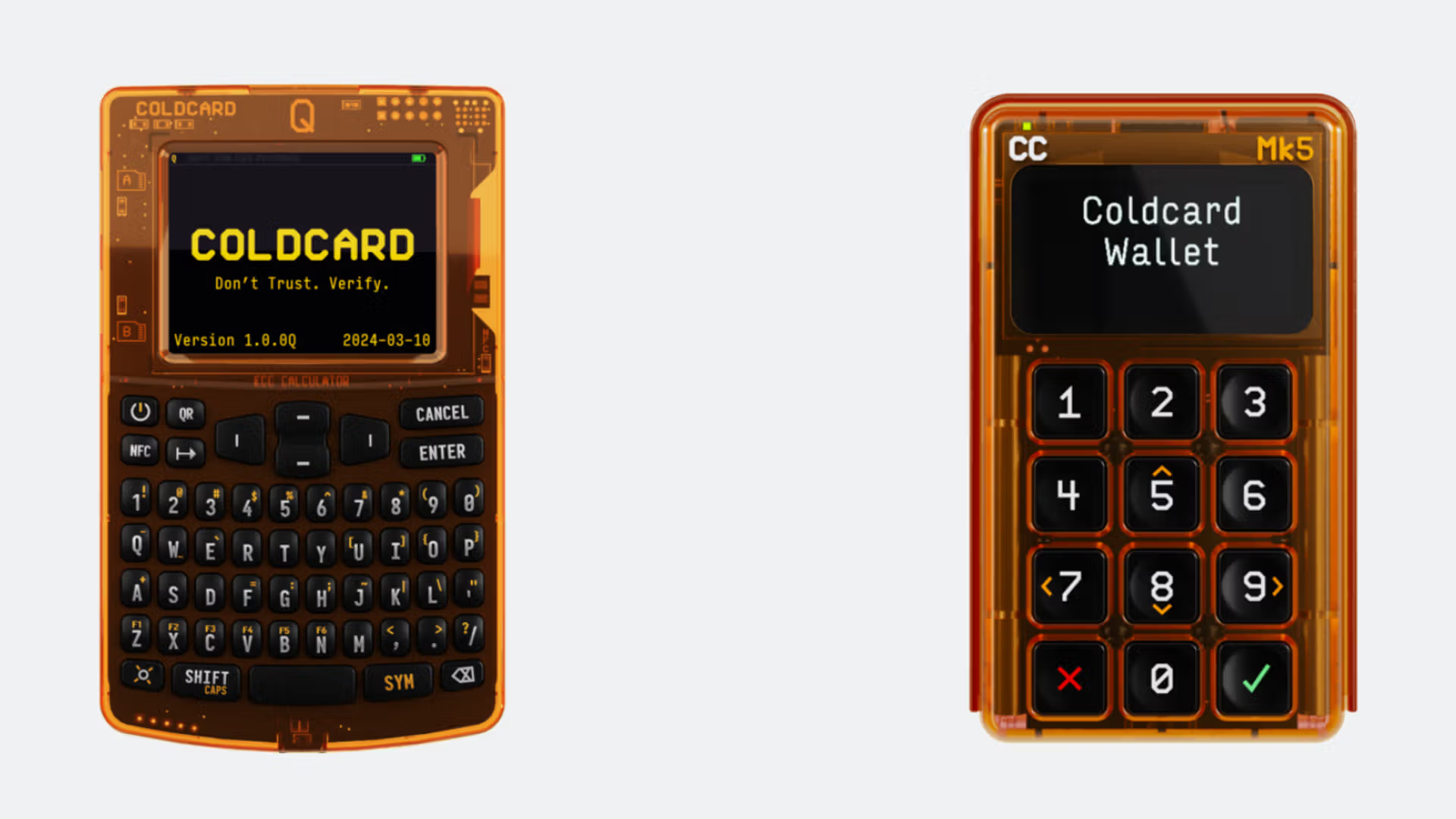
Galaxy Research tied the sweep to Coldcard, the Bitcoin-only hardware wallet line made by Coinkite, and said the pattern matched a firmware problem rather than a random event. Two more waves have surfaced since, and Galaxy's running total now stands at 1,367.05 BTC, worth about $88.6 million, across 4,585 addresses. The firm describes that as a preliminary observed figure that could still climb as it traces more on-chain activity.