ai and ml
New plugins for K-12 teachers, university instructors, and college kids? Read the room, guys
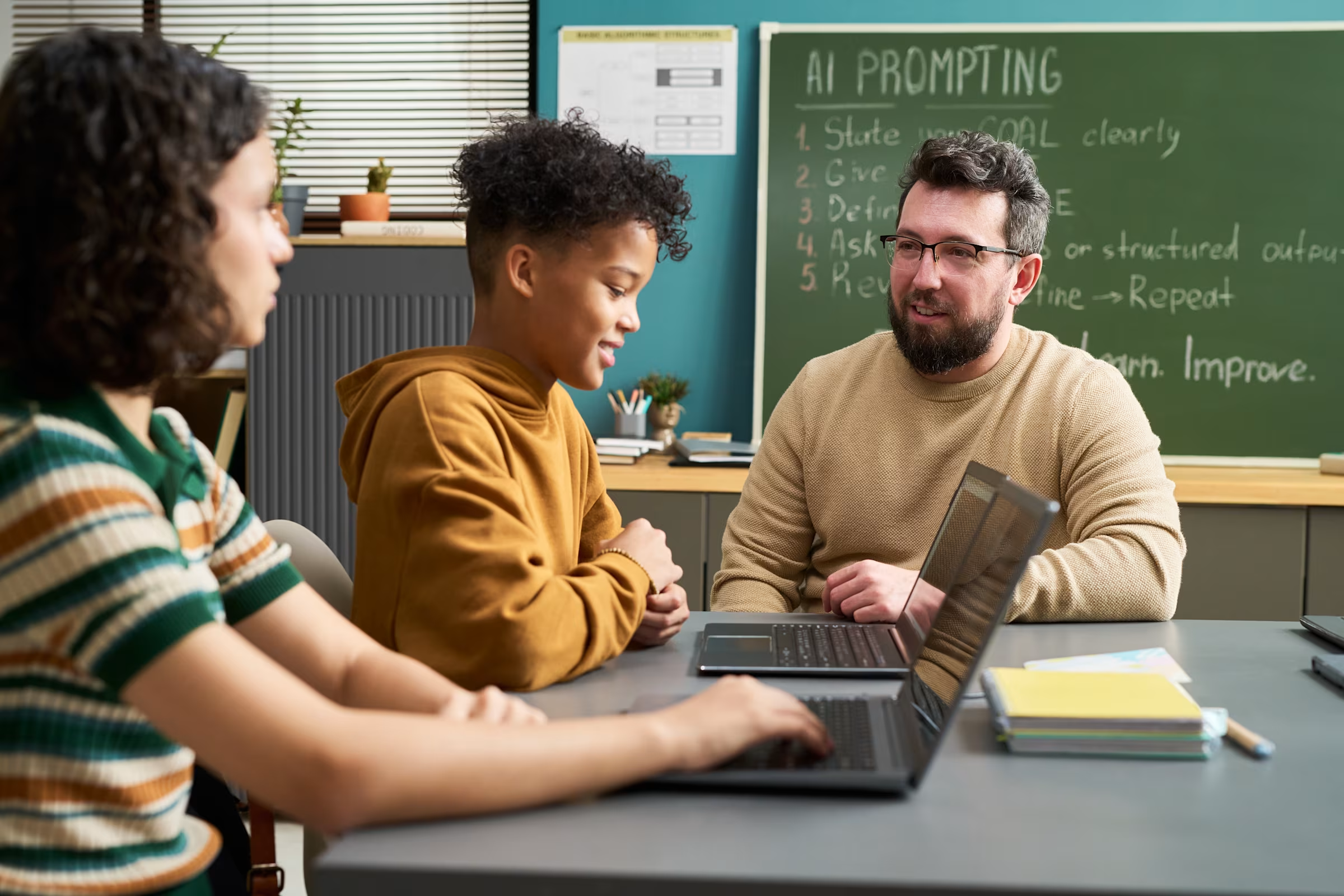
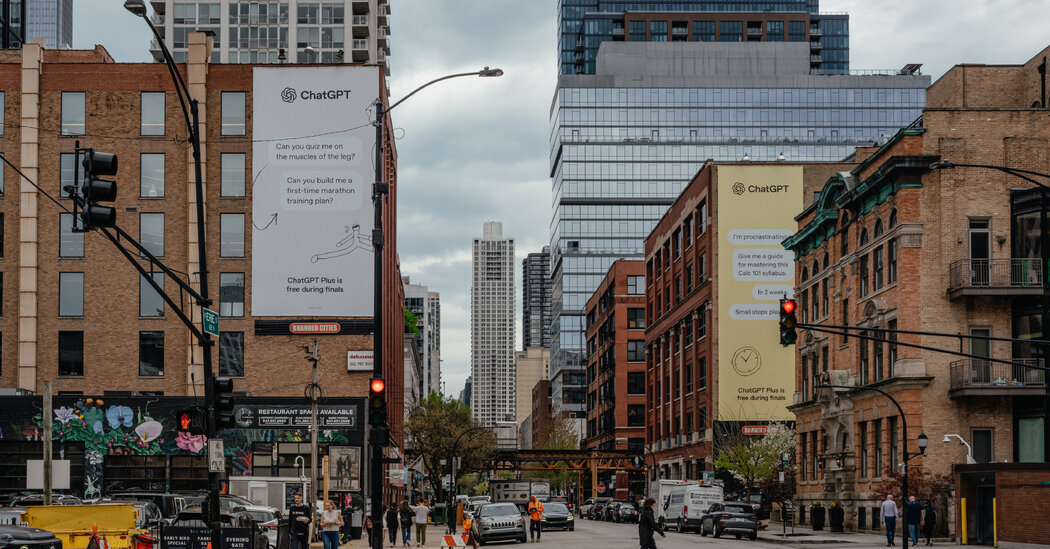
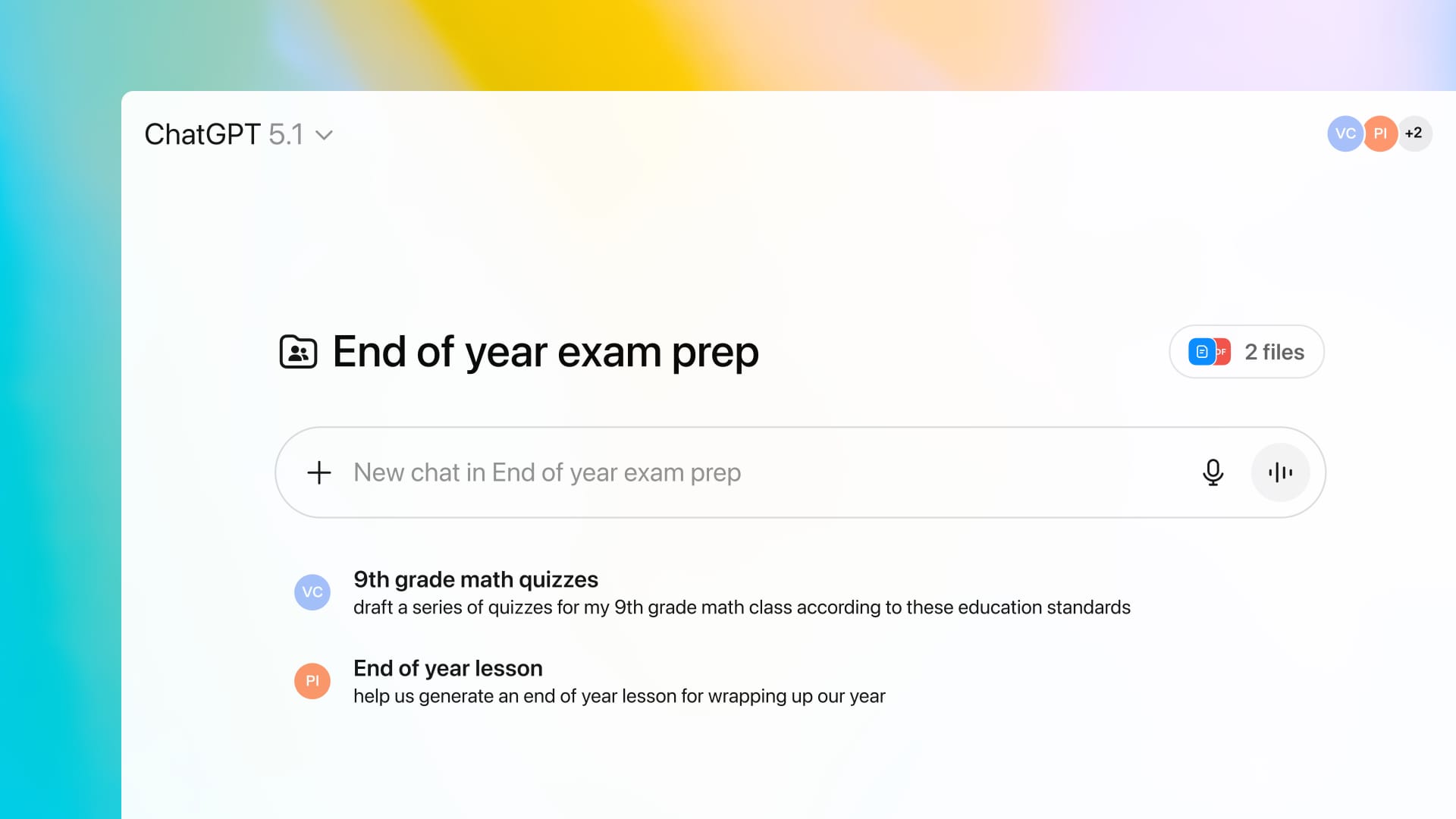
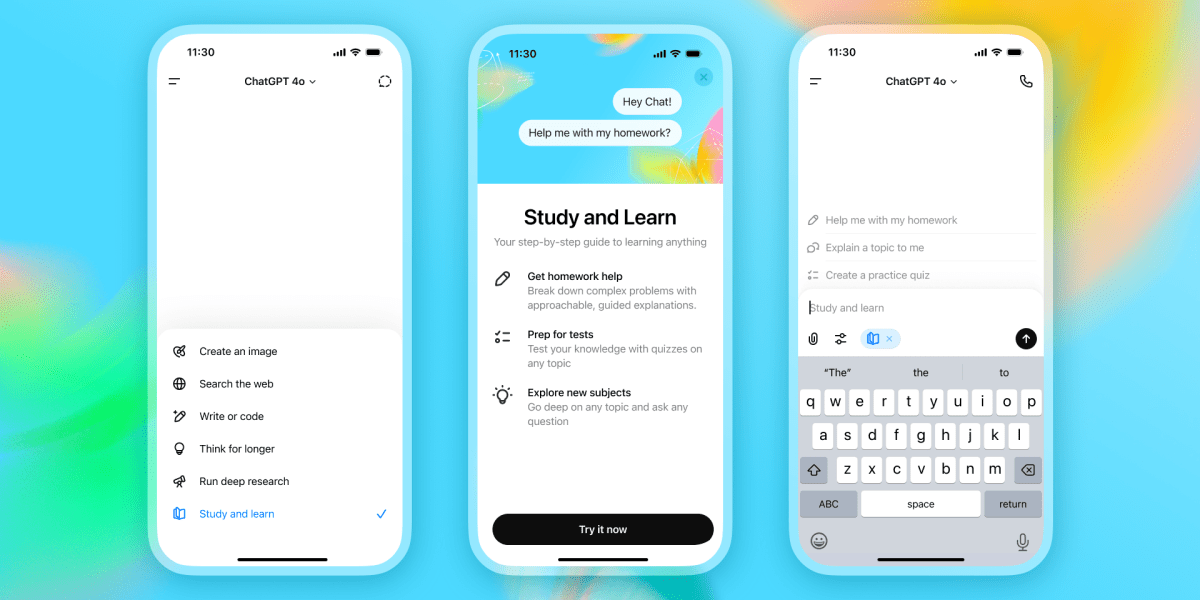
In the face of an epidemic of AI-enabled cheating and research suggesting its products hamper learning, OpenAI is doing the sensible thing and pushing more AI on students and teachers. Wait, did I say sensible? My mistake. The House of Altman announced a trio of new education-focused offerings on Tuesday: one for K-12 teachers, another for college educators, and a third for college students. The new plugins, the company explained, will help students and educators make more use of ChatGPT’s agentic capabilities for both studying and teaching. The new features are available through ChatGPT Edu, an institutionally licensed suite for higher education, and ChatGPT for Teachers, a free resource available to verified US K–12 educators and school districts.
The new offerings, says OpenAI, build on its educational AI philosophy that “AI should support learning, not shortcut it, and the best learning experiences keep educators and students in control.”
Plenty of educators might disagree. Cheating with AI has become a sad norm in schools around the world, and the US is no exception. Many young people admit to using AI to cheat on school assignments, and college students have been caught doing it, too. Mexico's largest university, the National Autonomous University of Mexico, last week suspended enrollment for incoming students after suspected widespread cheating in its admissions exams. The university also decided this week to require about 58,000 applicants who qualified in the remote entrance exam to take an in-person proctored control exam after scores surged during its first remotely administered admissions test.As for how teachers relate to AI in the classroom, a 2025 study from the Center for Democracy and Technology suggests it’s going to take more than some new OpenAI software to help teachers feel more comfortable. CDT said last year that K-12 teachers widely complained of not being given the necessary resources to understand how to integrate AI into schools, or how to tackle the potential harms AI may be causing to their students' ability to learn and personal development alike.Rather than helping teachers and professors regain control of the academic process or better understand how AI is affecting their students, however, OpenAI wants to simply let them foist off more of their work to ChatGPT, too. “The K–12 Educator plugin is designed to help teachers plan and create for their classrooms,” OpenAI explained. The tool can use materials teachers already have on hand “to create differentiated resources, design interactive visuals, and surface actionable insights.” Integration with educational AI infrastructure outfit Learning Commons allows ChatGPT to automatically consider local educational standards for anything it creates for teachers, the company explained, while educators get to remain “in control of pedagogical decisions, grading, and agentic actions.” The plugin for college professors is largely the same.