in Architecture, History | November 13th, 2025 1 Comment
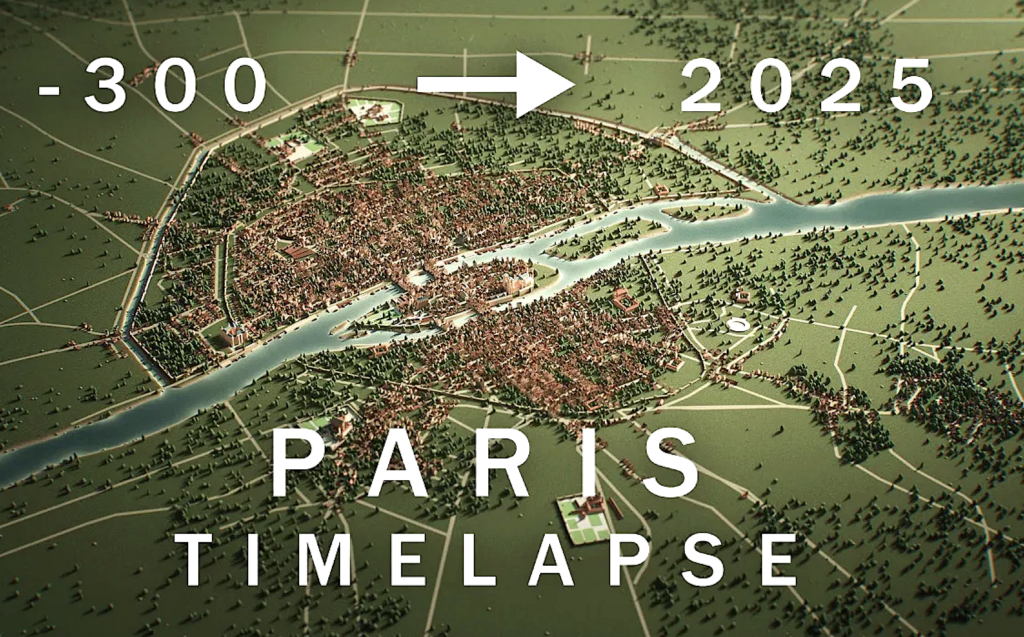
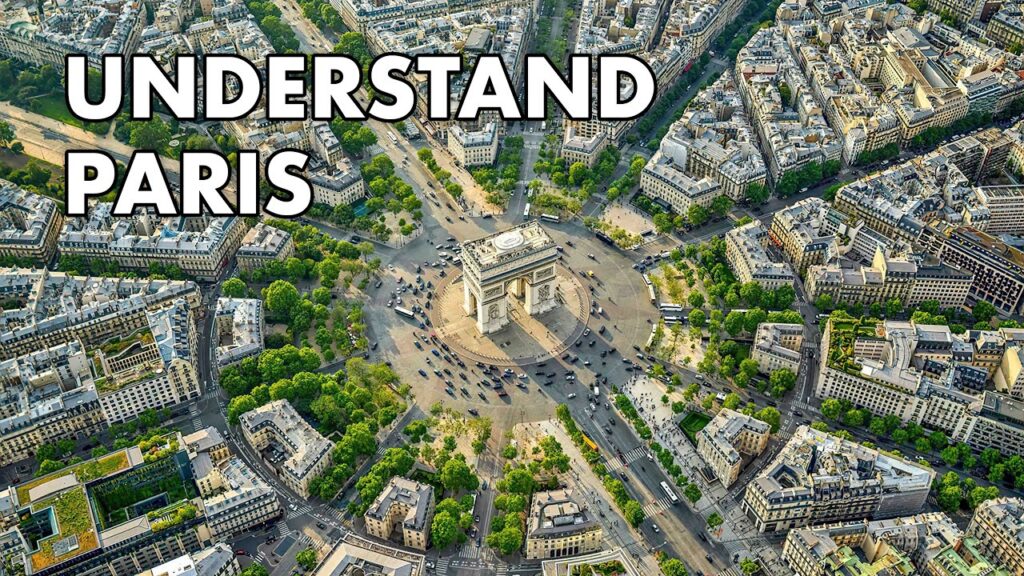
Even today, the Paris of the popular imagination is, for the most part, the Paris envisioned by Baron Georges-Eugène Haussmann and made a reality in the eighteen-fifties and sixties. Not that he could order the city built whole: as explained by Manuel Bravo in the new video above, Paris had already existed for about two millennia, growing larger, denser, and more intricate all the while. But as the prefect under Emperor Napoleon III, Haussmann was empowered to carve it up by force, opening “dozens of wide, long avenues that connected important parts of the city,” a layout that “mirrored the street system in Rome created 300 years earlier by Pope Sixtus V, but on a much grander scale.”
However considerable the violence it did to medieval Paris, this process of “Haussmannization” showed a certain historical consciousness. After all, the French capital was once a Roman city: Lutetia Parisorum, named for the Parisii, the Gallic tribe that had inhabited the island in the middle of the Seine that Parisians now call Île de la Cité.
As was their usual modus operandi, the conquering Romans laid a cardo maximus running from north to south, today known as Rue Saint-Jacques. Thereafter, “the rest of the original layout was lost to organic growth.” In the form Paris eventually took in the Middle Ages, “there were no public urban spaces of major significance”: no Place Dauphine, no Place des Vosges, no Place Vendôme.