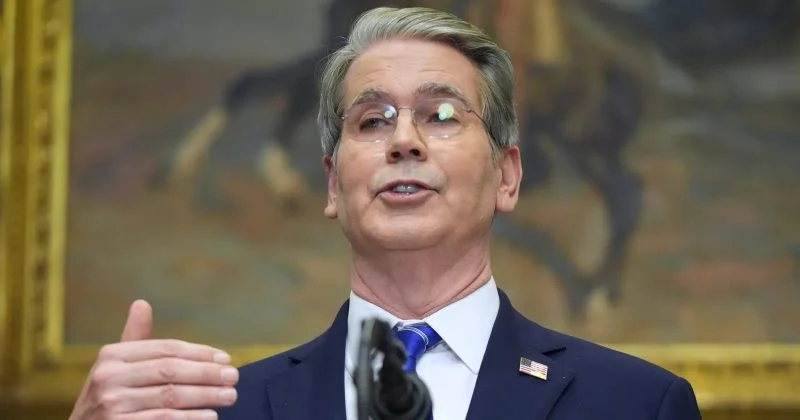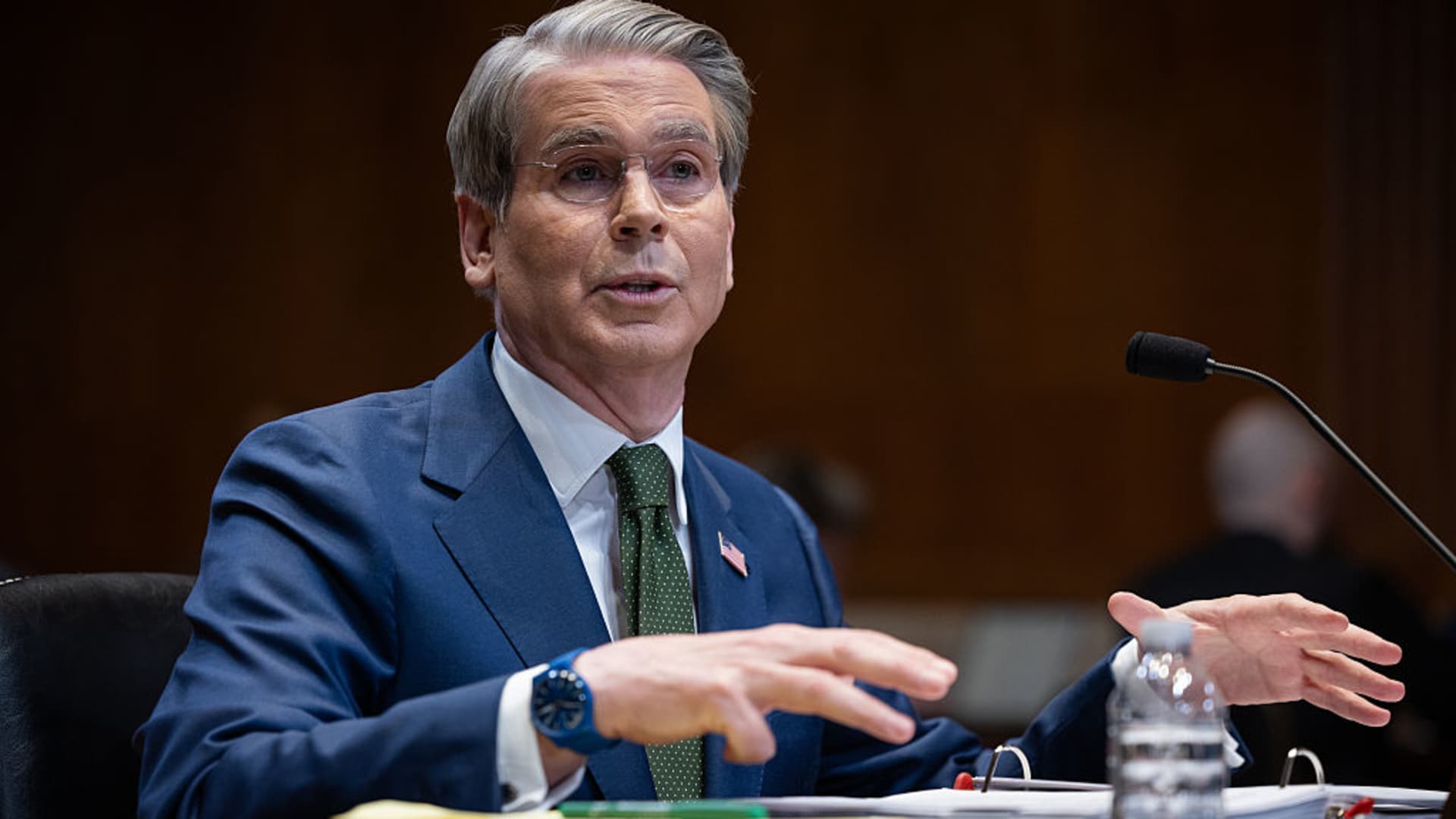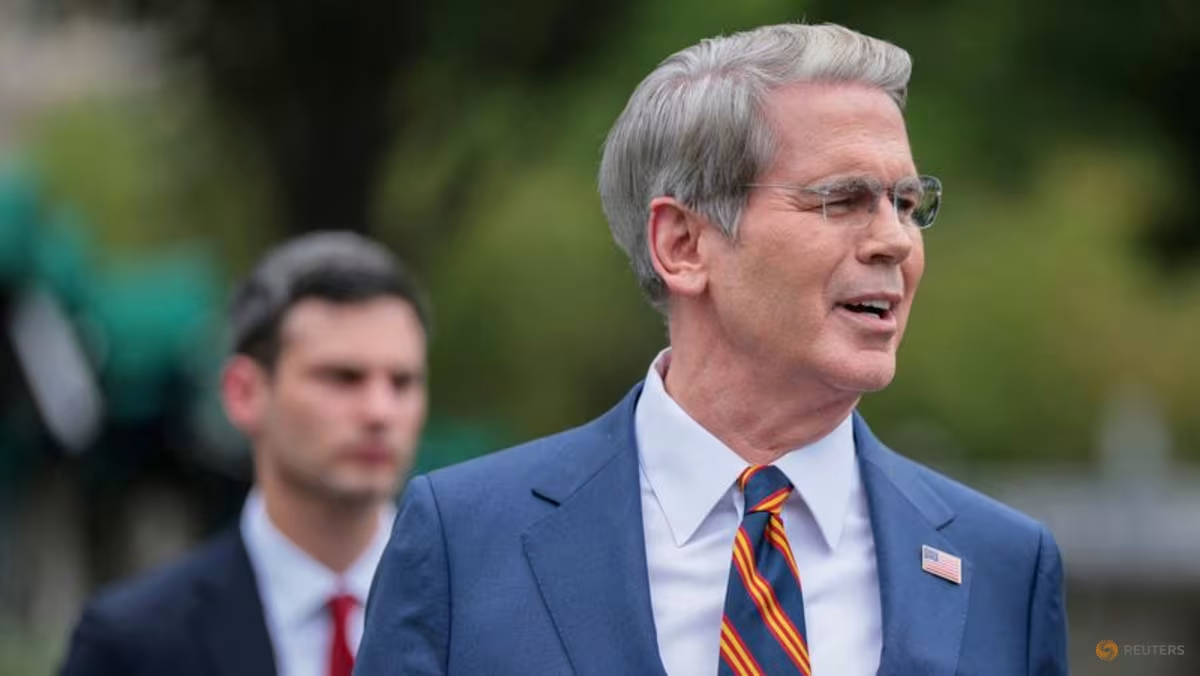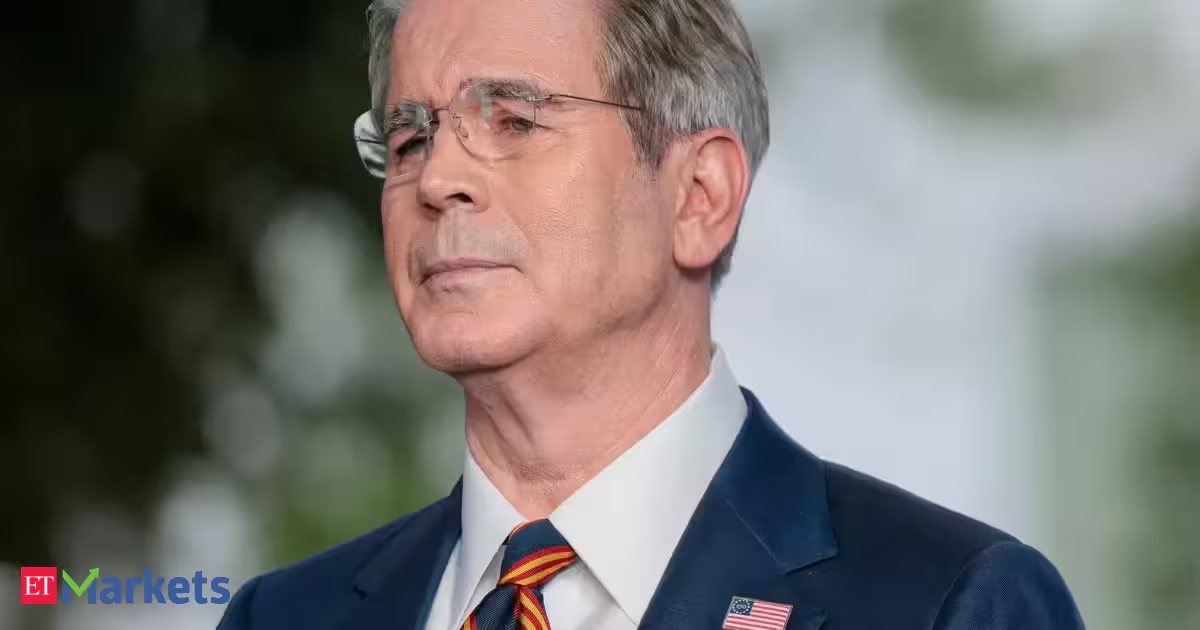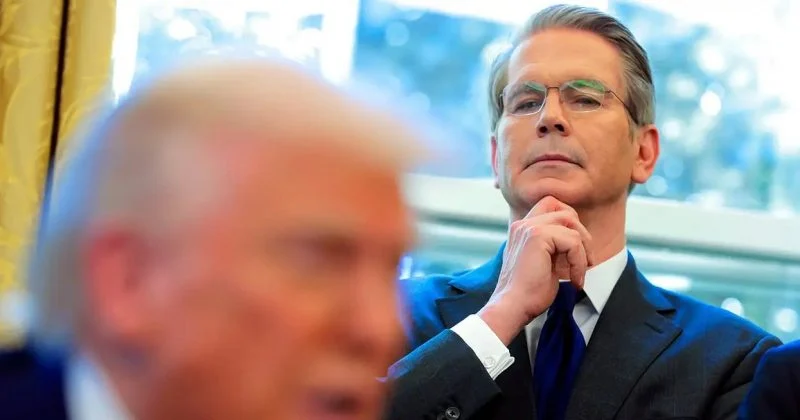
Treasury Secretary Scott Bessent has been making the case for expanding US dollar swap lines to Gulf allies and Asian partners, framing the move as a way to shore up global dollar liquidity during a period of escalating geopolitical stress tied to conflicts involving Iran.
What Bessent is proposing, and why
Gulf partners, particularly the UAE, along with unspecified Asian nations, have asked the US to widen access to dollar swap lines. These are credit lines that allow foreign central banks to borrow dollars from the Federal Reserve, posting their own currency as collateral.
Bessent has argued that expanding these arrangements would combat disorderly asset sales, stabilize funding markets, and reinforce the dollar’s position as the world’s reserve currency.
The mechanics split into two lanes. The Federal Reserve handles short-term funding needs through its existing swap line infrastructure. The Treasury’s Exchange Stabilization Fund offers a second pathway with broader executive discretion, but significantly more limited resources.