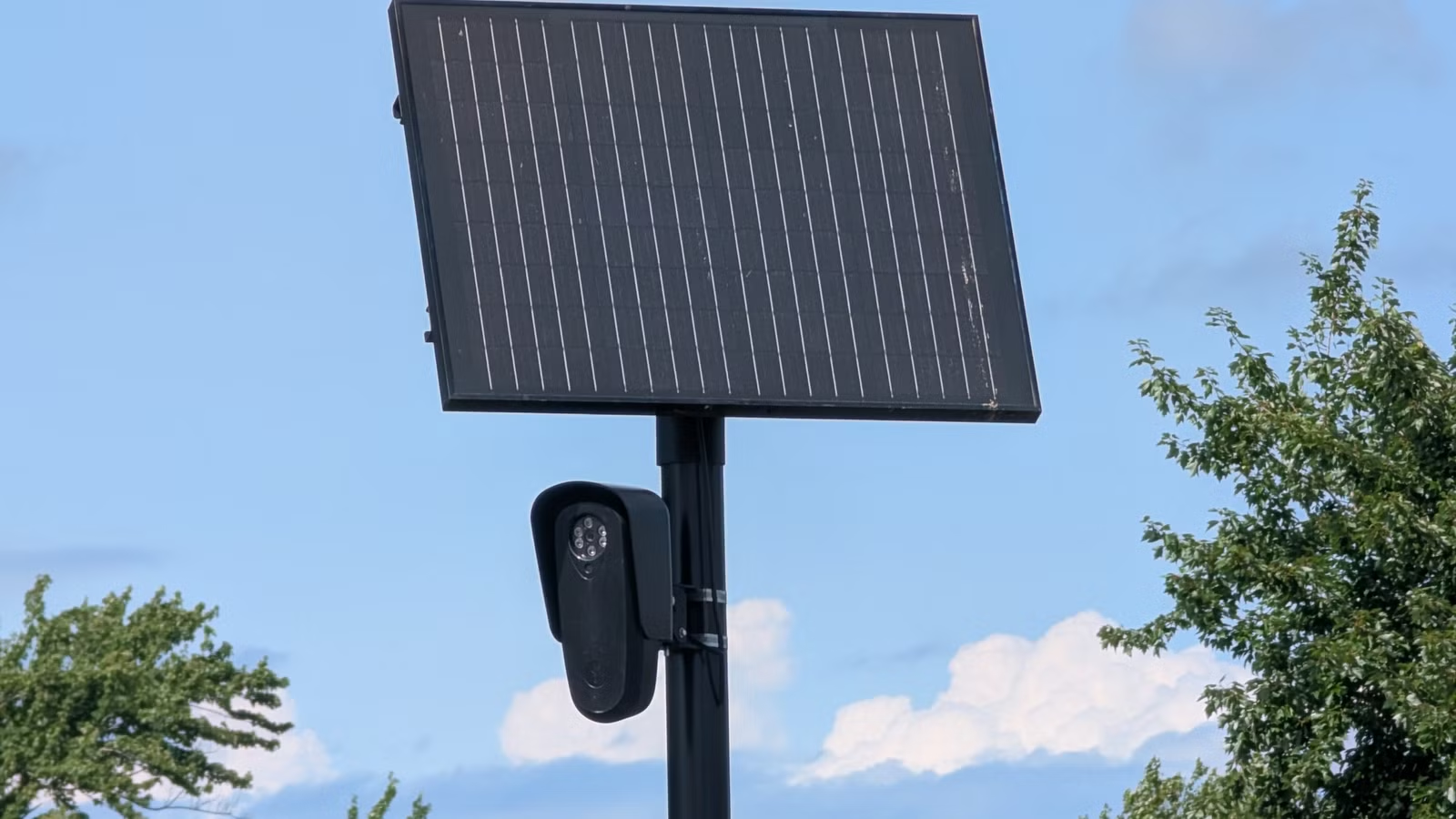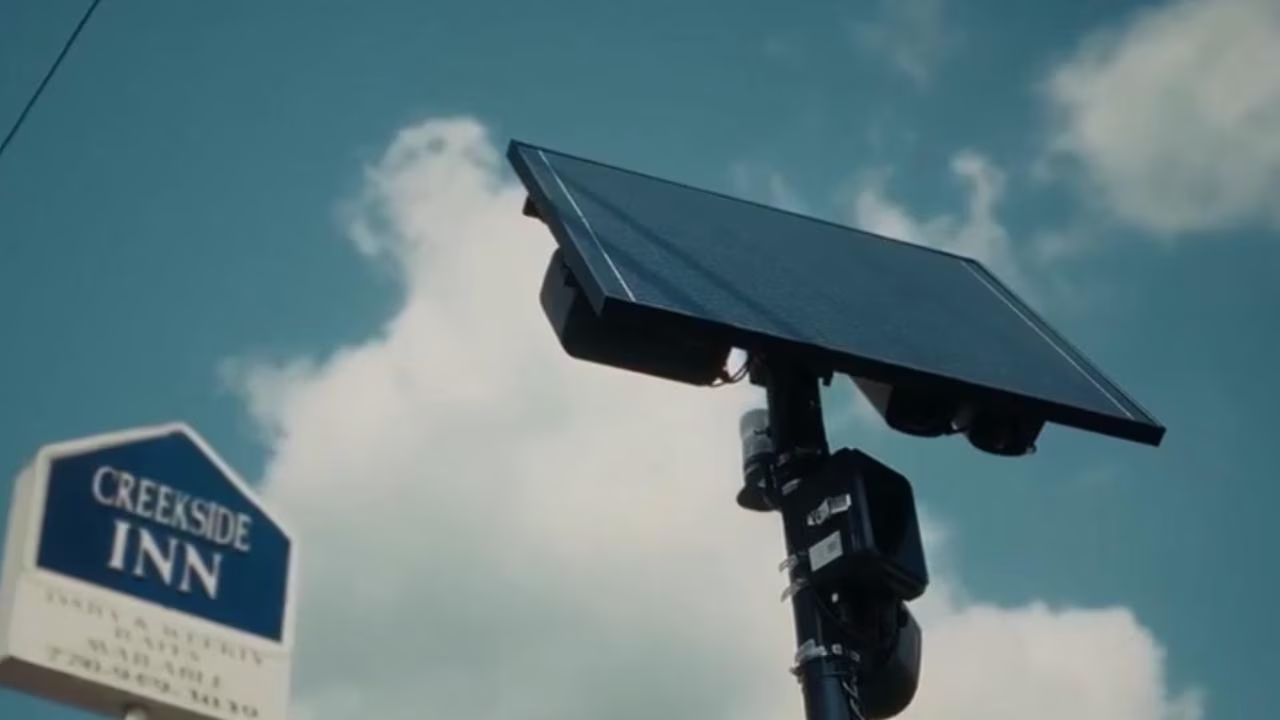
On Thursday, East Tennessee authorities arrested Adam Lee Heimerman, an independent candidate for Tennessee’s 2nd Congressional District, after police say he admitted shooting four automated license-plate reader systems between July 14 and July 22. At least one was a Flock Safety camera, and investigators allege that he fired at one system from church property while services were underway. Heimerman faces four felony vandalism charges.The reporting has not established his motive, and his candidacy alone does not make the alleged vandalism political violence. The case shows how attacks on technology are moving beyond anonymous property damage. A Guardian investigation published days earlier documented at least 33 apparent anti-surveillance actions against Flock cameras across 23 states, including severed wires, toppled poles, smashed equipment, and covered lenses. Some participants circulated instructions for disabling the devices.Those incidents vary in motive, severity, and intent, and they should not all be placed under a terrorism label. They nevertheless show how opposition to a technology can move beyond lawful advocacy and into decentralized, repeatable sabotage, especially when methods are publicized and copied across jurisdictions.
Firebombing CEOs and shooting at local officials. Welcome to techno-terrorism
Attacks targeting technology infrastructure, leaders, and officials mark a dangerous pattern that warrants a new name: techno-terrorism.
1,063 words~5 min read