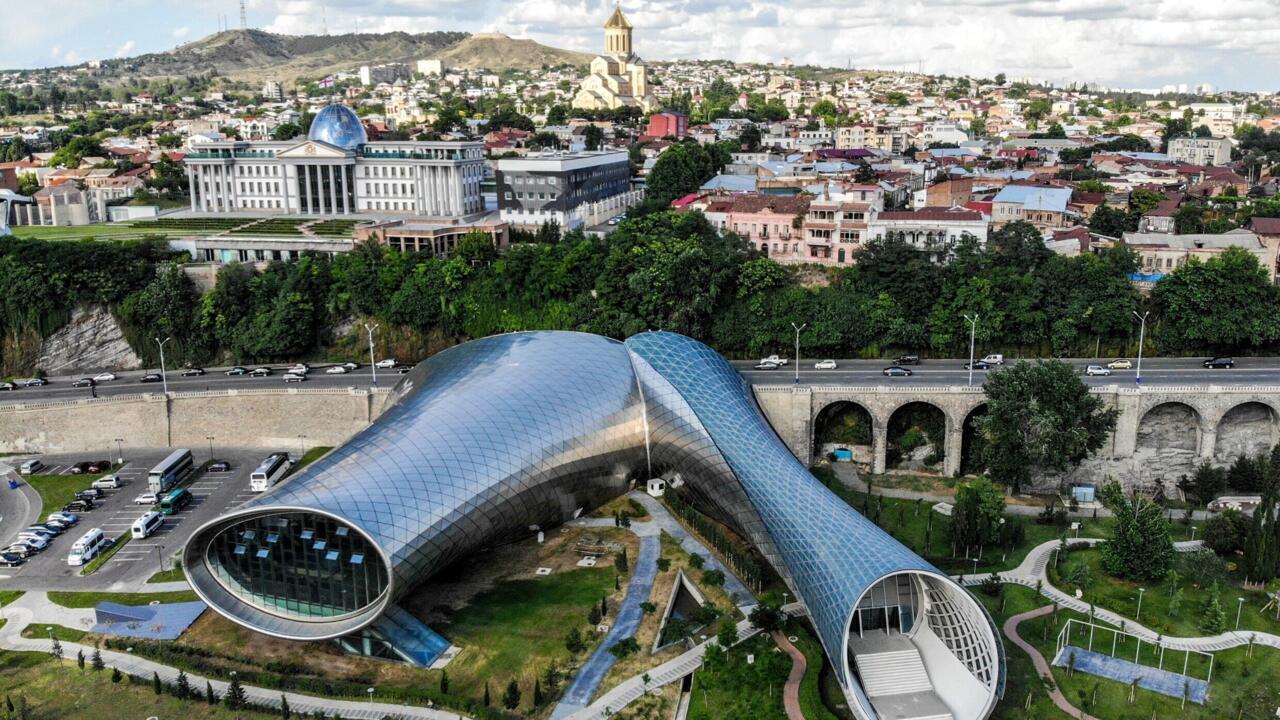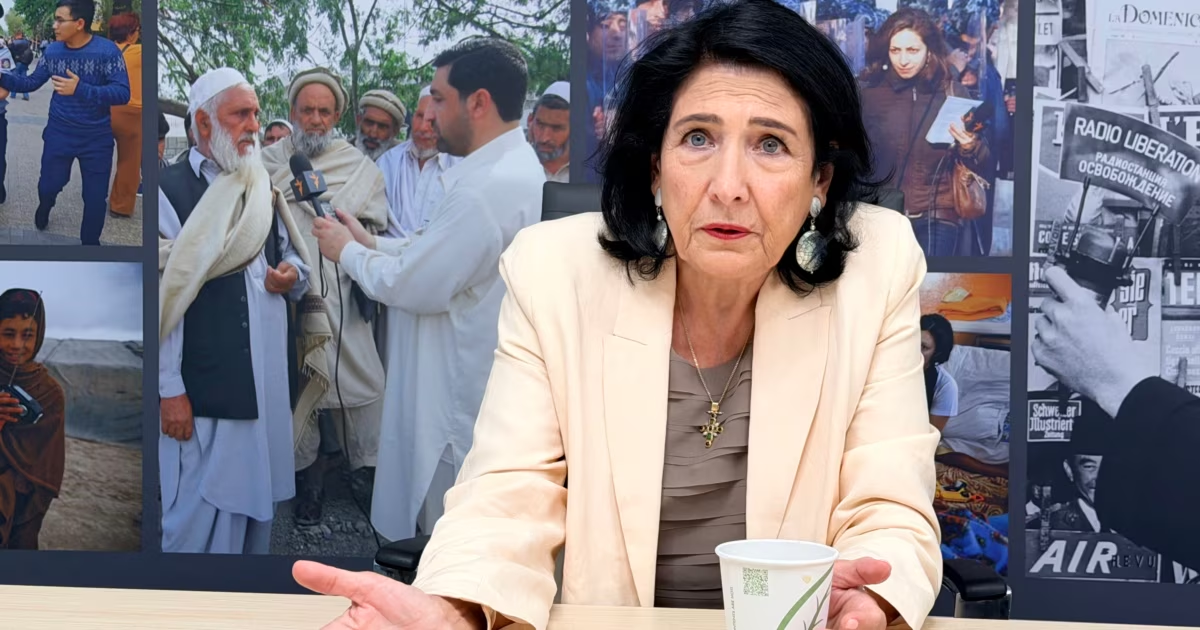
Tbilisi keeps losing pieces of itself. The Bridge of Peace, the glass-and-steel span across the Mtkvari that Bidzina Ivanishvili called “nothing but ignorance” a month after he entered politics in 2011, still stands — but only because demolishing a tourist postcard is harder than starving a highway.Kutaisi’s parliament building, relocated out of the capital, sat empty for years after Parliament returned to Tbilisi in 2018; the government now plans a technology hub instead. And the twin steel-and-glass tubes on the Rike riverbank — a $46 million concert hall designed by the Italian firm Studio Fuksas, largely finished in 2012 and never opened since the government that commissioned it lost power — now have a demolition permit and a December deadline. The state set the terms of its own loss.After the site was valued at 96 million lari and seven straight auctions found no buyer, the government sold it in March 2022 for just over 10 million lari, on condition of a further 20 million lari in investment, to a Luxembourg-registered buyer linked to Georgian businessman David Khidasheli. Khidasheli, a former adviser to two Georgian Dream defense ministers, has ties that Radio Liberty has connected to sanctioned Russian oligarch Vladimir Yevtushenkov. Studio Fuksas spent the past year asking Tbilisi to preserve and reuse the building instead. The answer was a permit and a hotel. Prime Minister Irakli Kobakhidze dismissed the structure as “an ugliness,” reducing one of Georgia’s most recognizable contemporary landmarks to an aesthetic nuisance rather than a strategic cultural asset.
Georgia is demolishing its Western future — one landmark at a time
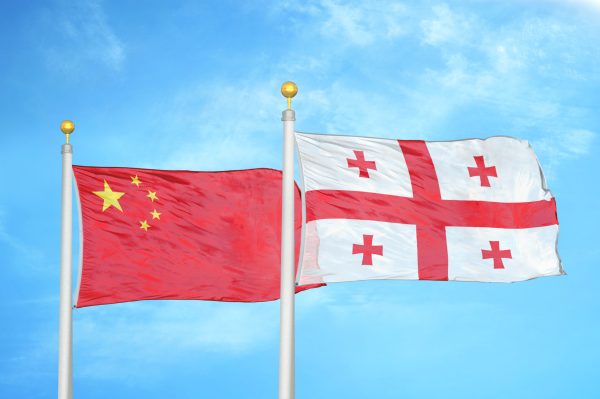
By demolishing Western landmarks and building ties with Sino-Russian trade corridors, Georgia is quietly drifting toward Eurasia.
1,276 words~6 min read