Recent statements by an official from the Ministry of Science have heightened concerns about deepening inequality in Iran’s higher education system through the expansion of “local admissions” (boumi-gozini).
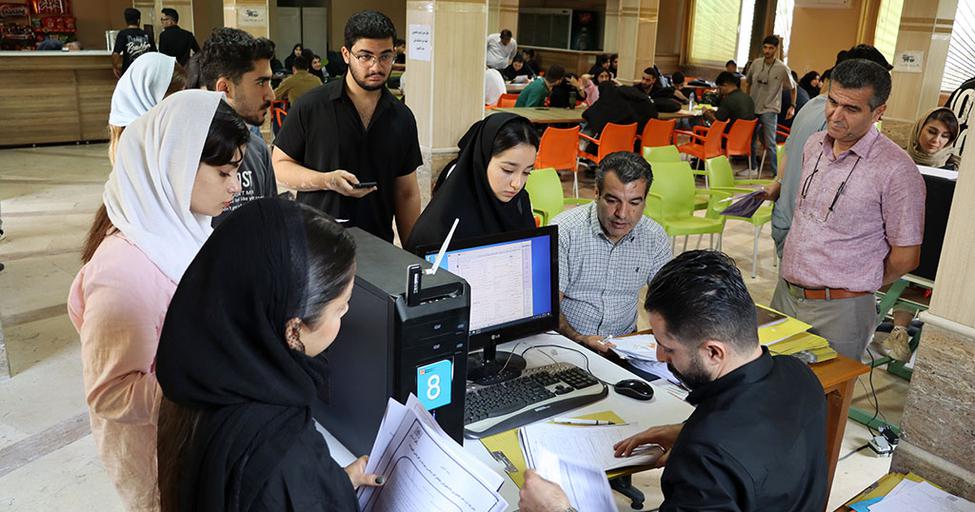
Mohammad Roshan, an advisor to the Minister of Science of the Islamic Republic, highlighted local admissions as a key pillar of the higher education system’s new management framework.
Defending the strategy, he stated that hiring local professors and staff fosters “job stability, elite retention in the provinces, and improved quality of administrative and educational services.” Roshan also claimed that localising student admissions reduces financial and welfare burdens on families while helping to “maintain the cultural and social balance of regions.”
The implementation of such a policy comes at a time when educational resources and top-tier universities remain unevenly concentrated in a few provinces and major metropolitan areas. Consequently, restricting student admissions to their native regions severely diminishes the chances of applicants from underprivileged areas attending higher-quality universities.
A report published by the Iranian Parliament Research Centre in February 2022 concluded that local admissions policies do not benefit candidates from disadvantaged regions but rather favour applicants from Tehran and other prosperous metropolitan areas.