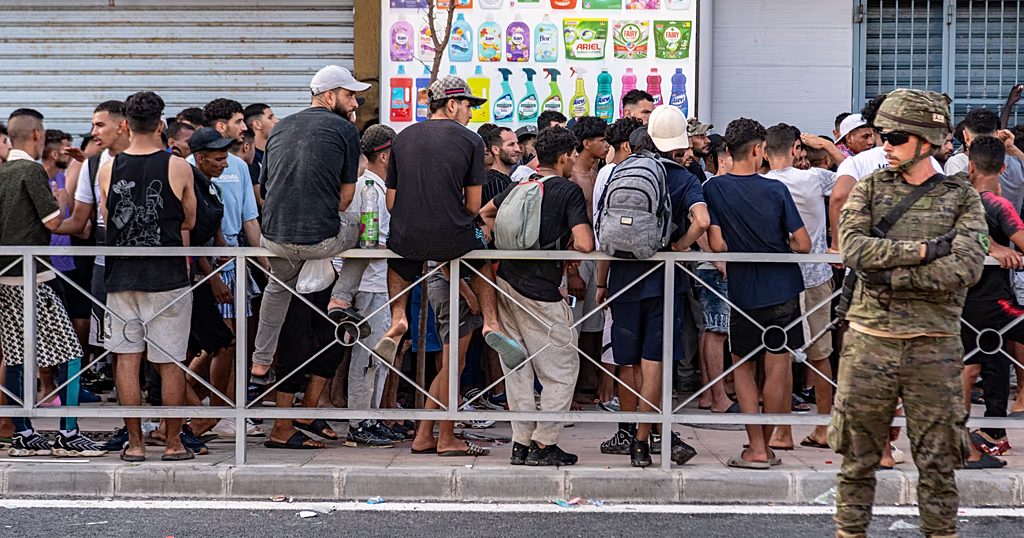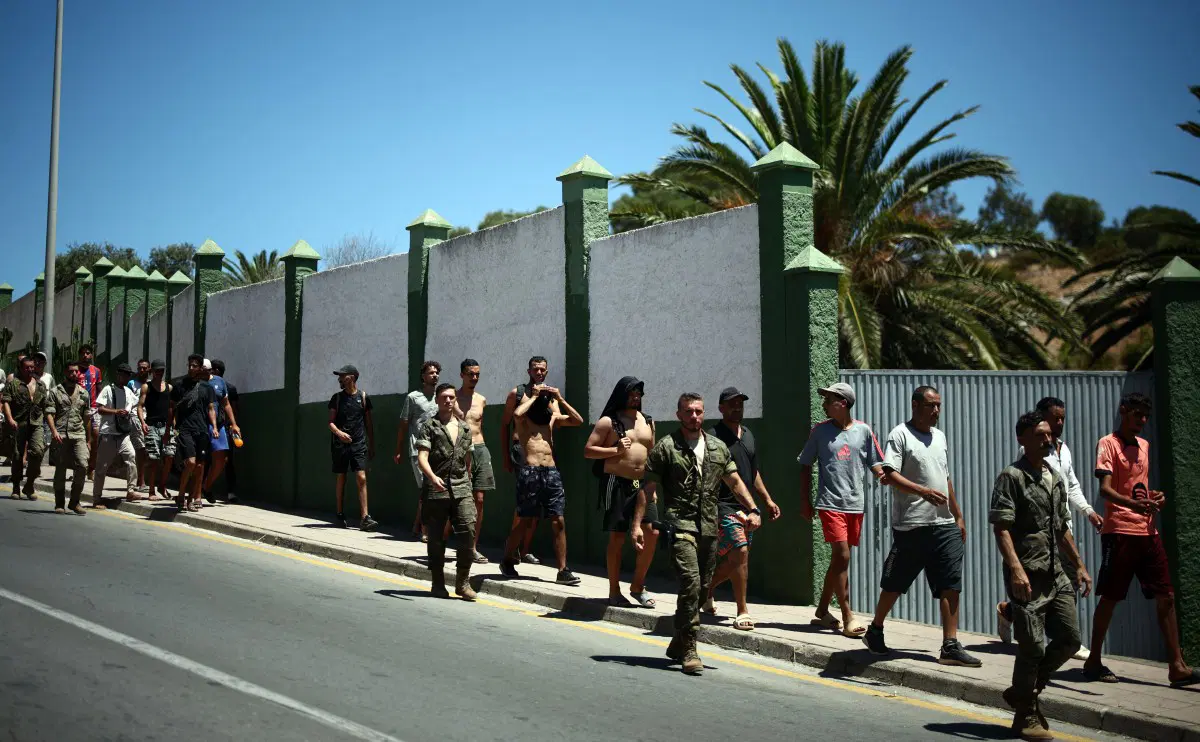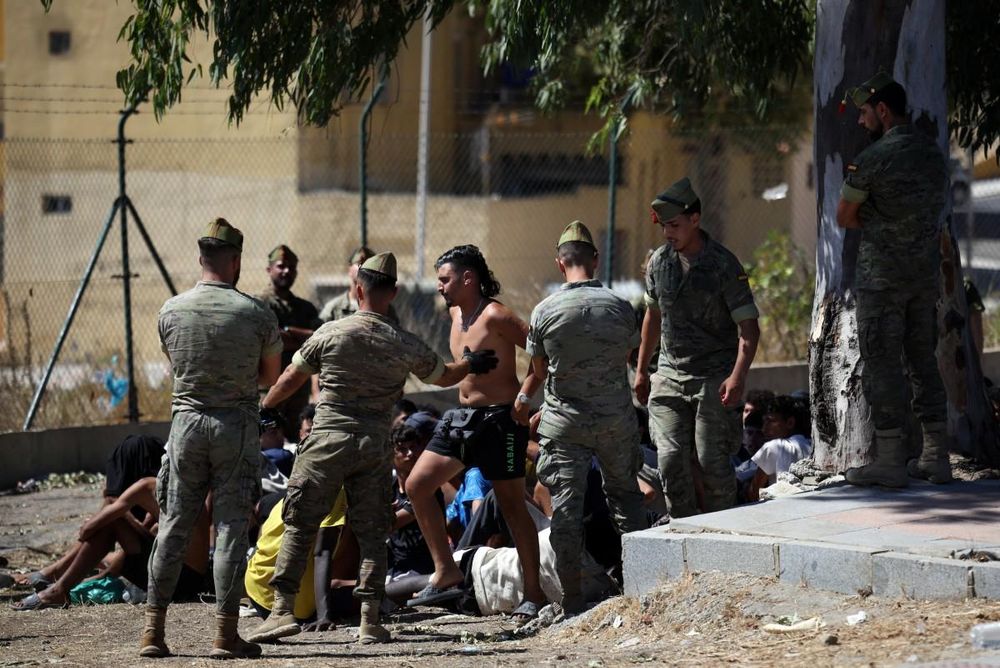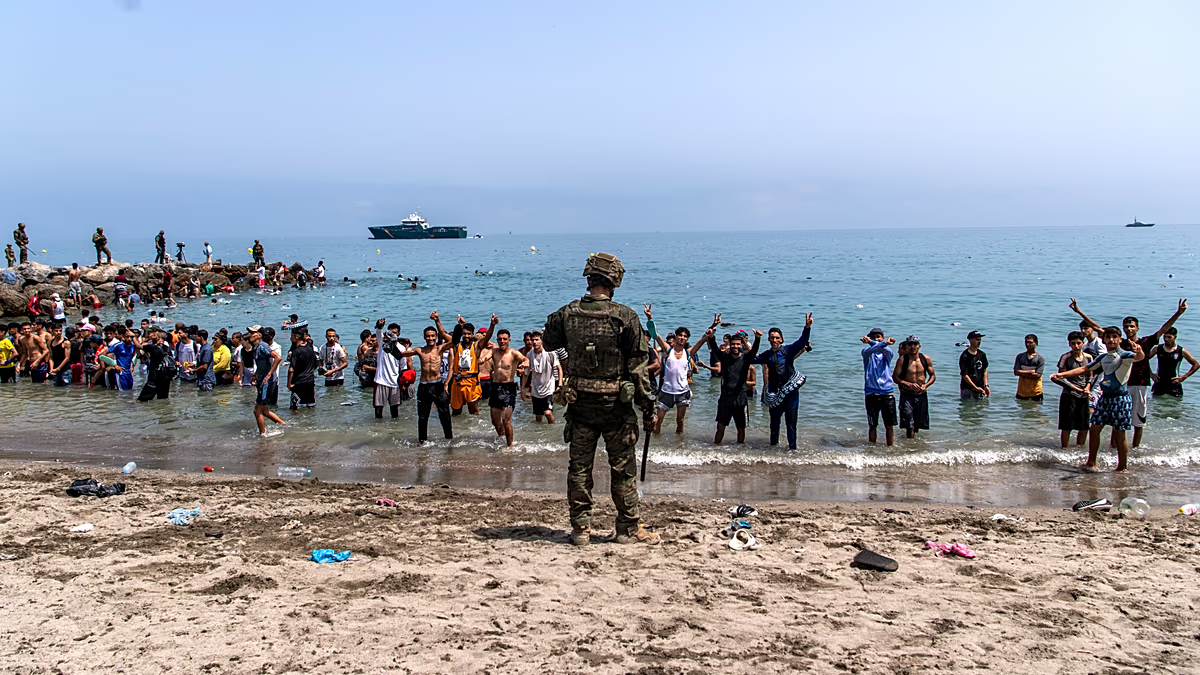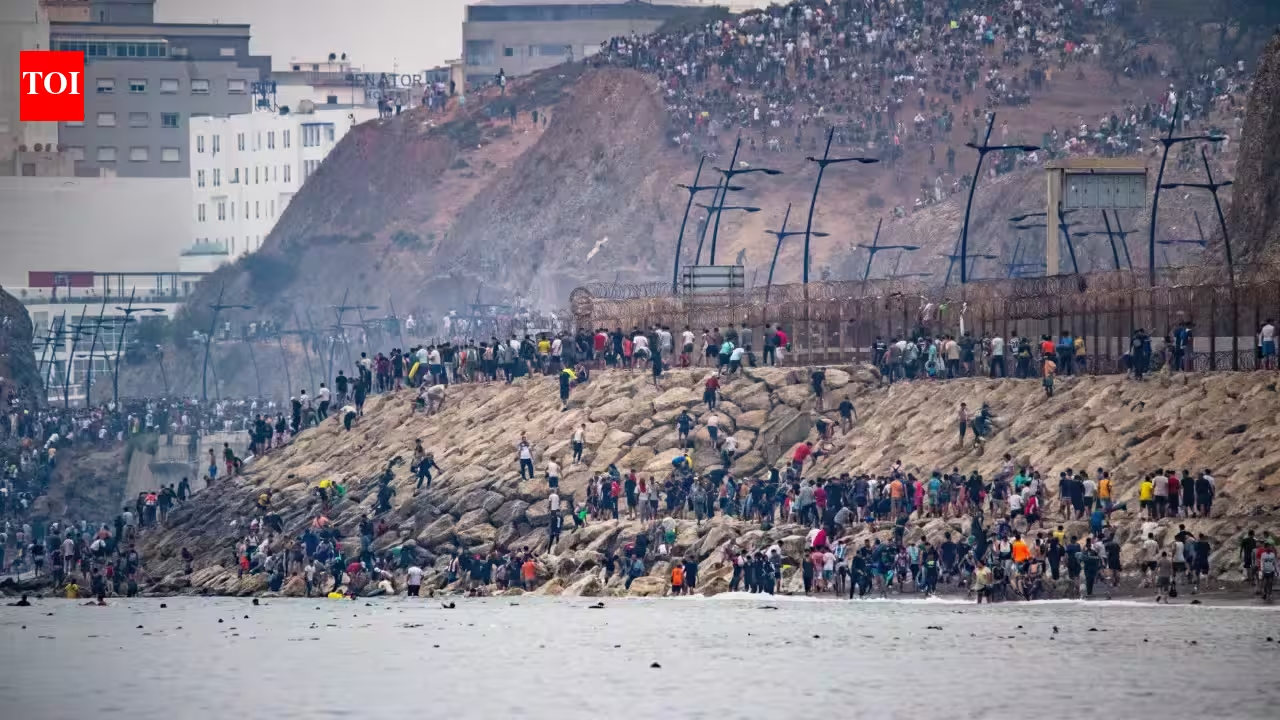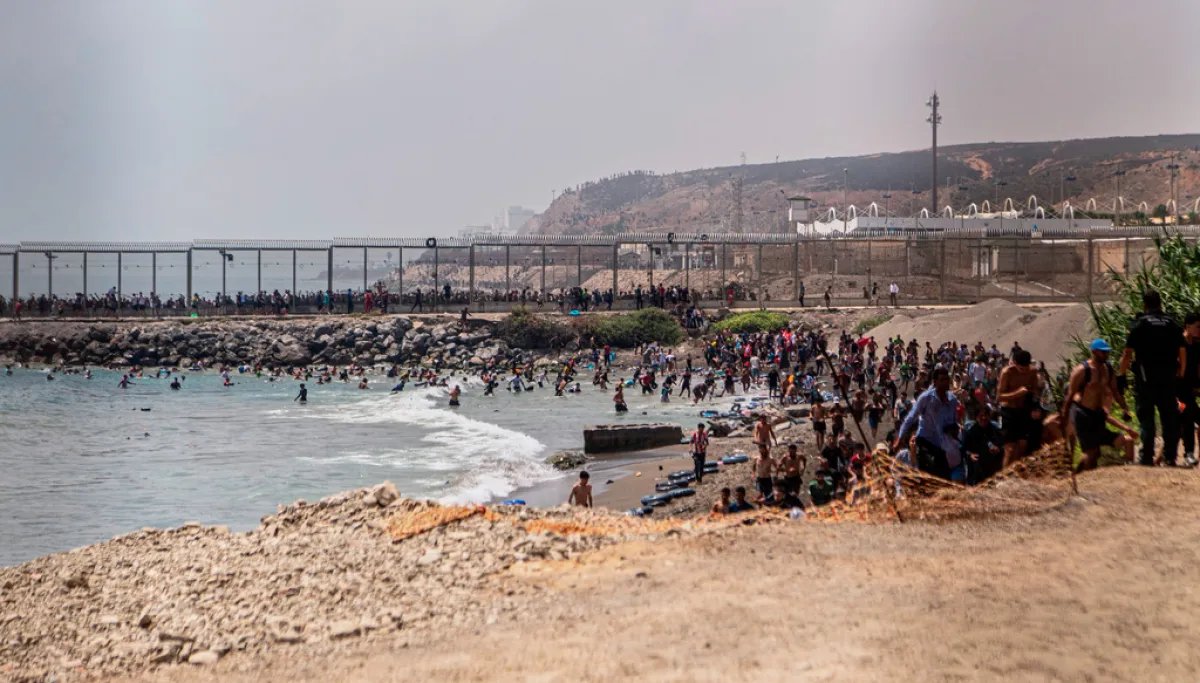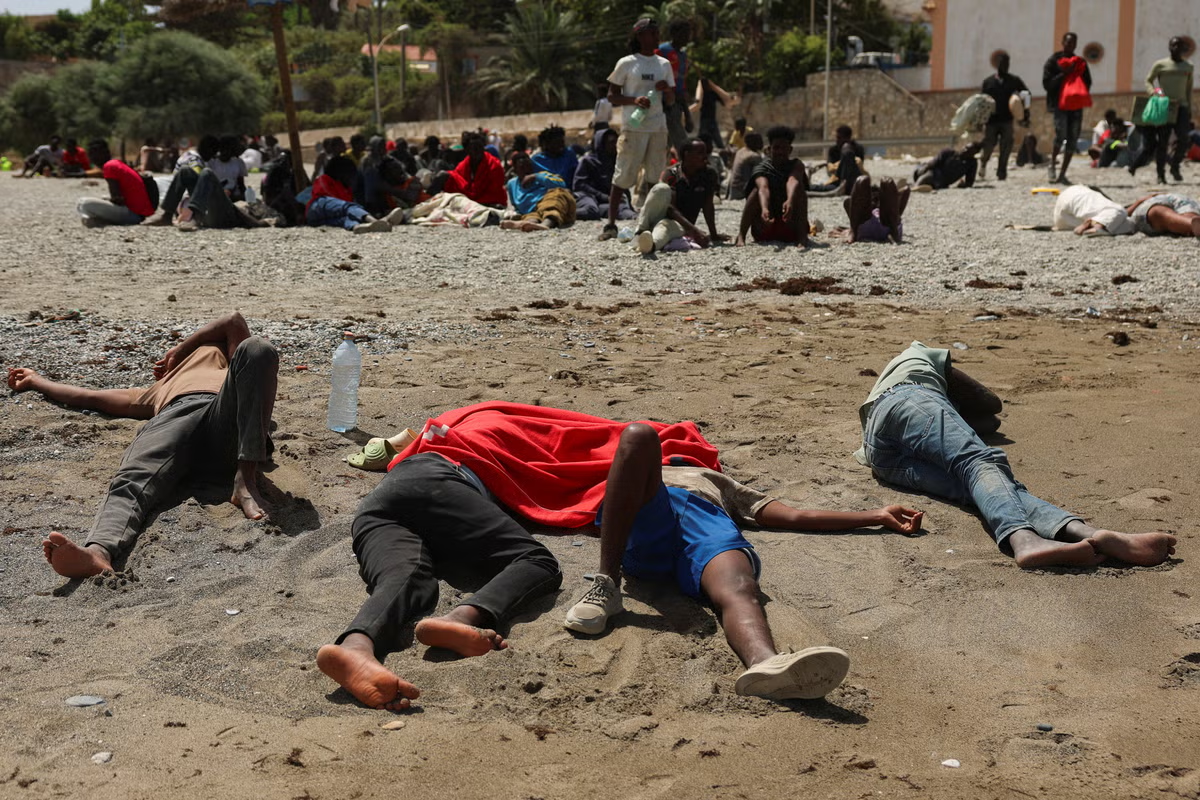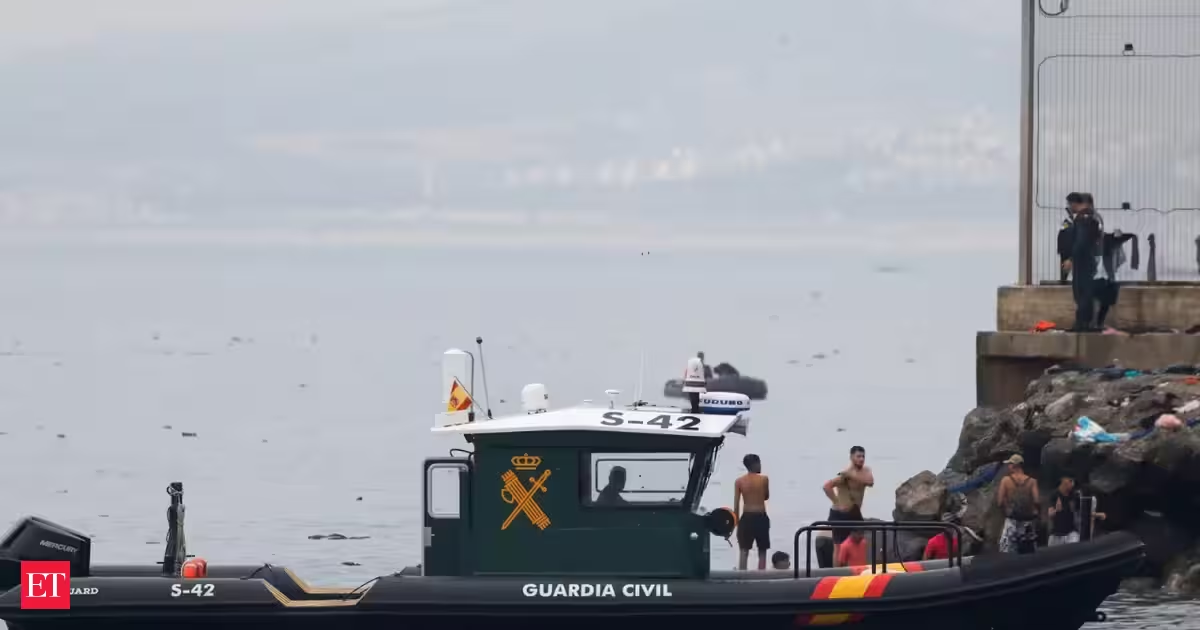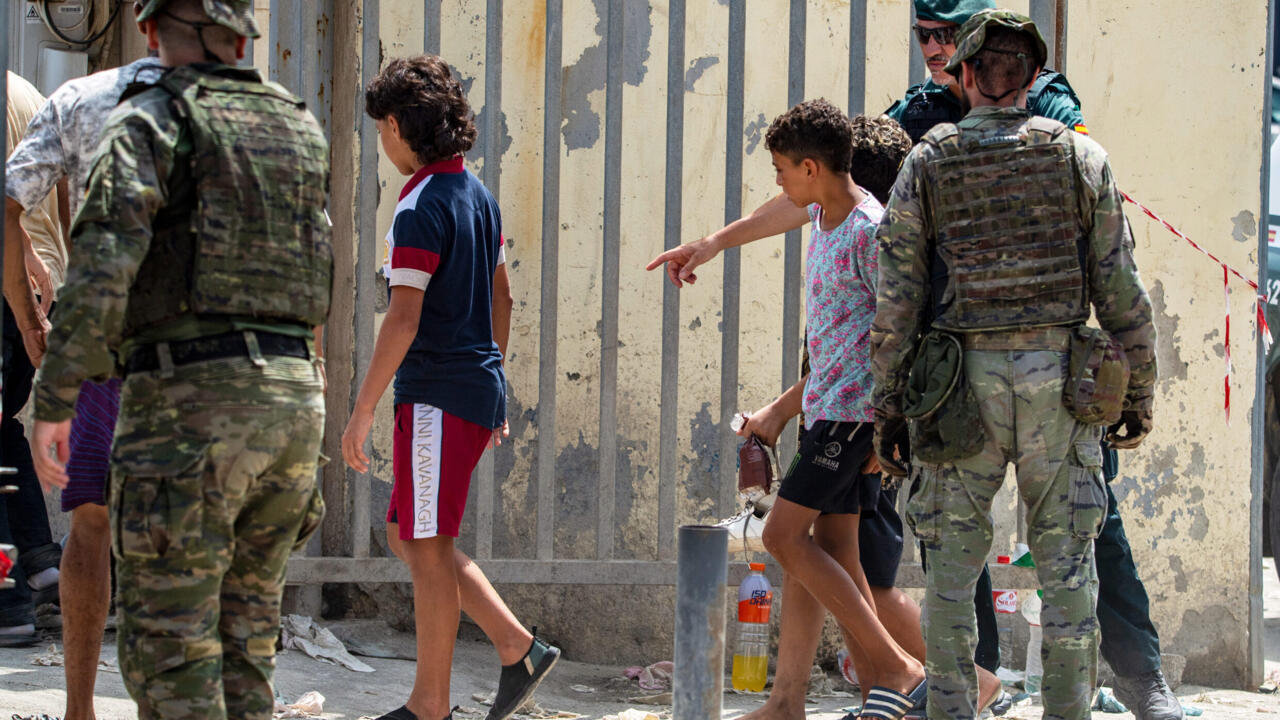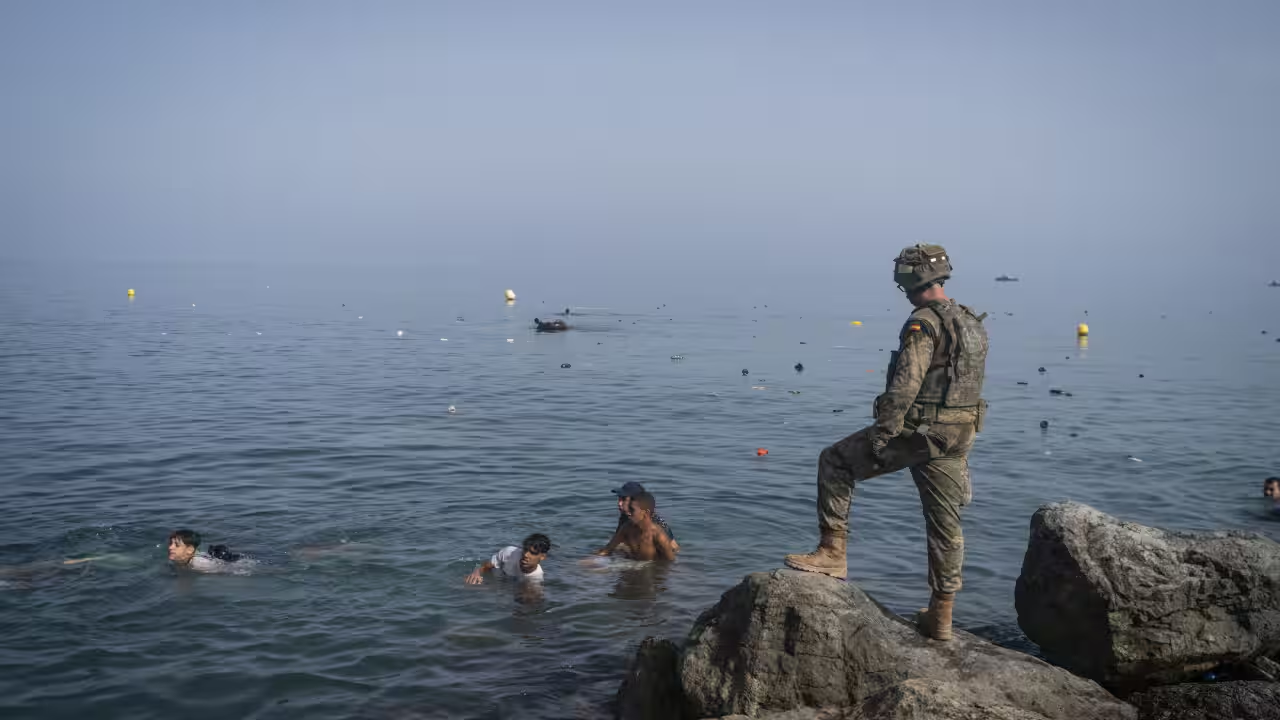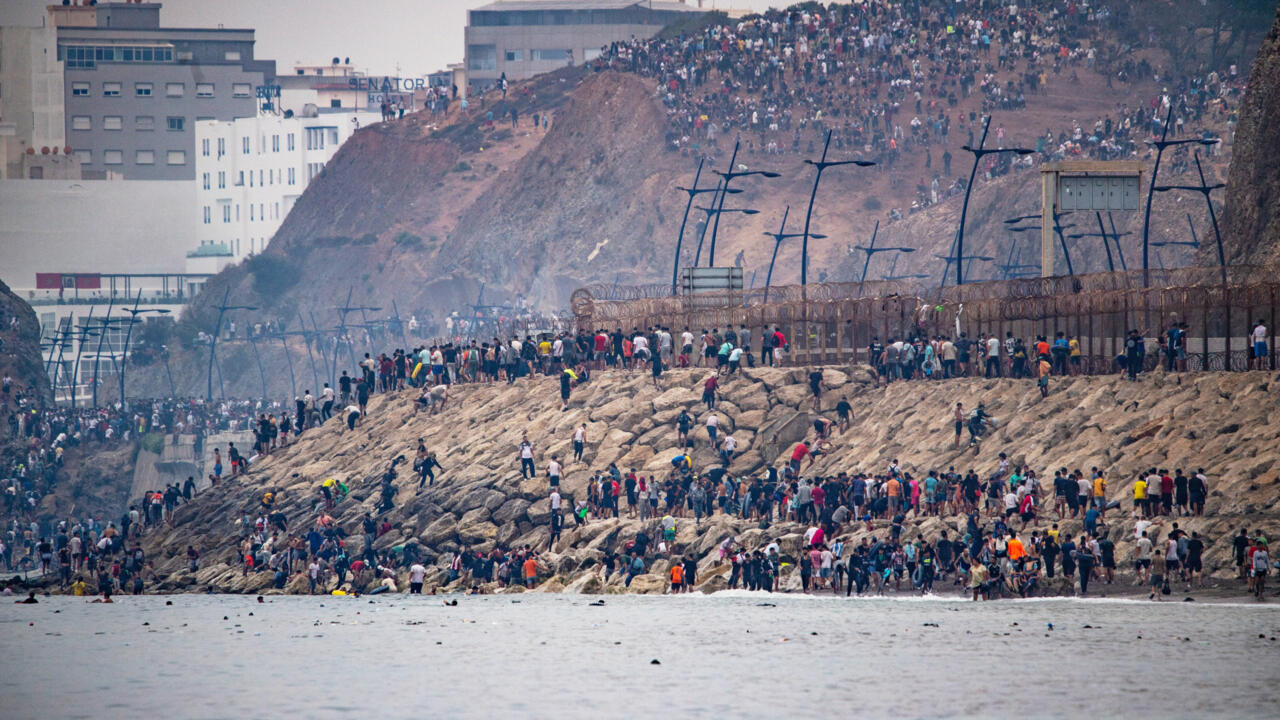
While most of the estimated 50,000 migrants who arrived last week in the Spanish enclave of Ceuta have returned to Morocco, theories are circulating about what led to the mass arrival. RFI spoke to Spanish journalist Ignacio Cembrero, who specialises in migration between Spain and Morocco.
At least 72 people died last Thursday when a mass influx of migrants attempted to enter Ceuta, a small Spanish enclave bordering Morocco in North Africa, a figure confirmed on Monday by the Spanish authorities. For its part, the Moroccan Ministry of the Interior gave an initial toll of 11 deaths on Sunday evening. In total, more than 50,000 people managed to reach the enclave – most having swum by sea around the border barrier – but almost all have since been returned to the neighbouring Moroccan town of Fnideq. Spanish authorities estimated that between 2,500 and 5,000 are still in Ceuta. However, the circumstances surrounding this humanitarian disaster are still far from clear. 'Humanitarian emergency' as influx of migrants overwhelms Spanish enclave Ceuta Territorial dispute For Ignacio Cembrero, a specialist in migration in southern Europe, the chronology of events shows that Moroccan security forces were following orders – against the backdrop of Morocco’s territorial claim to the enclave. "Since Wednesday, there have been no further attempts by the Moroccan authorities, the auxiliary forces or the Moroccan police – who are usually deployed in large numbers at this border – to prevent anything," he told RFI. "If they acted in this way, there is only one explanation. They did not do so of their own accord, and could only have done so because they received orders from the very highest levels."