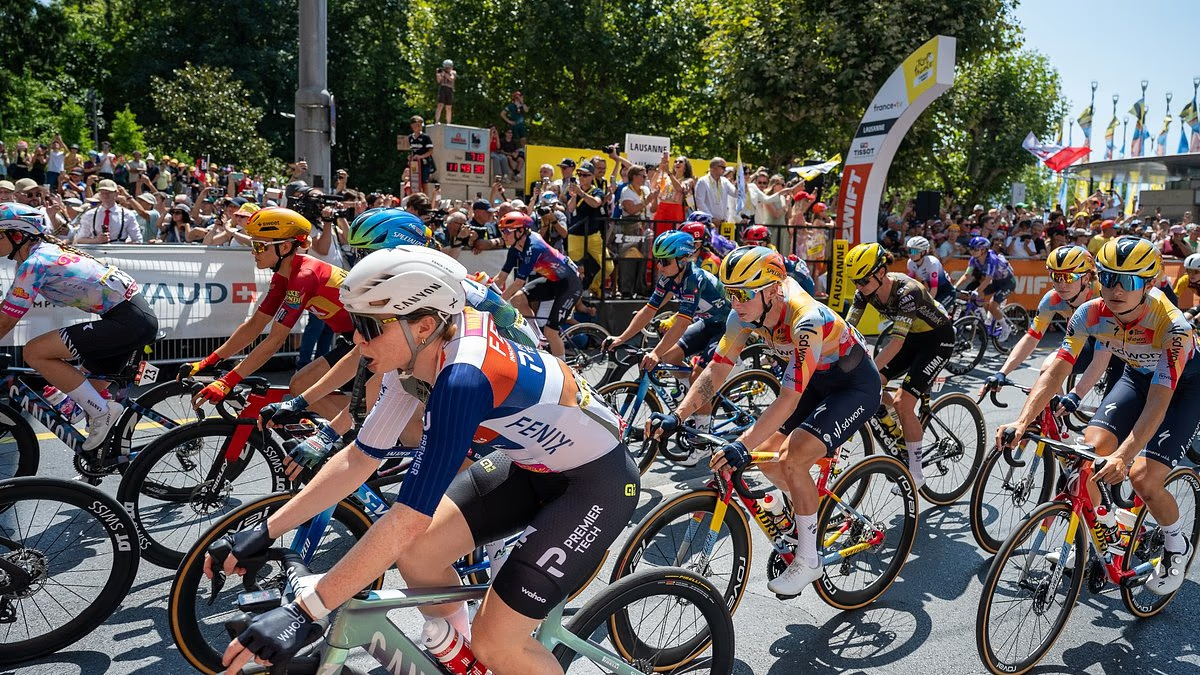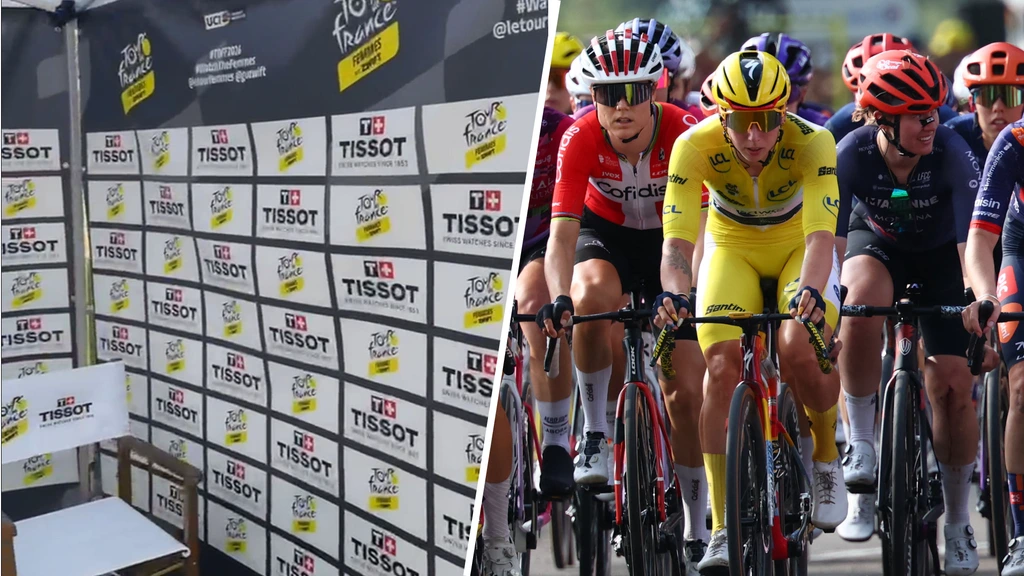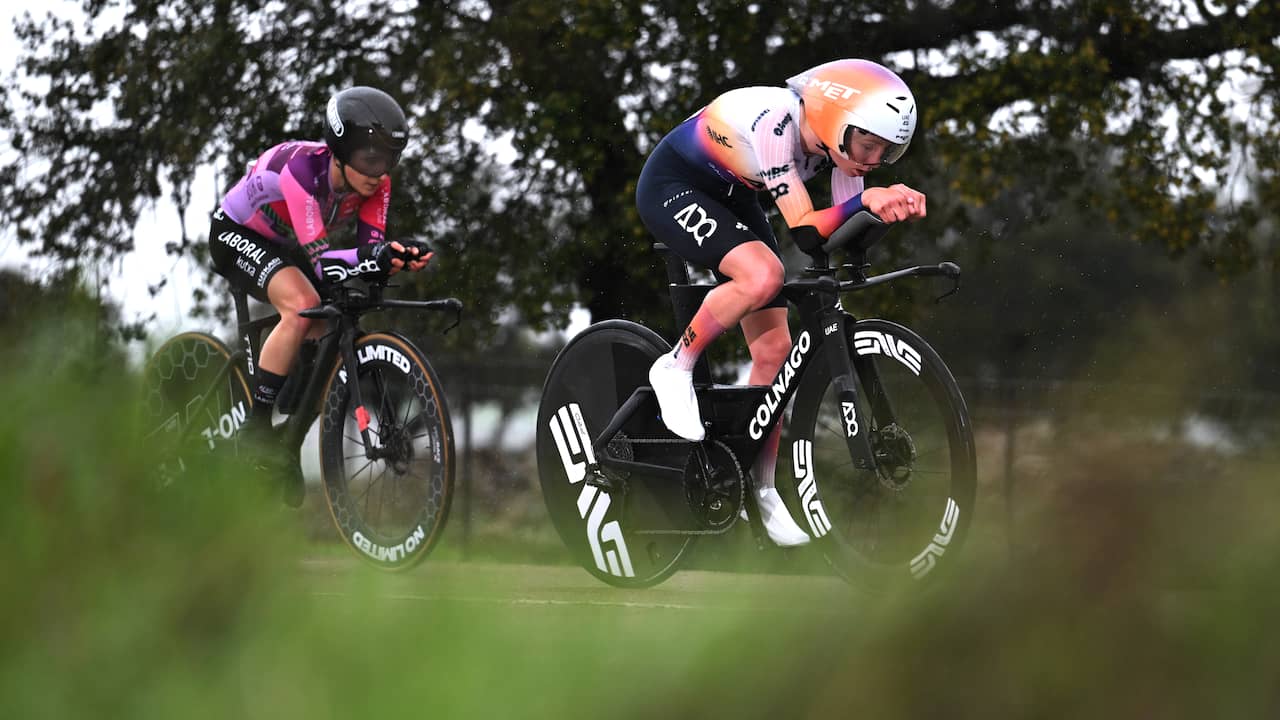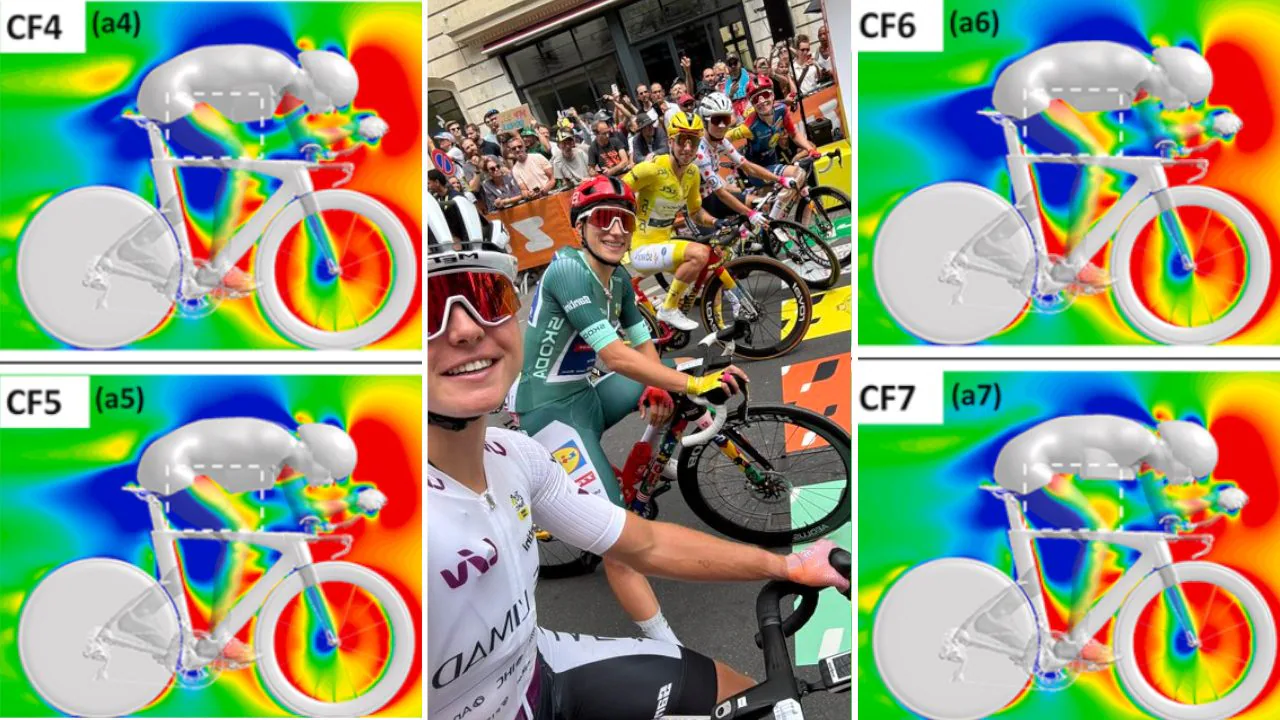
Tour de France Femmes (via Getty Images)The Tour de France Femmes has found itself at the centre of a fresh controversy after allegations emerged that some riders may have used padded bras to gain an aerodynamic advantage during the race. Reports claim that concerns were raised by several women’s WorldTour teams before the individual time trial, leading to increased scrutiny from race officials.The alleged practice, known as “chest fairing”, involves adding extra padding inside clothing to change airflow around a rider’s body. Experts believe the technique could reduce drag and improve speed, making it a potential performance-enhancing method. Organisers have already responded by introducing stricter equipment and clothing inspections before the race.Tour de France Femmes tightens checks amid chest fairing controversyThe controversy surfaced after Belgian and Dutch cycling publication WielerFlits reported that multiple women’s WorldTour teams had questioned whether some competitors were using additional padding inside their sports bras. The issue gained attention ahead of Tuesday’s individual time trial, where even the smallest aerodynamic advantage can make a significant difference.The alleged method is known as “chest fairing”. It involves increasing the surface area around the chest to improve airflow over the rider’s body. According to experts, this can lower air resistance and help riders travel faster without using extra physical effort.The debate became stronger after The Telegraph reported that Professor Bert Blocken, an aerodynamics expert from Heriot-Watt University in Scotland and LUT University in Finland, received photographs that appeared to show unusual objects placed inside some riders’ jerseys. While the images have sparked discussion, no official confirmation has been made that any rider broke the rules.Tour de France Femmes (via Getty Images)Professor Blocken’s research suggests that chest fairing can reduce aerodynamic drag by around 3.6 percent. In a sport where races are often decided by only a few seconds, such an improvement could have a major impact on the final result, especially during time trial stages where riders compete individually against the clock.In response to the growing concerns, Tour de France Femmes organisers introduced stricter pre-race inspections. Riders were instructed to report at least 10 minutes before the start of Tuesday’s fourth stage so officials could inspect both their bicycles and racing outfits. The aim was to ensure that equipment and clothing complied with competition regulations.The issue is not entirely new. Similar concerns over chest fairing were raised during the men’s Tour de France in both 2023 and 2024. Those incidents also prompted discussions about how difficult it can be to detect subtle changes made to racing clothing.The International Cycling Union (UCI), the sport’s governing body, clearly prohibits competitors from artificially modifying clothing to gain a performance advantage. Riders found violating the rule can face immediate disqualification, while financial penalties may range from around £184 to £918 or even higher depending on the seriousness of the offence.Despite the regulations, many within cycling believe enforcement remains a challenge. So far, no rider has been officially charged or penalised in connection with the latest allegations.
Tour de France Femmes under spotlight after riders face ‘bra booster’ cheating allegations
The Tour de France Femmes has found itself at the centre of a fresh controversy after allegations emerged that some riders may have used padded bras to gain an aerodynamic advantage during the race. Reports claim that concerns were raised by several women’s WorldTour teams before the individual time trial, leading to increased scrutiny from race officials.
493 words~2 min read