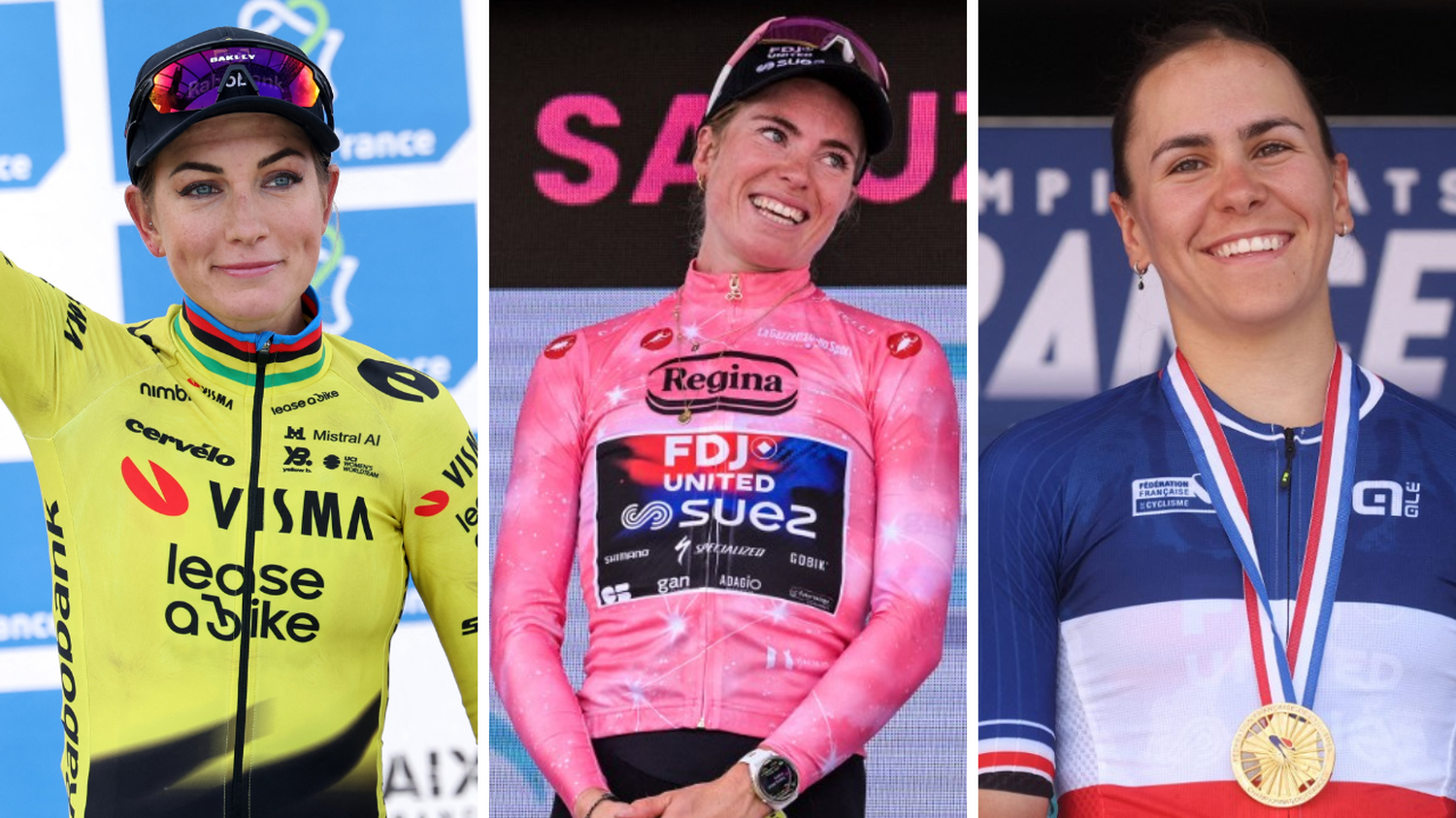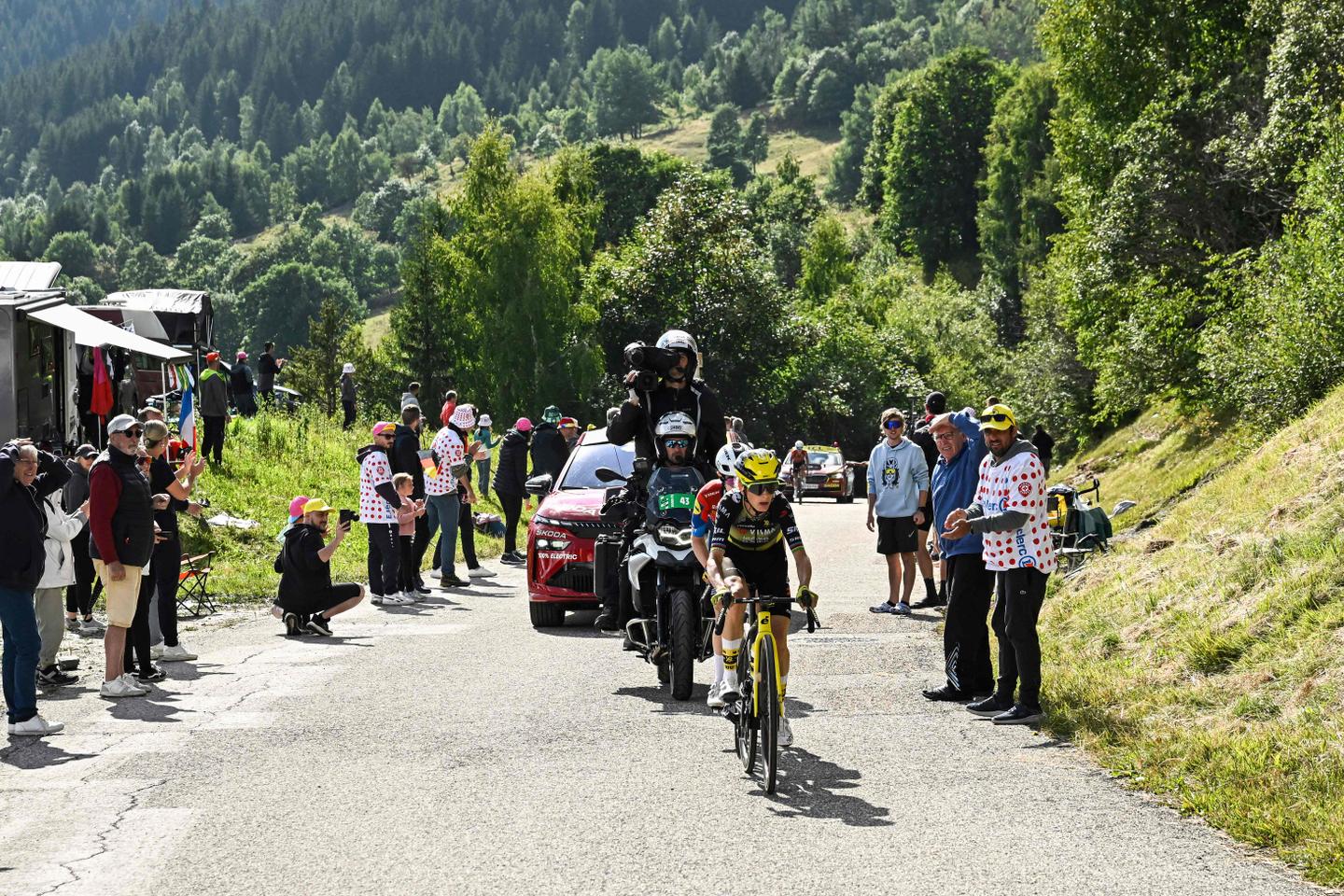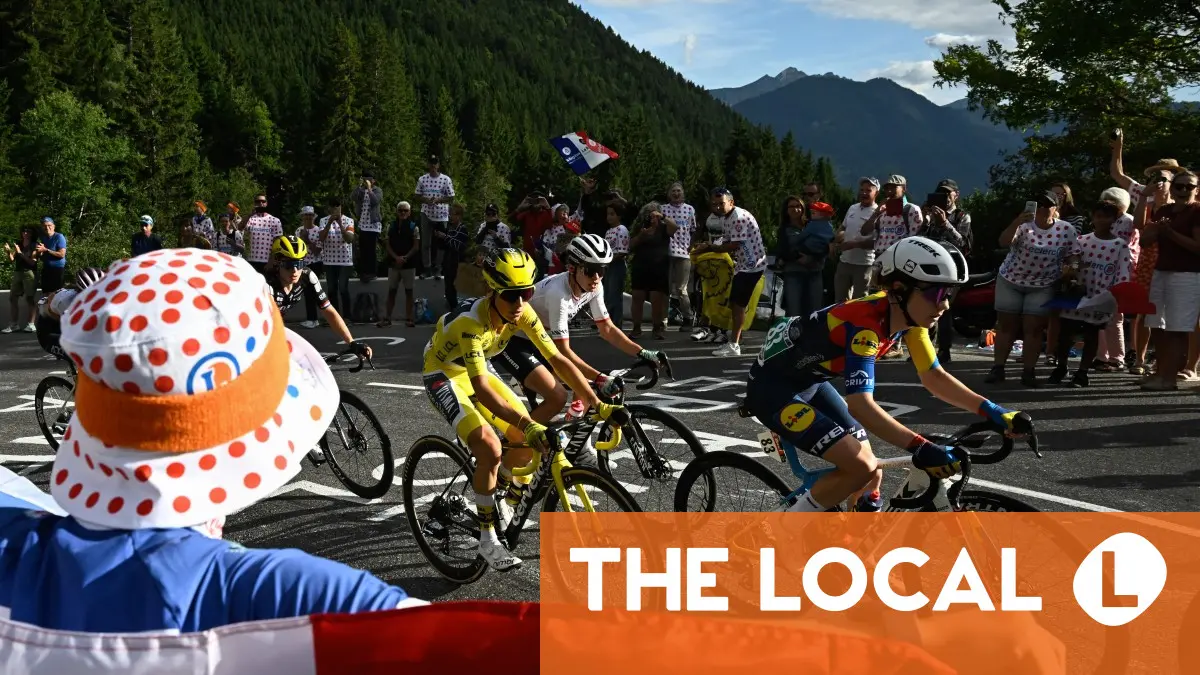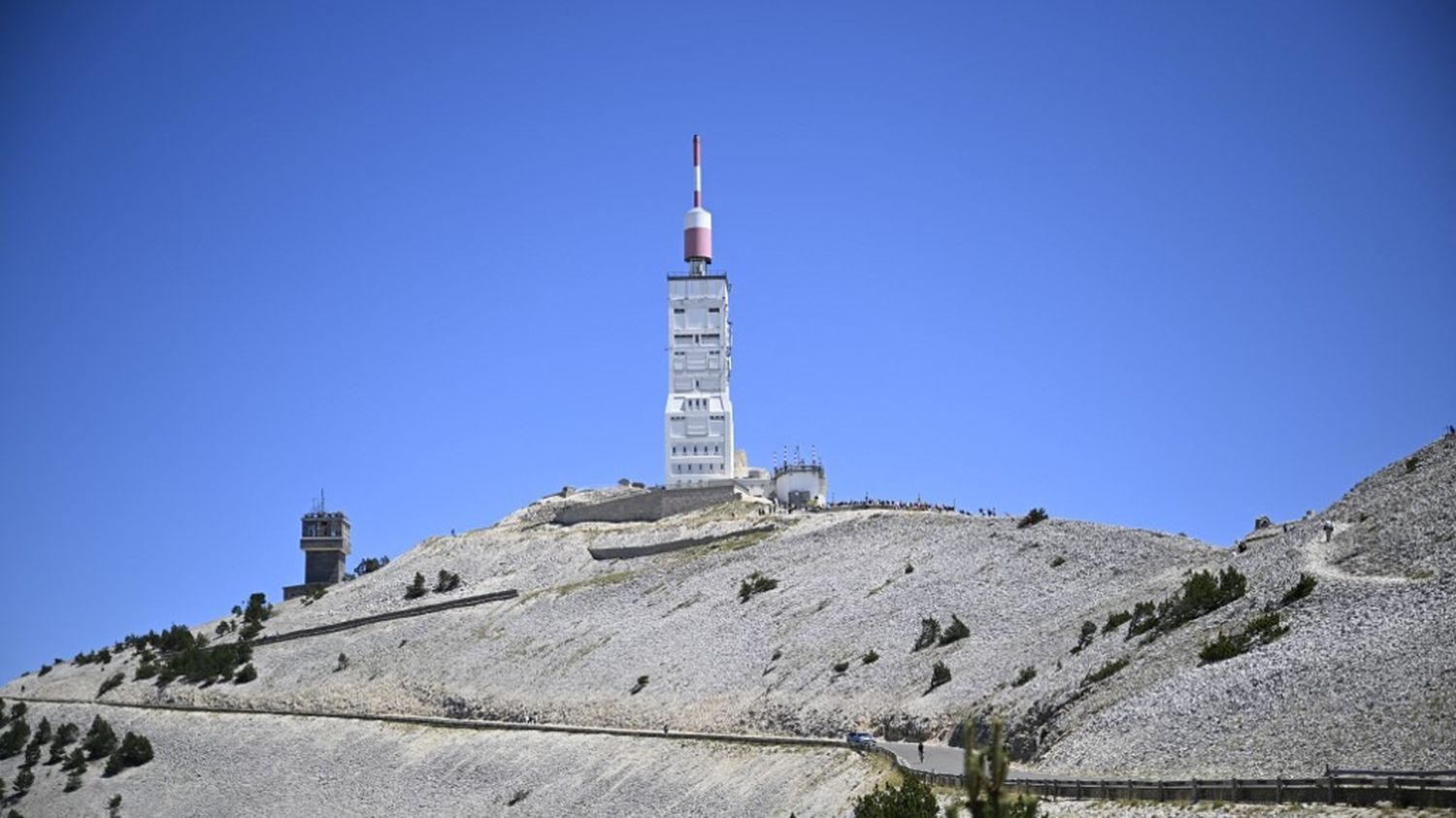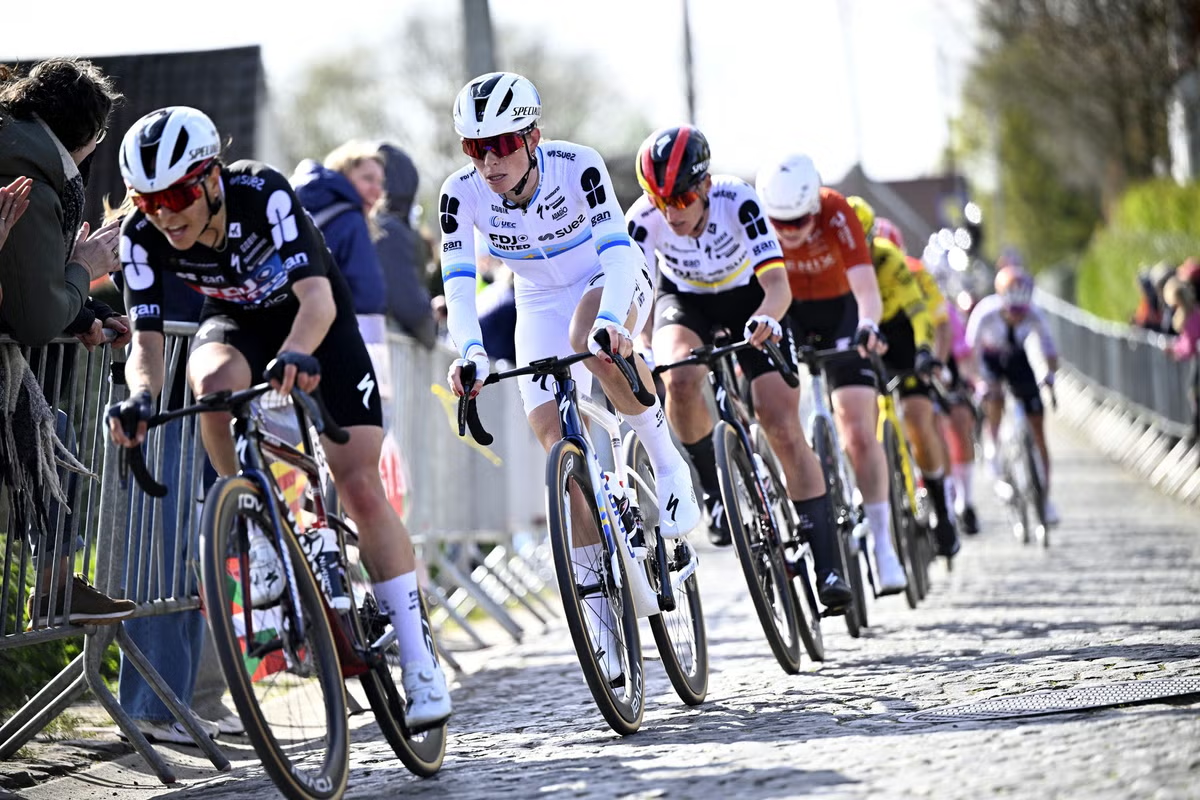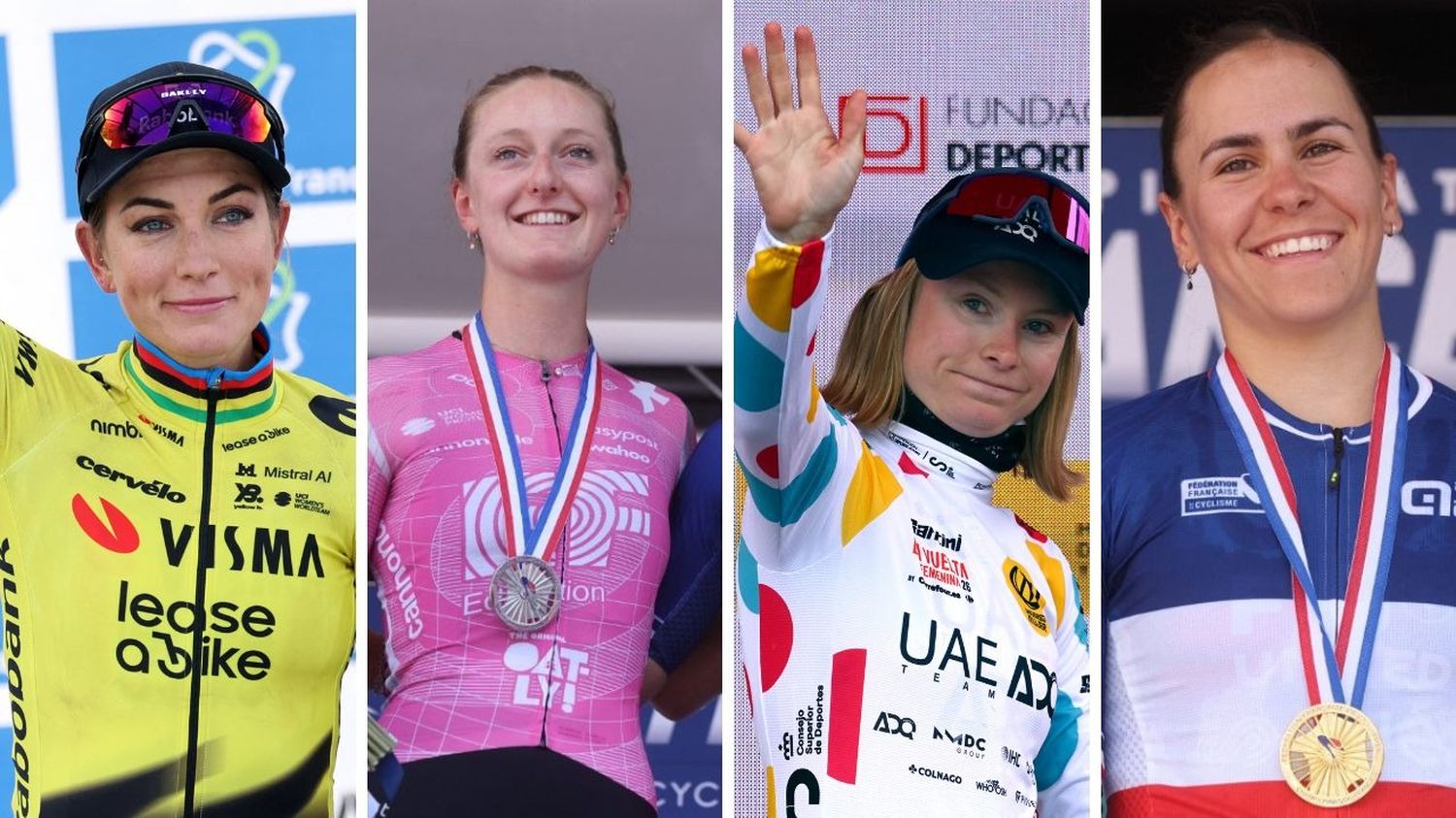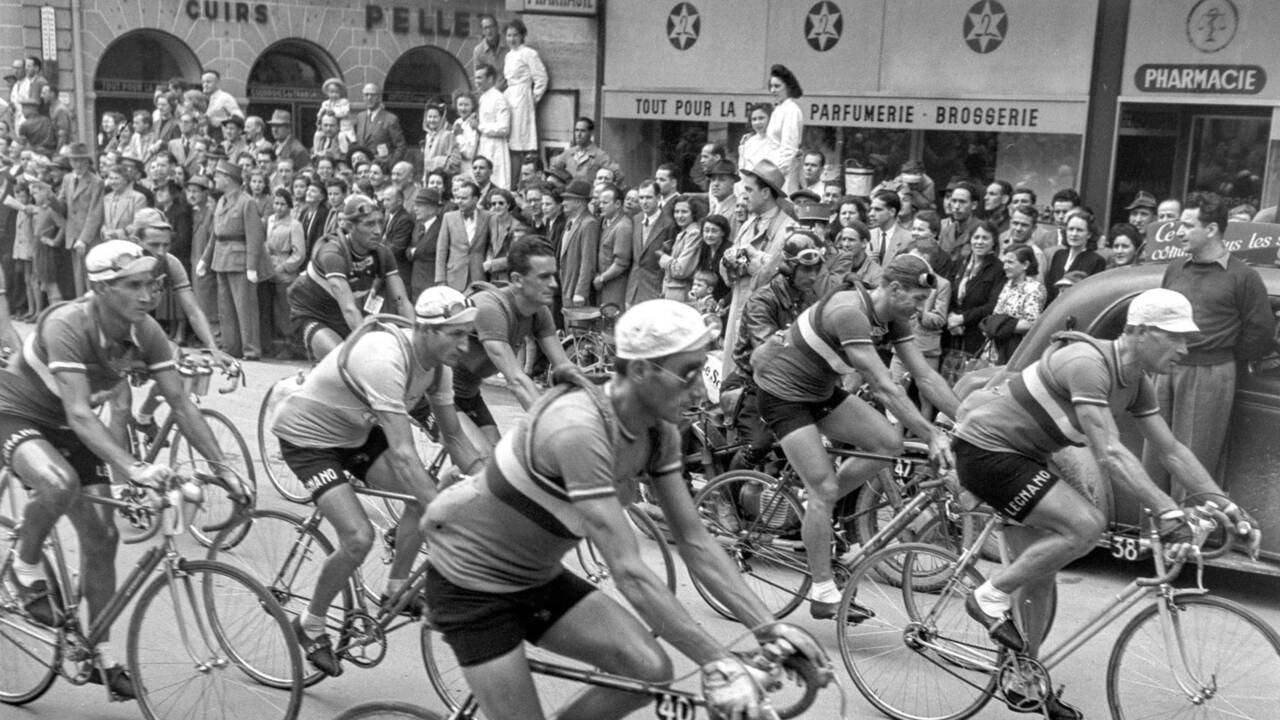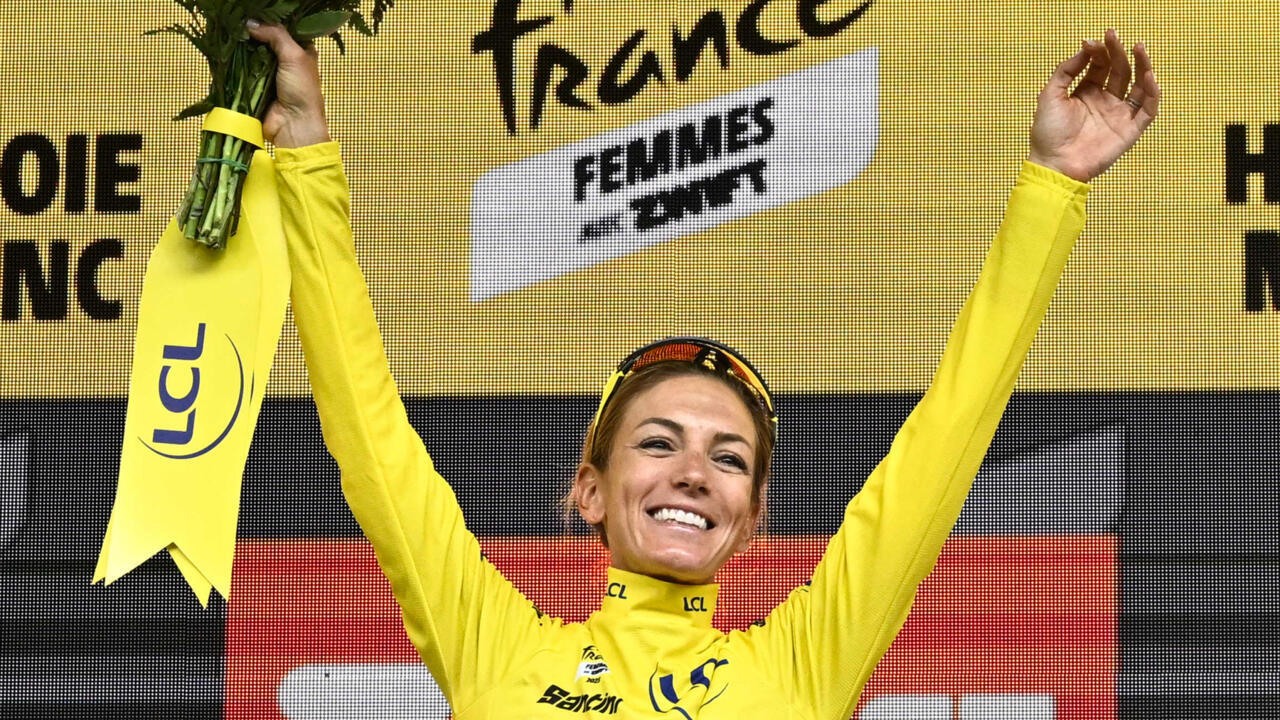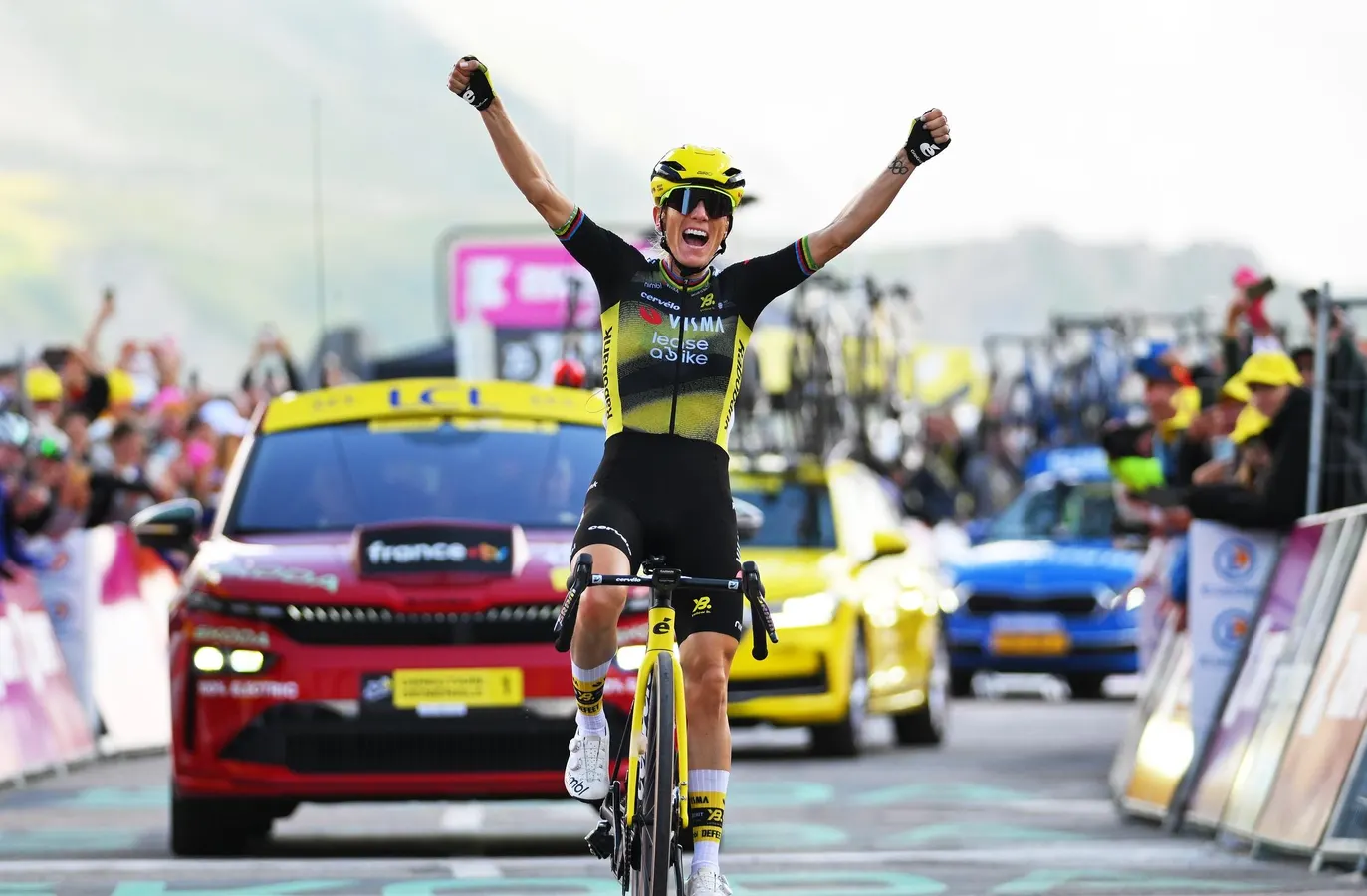
SAINT-FRANCOIS LONGCHAMP, FRANCE - AUGUST 02: Pauline Ferrand-Prevot of France and Team Visma | Lease a Bike celebrates at finish line as stage winner during the 4th Tour de France Femmes 2025, Stage 8 a 111.9km stage from Chambery to Saint-Francois Longchamp - Col de la Madeleine 1986m / #UCIWWT / on August 02, 2025 in Saint-Francois Longchamp, France. (Photo by Tim de Waele/Getty Images)Getty ImagesOn Saturday, Aug. 1, a field of 147 riders representing 21 teams will roll out of Lausanne, Switzerland, for the fifth edition of the Tour de France Femmes avec Zwift. While the competitive product heading into these nine days of racing is undeniable, the short history of the event deserves far more scrutiny than it typically receives. The men’s Tour de France was first contested in 1903, while the women’s version, operated by the very same company in the Amaury Sport Organization, did not exist in any comparable form until 2022. That gap of more than a century was the result of a series of myths about women, their interest levels, their bodies, and their commercial value that were never supported by evidence and that continue to shape how cycling invests in half of its potential athletes and fans.QUIMPER , FRANCE - JULY 27: Mavi Garcia of Spain and Team Liv AlUla Jayco celebrates at finish line as stage winner during the 4th Tour de France Femmes 2025, Stage 2 a 110.4km stage from Brest to Quimper / #UCIWWT / on July 27, 2025 in Quimper, France. (Photo by Szymon Gruchalski/Getty Images)Getty ImagesOver A Century Of Exclusion Women have been systematically locked out of cycling and competitive sport more broadly. And while most countries have played a significant part in constructing those barriers, France has also played central role and continues to lag behind in approaching equity. Before the 1920s, competitive sport in France was treated as an exclusively male domain, and when women began participating in greater numbers, the medical establishment responded with unfounded claims that strenuous exercise threatened female fragility and reproductive health. Similar claims were also making their way around the globe. The early Olympic movement reinforced those same attitudes by barring women from major track and field events altogether.It ultimately took a Frenchwoman to force meaningful change. Alice Milliat grew tired of waiting for the International Olympic Committee to act, so she organized independent international competitions and launched the Women's World Games during the 1920s in a direct challenge to the governing bodies of the era. Her pressure campaign eventually pushed the Olympic movement toward broader inclusion for women.PARIS, FRANCE - SEPTEMBER 20: The ten statues of pioneering women, first unveiled at the opening ceremony of the Paris Olympic Games on July 26, are on temporary display on Palais Bourbon at the National Assembly in Paris, France on September 20, 2024. The four-metre-high, gold-plated statues represent female figures in French history, including Christine de Pizan, Jeanne Barret, Olympe de Gouges, Louise Michel, Alice Guy, Alice Milliat, Paulette Nardal, Simone de Beauvoir, Simone Veil and Gisele Halimi. (Photo by Mustafa Yalcin/Anadolu via Getty Images)Anadolu via Getty ImagesMORE FOR YOURaces For Women Fail By DesignThe concept of a women's Tour de France is far from new. An early attempt at a women's stage race surfaced in 1955 and was quickly abandoned when organizers declined to invest in its future. The most prominent effort arrived decades later when the Tour de France Féminin ran from 1984 through 1989, producing genuine racing on French roads and legitimate stars of the sport, before collapsing due to limited budgets, unstable sponsorship, and almost nonexistent media coverage. The successor to the Tour de France Féminin, the Grande Boucle Féminine Internationale, operated for years in a state of underfunding before fading from the calendar entirely.The standard retelling holds that these races failed, and that framing deserves to be challenged directly because it converts a chain of deliberate decisions into something resembling natural market selection. These races were failed by the institutions surrounding them. Broadcasters declined to televise the events, which meant sponsors saw limited return on investment, which meant budgets remained small, which meant the races could never grow into sustainable properties. That self-reinforcing cycle of invisibility was then cited as proof that the product lacked a market.After removing its own women’s events, the Tour’s ownership tightly guarded the Tour de France brand name, which prevented independent organizers from building a properly branded and funded equivalent for years. In a similar way, the US has experienced this type of suppression through branding within NCAA March Madness, when the women were banned from using the ‘March Madness’ branding and logos until the 2022 tournament. The same year the Tour de France Femmes began. DORDRECHT, NETHERLANDS - AUGUST 13: (L-R) Marianne Vos of The Netherlands and Team Visma | Lease a Bike - Green points jersey, Lorena Wiebes of The Netherlands and Team SD Worx - Protime and Charlotte Kool of The Netherlands and Team dsm-firmenich PostNL - Yellow leader jersey sprint at finish line to win during the 3rd Tour de France Femmes 2024, Stage 2 a 67.9km stage from Dordrecht to Rotterdam / #UCIWWT /on August 13, 2024 in Dordrecht, Netherlands. (Photo by Alex Broadway/Getty Images)Getty ImagesBeyond these discriminatory actions, the Union Cycliste Internationale compounded the problem for decades by enforcing strict limits on how far and how long women were permitted to race, restrictions that were rooted not in physiology but in the same unproven anxieties that Milliat had been fighting in the 1920s. Cycling executives treated women's racing as a minor novelty rather than an elite athletic competition worthy of equal scheduling and promotion, and every layer of the sport's infrastructure was arranged in ways that ensured a women's Tour could not thrive. Its inability to thrive was then offered as the justification for never building one.The Interest MythThe most used argument against investing in women’s sport suggests that the interest simply does not exist, and that participation gaps are based on individual inherent preferences rather than opportunity. It also happens to be the most thoroughly debunked argument in the history of sports policy, because the United States effectively ran the experiment that disproved it. Before Title IX in 1972, fewer than 300,000 U.S. girls played high school sports. Once schools were required to provide opportunities, resources, access, and encouragement, participation surged past 3.4 million girls, an increase of more than 1,000%. Girls did not suddenly discover an interest in sports in 1972, the interest was always there. Girls were finally given permission and resources, and every subsequent boom in women's sports has followed that identical script across soccer, basketball, and now cycling.UNIVERSITY PARK, PA - MARCH 20: The National Championship trophy is seen alongside an ad board for the 50th Anniversary of Title IX before the Division I Womens Ice Hockey Championship game between the Ohio State Buckeyes and the Minnesota Duluth Bulldogs held at Pegula Ice Arena on March 20, 2022 in University Park, Pennsylvania. (Photo by Justin Berl/NCAA Photos/NCAA Photos via Getty Images)NCAA Photos via Getty ImagesCycling’s own participation numbers tell a very similar story. Women make up roughly 40% of all people who ride bikes globally, and in bike-friendly countries such as the Netherlands the split approaches full parity. In the United States, an estimated 45 million women ride a bicycle at least once per year. Inside fitness studios, women account for roughly 78% of indoor cycling and spin-class riders. Grassroots women's cycling events and festivals routinely sell out well in advance.Despite all of that engagement, women represent only about 13% of The Fédération Française de Cyclisme members, 15% of USA Cycling’s racing membership and roughly 20% of British Cycling’s. Importantly, previous research has determined that women are not staying out of competitive cycling because they lack interest. Studies consistently show that women ride less or give up riding outdoors because of safety concerns, poor infrastructure, and harassment. When 45 million American women already ride bikes and fitness studios are filled mostly with women, the interest has clearly been established, but the sport has failed to build the pathways that would carry those riders into formal competition. BAR-SUR-AUBE, FRANCE - JULY 27: A general view of the peloton and fans at Troyes Village prior to the 1st Tour de France Femmes 2022, Stage 4 a 126,8km stage from Troyes to Bar-Sur-Aube / #TDFF / #UCIWWT / on July 27, 2022 in Bar-sur-Aube, France. (Photo by Dario Belingheri/Getty Images)Getty ImagesThe Physicality MythThe oldest and most harmful myth throughout the history of women in sport suggests that women’s bodies cannot handle grand tour racing. That belief justified the UCI’s historical distance limits, the medical warnings of the early 1900s, and a century of institutional sexism. But modern sports science does not support any of it. Previous research has determined that women maintain key advantages in physical endeavors. Specifically, women oxidize fat more efficiently than men during prolonged exercise, which preserves glycogen for the late stages of long efforts. Women also carry a higher proportion of fatigue-resistant slow-twitch muscle fibers, and studies of ultra-distance trail runners have found women sustain less peripheral fatigue and lose less maximal force than men competing at equivalent levels. In trail races, the gap between the men and women narrows as distances grow, because men’s speed declines faster than women’s with every additional 10 kilometers, and in ultramarathons where men and women enter in comparable numbers that difference has shrunk to between 1% and 3%. CHATEL LES PORTES DU SOLEIL, FRANCE - AUGUST 03: Sarah Gigante of Australia and Team AG Insurance - Soudal, Pauline Ferrand-Prevot of France and Team Visma | Lease a Bike - Yellow Leader Jersey, Niamh Fisher-Black of New Zealand and Team Lidl - Trek, Katarzyna Niewiadoma of Poland and Team CANYON//SRAM zondacrypto and Demi Vollering of Netherlands and Team FDJ - SUEZ compete in the chase group climbing to the Col de Joux Plane (1688m) during the 4th Tour de France Femmes 2025, Stage 9 a 124.1km stage from Praz-sur-Arly to Chatel Les Portes du Soleilon 1298m / #UCIWWT / August 03, 2025 in Chatel Les Portes du Soleil, France. (Photo by Tim de Waele/Getty Images)Getty ImagesPart of why this still surprises people is that exercise science built its baseline on male bodies. Women account for roughly 30 to 40% of participants in sports science studies, only about 6% of studies examine women exclusively, and in research focused specifically on athletic performance the share of female participants has been measured as low as 3%. Female physiology was treated as a variation on a male standard rather than a system worth studying on its own terms. The schedule in Lausanne makes the point without any of that literature, because the men's Tour runs 21 stages with two rest days and acknowledged lulls while the women race nine straight days with none, in a format where nearly every stage is decisive. And the women’s race should get longer.The Tour de France Femmes is a true success, and Saturday's Grand Départ in Lausanne deserves to be celebrated with three former champions in the field, a deep supporting cast, and a new generation of riders arriving on schedule. Five editions is still a thin history for a race this significant, and the reason it is thin has nothing to do with the athletes. Cycling's decision makers spent generations reading their own lack of investment as proof that nobody wanted the product. Title IX, the Zwift audience numbers, and each women's cycling event ever since have all demonstrated that participation and viewership grow when someone finally funds them. Televised racing, real marketing budgets, protected infrastructure, and visible role models such as Ferrand-Prévot and Vollering each make the next investment easier to justify. Women have always been interested in this sport and have always been capable of racing it, and the only thing missing for more than a century was an organization willing to build the race and event in a way that could lead to sustained growth. While that race now exists, the work ahead need to be about making it bigger.
Why It Took 119 Years To Build A Tour de France For Women
The fifth Tour de France Femmes highlights a century of deliberate exclusion for women in cycling, contrasting sharply with the men's race.
2,011 words~9 min read