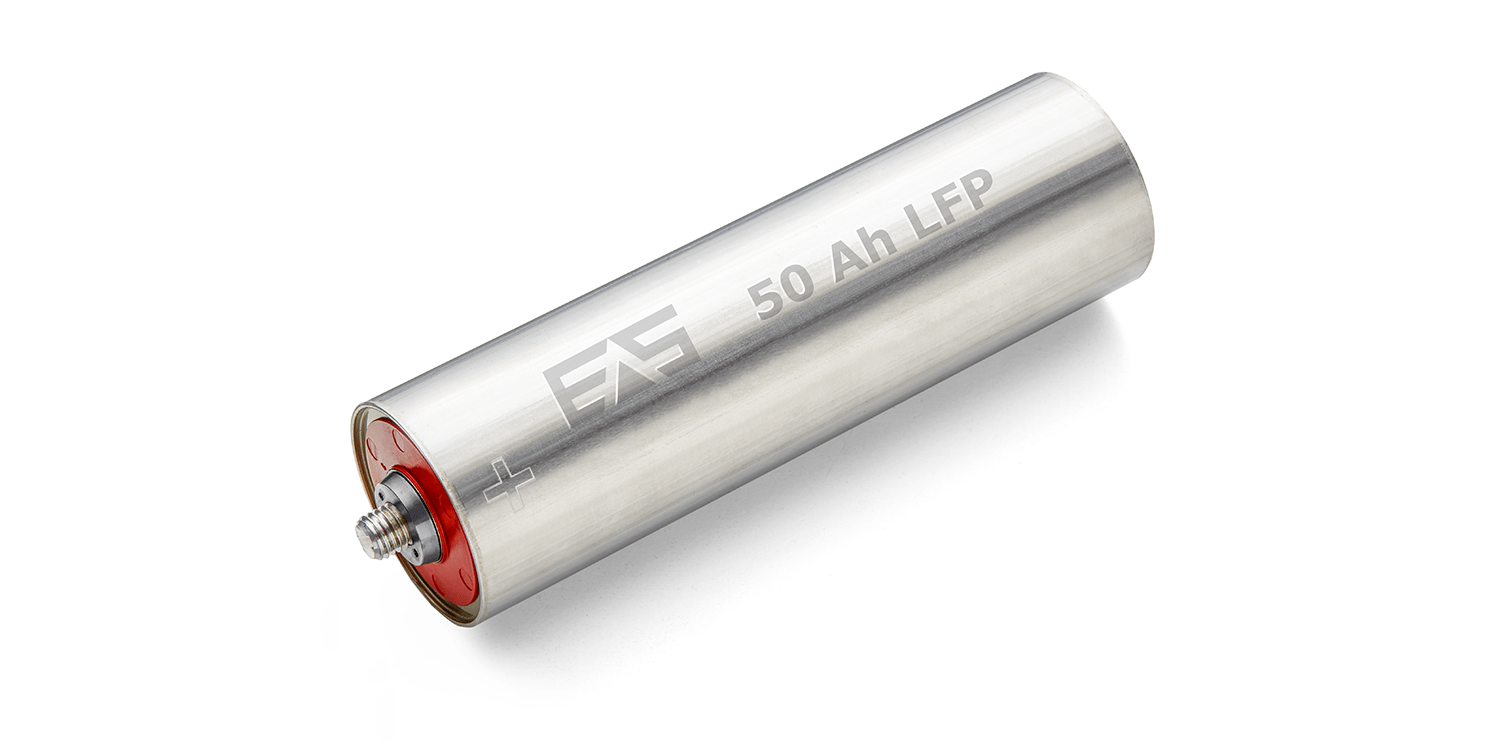
Backed by €2.4 million in funding from the German Federal Government, the project brings together research institutions and industry partners to develop a new data-driven approach to manufacturing lithium iron phosphate (LFP) battery cells.
The consortium combines expertise from across the battery value chain. EAS Batteries is coordinating the project and leading the digitalisation of cell manufacturing, while RWTH Aachen is responsible for cell characterisation and the development of AI models. KIT and Batalyse are focusing on research data management, automated analysis of measurement data and the digital product passport at cell level. Associated partner Omron is contributing automation and data acquisition solutions.
As a first step, EAS Batteries will fully digitalise its production line. Additional sensors and modern interfaces will systematically capture production, material and quality data, which will then be consolidated in a central data infrastructure. The aim is to establish a seamless data foundation across the entire production process.
The consortium will use this data to develop a virtual LFP battery cell. Advanced AI methods will analyse large datasets to identify correlations between production parameters and resulting cell properties. This will enable precise evaluation of factors such as layer thickness, porosity, material throughput and temperature profiles.