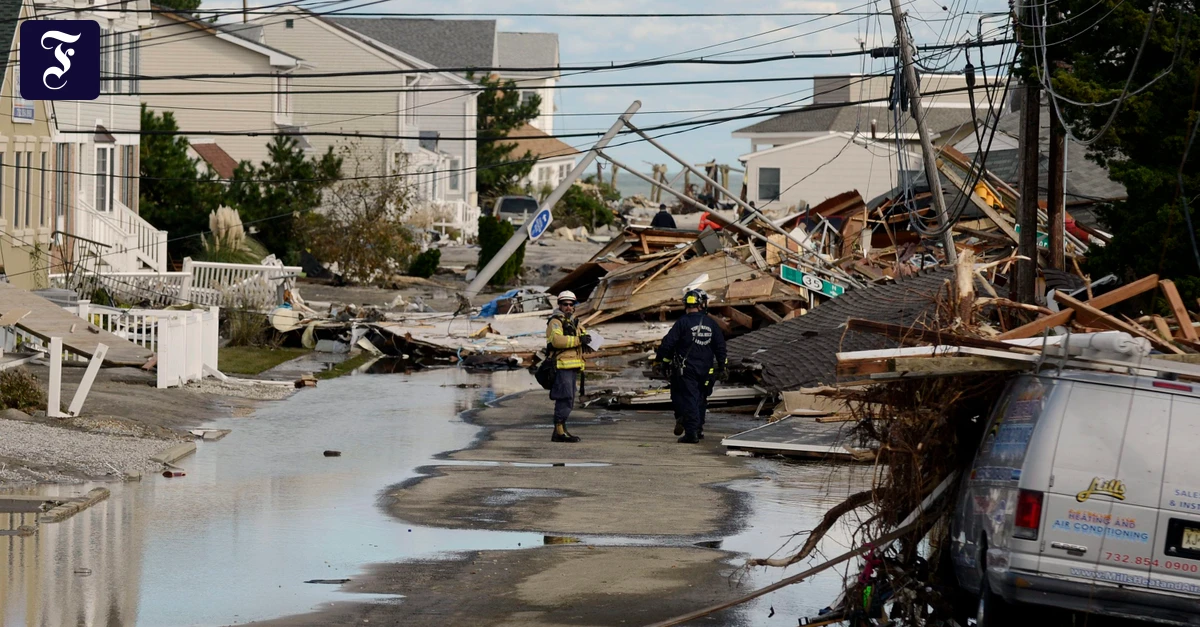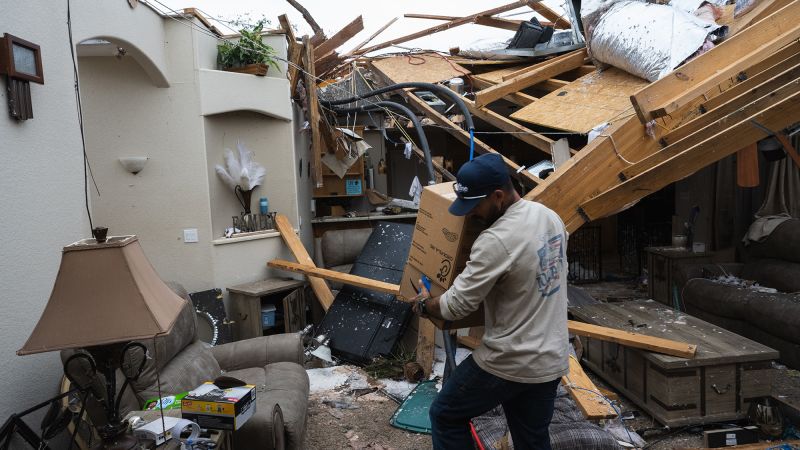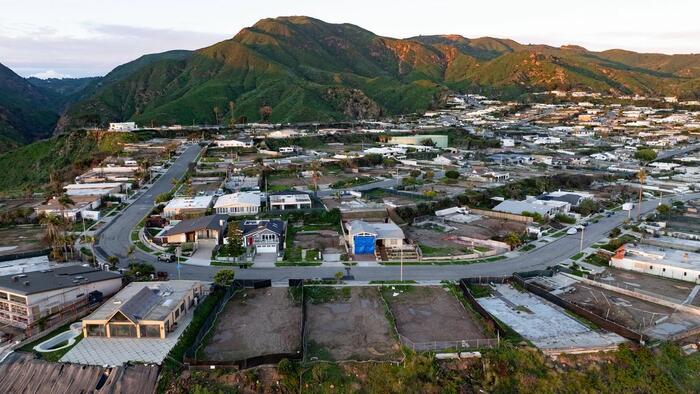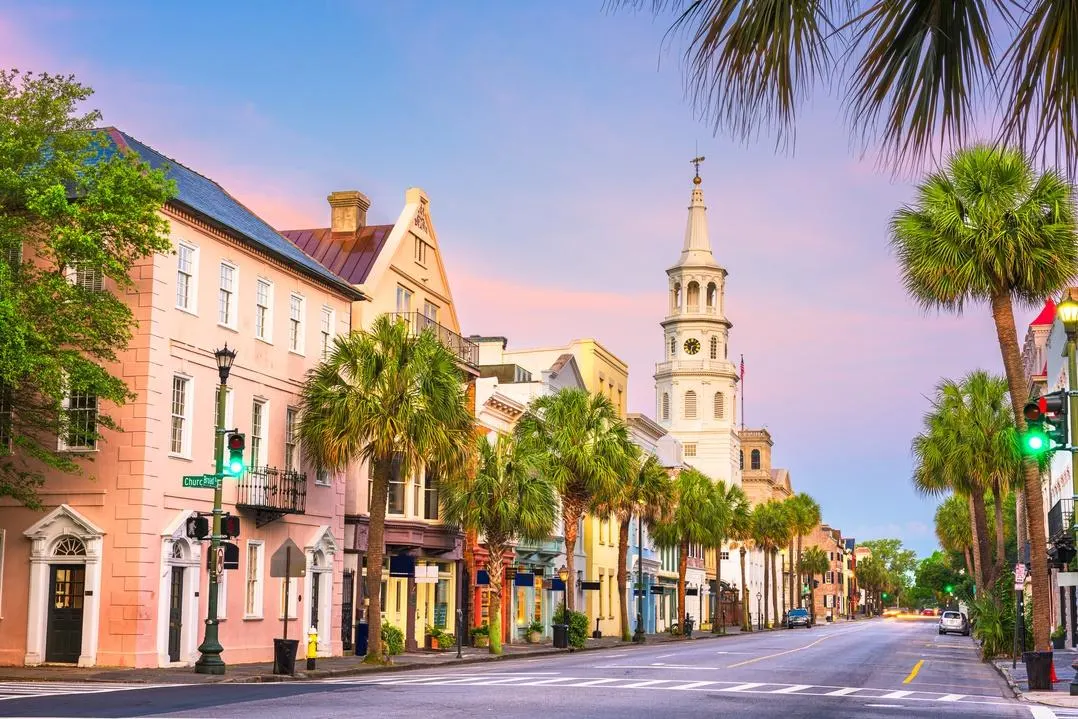
Charleston, South Carolina, is among the many desirable U.S. cities where buyers increasingly weigh weather, lifestyle, and long-term ownership costs when deciding where to relocate.gettyRemote work fundamentally changed the geography of work. For many Americans, where they live is no longer dictated entirely by where they work. That flexibility has expanded the range of places people can realistically call home, prompting many to look beyond traditional relocation hotspots, whether they’re relocating across the country or exploring life beyond U.S. borders. As relocation has become more intentional, so have the questions people ask before they move.For years, relocation decisions centered on familiar priorities: jobs, housing costs, schools, and proximity to family. Those considerations still matter. But weather is influencing relocation decisions in ways many Americans hadn't considered just a few years ago. Today's weather decisions aren't simply about chasing sunshine or escaping snow. They're becoming intertwined with rising insurance costs, flood and wildfire risks, extreme heat, infrastructure resilience, long-term property values, and the financial realities of homeownership.The result is a different way of evaluating place. Choosing where to live is becoming less about climate alone and more about balancing lifestyle with long-term practicality.Why Weather Is Becoming Part Of The Relocation EquationHistoric neighborhoods with walkability, character, and a mild climate continue to attract Americans weighing where to relocate.gettyFor years, weather was largely viewed as a lifestyle preference. Many Americans relocated for warmer winters, cooler summers, or simply to spend more time outdoors. Those motivations haven't disappeared. But as remote work has expanded where many people can realistically live, weather has become part of a much broader relocation conversation. Americans are choosing cities beyond traditional remote-work hotspots, while others are exploring destinations abroad in search of a different pace of life. Along the way, many are reevaluating not just where they want to live, but why.New data suggest weather is becoming a larger part of that decision-making process. According to Redfin's 2026 survey,22% of Americans planning an out-of-state move cited better weather as one of their top motivations, making it the most commonly selected reason. Another 21% said climate or natural disaster risk was influencing where they wanted to live. Taken together, the findings suggest Americans are evaluating place in two different ways. Many are still seeking the lifestyle benefits of sunshine, mild winters, and time outdoors. Others are weighing the financial and practical realities of flood risk, wildfire exposure, extreme heat, and severe storms. The result is a broader definition of what makes a place desirable to live.When Weather Becomes A Financial DecisionInsurance, maintenance, and weather-related risks are becoming part of the financial calculations many buyers make before deciding where to relocate.gettyWeather doesn't just influence where people want to live. It's influencing what they can afford to own. Rising insurance premiums, limited coverage options, flood and wildfire exposure, and the lifetime costs of maintaining a property are prompting more Americans to look beyond a home's purchase price—and consider the total cost of ownership when deciding where to relocate.Homeowners are factoring those realities into their decisions. According to Kin Insurance's 2026 Homeownership Trends Report, nearly half (49%) said they are considering moving because of climate-related concerns, while 93% expect climate-related damage to affect their home within the next three years. Insurance is becoming an important part of that calculation. A recent analysis by First Street, reported by CBS News, found that roughly one-quarter of U.S. residential properties face rising insurance costs or reduced coverage because of growing climate-related risks. Those pressures are already showing up in the marketplace. In some parts of the country, homeowners are receiving non-renewal notices or facing sharply higher premiums, forcing many to reconsider not only where they buy, but whether certain markets remain financially sustainable over the long term. The result is a subtle but important shift in how affordability is defined. For many Americans, the cost of a home no longer ends with the mortgage payment. Insurance, maintenance, resilience, and ownership costs are all becoming part of the total cost of home ownership.How The Relocation Checklist Is ChangingToday's relocation decisions often extend beyond jobs and housing costs to include weather, insurance, resilience, and long-term financial considerations.gettyThe questions Americans ask before they relocate are changing. Affordability, job opportunities, schools, and proximity to family remain central to many relocation decisions, but they're no longer the only considerations shaping where people choose to build a life. As weather becomes more intertwined with the financial realities of homeownership, buyers are weighing a broader range of financial and practical tradeoffs before deciding where to put down roots.That evolution reflects a larger shift in how people think about place. A home's purchase price is only one part of the equation. Insurance availability, recurring weather events, infrastructure resilience, and future resale potential are becoming more important considerations as buyers evaluate what owning a property may truly cost over time.For Americans with greater flexibility over where they live, those changing priorities are opening new possibilities. Some are looking at countries offering financial incentives to attract newcomers, while others are exploring American cities paying people to relocate as they search for communities that better align with their financial goals and lifestyle priorities.Affordability hasn't become less important. What has changed is everything that now contributes to it. For many Americans, the question is no longer simply where it costs the least to live, but where it makes the most sense to build a life over the long term.What This Means For The Future Of RelocationAs Americans rethink where to relocate, many are looking for communities that offer a balance of quality of life, affordability, and long-term resilience.gettyAmericans haven't stopped searching for a better place to live. What's changing are the questions they're asking before they decide where to go. Remote work made it possible for more people to choose where they live. Now, weather is changing how many of those choices are made.What was once viewed primarily as a lifestyle decision has become part of a broader calculation about affordability over time, resilience, and the realities of homeownership. Whether someone is relocating across the country, moving abroad, or simply weighing their next home purchase, the decision is no longer just about where life looks good today—it's about where it will still work tomorrow.
The Cost Of Weather Is Reshaping How Americans Choose Where To Relocate
Weather is reshaping how Americans choose where to relocate as insurance costs, flood risk, resilience, and the cost of homeownership influence relocation decisions.
1,036 words~5 min read