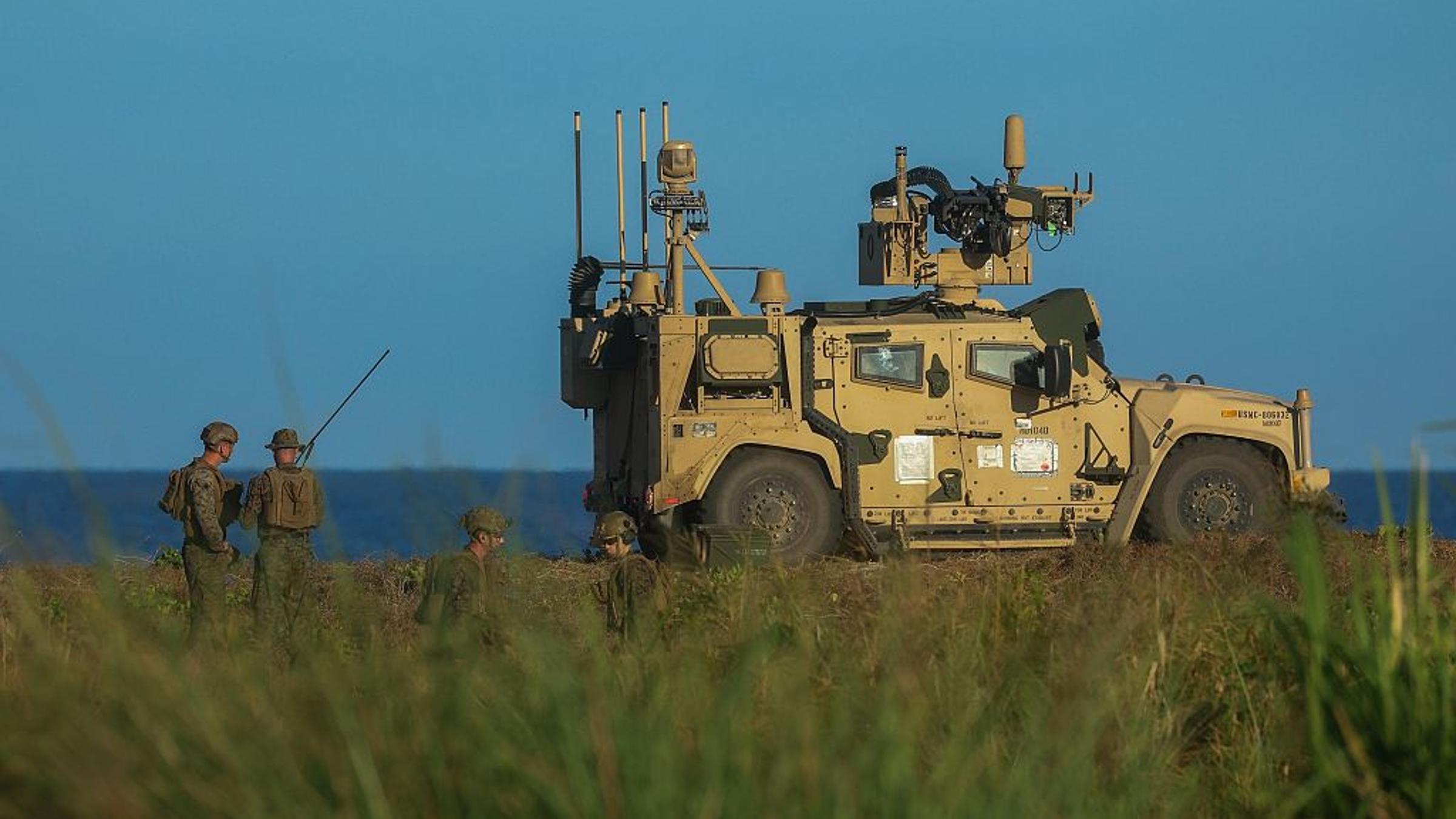
President Donald Trump is not a leader who thinks in shades of grey. He has sorted the United States’s allies, by and large, into two categories: those worthy of diplomatic energy and close military coordination, and those who are not. The European nations, excepting Poland, fall into the “not” box. The gung-ho Asian tigers — Japan, South Korea, the Philippines, and Australia — get the green tick.The division is partly explained by geography. While the Western Hemisphere is paramount under a rejuvenated Monroe Doctrine, Asia, where peer competitor China resides, is much more important than Europe. The Ukraine-Russia war may be an irritant, but Trump doesn’t see Vladimir Putin’s Russia as a major geopolitical threat. He wants the Europeans to handle their eastern border in any case. This will allow the U.S., should the Middle East permit it, to focus its might on containing an increasingly hegemonic China. The pivot to Asia to contain China, which is a work in progress, will hinge on Japan. The archipelagic nation serves as a physical barrier to possible Chinese aggression against Japan itself, more likely Taiwan and the Philippines, and other littoral states. Okinawa hosts tens of thousands of U.S. soldiers, adding to the deterrent. Once happy to shield behind the American security umbrella, Tokyo is now re-enforcing it. Japanese Prime Minister Sanae Takaichi and Defense Minister Shinjiro Koizumi have bolstered defense spending to 2% of gross domestic product. Defense diplomacy is in overdrive, with Koizumi crisscrossing the Indo-Pacific to firm up partnerships with India, the Philippines, Indonesia, and Australia, among others.
Sorry, Europe: Trump has found better allies in Asia
Trump has deprioritized Europe while proactive Asian allies such as Japan and South Korea are taking the lead in containing Chinese aggression.
769 words~3 min read