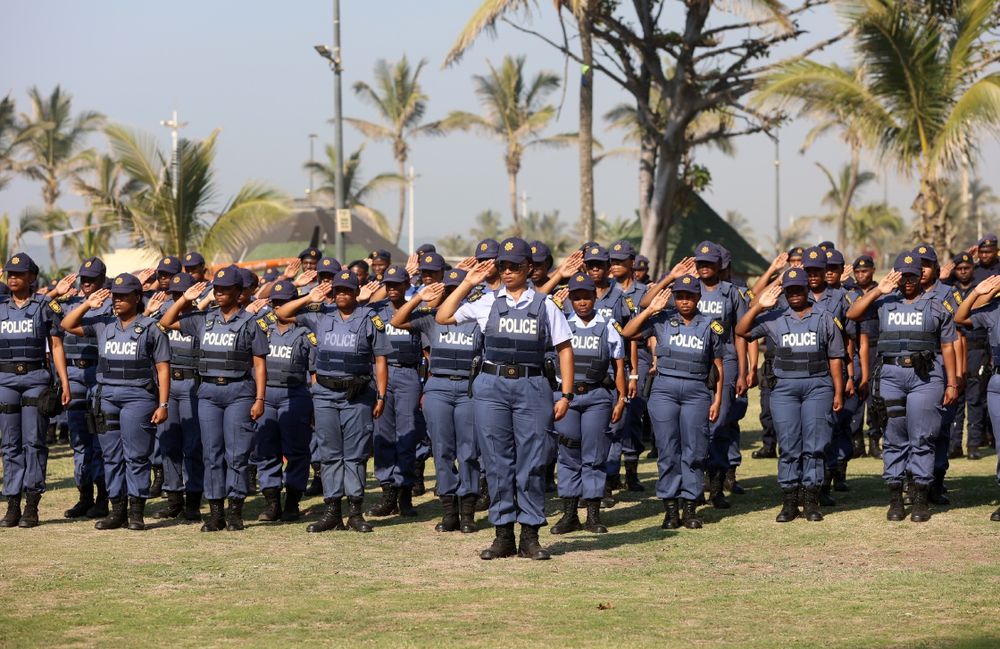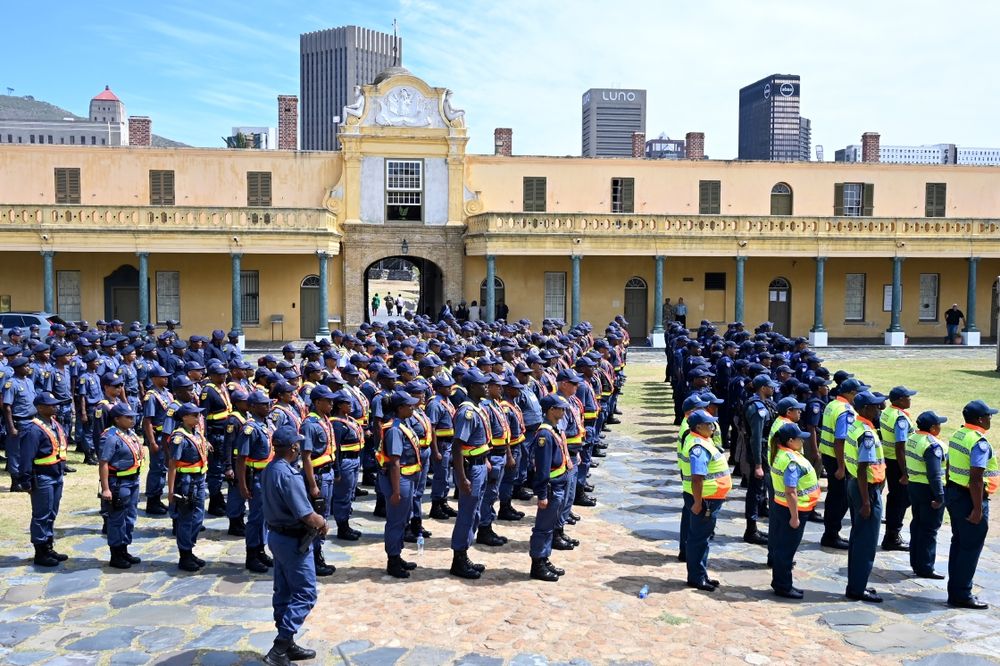
The time has come to put policing back into the hands of those who understand it best: the officers on the streets, in the neighbourhoods where real progress must begin. Only then can we hope to rebuild public trust in law enforcement, ensuring that policing is a partnership rather than a top-down authoritarian model, said the writer.
AS SOUTH Africa finds itself grappling with an astounding average of 58 murders daily, a pressing question looms: Is the South African Police Service (SAPS) suffocating under the weight of a bloated leadership hierarchy, primarily composed of office-bound generals and brigadiers? The alarming surge in crime demands not just attention but bold action, and the current structure raises urgent concerns about the effectiveness of our law enforcement.
One cannot overlook the reality that systemic flaws within the SAPS’s leadership model are contributing to the increasing vulnerability of communities across the nation.
While it might be argued that a robust leadership model, with high-ranking officials situated in the safety of their offices, is essential for strategic oversight and administrative efficacy, this perspective fails to account for the disconnection from the gritty, often dangerous realities faced by frontline officers. Ultimately, this disconnect undermines their capability to craft relevant and timely strategies that truly address the root causes of crime and disorder.