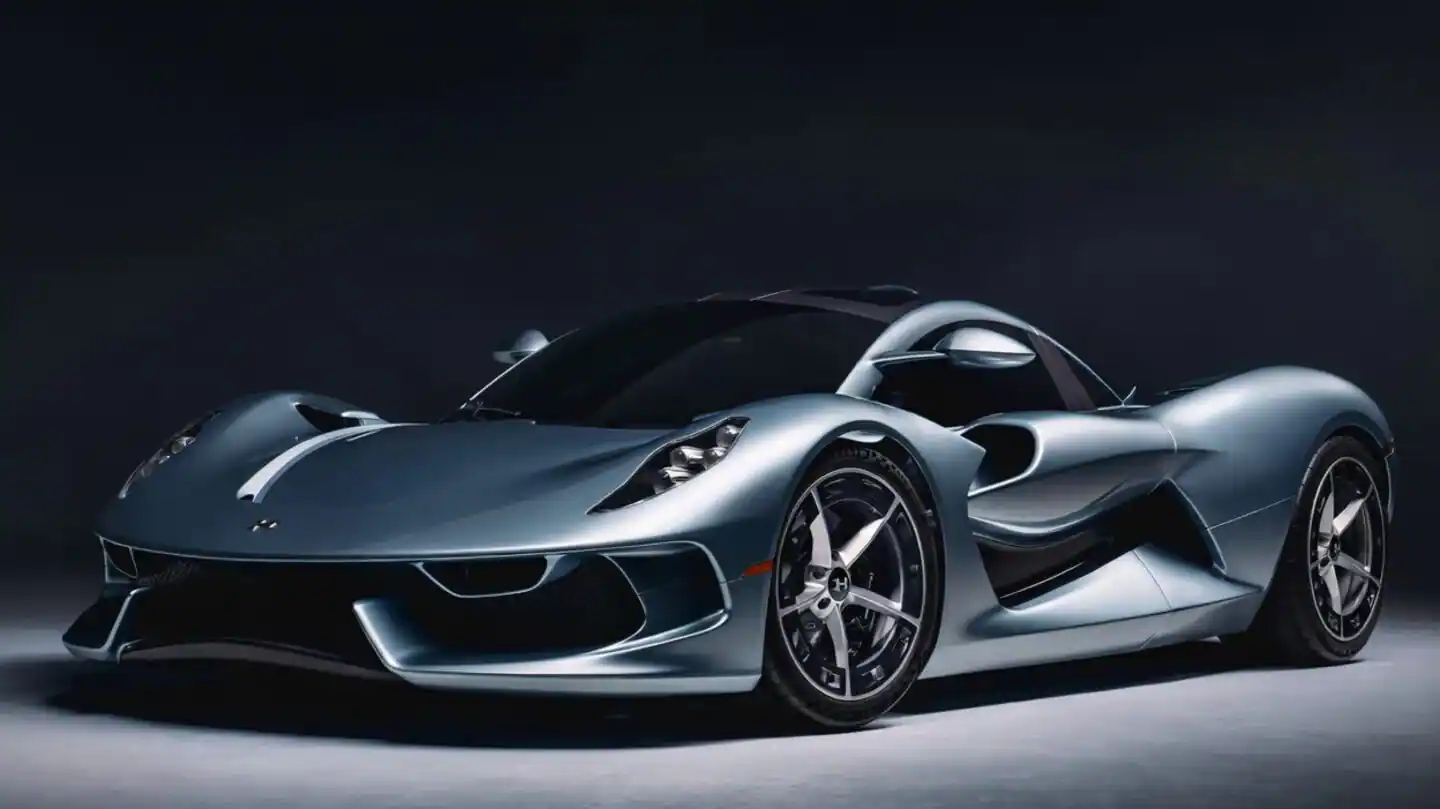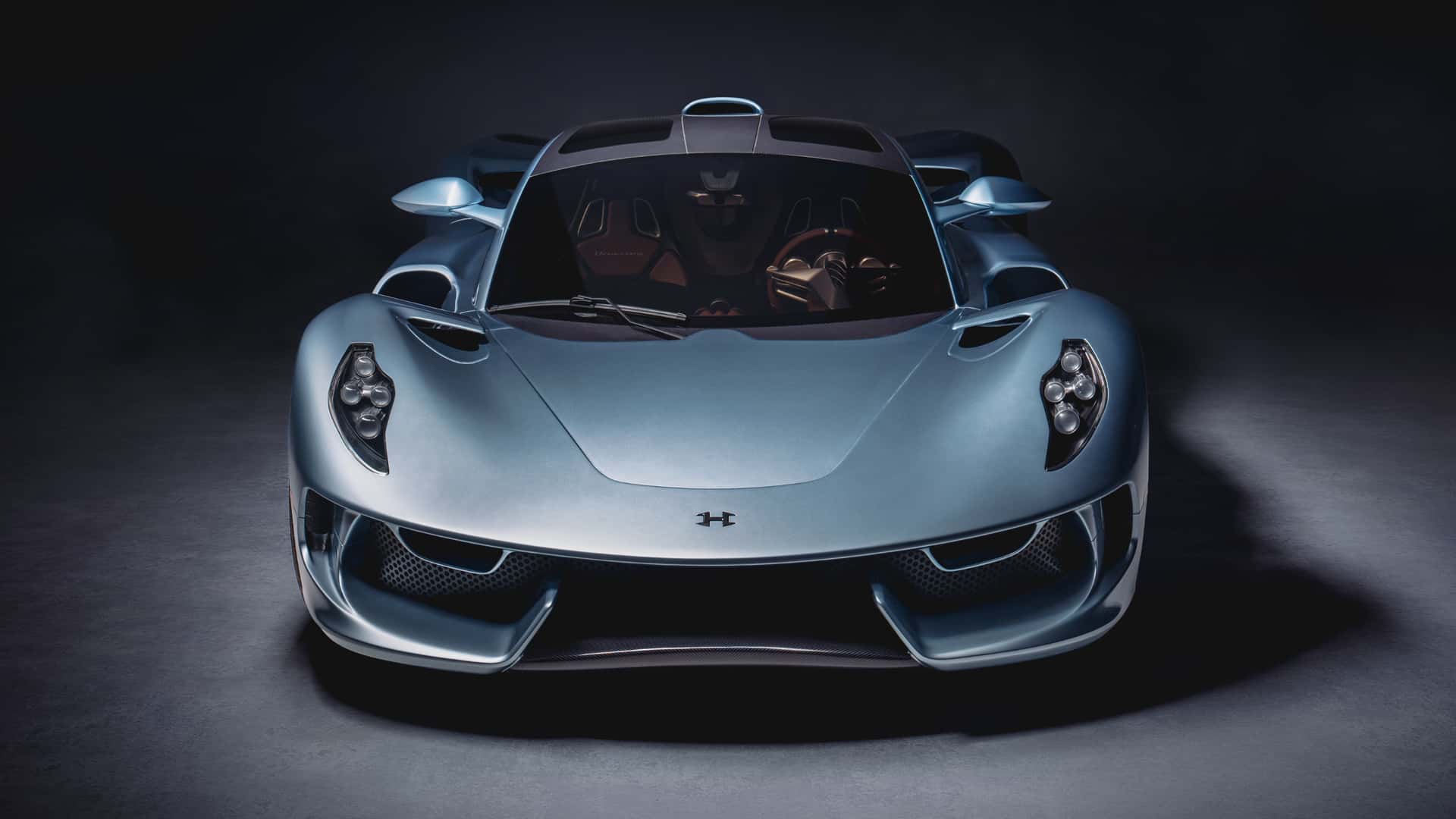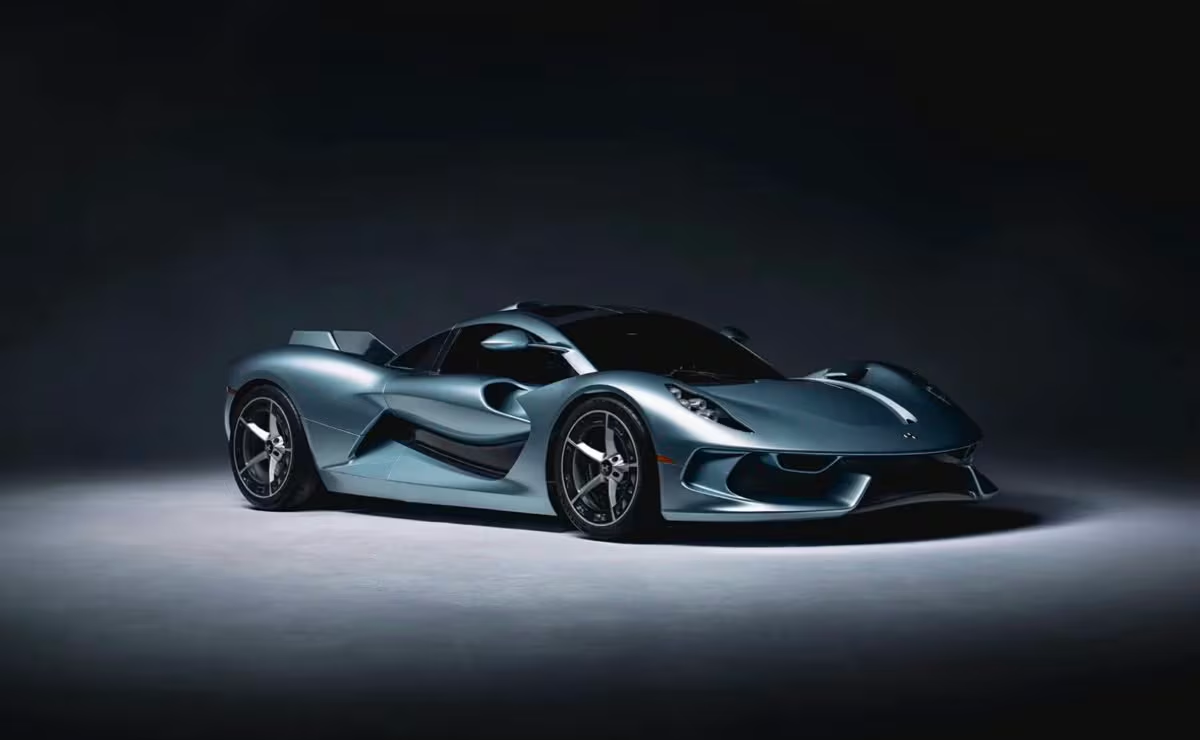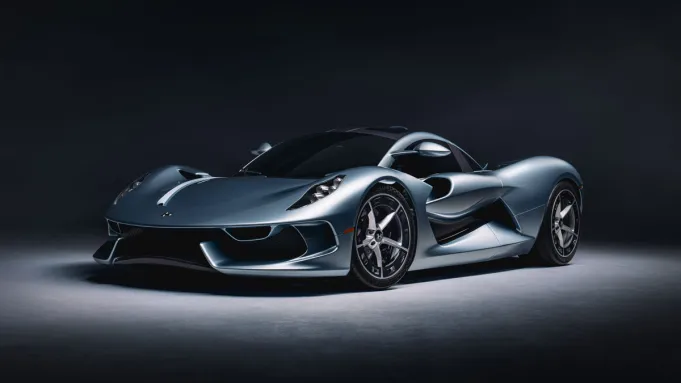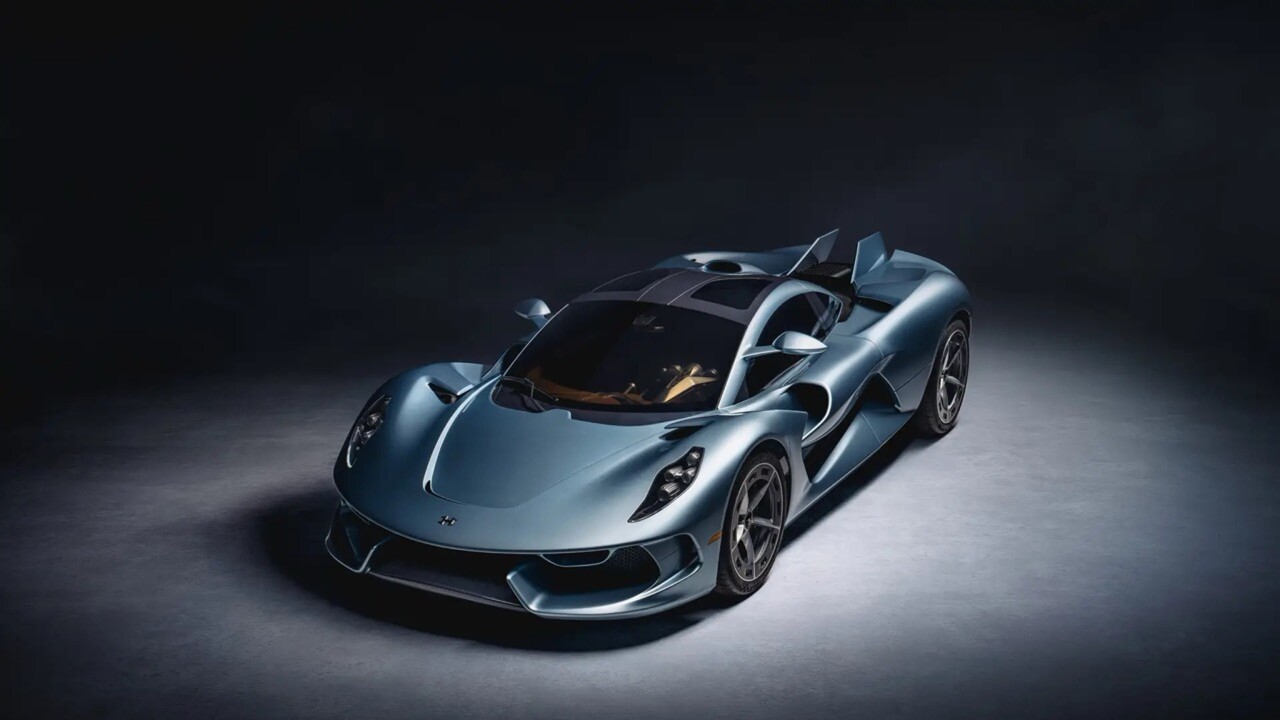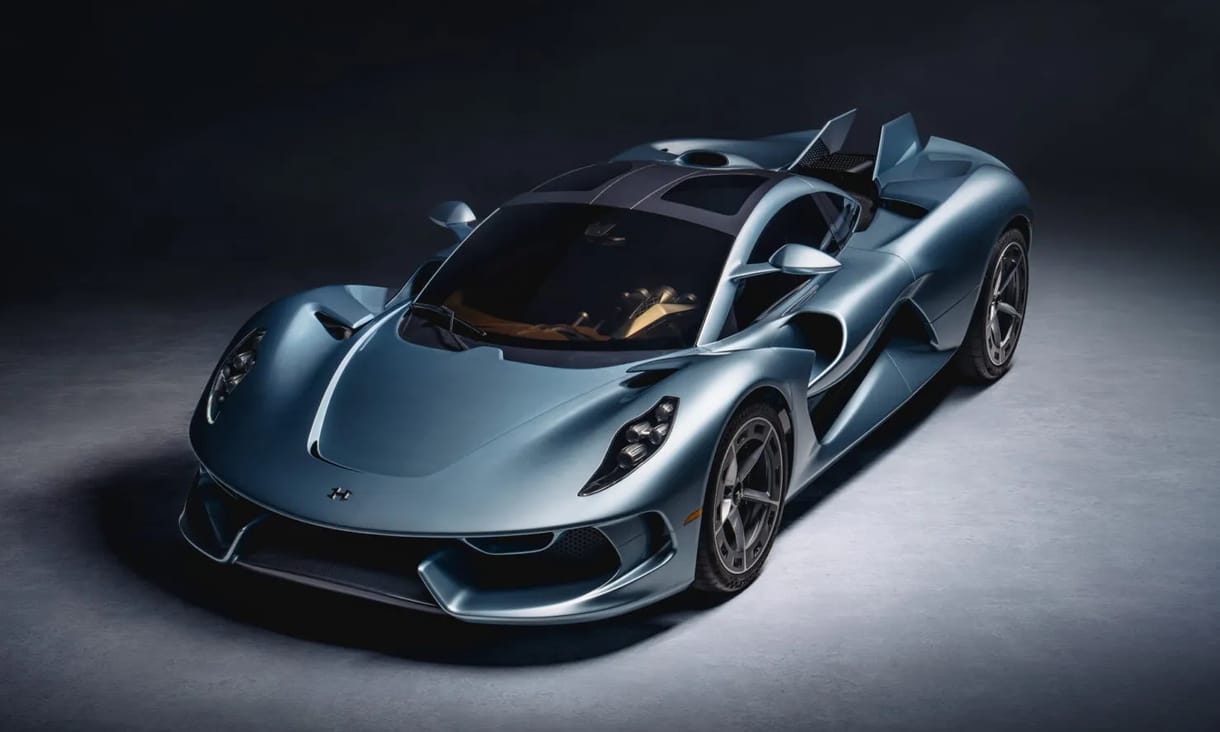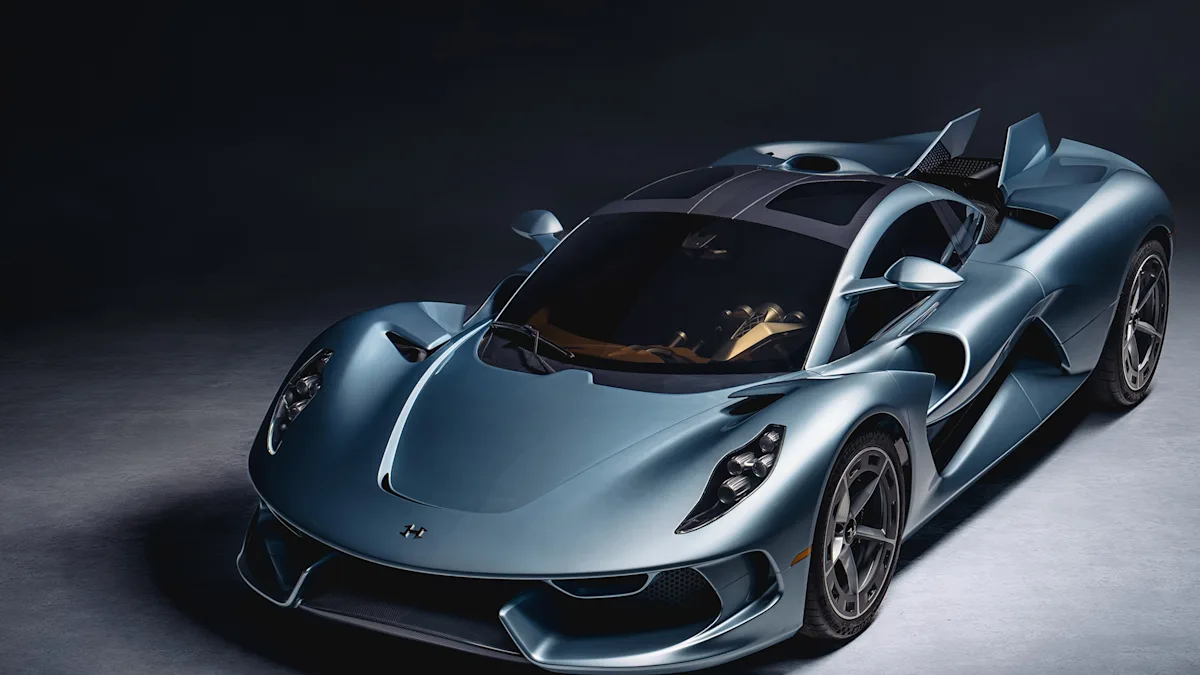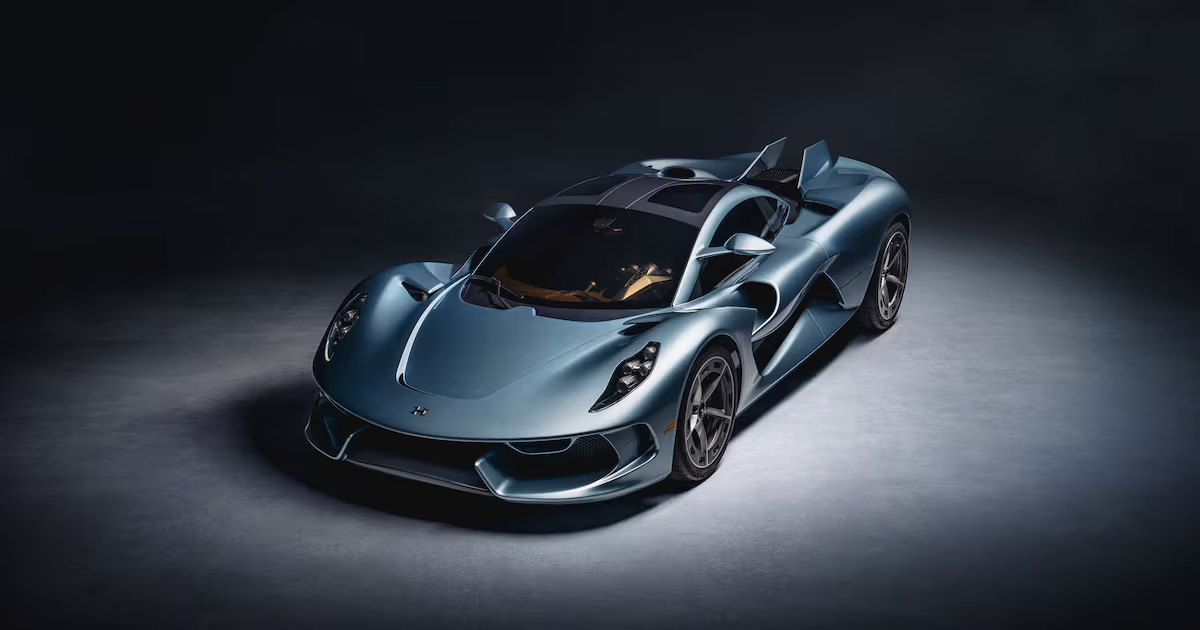
American firm Hennessey Special Vehicles has unveiled the Blackbird, a new hypercar that takes a markedly different approach from many of today’s electrified, technology-heavy supercars. It goes back to basics by pairing a naturally aspirated V8 with a six-speed manual gearbox and a screen-free cabin.The Blackbird is the third hypercar developed by the Texas manufacturer after the Venom GT and Venom F5, but rather than chasing outright speed records, it has been designed around driver engagement and long-distance usability. Inspired by the legendary Cold War-era Lockheed SR-71 Blackbird reconnaissance aircraft, the new car combines lightweight construction, rear-wheel drive and analogue controls with the performance expected of a modern hypercar.Power comes from a newly developed 6.2l naturally aspirated V8 engineered in partnership with Ilmor Engineering. Hennessey is targeting between 596kW and 634kW, with a maximum engine speed exceeding 9,000rpm. Performance claims include a 0-100km/h sprint in 2.5 seconds and a top speed of 354km/h.The hypercar is inspired by the legendary Cold War-era Lockheed SR-71 Blackbird reconnaissance aircraft. Picture: (USAF/ JUDSON BROHMER - ARMSTRONG PHOTO GALLERY) Unlike many rivals that rely on dual-clutch transmissions, the Blackbird sends power exclusively to the rear wheels through a six-speed gated manual transmission. Hennessey says the absence of electrification and forced induction is intended to deliver sharper throttle response and a more direct mechanical connection between the driver and the car.The hypercar is built around a new carbon-fibre monocoque with carbon-fibre body panels, while its target weight is less than 1,360kg. An adaptive inboard suspension system, sticky Michelin Pilot Sport Cup 2 tyres, ABS and traction control are part of the standard specification.Aircraft-inspired styling is another defining feature. The long, low silhouette and prominent body-side crease reference the SR-71 Blackbird, while active rear stabilisers deploy automatically at 114km/h and sit at 71º as a nod to the aircraft’s designation. A diamond-shaped quad-exhaust design draws inspiration from the Bell X-1 research aircraft, while Formula One-style side pods and endurance racing-inspired aerodynamic elements complete the exterior design.The diamond-shaped quad-exhaust design draws inspiration from the Bell X-1 research aircraft. Picture: (Hennessey) Inside, Hennessey has deliberately avoided the digital trend seen across much of the performance car market. As such, the cockpit features no central infotainment screen, no digital instrument cluster and no steering-wheel buttons. Instead, a large analogue tachometer occupies centre stage alongside a physical ignition key and exposed manual gear linkage. Smartphone connectivity, including Apple CarPlay and Android Auto, is handled through the driver’s mobile device rather than an integrated touchscreen.Though positioned as a hypercar, the Blackbird has also been designed with touring in mind. Hennessey says it is capable of covering more than 1,290km in a day and offers more cabin space than the Venom F5. Practical touches include a front boot capable of swallowing two carry-on suitcases, rear luggage pods, four cupholders and a valet tray integrated into the dash — features aimed at making long-distance driving more comfortable.Production will be capped at 71 examples worldwide, with prices starting at $2.5m (R41.2m) before taxes. Customer deliveries are expected between 2029 and 2030, and Hennessey says more than two-thirds of the planned production run has already been allocated before the car’s public debut at The Quail motoring event in California on August 14.TimesLIVE
New Hennessey sportscar is inspired by the Blackbird SR-71 aeroplane
Naturally aspirated V8, manual gearbox and screen-free cabin set this Hennessey road-rocket apart
536 words~2 min read