Germany needs to coordinate its response to extreme heat at national level, environment ministry state secretary Jochen Flasbarth said, as the country experienced record-breaking temperatures this summer and has already seen nearly 10,000 heat-related deaths. “I believe the lesson we have learnt from this summer is that next summer we will also need a national action plan that brings together all the measures from the federal states,” Flasbarth told public broadcaster ZDF.In Germany, responsibility for heatwave protection lies with federal states and municipalities. Many states already have heat action plans, as well as climate adaptation strategies. A spokesperson for chancellor Friedrich Merz said that a national action plan should stick to the idea of subsidiarity, and the federal government would have "a supporting role." He added that “problems are resolved where they can best be resolved; and where necessary, the federal government takes on a coordinating role.”Germany’s major heatwave has reignited a debate on how the country can ensure sufficient funding for climate change adaptation measures, such as planting and caring for trees, installing public water fountains, or establishing cold refuges. The country's municipalities have long warned that they are unable to finance the necessary response measures, and at the end of June once again pushed for a so-called “joint task” status for climate adaptation to be written into Germany's constitution, which would ensure the federal government and states contribute to financing on a permanent basis.A broad coalition of climate NGOs, social and emergency services organisations, and unions has called for a “heatwave summit” to address the impact of extreme heat on people, biodiversity, infrastructure and the economy. “Recent weeks have shown that, without swift countermeasures, social services, emergency services and local authorities are reaching their limits, and the damage to the economy continues to mount,” the umbrella organisation Klima-Allianz Deutschland wrote.Germany already has a heat protection plan for health and a heat protection strategy for urban development and construction. Like the rest of Europe, the country is experiencing increasingly long and severe heatwaves as a result of climate change. Droughts, crop failures, forest fires and water shortages are also increasing in frequency and severity. Europe is the fastest-warming continent in the world, yet it is often still ill-prepared to deal with the effects of climate change.
German environment ministry calls for national response to extreme heat
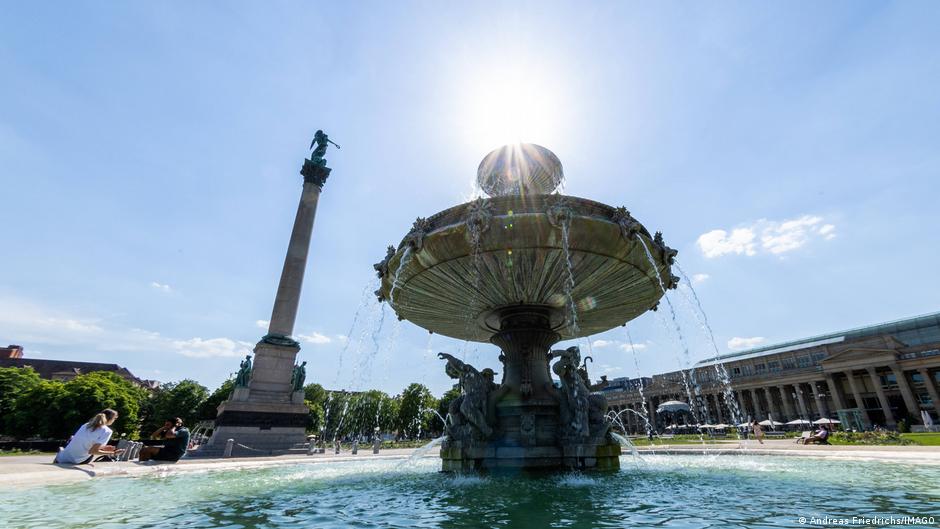
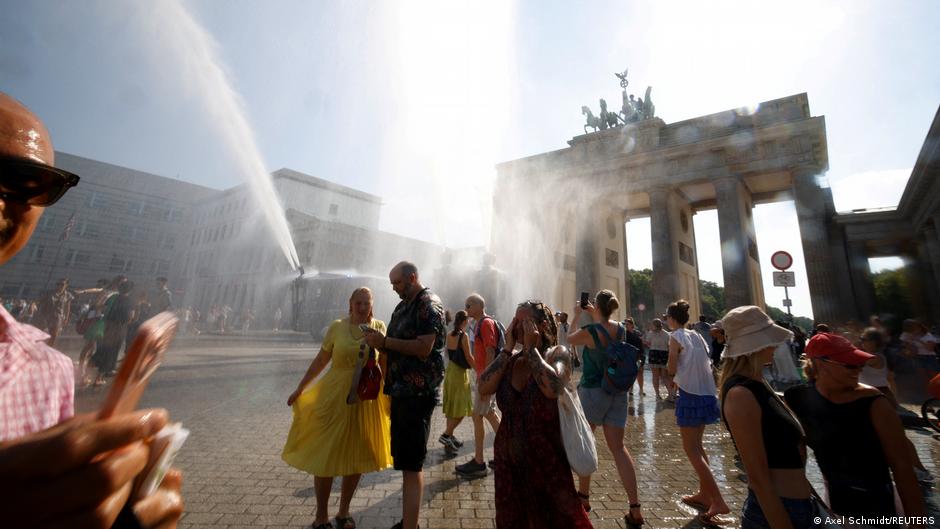
Germany needs to coordinate its response to extreme heat at national level, environment ministry state secretary Jochen Flasbarth said, as the country experienced record-breaking temperatures this summer and has already seen nearly 10,000 heat-related deaths. “I believe the lesson we have learnt from this summer is that next summer we will also need a national action plan that brings together all the measures from the federal states,” Flasbarth told public broadcaster ZDF.In Germany, responsibility for heatwave protection lies with federal states and municipalities. Many states already have heat action plans, as well as climate adaptation strategies. A spokesperson for chancellor Friedrich Merz said that a national action plan should stick to the idea of subsidiarity, and the federal government would have "a supporting role." He added that “problems are resolved where they can best be resolved; and where necessary, the federal government takes on a coordinating role.”Germany’s major heatwave has reignited a debate on how the country can ensure sufficient funding for climate change adaptation measures, such as planting and caring for trees, installing public water fountains, or establishing cold refuges. The country's municipalities have long warned that they are unable to finance the necessary response measures, and at the end of June once again pushed for a so-called “joint task” status for climate adaptation to be written into Germany's constitution, which would ensure the federal government and states contribute to financing on a permanent basis.A broad coalition of climate NGOs, social and emergency services organisations, and unions has called for a “heatwave summit” to address the impact of extreme heat on people, biodiversity, infrastructure and the economy. “Recent weeks have shown that, without swift countermeasures, social services, emergency services and local authorities are reaching their limits, and the damage to the economy continues to mount,” the umbrella organisation Klima-Allianz Deutschland wrote.Germany already has a heat protection plan for health and a heat protection strategy for urban development and construction. Like the rest of Europe, the country is experiencing increasingly long and severe heatwaves as a result of climate change. Droughts, crop failures, forest fires and water shortages are also increasing in frequency and severity. Europe is the fastest-warming continent in the world, yet it is often still ill-prepared to deal with the effects of climate change.