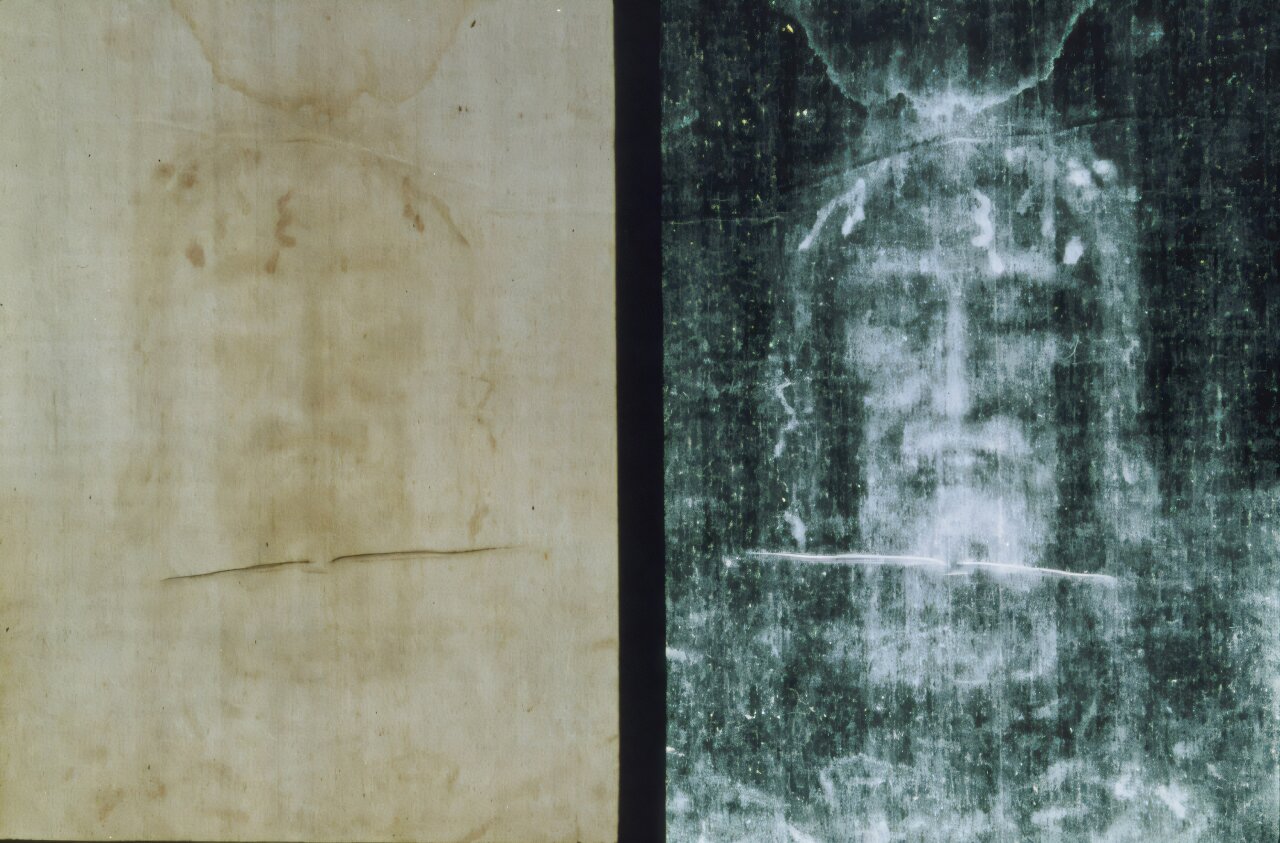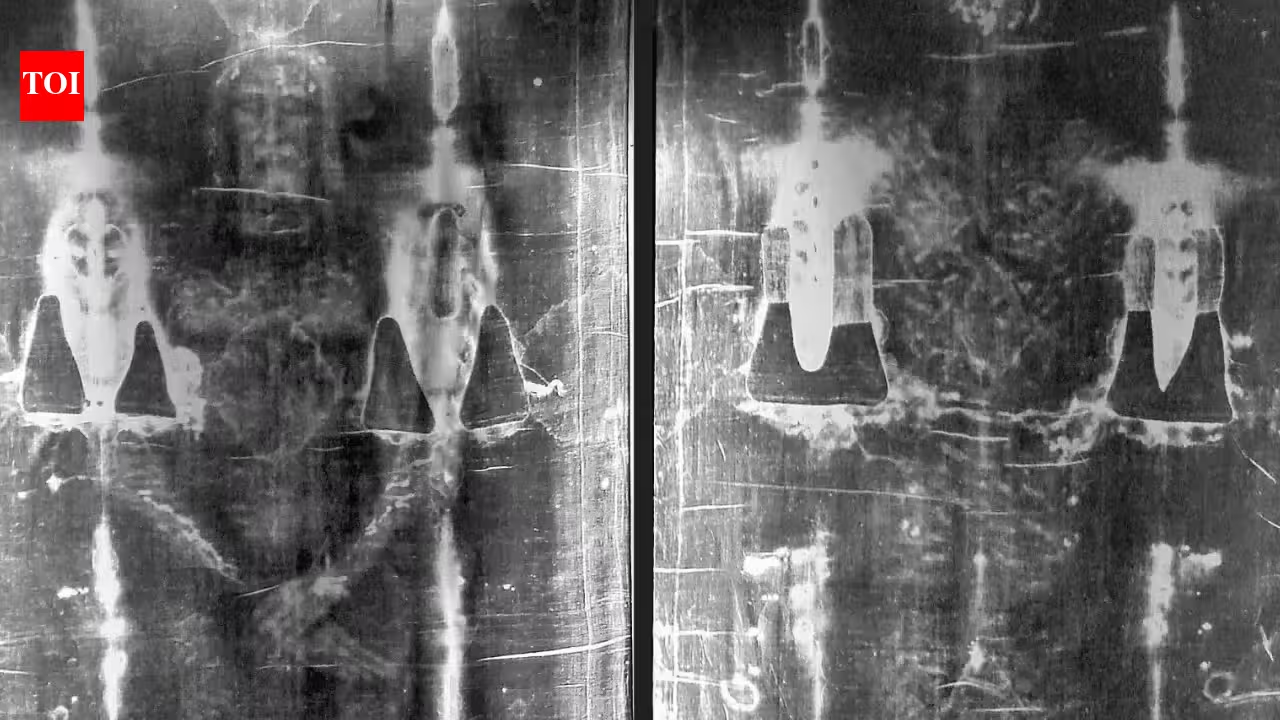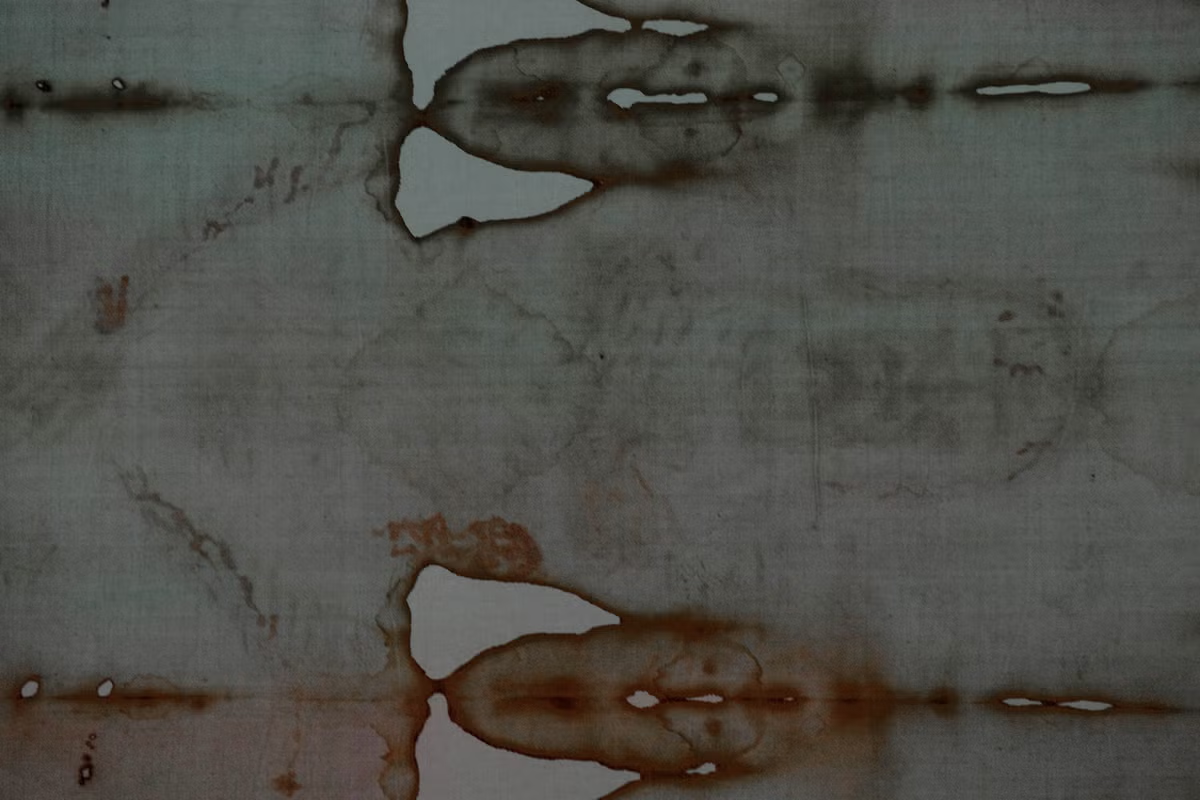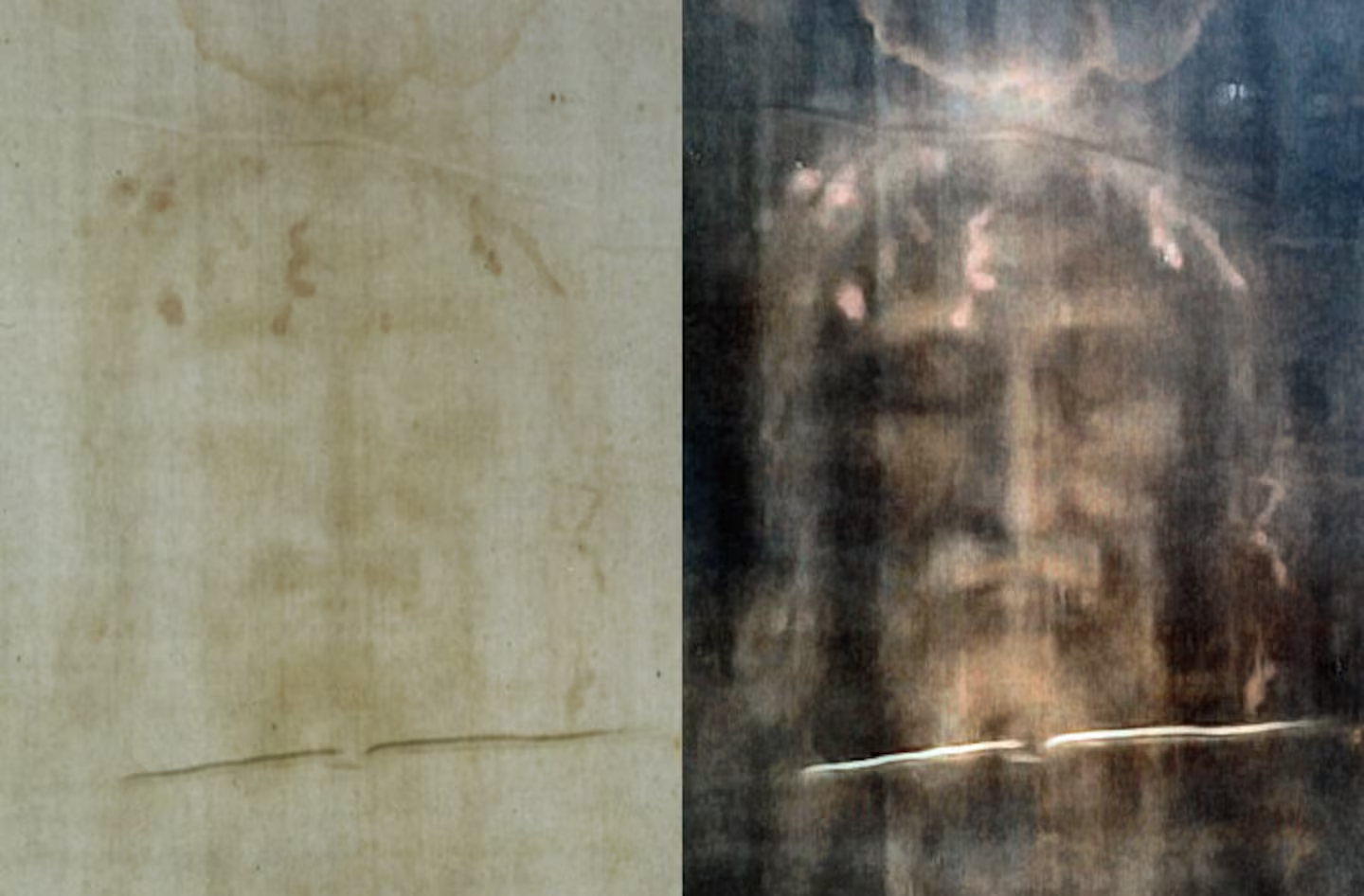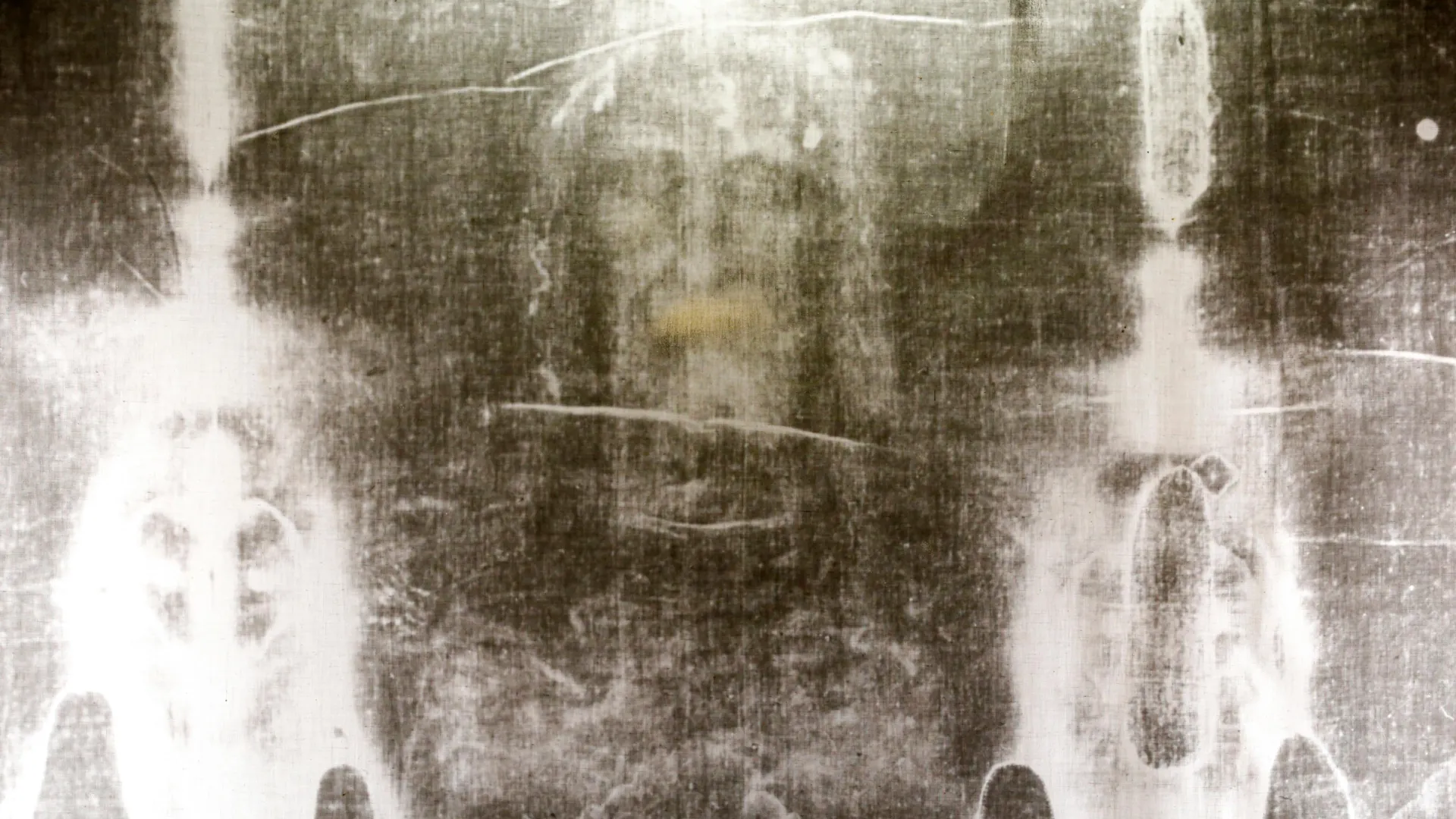
New DNA analysis has revealed a remarkably complex biological record preserved on the Shroud of Turin, adding fresh detail to the history of one of the world's most closely examined and controversial historical artifacts.
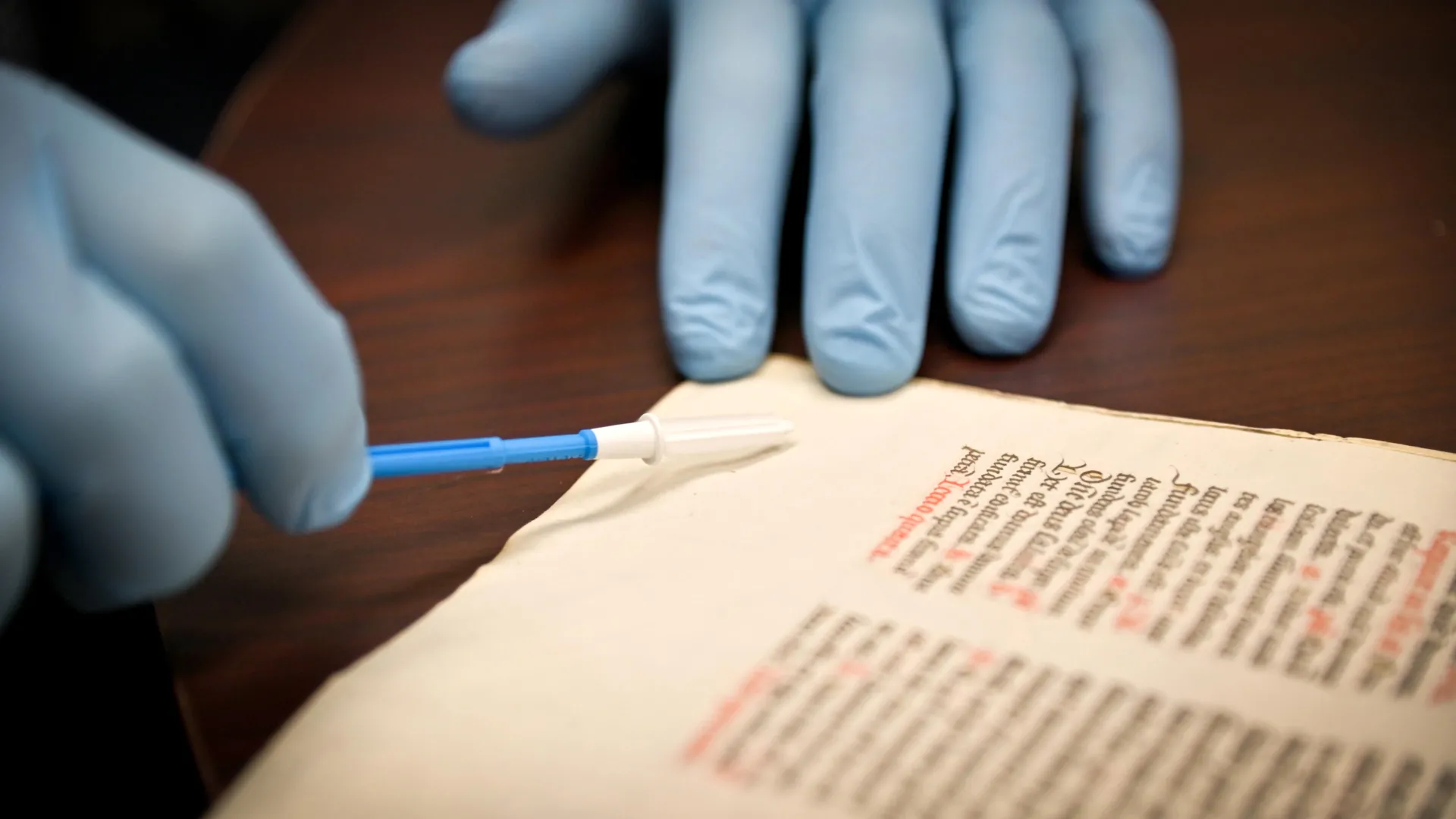
Published in Scientific Reports, the study is the first to use advanced genomic sequencing methods (rigorous PCR-free next-generation metagenomic sequencing) on official samples taken from the Shroud in 1978. By examining genomic DNA embedded in the linen fibers, researchers produced the most detailed account yet of the biological material that accumulated on the cloth through centuries of handling and environmental exposure.
A Complex Archive of Human and Environmental DNA
Professor Noemi Procopio, Professor of Forensic Science at the University of Lancashire, contributed to the international collaborative project. The team detected several human mitochondrial DNA lineages, as well as a diverse microbiome made up of bacteria, fungi and salt-loving microorganisms.
Researchers also found DNA from cultivated plants, domesticated animals and Mediterranean red coral. These traces point to the wide range of environments, objects and people that may have come into contact with the Shroud during its long history.