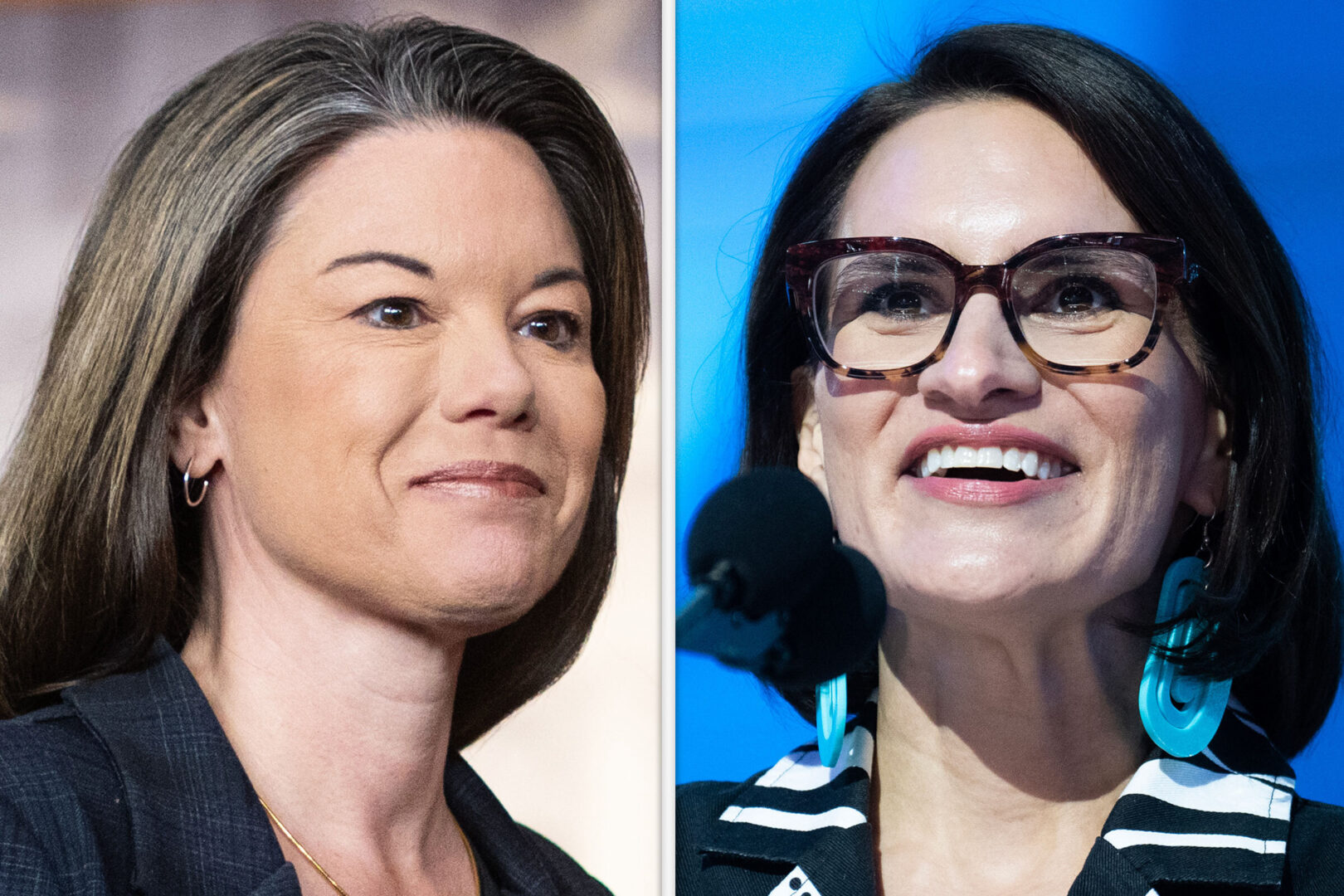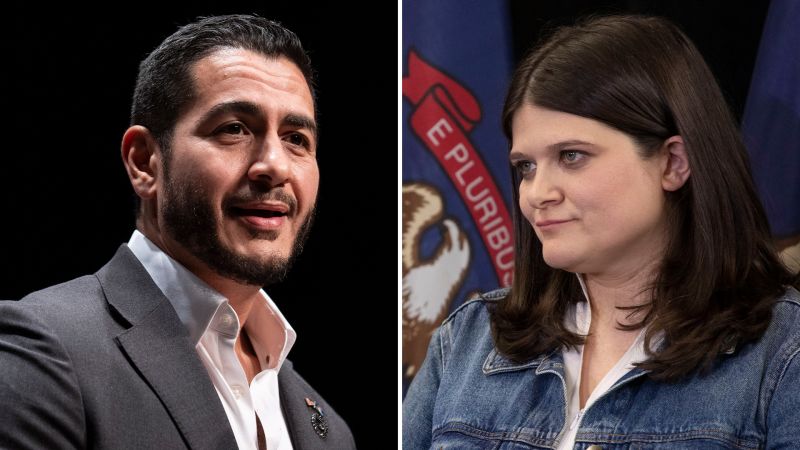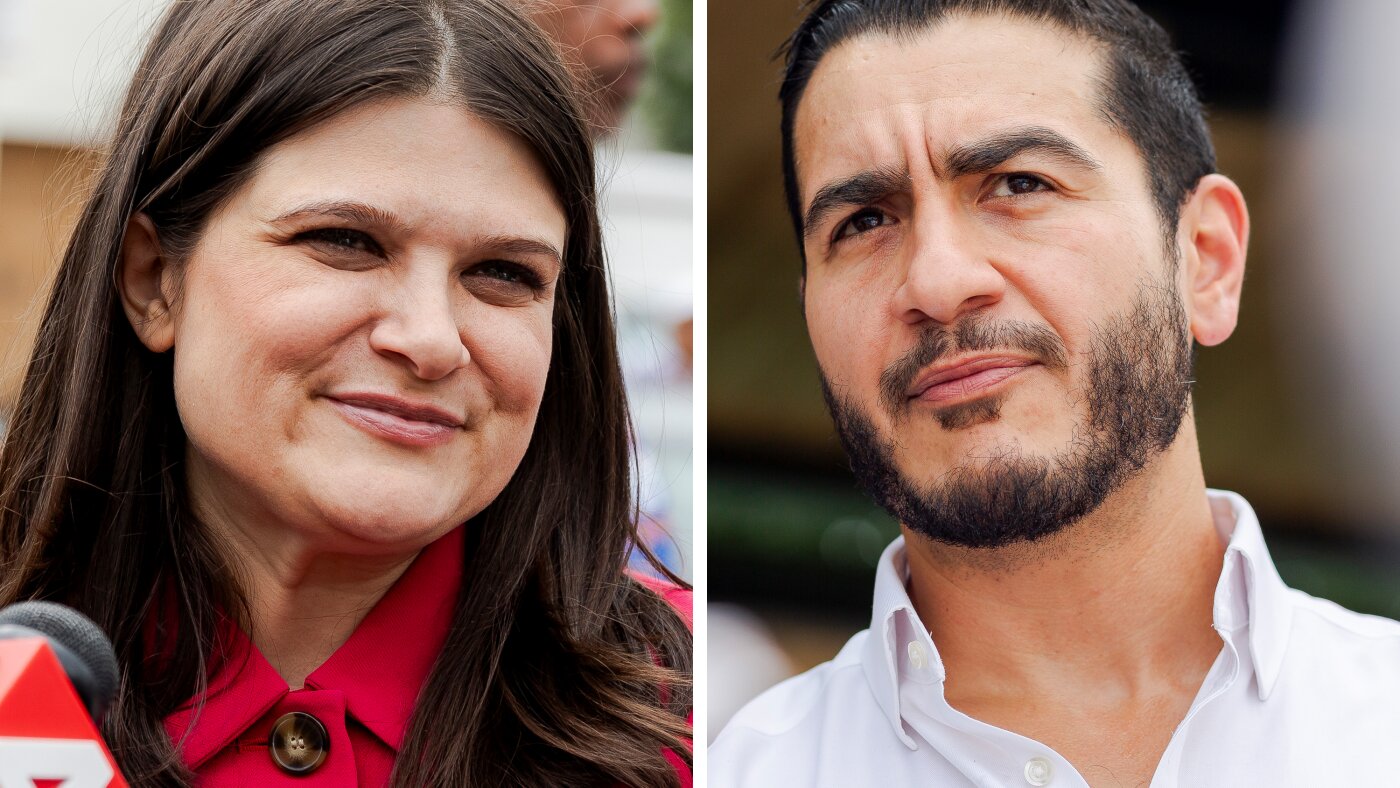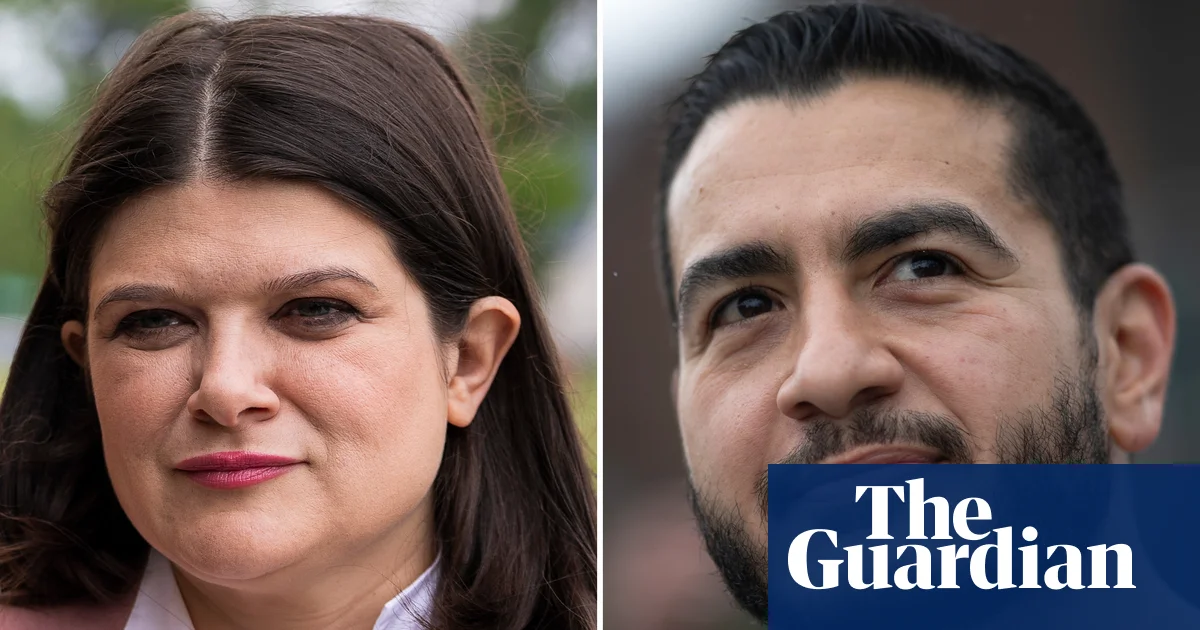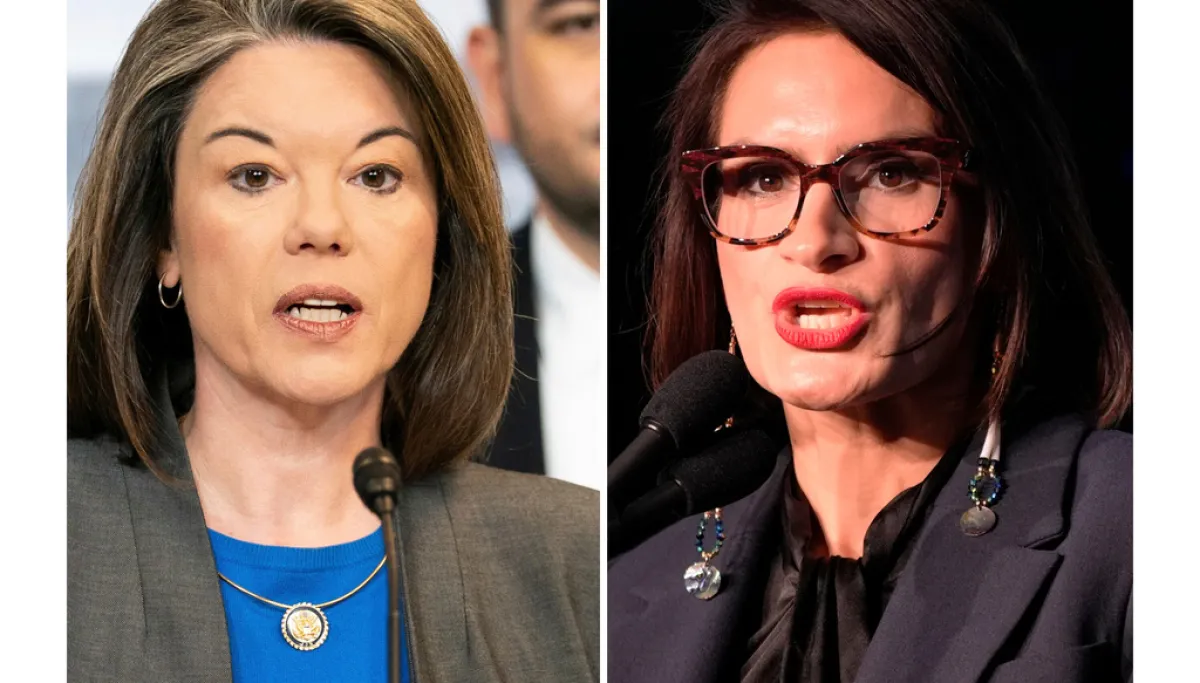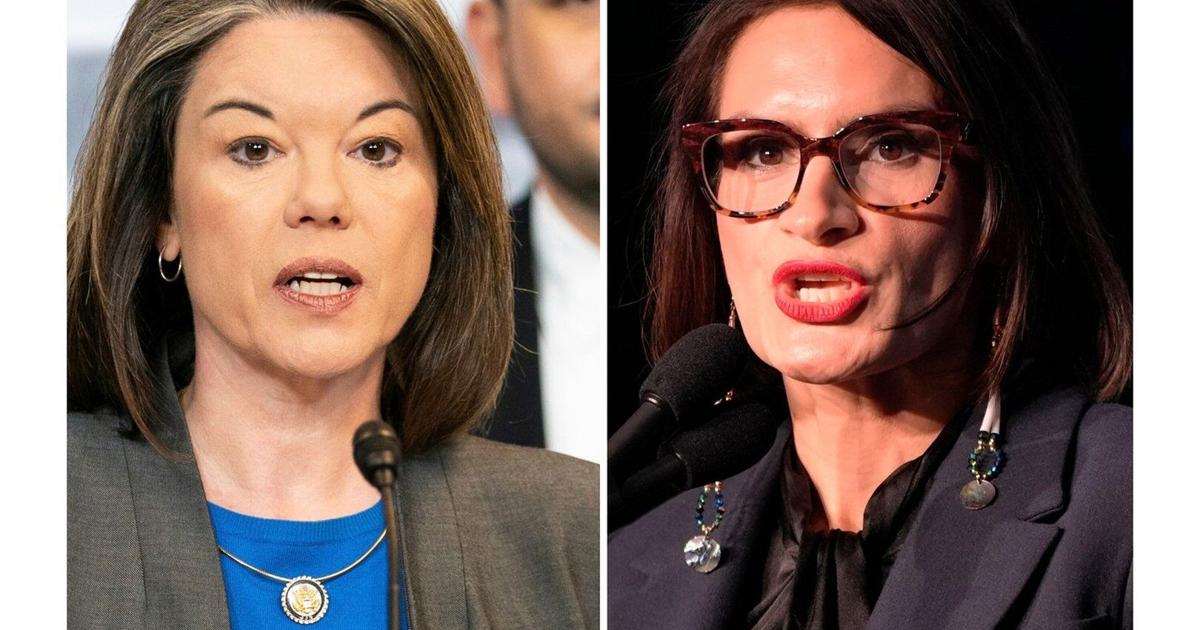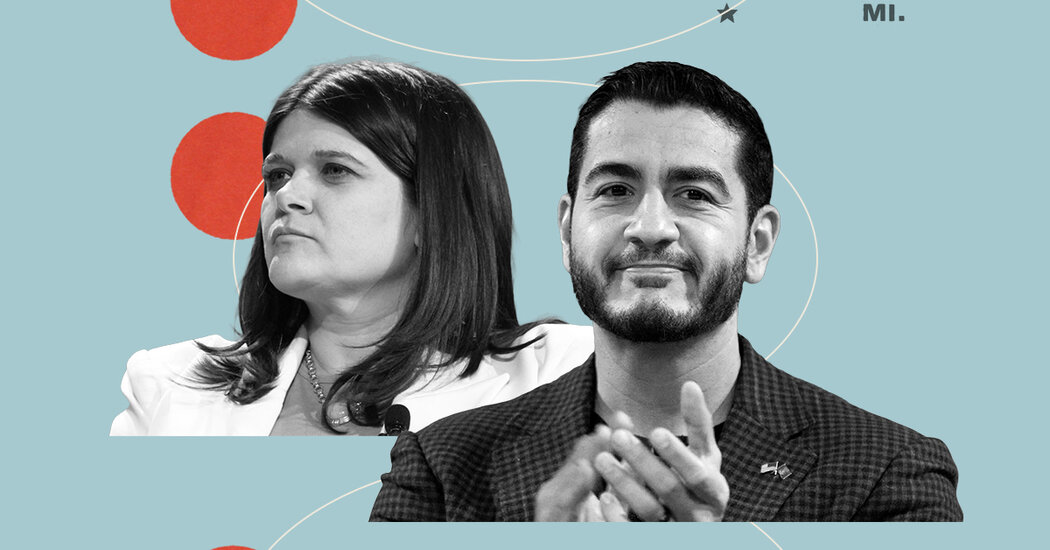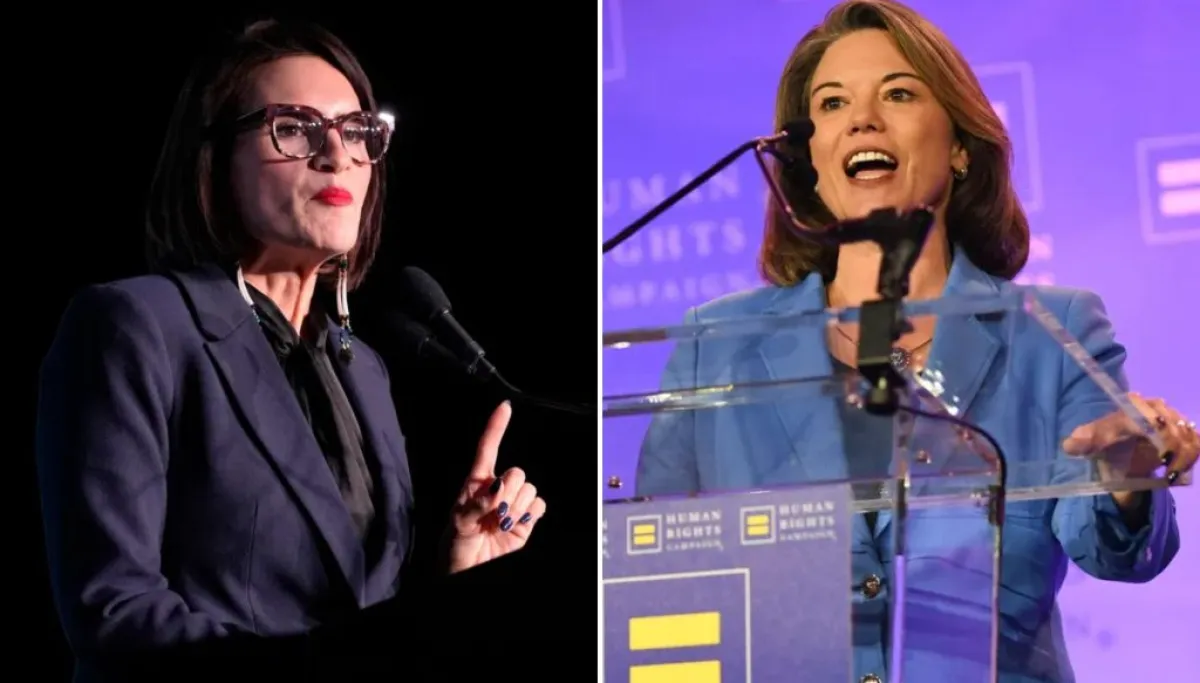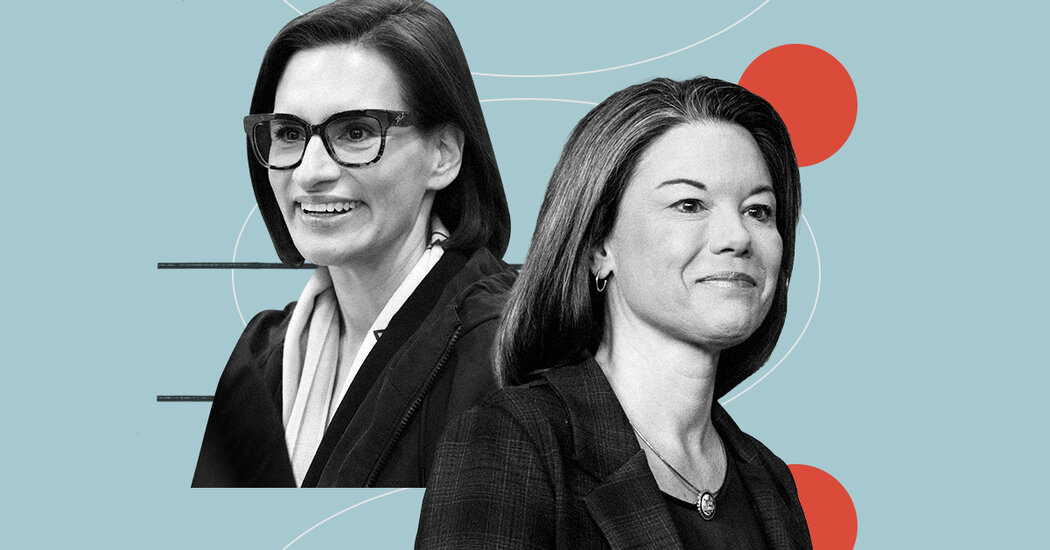
The Choice Minnesota Democratic Primary for Senate After a year of feeling under siege, Democratic voters in Minnesota have to choose between two candidates to fight for them in the Senate.The Candidates Angie Craig A four-term representative making the case for a practical politics of middle-class economics.Peggy Flanagan The lieutenant governor campaigning for a bold progressivism and against the influence of corporate money. Times Opinion brought together a panel of local leaders and experts to help make sense of the race. This has been a tense and difficult year for Minnesota. The federal immigration operation called Metro Surge sent thousands of federal agents to the state, ultimately ending in the shooting deaths of two civilians and widespread protests.That visceral experience came on the heels of the targeted killings of the Minnesota House speaker Melissa Hortman and her husband last summer.The state, home to major health care and research institutions and encompassing large urban and rural populations, is also dealing with federal funding freezes and the upcoming cuts to programs like Medicaid. Democrats face voter frustration statewide about their oversight of government programs that were defrauded. There is also a brewing backlash to data centers and artificial intelligence.Amid all of this, Minnesota is electing a new senator. The candidates for the Democratic nomination — Peggy Flanagan, the current lieutenant governor, and Angie Craig, a congressional representative in a swing district — represent different sides of the broader national conversation about which direction the party should move in. Ms. Flanagan has pursued a more populist, anti-corporate campaign. Ms. Craig has made more of a case around electability and practical results.How has the past year changed and shaped the way Minnesotans view politics and their leaders? How would Ms. Flanagan and Ms. Craig reflect what Democratic voters want in this moment on central issues? Times Opinion assembled a panel of experts and local leaders with a range of viewpoints for a new installment of The Choice, aimed at guiding Minnesota’s Democratic voters through the core issues in this election.The Choice was prepared by Times Opinion editors, based in part on a round-table conversation with the panelists held on July 27. The project is also based on a survey from which Times Opinion averaged the panelists’ responses.Our Panel’s Ratings We asked panelists to rate the leading candidates on how they would approach governing. Each chart reflects an average of their individual ratings. Times Opinion After the events of the winter — the federal immigration operation, the protests, the shooting deaths of Alex Pretti and Renee Good — do you think the state is in a different place now than it was a year ago? Do people think about government and politics differently?Carrie LuckingFormer statewide political strategist and campaign manager I don’t think there’s a way to overstate the impact on Minnesota of Metro Surge. For folks around the country, a piece that might be missing, just because the images that were on TV news and shared across social media were largely from the city, is the fact that Metro Surge was actually profoundly impactful statewide, that in school districts like Willmar, which is about two hours from downtown Minneapolis, there were hundreds of kids absent per day. People also may not realize that there were people taken all across the state. The impact is both widely felt and deeply personal.Munira MaalimisaqNurse practitioner and health care provider in Minneapolis For us, we saw from the health care side, patients were not coming into the hospital, or were not coming into the clinic. We were seeing patients that were not showing up, people that needed chemo that were not showing up, moms that were in labor that did not want to go to the hospital because of the situation.People did not want to leave their homes. Some were even citizens, but felt like they were immigrant-looking and did not feel comfortable leaving home. And when that happened and we felt that other organizations, or large organizations, were not acting on it, we started doing home visits. We showed up. We were providing care, suturing on the spot, getting blood drawn for people. And what that showed was there was a gap already there, and these gaps just came to the forefront.Jamison WhitingMinneapolis City Council member What we are seeing in Minneapolis and the Twin Cities metro area is kind of a threshold question for politicians: Where were you and what were you doing during Operation Metro Surge? Were you participating on the ground in rapid response measures or doing some level of mutual aid response? What are politicians going to do to make sure that we don’t have a federal government that we have seen consistently start to usurp our constitutional rights? Like, how are you going to be a wall or a protector from a government?Marshall HelmbergerLongtime small-town newspaper publisher We have a population of 430 in our town, Tower, and we don’t have much of an immigrant population here or in the communities that we do serve. There was a little bit of ICE activity on the Mesabi Iron Range. I didn’t really get a sense of how much impact Metro Surge did have until there was a training that some organizers from Duluth did in the little town of Soudan; there’s maybe 500 residents there. I didn’t have any idea who would show up, if anybody would show up. And the place was absolutely packed. It was standing room only.Kim NortonMayor of Rochester, Minn. We had our own surge in Rochester, people being taken from restaurants and off the streets, and cars standing in the middle of the road with no one in them. People responded to that in ways that I haven’t seen for years. People are volunteering for nonprofits. They’re out helping their neighbors. They’re checking to make sure food is available for folks. To this day, they are still providing food to some homes where people do not feel safe to come out of. Out of the horror that we’re seeing, having people being taken off the streets and out of our businesses and homes, we see a goodness showing up in people who are willing to help each other.Bill HanleyLongtime public television executive in St. Paul, Minn. Especially for people who are not Minnesotans, this is a state where the word “anger” doesn’t normally apply. But boy, do I feel this. For the first time in my 40 years here, I have never seen Minnesotans, as a group, react with more anger than they had to both Metro Surge and in the follow-up. The response was probably led initially by our progressive friends. But immediately it was followed up by people in the streets who you’d never seen in the streets before. My wife went and was in the streets. This is a woman who would never do that. And many of her friends were like that. And it’s not just Metro Surge. It’s Metro Surge, the reaction to it, the Hortman shooting, the Annunciation Church shooting, a whole variety of things that occurred in this state that have made people just hypersensitive. And I think they’re absolutely eager to vote.Times Opinion How do you think the actions of the federal government in January changed the Craig-Flanagan race?Kathryn PearsonPolitical science professor specializing in Congress President Trump was not popular in Minnesota before Metro Surge. But now, fighting against Trump on multiple fronts, getting a Congress that is better able to stand up to President Trump and the Trump administration, has become a priority issue in the campaign for many voters. It has also made Craig’s vote for the Laken Riley Act an issue in this campaign. She eventually wrote a piece in The Star Tribune explaining that she regretted that vote, but some Democratic voters question why it took so long.Munira MaalimisaqNurse practitioner and health care provider in Minneapolis The question is not just what the leaders say during the campaign, right? It’s: Who is showing up? Who’s listening? Who’s building relationships with them, with communities beyond the election season? People are jazzed up and are wanting to maybe be first-time voters because of what happened during Operation Metro Surge. So we’ll see. Time will tell.Times Opinion How similar or different are these candidates?Carrie LuckingFormer statewide political strategist and campaign manager Their personal stories are very similar. They’ve come up from poverty and made it. They are both firsts in a lot of different ways. They have similar policy positions. They’re both good on the stump. They’re both personally magnanimous and kind of good in that retail politics setting as well. And so the distinctions that they are highlighting, first of all, we all know, are tactical. They’re likely getting polling that says they should highlight those distinctions. Political campaigns are a science as well as an art, right? Because when it comes to their overall profile, there actually is not a significant difference between these two candidates.Marshall HelmbergerLongtime small-town newspaper publisher I think they would certainly align differently in the Senate. You know, Flanagan would obviously align with the more progressive wing, like Bernie Sanders. And I think that Craig would align probably more with the current leadership there, in being much more cautious.Ron HarrisPolitical strategist in Minneapolis When it comes down to the actual votes, given the fact that the Senate will still be very close, I think that they’ll likely vote with the caucus. But sometimes people limit their understanding of an elected official to just their votes on paper, not how they leverage their platform, not the bases of support that they bring into the Senate with them, the coalitions that they build as a result of the campaign they ran to get there. In that regard, you’re looking at two very different campaigns with, certainly, some policy differences, but I would argue stylistic differences and different relationships as well, right?Times Opinion Ms. Craig has been on the Agriculture Committee in the House. Ms. Flanagan has done quite a bit with childhood poverty. Are there issues that you would expect these two to emphasize if they’re in the Senate?Kathryn PearsonPolitical science professor specializing in Congress Just based on their past legislative records, Craig would likely continue to prioritize agricultural issues, given the expertise she’s developed as the ranking member on that committee. She’s also introduced legislation on health care issues and government reform. I’m thinking of the cap on insulin co-pays for Medicare that was signed into law. Flanagan has a very strong record on child care and school lunches, and would probably prioritize those issues and committee assignments if she were in the Senate; I could see her focused on children, affordability and Health and Human Services issues. Free child care for all is something she’s mentioned.Marshall HelmbergerLongtime small-town newspaper publisher I would also hope that Flanagan would, or, frankly, that both of them would really emphasize campaign finance reform, although I don’t see it coming from Craig. If we can’t fix the system that the Supreme Court broke in 2010, we’re not going to make any real headway. Big money is going to continue to determine what happens in Washington.Jamison WhitingMinneapolis City Council member The way I’ve boiled down the two of them is I see Flanagan as kind of in the home, versus Craig is outside of the home. Flanagan as lieutenant governor has focused on paid family leave, child lunches for all, the things that you talk about over the dinner table. And Craig would likely continue with the economic measures and efforts in agriculture, those other kind of larger things that are outside of home.Kim NortonMayor of Rochester, Minn. I just would push back a little bit on that framing. When I first met Angie, it was about her personal story. It was about her marriage and her right to be happy. It was about adoption. Those are bread-and-butter issues, too, for a lot of people. They both do care about that. For me, the difference isn’t whether they support child care or whether they support health care. It’s more they support child care with a way to pay for it, and health care for a way to pay for it. That is the difference. I know and love both of these women. They both care about the same things. How they get to that end, to me, is where I see the differences.Times Opinion Let’s just briefly talk about each of these people a little bit, what their strengths and weaknesses or unknowns are as candidates or prospective senators. Let’s start with Ms. Flanagan.Jamison WhitingMinneapolis City Council member She connects well with people across demographics, which I think she does really, really well for somebody who is more so in the more progressive lane, especially when talking about affordability. She has progressive bona fides but in a way that is not ostracizing to other demographics outside of progressive circles. In terms of a weakness, I do think, the moment you get outside of the city of Minneapolis — and honestly, in the city of Minneapolis as well — is this connection to the administration that oversaw these programs that there was fraud in.Marshall HelmbergerLongtime small-town newspaper publisher Flanagan had a built-in advantage, starting with this campaign, in that she was lieutenant governor for the past almost eight years now and traveled around the state. The biggest, I think, weakness for Flanagan is that, really, Craig has the backing of a lot of money.Ron HarrisPolitical strategist in Minneapolis We talk about the campaign and we talk about the policy issues, but I’ll make it a little bit more personal: Flanagan is one hell of a storyteller, a very inspiring speaker.Kathryn PearsonPolitical science professor specializing in Congress For Flanagan, the very enthusiastic and visible endorsement of Bernie Sanders could be a strength or a weakness, and I think we will know after the primary election which it was. In a primary where turnout is key, Sanders’ endorsement will both mobilize some voters on her behalf and will also turn some more moderate voters off.Bill HanleyLongtime public television executive in St. Paul, Minn. I’m a contrarian here. But I think, for average Minnesotans, I think it’s shocking how little they know about Flanagan. She was with Gov. Tim Walz in every shot. But I don’t think they ever had her with, really, an upfront role in these major issues. And so right now I think she’s, on the one hand, fighting to prove that she was an active member of the Walz administration, even as she’s fighting to prove that, well, she really had nothing to do with fraud. So I just think people are confused by that.Times Opinion And what about Ms. Craig?Ron HarrisPolitical strategist in Minneapolis I think there’s a strength that could also be a weakness. She has won those competitive races in the Second District, helping to flip that district from red to blue, and it being a top targeted seat every single cycle since, and winning by growing margins. That’s a strength. But when you are in a tough district and there’s no primary, folks are pretty forgiving about what policy positions might be, or not being progressive enough. When you step out of that tough district and you run statewide, the level of scrutiny is higher.Kathryn PearsonPolitical science professor specializing in Congress Having a long voting record in the U.S. House both gives her many issues to campaign on and also some votes to defend that may have been popular in Minnesota’s Second District but are unpopular among the Democratic base. But being able to point to legislation that she has passed and having detailed knowledge about many policy issues is definitely a strength.Jamison WhitingMinneapolis City Council member I think we kind of call it in our office here a get-things-done meter, and I think she is somebody who gets things done for Democrats, regardless of political ideologies and whether she has to go across the aisle or not. That’s maybe a strength, but also, right now, “compromise” is a dirty word in more progressive circles.Times Opinion Would the candidate be effective in helping Minnesotans reduce the cost of living as a senator?Times Opinion As we’ve watched this race, it seems as if gas prices, food prices and affordability have come up less than in other states. Why is that?Munira MaalimisaqNurse practitioner and health care provider in Minneapolis I’m actually hearing it a lot in my line of work. What I hear is: Can I afford to provide for my family? Can I access health care in a couple of months, when more changes in the Big Beautiful Bill take effect, or am I going to be losing SNAP benefits? There are so many people that are stretched. They see their paychecks not looking great or being able to pay for their electricity. So there’s a lot of worries, and they’re looking for a candidate that will not just listen, but that will show up in those communities and not just to pretend to care, but actually care, and that will speak up for them.Carrie LuckingFormer statewide political strategist and campaign manager Craig probably has the policy bona fides, you know, just based on her work in Congress and the fact that she’s actually championed some pretty good legislation aimed at the affordability crisis. But I think that Flanagan’s work with children and child poverty will also be a really strong thing that she can highlight on the trail.Times Opinion How effective would the candidate be in advancing reforms and improvements on health care policy, on big topics but also smaller ones, in Washington?Times Opinion The cuts to Medicaid are going to go into effect early next year. What does it mean for the next senator?Kim NortonMayor of Rochester, Minn. Health care is a big deal in my community; we’re home to the Mayo Clinic. But these are both individuals that care deeply about health care, as does the state of Minnesota. We want everyone to have health care. And frankly, for me, the difference between these two candidates isn’t that they want everyone to have health care. It’s how they’re going to get that health care, and what’s the path to providing it? I think, probably, Craig would have the advantage, having been up at the Capitol, having experience in passing legislation on health care and other issues, having a background in health care personally. So she may have an advantage on getting things done more quickly, understanding the system a little better.Times Opinion Could you help us understand the scope of that problem coming up?Marshall HelmbergerLongtime small-town newspaper publisher In northeastern Minnesota, we have a lot of concern about some of our community health centers and the rural hospitals, which are barely hanging on as it is. The Medicaid cuts and the phase out of the enhanced tax credits under the Affordable Care Act are a huge concern for these institutions. So it’s a huge issue here, there’s no doubt. And whoever is the senator is going to have to deal with it.Kim NortonMayor of Rochester, Minn. Not to mention research.Munira MaalimisaqNurse practitioner and health care provider in Minneapolis As someone who’s running a small clinic in South Minneapolis, just the thought that an estimated 140,000 Minnesotans could lose health care insurance — that, to me, is a scary thing, especially after Covid. We already have a lot of people who are dealing with chronic diseases that they need to come in for. We’re going to see a lot more people ending up in emergency rooms, hospital systems that are already going through a lot not having enough funding, and now an added barrier where people are going to be sicker by the time they show up to the hospital. There are language barriers and cultural barriers that are already there, and the people in the systems that are not made for communities of color will face a lot more issues than they’re already facing.Times Opinion Ms. Craig supports a public option. Ms. Flanagan supports Medicare for all. When you’re thinking about this substantive difference between them, which do you think is more in line with where voters are today?Ron HarrisPolitical strategist in Minneapolis You asked earlier who would be better on the affordability issue, and one of the things to think about is: What do voters think is contributing to that issue, and does the policy proposal meet the demand for something to be different? If things get worse with gas prices, groceries and all those sorts of things, the bolder people are going to be as it relates to health care. A voter may decide there’s so much pressure that I need a radical policy to disrupt the thing that I am currently experiencing.Kim NortonMayor of Rochester, Minn. I think that’s probably true, and we have to pay for whatever we do. And are we in a place in this country where we’re going to be able to pay for the bold idea that people put forward, or would an incremental approach be more pragmatic and move us in the right direction until finances situate themselves? Those are the kinds of things I hear people talking about as well. “That may be the vision that I have, but the pragmatic part of me says we’re not going to get there yet, so let’s make good progress toward that goal and not set our sights so high that we can’t reach them financially.”Times Opinion Do you think the candidate would take more of a free-market approach on artificial intelligence or try to impose regulations in Congress?Times Opinion Data centers are a big issue in other states. People have told us it’s also a big issue in Minnesota. It hasn’t come up as much in this specific race, but do you think it’s affecting how people think about politics?Ron HarrisPolitical strategist in Minneapolis Data centers have also become the boogeyman and a proxy for other things that people don’t like, right? So if you don’t have a P.O.V. on this, in a voter’s mind, they also attribute to you a whole lot of other character traits, or a whole lot of other policy positions that you may not have even said something about. It’s a bellwether, in many ways.Marshall HelmbergerLongtime small-town newspaper publisher A.I. could change everything about our lives. The question is, who’s going to make those decisions? Apparently, it’s not us. It’s going to be people who have got a lot of money and a lot of pull. That is where people really get concerned. So I think this might be an issue where Craig’s corporate ties are going to be a problem for people who are concerned about data centers, because it’s all kind of part of the same package.Jamison WhitingMinneapolis City Council member It’s this weird kind of issue that seems to be outside of a traditional left and right issue. I have yet to hear someone be like, yeah, these are the saviors of our country. I think everyone, at least in my opinion, is on the same avenue of “we have to figure out some level of regulatory standard around this work.”Carrie LuckingFormer statewide political strategist and campaign manager This is a bit flippant, but there’s just nothing that cuts across demographics, party and region like a not-in-my-backyard issue. It’s an issue that I think, in the general election, is going to be a problem for the Republican candidates.Times Opinion Different political figures represent different ways of dealing with Trump: Some, like Gavin Newsom and JB Pritzker, have opposed him frequently and vocally. Some, like Gretchen Whitmer, have taken more of a selective approach. Which approach would the candidate most likely take in the Senate?Times Opinion Have the events of the last year changed things enough so that voters just want somebody who’s a fighter and really oppositional?Ron HarrisPolitical strategist in Minneapolis In Minnesota, any sort of coordination with the occupant in the White House would not be seen as something preferable after Metro Surge. So when I look at Flanagan, for example, she’s supported by Tina Smith, Chris Van Hollen, Elizabeth Warren, Sanders, et c., and they’re more combative. And so when those are the folks that helped get you in, that might be the style you pick up on, right? If Craig makes it through, you look at the people that have supported her. And, again, are they as combative? Are they more collaborative? I think that voters here are going to have a pretty low tolerance for collaborating with the administration.Carrie LuckingFormer statewide political strategist and campaign manager Just nationally, as a Democrat, one of the most fundamental disappointments is the inability of our congressional leaders to stand up in any effective way, whether it’s just simple messaging or actual legislative ability. And I think that feeling is pervasive across the Democratic Party, regardless of which stripe of Democrat that you are. And I do think that how folks perceive that about these candidates will be important to the way they vote in the primary.Now, how they perceive each of these candidates, I’m not as sure. Both of these candidates are pretty feisty fighter types, especially in their messaging. The expectation, though, is you better be fighting, visible and vocal.Times Opinion What’s something people don’t understand about Minnesota?Marshall HelmbergerLongtime small-town newspaper publisher How populist of a state this is. We don’t have a Democratic Party. We have the Democratic-Farmer-Labor Party. And that goes way, way back. You know, Hubert Humphrey, Walter Mondale, Paul Wellstone, even as far back as Floyd B. Olson, who was the governor in the 1930s. I mean, we’ve elected some very, very progressive people in this state.Kim NortonMayor of Rochester, Minn. My experience has been there’s a very populist but libertarian streak, particularly in the north. But we also have understood, over the years, that if we want the majority and if we want to make a difference, we’ll tolerate some people who may not be so far to the left in order to get that majority and move forward. Yes, we’re very progressive, but we also know we can’t do anything if we don’t have the majority and control. And so that pragmatic part of Minnesotans comes through, too.Bill HanleyLongtime public television executive in St. Paul, Minn. One of the differences is the sense of civic responsibility, voter turnout, civic involvement. Our numbers are always right up there at the top in terms of you’ll show up and you’ll vote. And I think that sense of civic responsibility is important in driving some of these decisions. One of those driving questions for a lot of people is going to be, I think: Who can absolutely make sure that this doesn’t become a Republican seat?Jamison WhitingMinneapolis City Council member I think that the reason that we are so able to engage in electoral history and civics is because those basic needs, the things that most Americans care about, for the large majority of Minnesotans, I think, are taken care of. When you meet a standard of living that is comparatively high, that allows for this neighborliness that we see across Minnesota.Munira MaalimisaqNurse practitioner and health care provider in Minneapolis What many people outside Minnesota don’t realize is how deeply connected our communities are. Trust is the foundation of health care and strong communities. When that trust is broken, whether through fear, policy or misinformation, the impact extends beyond individuals and affects entire families and neighborhoods. At the same time, Minnesota has an incredible network of community organizations, health care providers and volunteers who step up for one another in moments of need. What we learned during this crisis is that communities do not need perfect leaders. They need people who care enough to take the first step.Ron HarrisPolitical strategist in Minneapolis With Metro Surge, we didn’t train people how to respond. Something happened, and people just went outside their front doors, got off the porch, and just showed up without waiting for permission. These relationships were built long before this moment. All that infrastructure was built long before this moment. So it’s a decentralized place, which makes it very hard for one person just to come in and dominate politically.There’s a reason Donald Trump chose Minnesota to mess with, because it’s a symbol. He understands symbolism better than any other elected official I’ve ever seen. This is a state that is symbolically progressive. It shows that people can work together. It shows that we build coalitions and embrace immigrants. It invests a lot of money in education. It invests a lot of money in the social safety net. He wanted to tear this place down and send a message to everybody else that it doesn’t work, except that it did work, right? That’s something that I think the rest of the country should know about us: that we get picked on for a reason, and we bit back. About our panel The eight panelists assessed the candidates independently, not on behalf of their organizations. Bill Hanley created and oversaw “Almanac,” Minnesota’s policy and politics broadcast series, as executive vice president of Twin Cities PBS. In retirement, he has advised federal court judges on civic awareness initiatives.Ron Harris is a political strategist based in Minneapolis and the founder of Arena Strategy Group. He is a co-founder and the chief political officer of Pluribus Labs. He writes the newsletter The Narrative. He ran for Congress in Minnesota’s 3rd District in 2024.Marshall Helmberger is the longtime publisher and managing editor of the newspaper The Timberjay, a regional weekly publication that covers a large portion of northeastern Minnesota. He also serves as executive director of the city of Tower’s economic development authority.Carrie Lucking is a former political strategist and campaign manager. She managed Tim Walz’s general election campaign in 2018, served as executive director of the Alliance for a Better Minnesota and worked on several endorsing and general election campaigns for the Democratic-Farmer-Labor Party. She currently serves as executive director of Education Minnesota, but was speaking in her personal capacity.Munira Maalimisaq is a family nurse practitioner and the founder and chief executive of Inspire Change Clinic in Minneapolis, a primary care clinic dedicated to improving access to care for underserved communities. During Operation Metro Surge, Ms. Maalimisaq organized volunteer clinicians to help sustain access to care for families through home visits, care coordination, and community-based support. She was also a policy fellow at the University of Minnesota’s Humphrey School of Public Affairs.Kim Norton has been the mayor of Rochester, Minn., since 2019. The first woman to hold the position, she previously served in the Minnesota House of Representatives for 10 years and on the Rochester school board.Kathryn Pearson is a professor of political science at the University of Minnesota specializing in American politics. Her research and teaching focus on Congress, congressional elections and women and politics. She is also the director of the university honors program and an associate dean of undergraduate education.Jamison Whiting represents Ward 11 on the Minneapolis City Council, where he focuses on public safety and housing policy. He previously served as a police reform lawyer in the Minneapolis City Attorney’s Office and coaches boys and girls football at Washburn High School. He is a lifelong Minneapolitan. About our panel The eight panelists assessed the candidates independently, not on behalf of their organizations.
Opinion | A Voters’ Guide to the Minnesota Democratic Senate Primary
Times Opinion convened a panel of experts to help voters make sense of the race.
5,231 words~24 min read