Lithuania’s system for financing innovation lacks a coherent pathway to help projects progress from scientific research to market-ready products, the country’s National Audit Office said Tuesday, warning that promising ideas are being lost at multiple stages of development.
The audit found that while more than 3 billion euros has been allocated through 174 funding measures to support business innovation between 2022 and the first half of 2025, the funding system operates as a collection of separate instruments rather than an integrated framework.
According to the audit, the largest share of funding, 1.83 billion euros, is earmarked for product development and exports, while substantially less is allocated to research and prototype development, at 206.7 million euros and 491 million euros, respectively.
As a result, innovation projects can stall both when moving from one stage of development to the next and when seeking intellectual property protection for products that have already been created, the National Audit Office said.
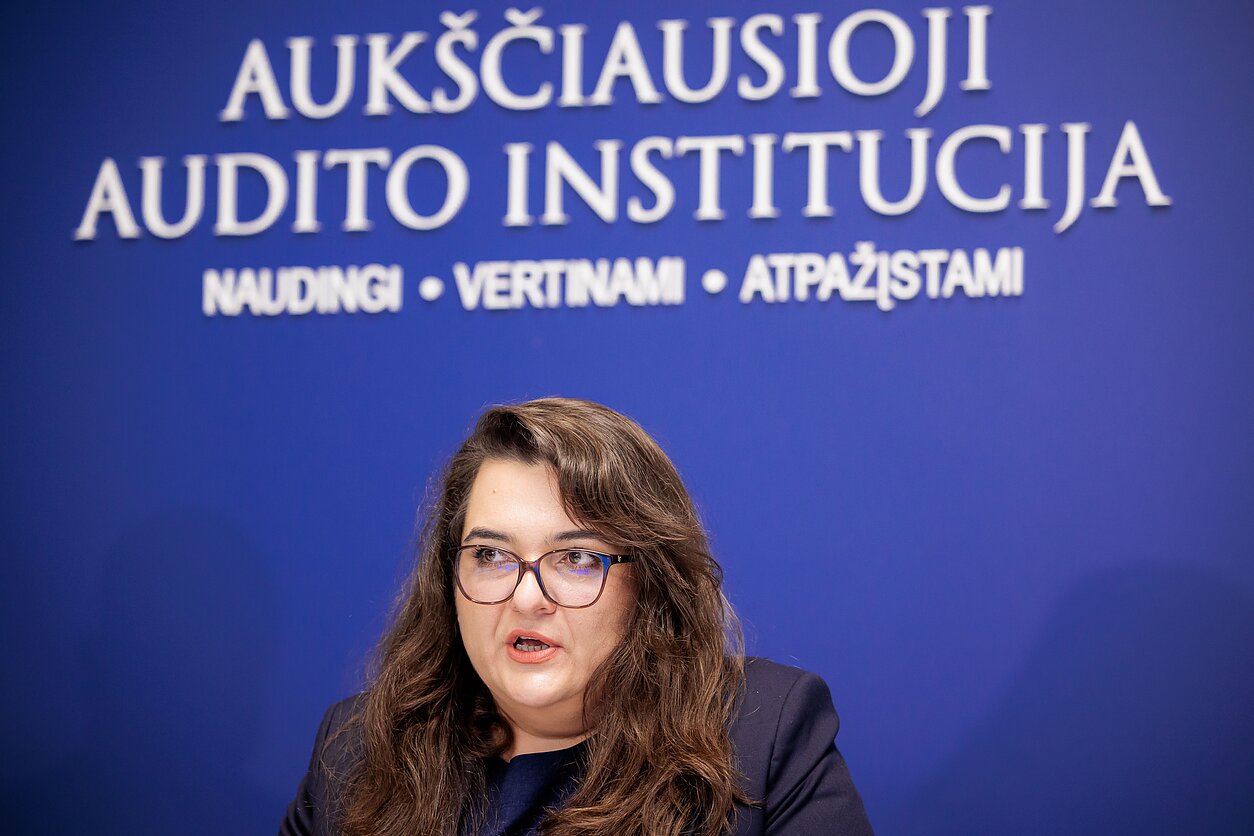
“Innovation policy cannot end with the allocation of funding,” Auditor General Irena Segalovičienė said in a statement. “The state’s goal should be to create conditions that allow as many ideas as possible to complete the journey from scientific research to the market and become solutions protected by intellectual property rights. This requires not isolated measures but a coherent system that turns public investment into long-term benefits for the national economy.”