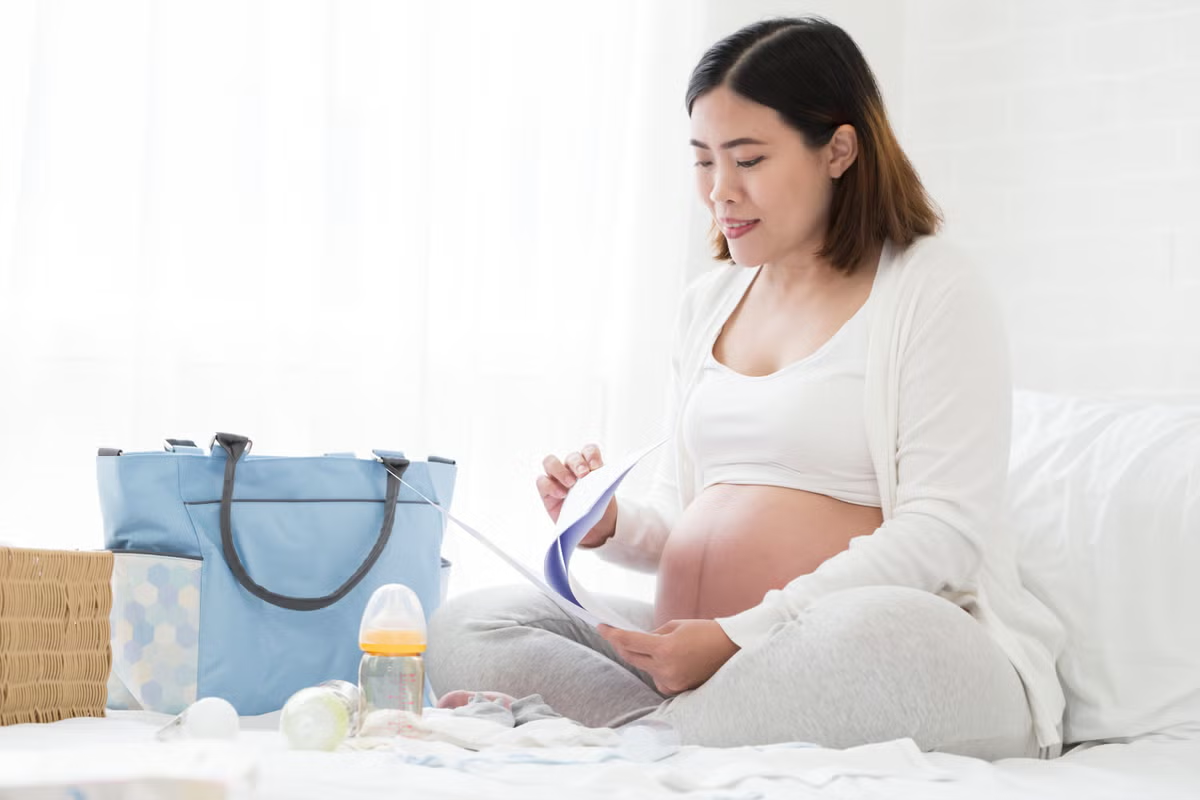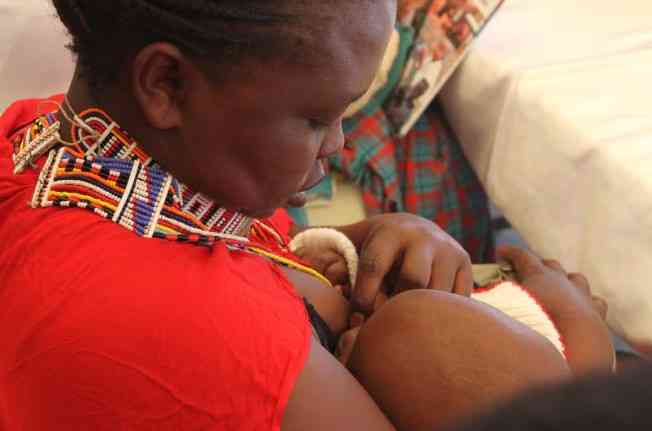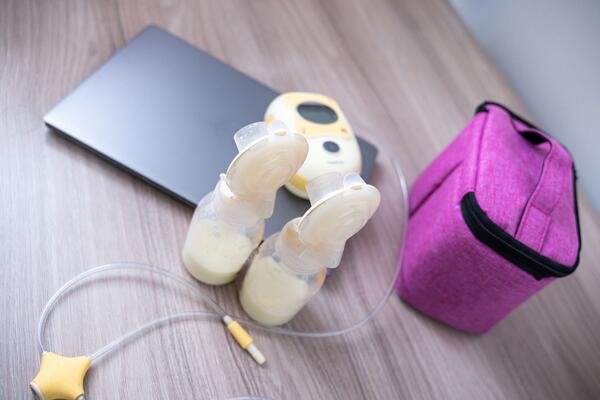
At 36 weeks pregnant, I clocked five miles a day inside the sprawling Toronto Convention Centre as I walked between conference sessions, ecstatic to be presenting three roundtable papers at the American Education Research Association annual meeting as a Ph.D. student. At 38 weeks pregnant, I defended my master’s thesis. The night after turning in my paperwork to receive my master’s degree, I went into labor. Luckily for me, my university gave me six weeks of paid leave to cover my spring semester assistantship teaching load. I spent my unpaid summer with my newborn finishing final course papers, and used student loans to cover my daily expenses. Once back at work for the fall semester, I was shocked by the difficulty I had trying to pump at work on my long days of taking classes and teaching. I expected it to be more straightforward at my university. But as many student parents and faculty parents find, that was not the case.
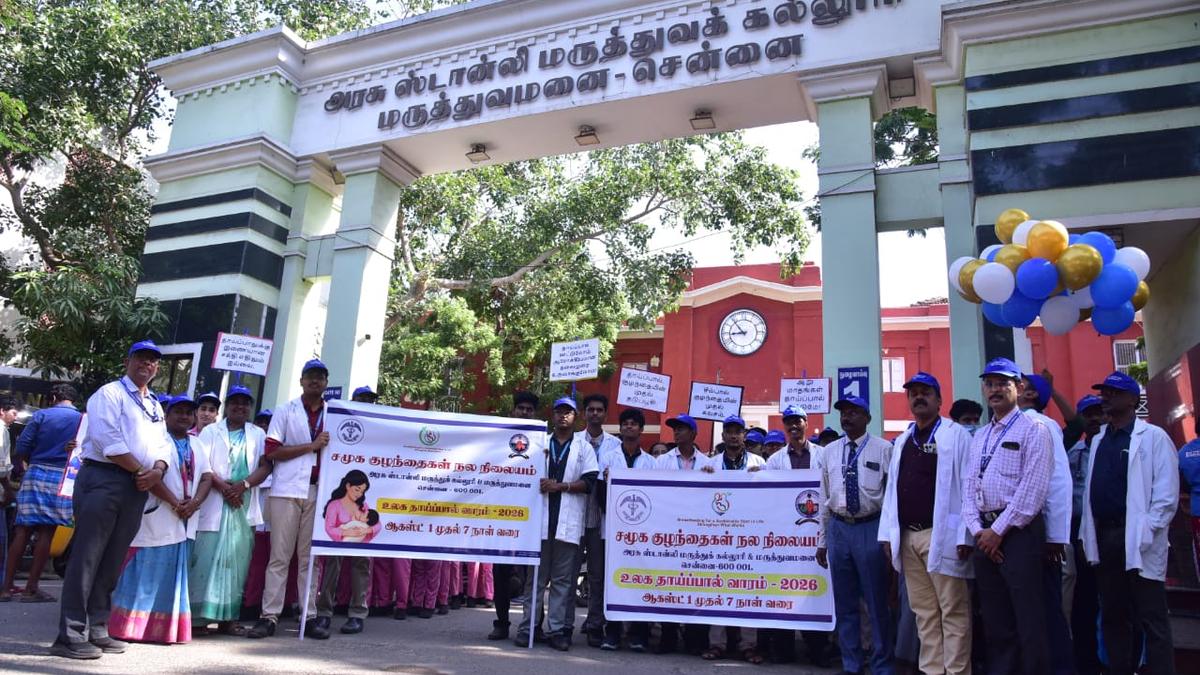
World Breastfeeding Week is this week, Aug. 1–7, and it’s a good time to celebrate positive changes in higher education settings related to reproductive labor like pregnancy, childbirth and infant-feeding, and to consider what can be done better. (Changing the name to use the more gender-inclusive term “bodyfeeding” would be a good way to start.) Since 2023, most workplaces are required by the federal PUMP Act to provide employees with time to pump and a private space for that purpose that is not a bathroom. There are also great new-ish resources, like the Pregnant Scholar, “the nation’s legal resource center on the rights of pregnant and parenting postsecondary students.” Many institutions offer paid parental leave for faculty and for graduate students. Yet, these changes aren’t enough. In higher education, we still treat reproductive labor as “women’s work” that happens outside the everyday routine of productive labor like teaching or taking courses and pursuing our scholarship. Far from a culture of support, there is a persistent “motherhood penalty” for the predominantly female-identified folks who perform reproductive labor.