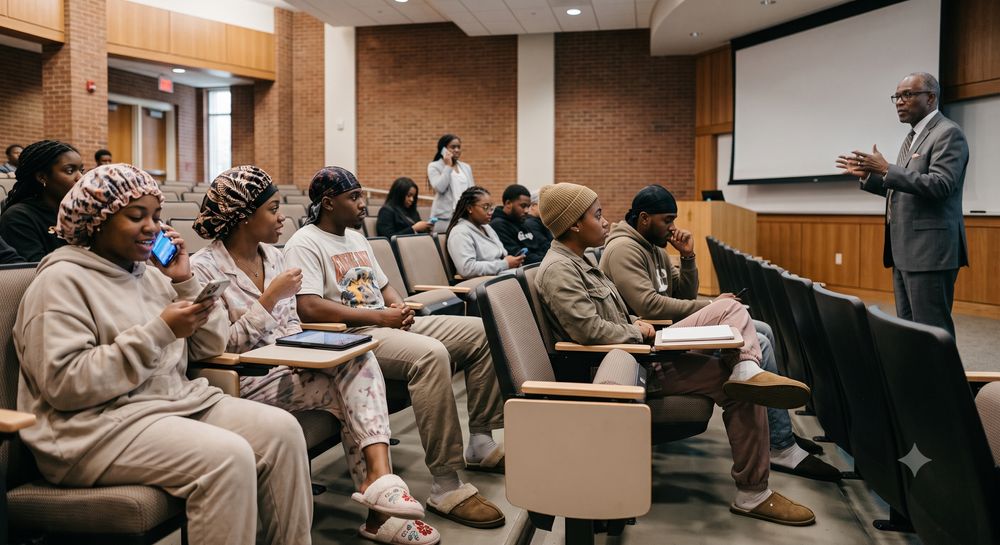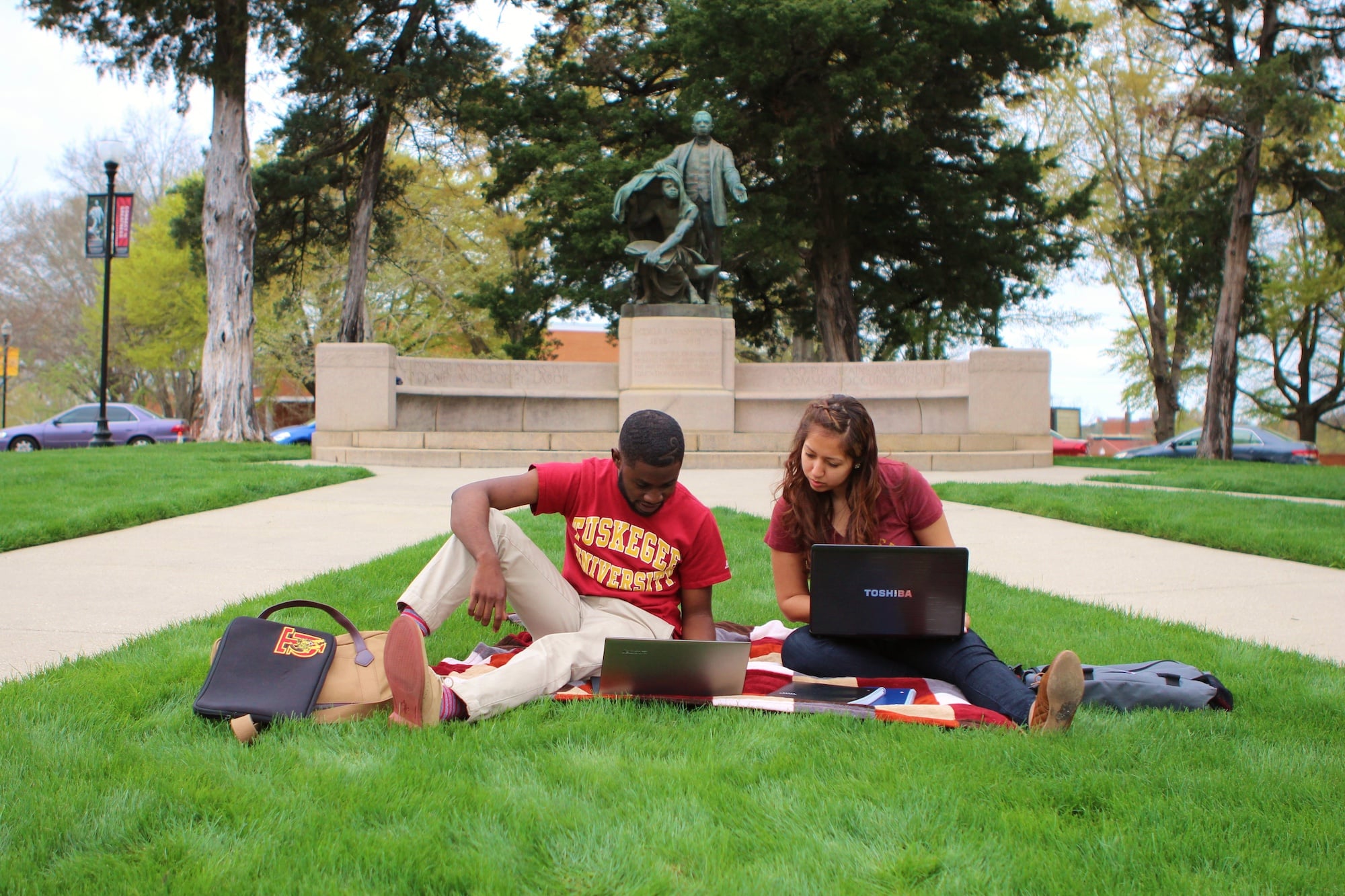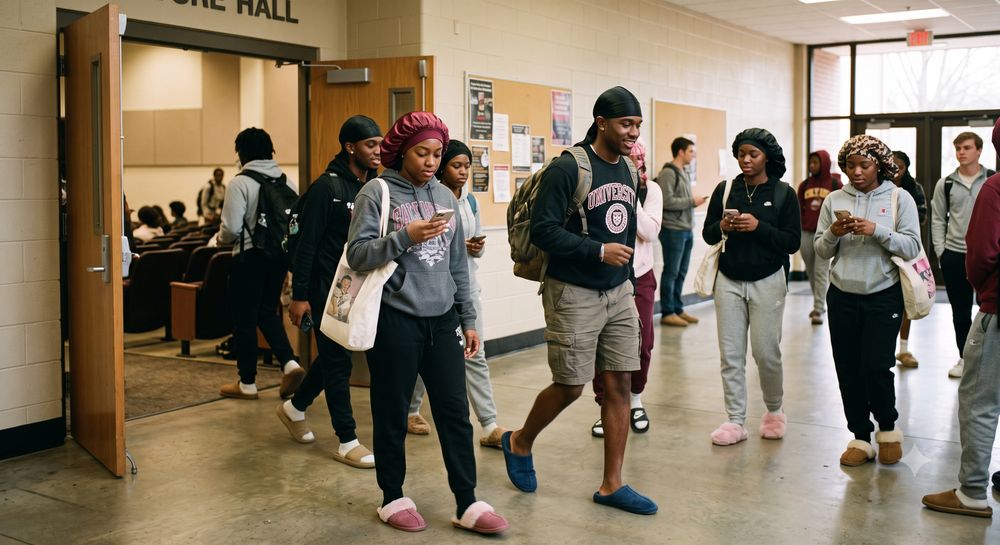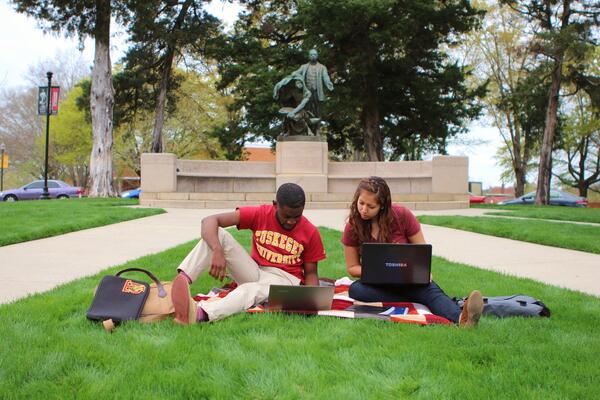
Tuskegee University recently ignited an online firestorm after the historically Black university in Alabama announced new dress code guidelines for students, banning bonnets, du-rags and slippers in classrooms and the cafeteria.
Tuskegee leaders, and other advocates of the policy, say the new dress code prepares students for the professional world post-college. Critics argue the standards are overly restrictive and target clothing associated with Black hairstyles and culture. Some Black scholars say the news is going viral because it hit a raw nerve—an ongoing conversation about respectability politics within Black communities, particularly at HBCUs, and a growing generational divide on the topic.
The clash over clothing at Tuskegee reflects an “eons-old” debate “around Black people’s personal comportment, behavior—this idea that how one carried themselves … the class expressions they had, were going to convey to a white dominant mainstream that we deserved citizenship” and other rights, said Saida Grundy, associate professor of sociology, African American and Black diaspora studies at Boston University and an alum of Spelman College.
McMahon Sends Reform ‘Questionnaire’ to Colleges
DOD Considers Course Reviews, Axing Tenure at Military Academies