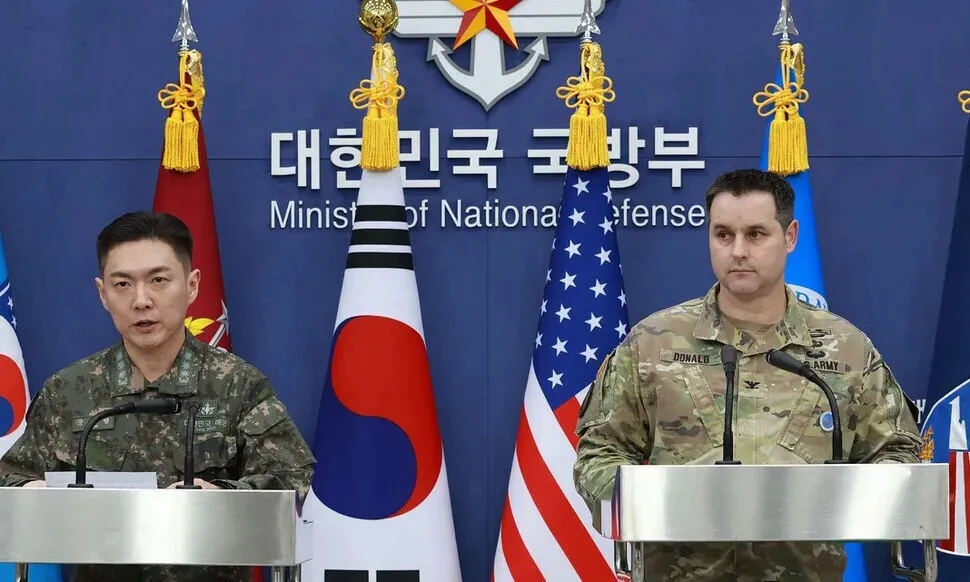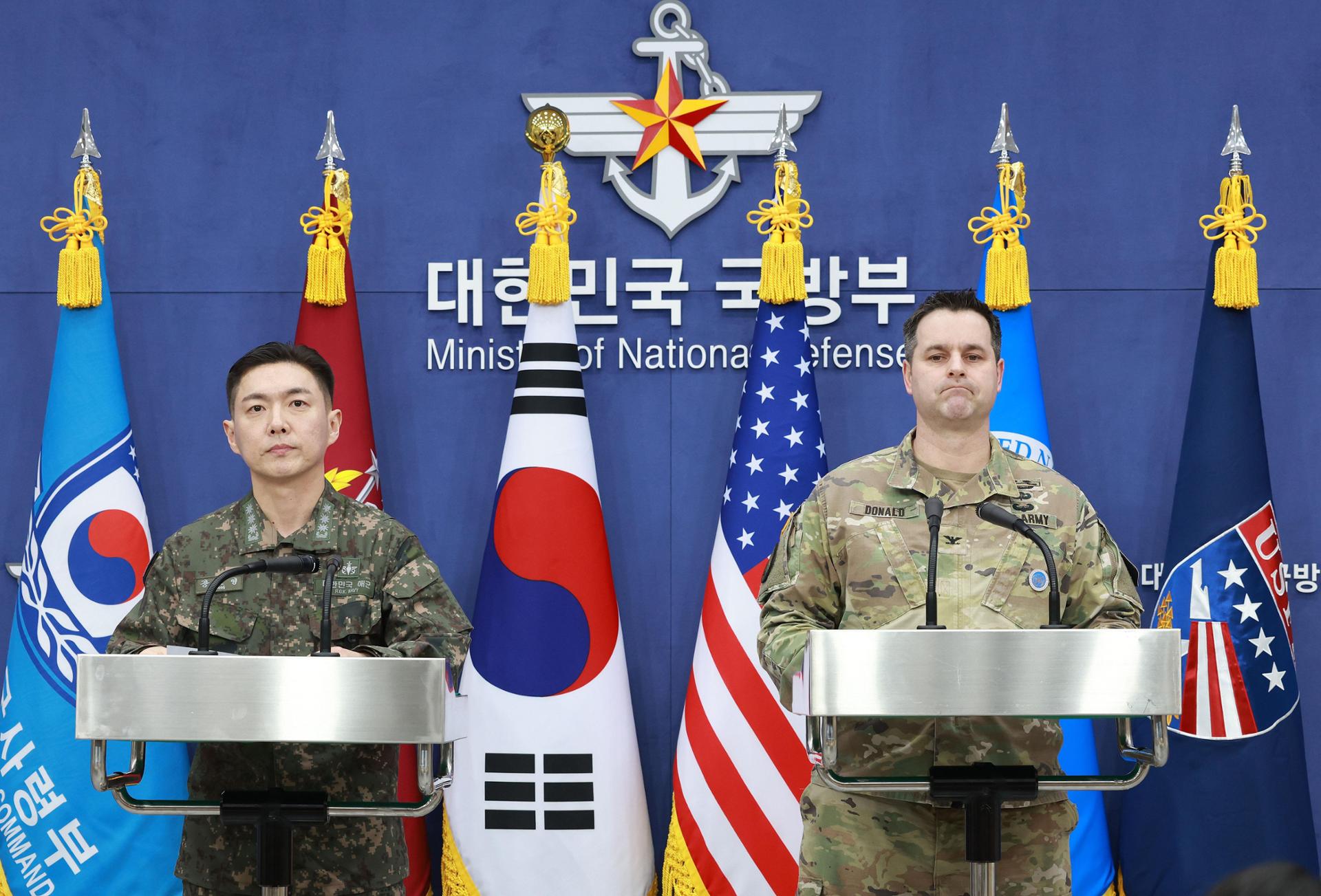
Jang Do-young, left, Joint Chiefs of Staff spokesperson, and Ryan Donald, U.S. Forces Korea public affairs director, hold a joint briefing on the 2026 Freedom Shield exercise at the Ministry of National Defense in Seoul in this Feb. 25 file photo. Joint Press Corps
The Korean military has shifted its focus from assigning blame to preventing a recurrence after an internal investigation into last week's misidentification of a U.S. Marine Corps drone found procedural shortcomings on both sides.
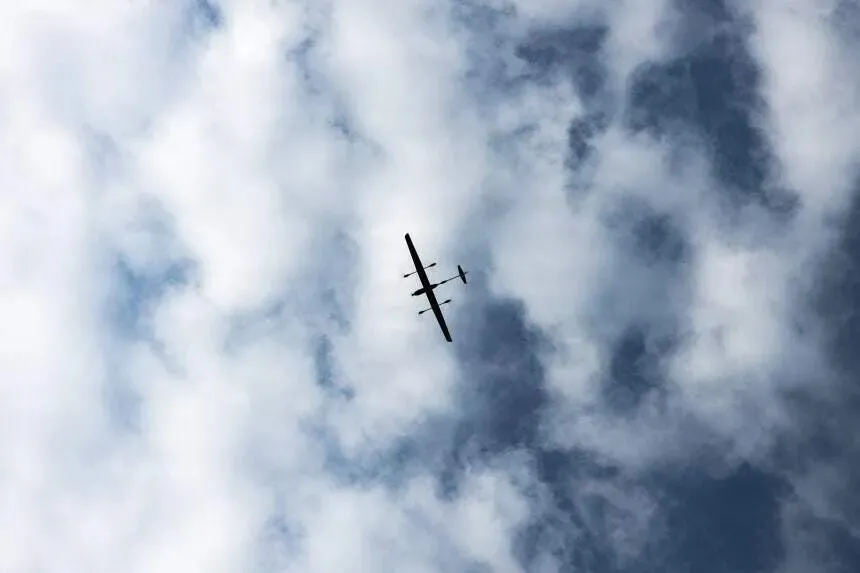
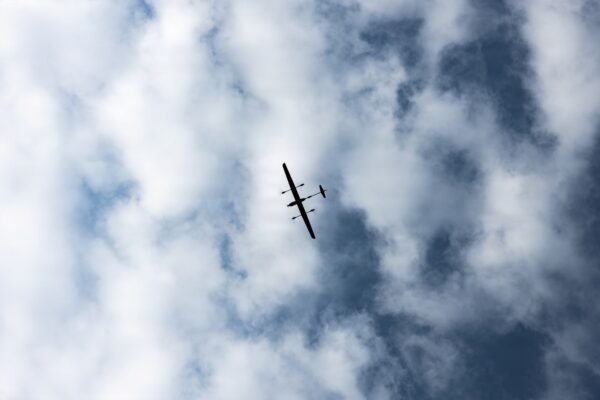
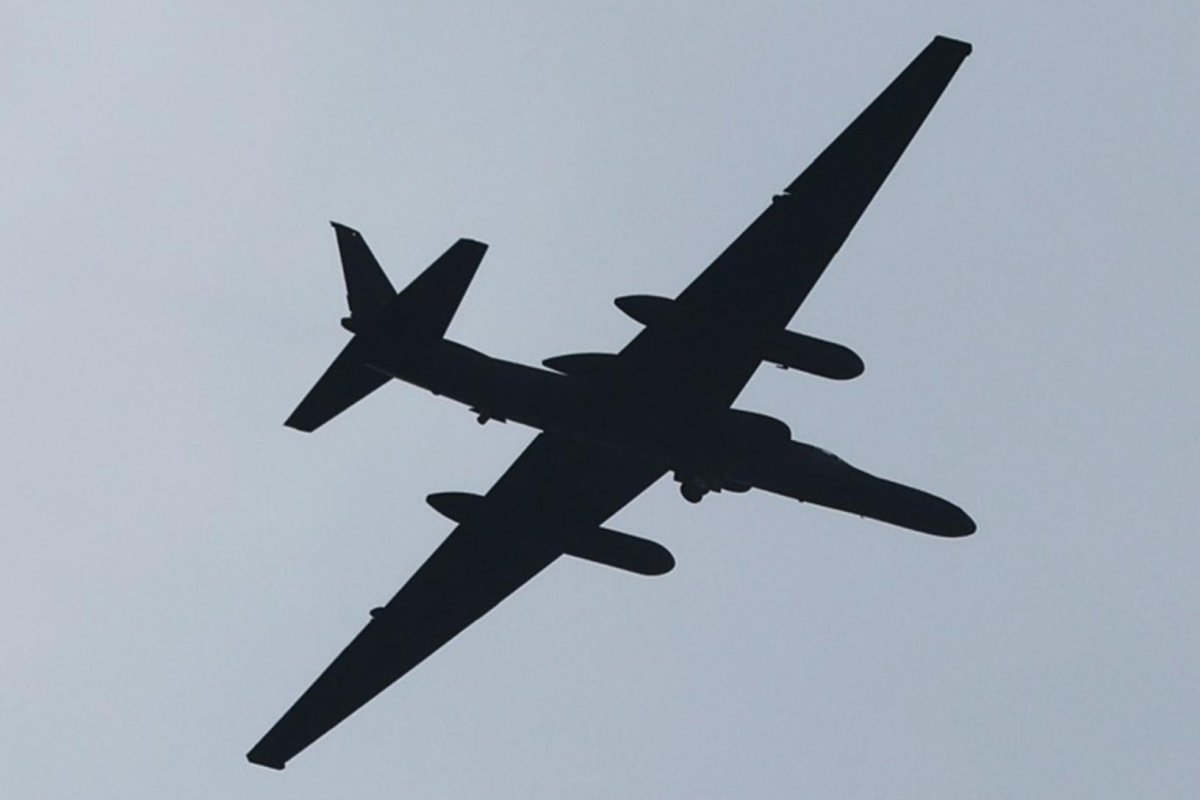
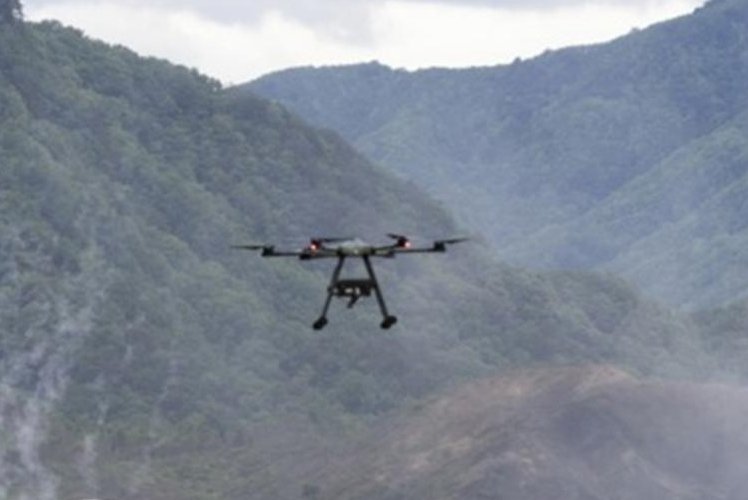
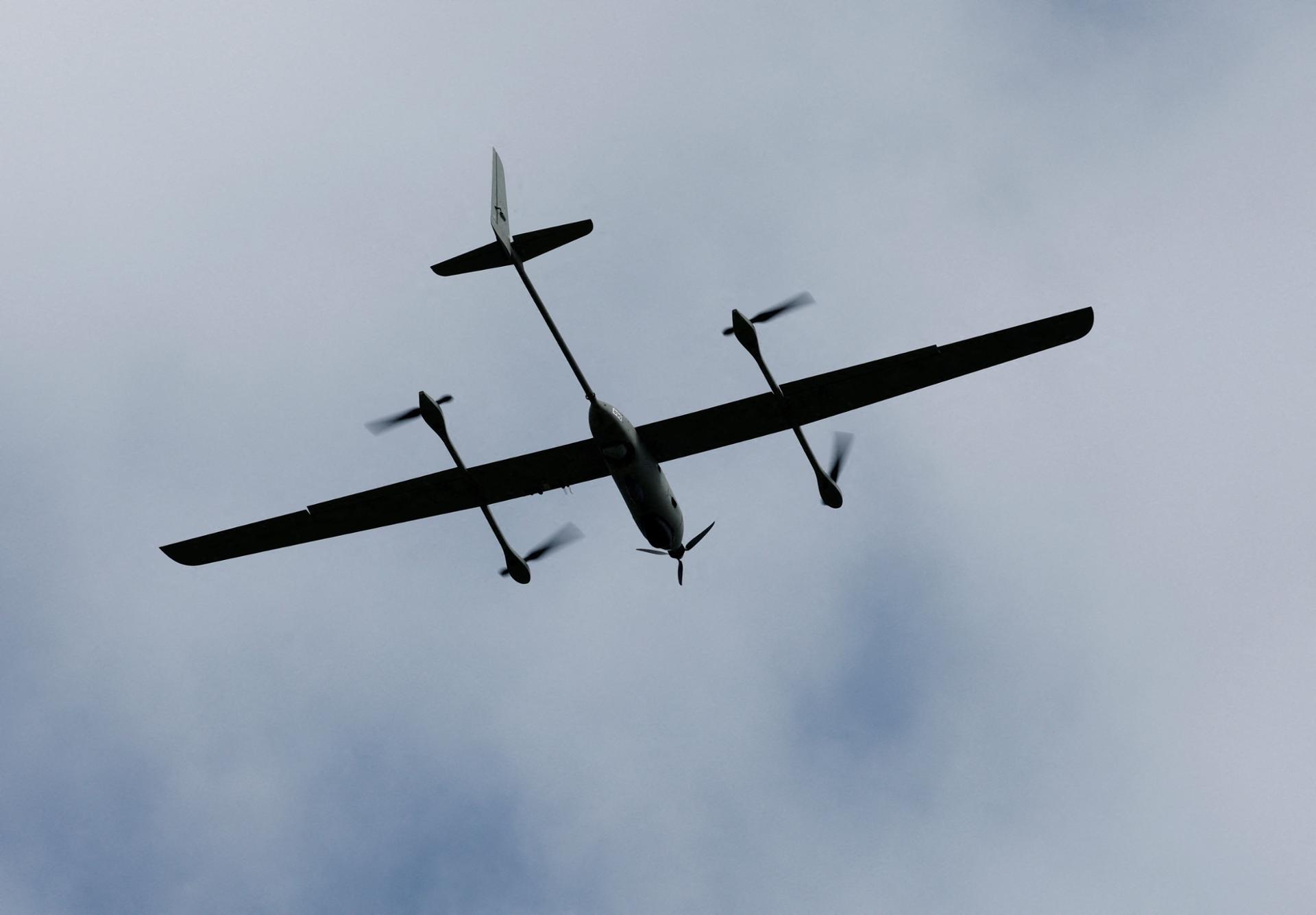
The Joint Chiefs of Staff (JCS) concluded that failures by both Korea and the U.S. contributed to the incident, in which a U.S. drone flying during a bilateral exercise was mistaken for an unidentified aircraft, triggering the military's highest-level counter-drone response.
These findings have prompted follow-up measures aimed at strengthening airspace coordination while broader command responsibilities also came under review.
According to the JCS, a working-level officer at the Army’s 1st Corps received a text message from the U.S. side a day before the flight but failed to relay the information to higher headquarters or relevant units. The text referenced only a previously approved live-fire altitude, but an official document attached as a photo to the message specified the drone's actual planned flight altitude — the detail that should have triggered a report up the chain of command.